


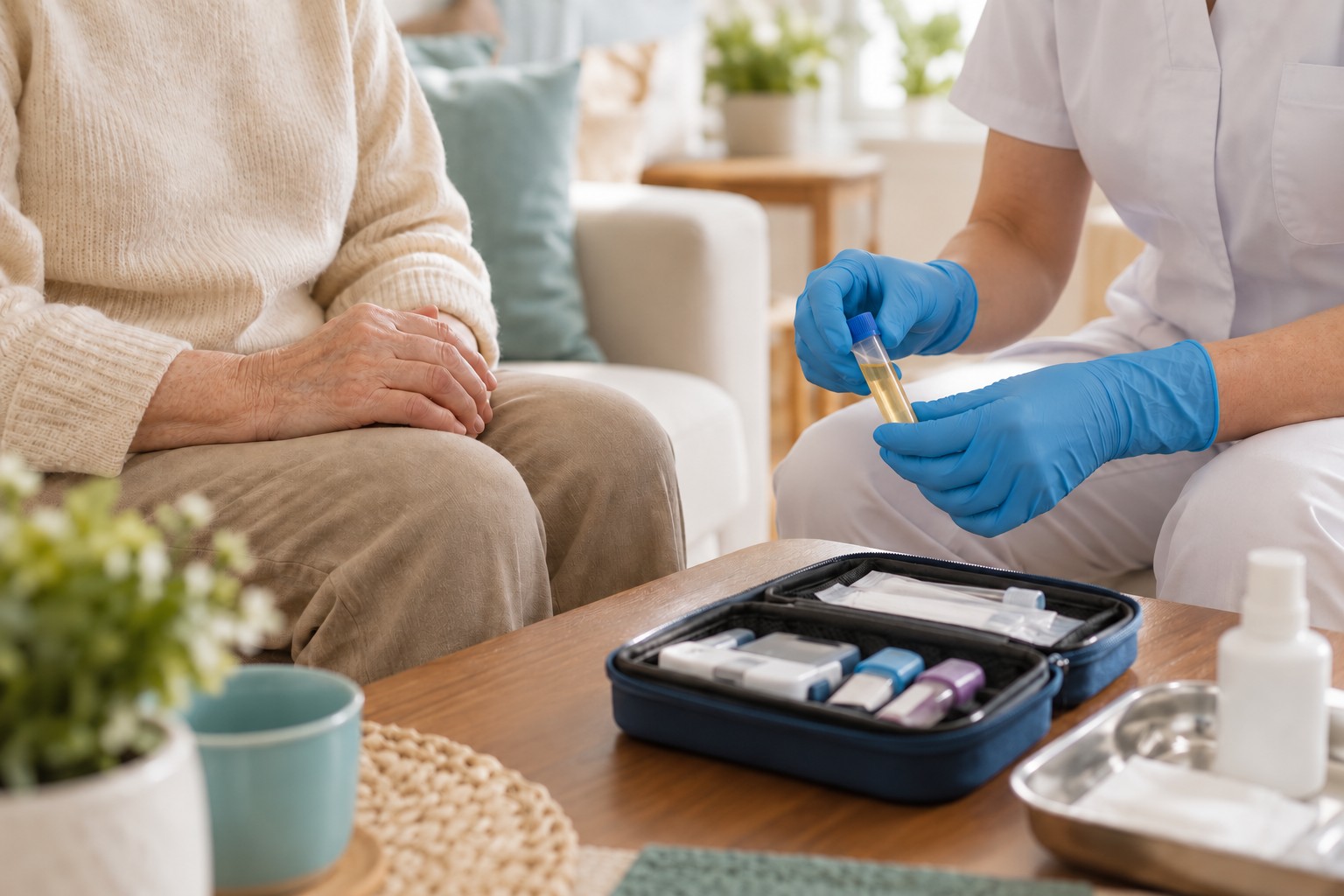
Beta thalassemia (HBB) gene analysis uses whole-gene sequencing to examine HBB gene variants associated with beta thalassemia and other hemoglobin disorders. Your blood sample can be collected at your home or workplace.
- Sample
- Blood
- Fasting
- Not required
- Turnaround time
- As soon as possible
- Test group
- Genetic Tests
Preparation: No fasting is needed. Mention it if you have recently received a blood transfusion or had a bone marrow transplant; share your complete blood count and hemoglobin electrophoresis results if you have them.
Insurance: We work with private health insurers. For this test, we obtain the pre-approval and collect your sample once approval is received. Insurance and payment
Contents
What is beta thalassemia (HBB) gene analysis?
Beta thalassemia is an inherited blood disorder in which the beta chain of hemoglobin, which carries oxygen in red blood cells, is produced in reduced amounts or not at all; it is also commonly known as Mediterranean anemia. Carriers usually have no symptoms or have mild anemia. In people with a disease-causing variant in both copies of the gene, however, severe anemia can develop that may require regular treatment.
Production of the beta chain is controlled by the HBB gene. In HBB gene analysis, the coding regions of the gene and the surrounding regulatory regions are sequenced in DNA extracted from blood. In this way, structural hemoglobin changes such as hemoglobin S, which causes sickle cell disease, can be detected in addition to the variants that cause beta thalassemia. Additional methods may be needed for large deletions; alpha thalassemia is not within the scope of this test because it is associated with different genes.
When is beta thalassemia gene analysis ordered?
Beta thalassemia carrier status is often first noticed through blood tests such as a complete blood count and hemoglobin electrophoresis. Genetic analysis is ordered to confirm carrier status and the variant carried, to clarify cases in which these tests give borderline or unexplained results, and to help assess family members.
- Small red blood cells and mild anemia with no explained cause on a complete blood count
- A borderline or questionable hemoglobin electrophoresis result
- Carrier assessment before marriage or before planning to have children
- Knowing that one partner is a carrier
- Beta thalassemia or sickle cell disease in the family
- Unexplained anemia and growth problems in children
When both partners are carriers, knowing exactly which variants they carry is important for planning the options for future pregnancies in genetic counseling. This test is performed on the person's own blood sample; diagnosis of the baby during pregnancy is made with different samples and methods.
How do you prepare for beta thalassemia gene analysis?
No fasting is needed for this test, and the blood sample can be given at any time of day. While iron deficiency can affect the hemoglobin electrophoresis result, genetic analysis is not affected by it; iron medication or other medications do not change the result either. If you have previous complete blood count and hemoglobin electrophoresis results, sharing them with your doctor makes it easier to interpret the genetic result together with these findings.
If you have recently received a blood transfusion or had a bone marrow transplant, be sure to mention this. Genetic tests are performed with informed consent; genetic counseling is recommended, especially for tests done before marriage or when planning to have children. Our nurse collects your blood sample at your home or workplace; both partners' samples can be collected at the same appointment.
How are beta thalassemia gene analysis results interpreted?
The report states the variants found in the HBB gene and whether they are present in one or both copies of the gene. A disease-causing variant in a single copy means carrier status. Finding variants in both copies suggests beta thalassemia disease or a compound hemoglobin disorder together with another change such as hemoglobin S; the severity of the condition varies with the type of variants carried.
Not finding a variant markedly reduces the likelihood of beta thalassemia carrier status; however, large deletions that this test cannot see, or conditions associated with different genes such as alpha thalassemia, are assessed separately if needed. The result does not make a diagnosis on its own; it should be interpreted together with your complete blood count, hemoglobin electrophoresis and family history by your doctor and, if needed, a medical geneticist.
Reference range
Stated in your laboratory report
The reference range for this test may vary depending on the method used, age and sex; it appears next to your result in your laboratory report. Review your result together with your doctor.
How is Beta Thalassemia (HBB) Gene Analysis done at home?
-
01
Book your appointment
Fill in the online form or call us, and let's plan a day and time that suit you together.
-
02
Your blood is drawn at home
Our nurse comes to your address and collects your blood sample using sterile, single-use supplies.
-
03
You receive your result
Your sample is transported to the laboratory under appropriate conditions; your result is sent to you when it is ready.
Frequently asked questions
The information on this page is for general information only; it does not replace diagnosis or treatment. Consult your doctor for decisions about your health.