




About Ataşehir Home Care
When you take on the care of a loved one, your calendar is gradually rewritten around their needs: morning medicines, lunch, waking up several times a night. When this routine goes on for months, the love doesn't fade, but your strength runs out. Home care is a way to share this load with a trained team, so that the person you love can keep living safely in the home they know, among their own belongings.
This support, provided by Curavita Evde Sağlık, does not replace medical treatment; it builds a routine that carries your doctor's recommendations into daily life. The aim is to keep your loved one safe while protecting their habits, their privacy and their right to make their own decisions.
When is home care the right step?
The need for care rarely comes from a single event; it usually builds up over time. If one of the following situations sounds familiar, it may be time to talk about professional support:
- Relatives who have been discharged from hospital but cannot yet manage tasks such as washing, dressing or walking on their own
- Long-term, changing conditions such as dementia, Parkinson's disease or the period after a stroke
- Older people who live alone, have recently had a fall, or move around less because they are afraid of falling
- Bedridden patients who need to be turned regularly and helped with personal hygiene
- Situations where the family member providing care is working, dealing with their own health problems or worn out
In these situations, the decision about home care should be based not only on today's needs but also on what may change in the coming weeks. The view of the doctor who follows your loved one is a valuable guide in deciding how much support is needed, and of what kind.
Caregiver burnout and its early signs
The family member who takes on care usually puts themselves last. Constant tiredness, broken sleep, impatience over little things and the guilt that quickly follows are among the first signs of caregiver burnout. Pulling away from friends or putting off your own medical check-ups can also be part of the same picture.
In Istanbul, family members often live on different sides of the city. For a son or daughter trying to get from Başakşehir to their mother in Maltepe every evening, the journey can be as draining as the care itself. Asking for help is not a failing; it is what makes it possible for care to continue over the long term.
Support doesn't always have to be full-time. Even a care worker who comes on certain days or at certain hours gives you room to sleep, work or take time for yourself.
How is a personalized care plan prepared?
A good plan starts with a detailed needs assessment. Your loved one's level of mobility, eating and swallowing, toileting needs, sleep pattern, memory and way of communicating are each considered in turn. The list of medicines they take and your doctor's recommendations also form the basis of this assessment.
The home itself is part of the assessment too. Factors such as slippery rugs, nothing to hold on to in the bathroom or a hallway that stays dark at night can increase the risk of falls; most of these can be fixed with small adjustments. The daily routine, the limits of the caregiver's duties and who should be informed in which situation are then put in writing.
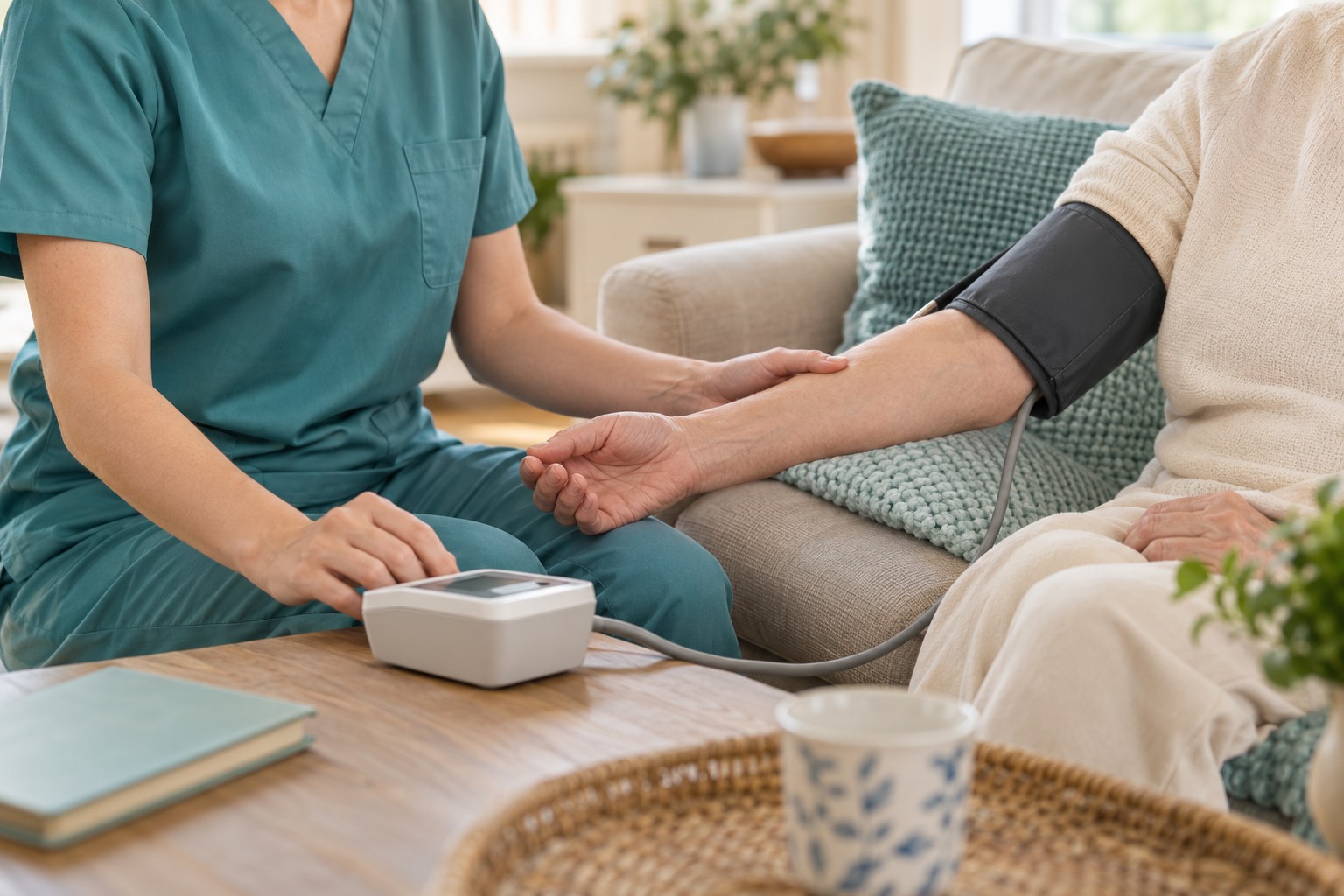
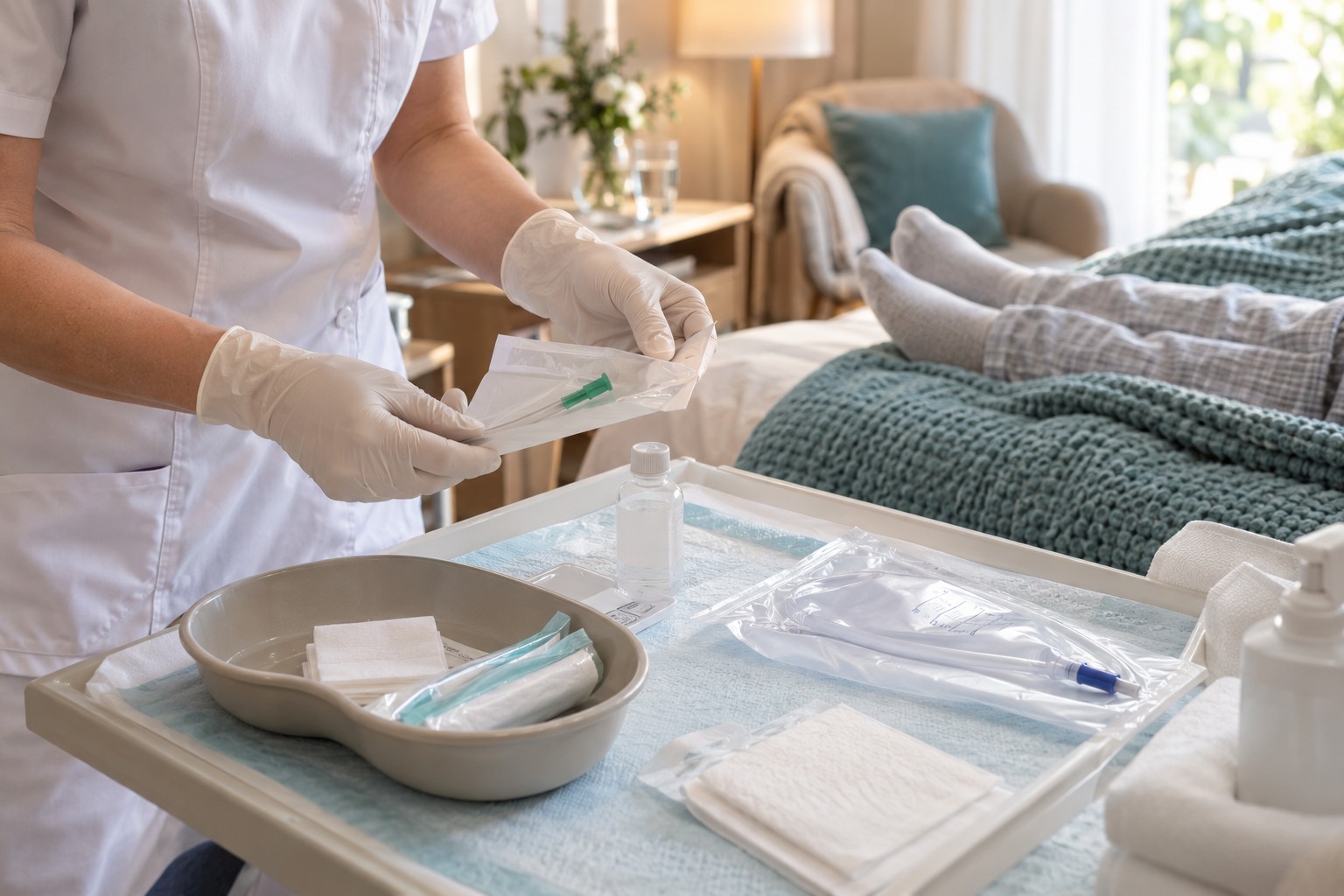
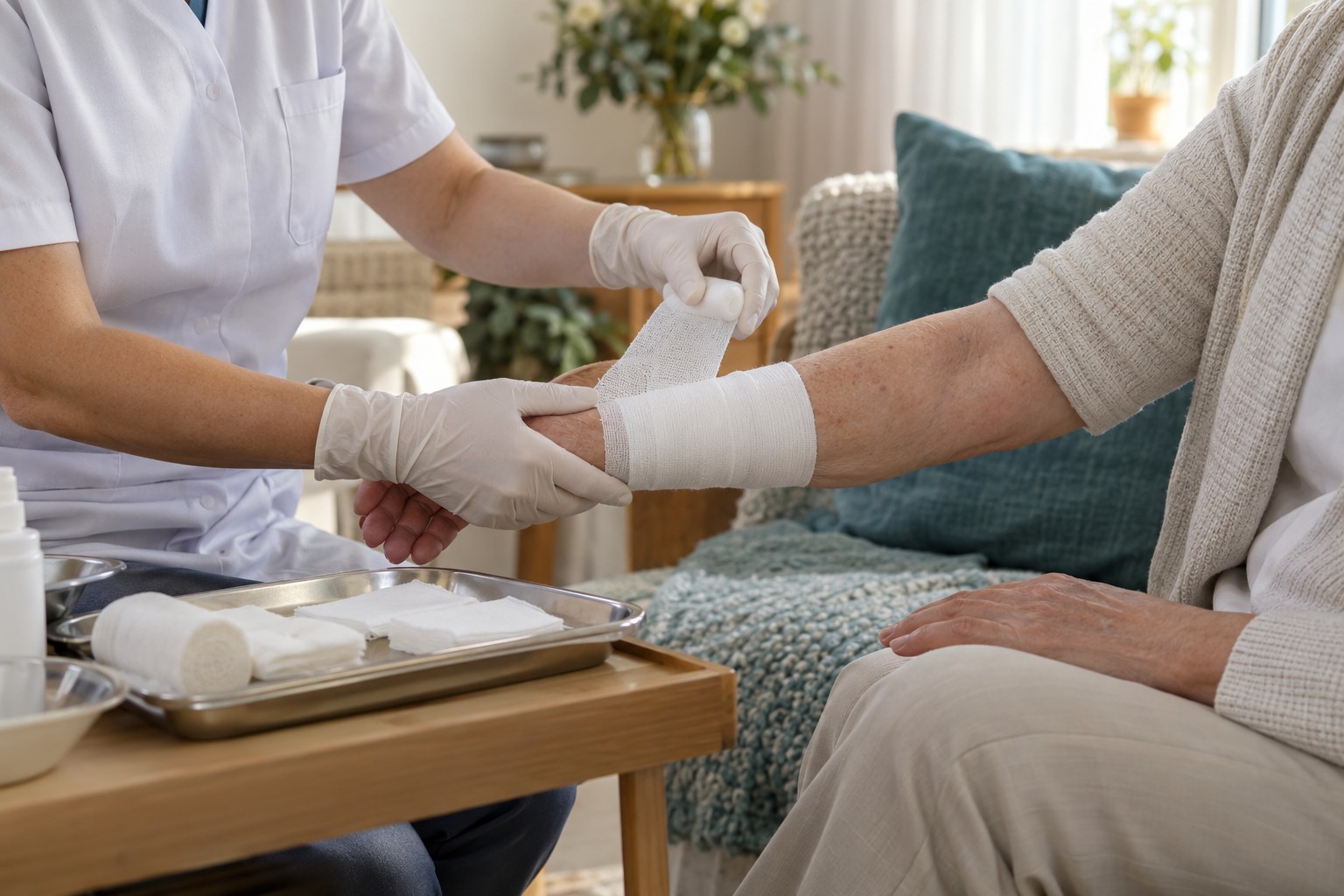
A personalized care plan is not a fixed document; it should be reviewed together after the first week and whenever the person's health changes. When medical procedures such as injections, wound care or IV drips are needed, home nursing can be added to the plan, and where mobility is limited, physiotherapy at home. Decisions about treatment and medicines are always made together with your doctor.
Dignity and routine: unseen but decisive details
Helping someone with bathing, dressing or using the toilet means entering the most private part of their life. Keeping the door closed, keeping the body covered and explaining each step in advance may seem like small things, but they protect a sense of privacy and dignity. Paying attention to how they would like to be addressed, letting them choose their own clothes and leaving them the tasks they can still do are part of the same care.
Routine, in turn, is the foundation of a sense of security. Waking up, eating, going for a short walk or listening to a favorite radio program at roughly the same times every day can help reduce restlessness, especially in people with memory problems. Habits such as looking at old photos together, drinking tea on the balcony or keeping to prayer times can also be deliberately built into the care plan.
Tips to make the first week easier
When the care worker first arrives at the home, a one-page summary introducing your loved one makes things much easier. In this summary you can include their list of medicines, allergies, the contact details of the doctors who follow them, the foods they like and dislike, and their daily habits. If possible, being at home at certain times during the first few days makes it easier for everyone to get to know each other and helps trust build more quickly.
A simple care notebook also strengthens communication. Noting down eating, sleep, mood and anything out of the ordinary helps both the family and the doctor notice changes in time. Sharing your thoughts on how well things are fitting together or how the routine is working, without waiting, helps solve small problems before they grow.
Starting home care support in Istanbul
Curavita Evde Sağlık serves all 39 districts on both sides of the city, and you can reach our call center 24/7. We get back to your request within 3 minutes on average, and after listening to your needs, we decide together on the duration and the days of care. The fee for care is also clearly shared with you before anything begins.
When you're ready, you can submit your appointment request online or call the call center directly. Well-planned support doesn't mean you stop caring for your loved one; it means you can keep doing so for longer and in a healthier way.