


About Bakırköy Dietitian at Home
The general nutrition advice you read often contradicts itself, because none of it knows your body, your daily routine or what is on your table. Support from a dietitian at home brings nutrition counseling to where that information actually lives: your home or your office. The dietitian works by getting to know you, taking measurements and seeing your kitchen, so the advice fits into your daily life.
Why does a dietitian home visit start with measurements?
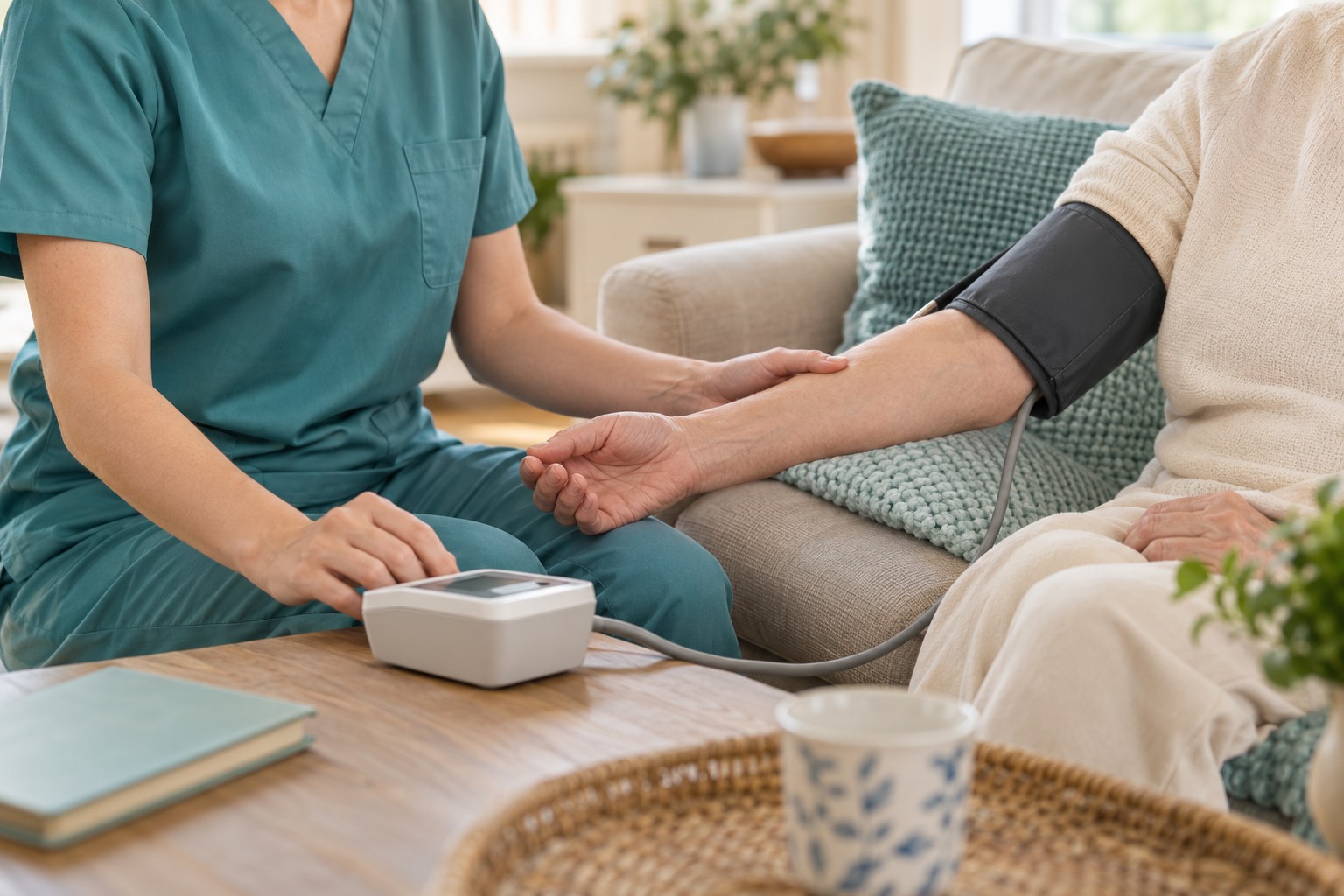
The number on the scale does not tell you enough on its own. Body composition analysis shows your fat and muscle percentages and your body's water balance; considered together with measurements such as waist circumference, it becomes clear whether the goal is to lose weight, preserve muscle mass, or both. At the first session, besides the measurements, your sleep patterns, physical activity, digestive complaints and the medications you take are also discussed.
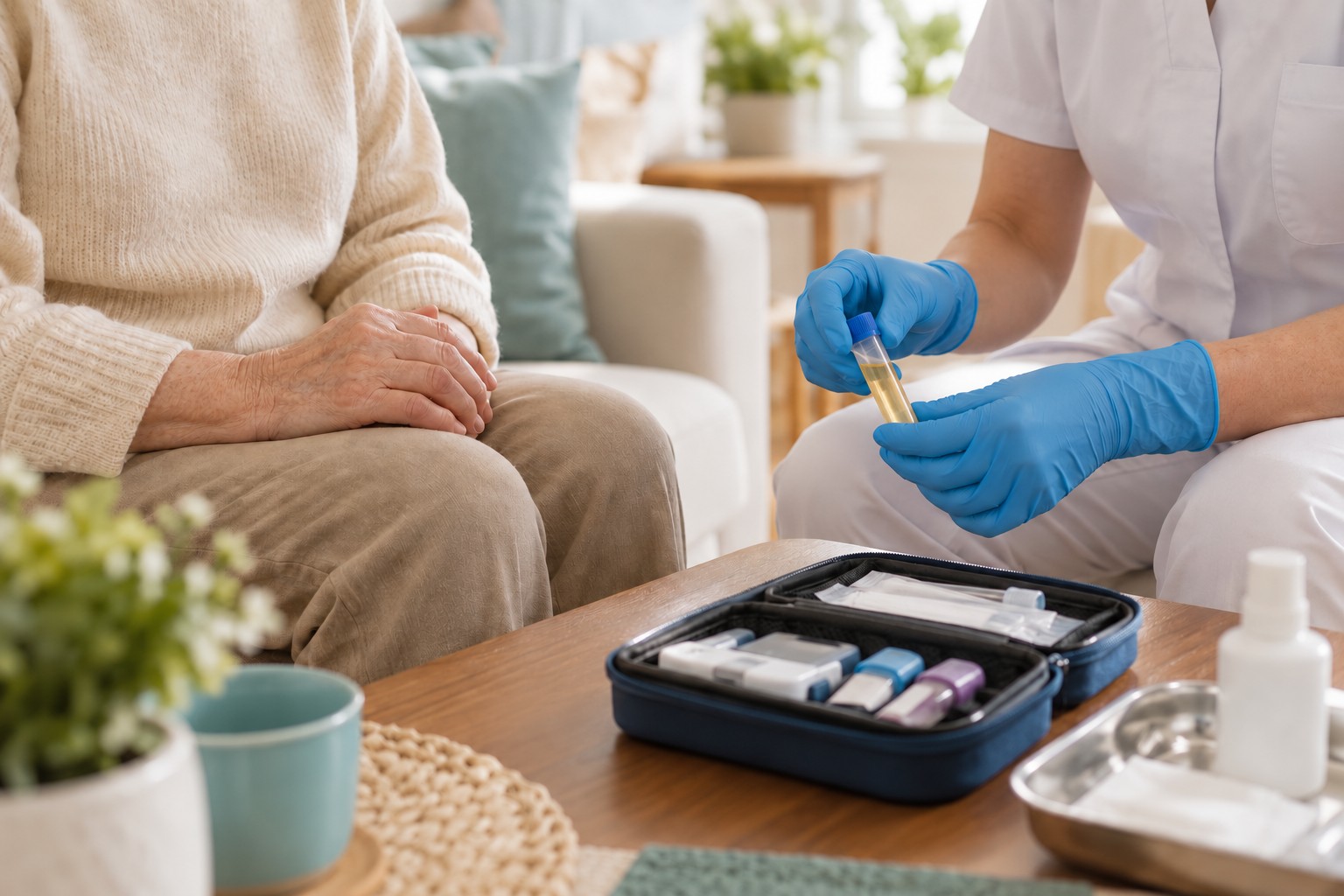
If you have recent blood test results, they also help shape the plan; values such as iron, vitamin B12, blood sugar and cholesterol can influence which foods to focus on. If your doctor has ordered new tests, your sample can be taken at your address with our blood draw at home service. When measurements are repeated at set intervals and under conditions that are as similar as possible, for example at the same time of day, progress is based on concrete data rather than guesswork.
Briefly noting down what you eat and drink over two or three days before the first session helps the dietitian see your habits more quickly. It is also useful to add when you feel hungry during the day, at what times you snack and how much water you drink.
Your personal plan takes shape in your kitchen
A kitchen and fridge analysis is perhaps the most practical part of a session at your address. By seeing what products are in your cupboards, which cooking methods you use and who prepares the meals, the dietitian gives the plan a realistic foundation. This review is not an inspection; the aim is to find, together, small changes that make healthy choices easier at home. Rather than being struck off the list, the dishes you love are usually adapted to the plan by changing the portion, the cooking method or what is eaten alongside them.
Your working hours, your family's mealtime routine and your tastes are the cornerstones of the plan. Practical recipes and options for days when you eat out can also be part of the plan. If another family member does the cooking at home, having them join the session makes it easier to bring the advice to the table.
When is medical nutrition therapy considered?
Medical nutrition therapy means planning nutrition so that it supports the doctor's treatment in managing a disease. Type 2 diabetes, insulin resistance, high blood pressure, high cholesterol, kidney disease, gout and digestive problems are among the areas where this approach is often used. In diabetes, for example, the distribution of carbohydrates across meals needs particular attention, as does the balance of protein, potassium and fluids in kidney disease. In these cases, the dietitian works in line with your doctor's recommendations; any decision to change medication rests with the doctor alone.
Recovery after surgery, loss of appetite during cancer treatment, unintentional weight loss in older age, and pregnancy and breastfeeding may also call for nutrition to be planned separately. For people who find it hard to leave home, having the dietitian come to their address helps follow-up continue without interruption. If you suspect an underlying health problem, getting a physician's assessment with a doctor home visit before starting the plan is the right step.
Follow-up sessions and lasting habits
Lasting change comes less from quick results in the first weeks than from small habits you can sustain. In regular follow-up sessions, measurements are repeated, meals you struggle with are discussed and the plan is updated to fit the new situation. Some of the habits we work on together include:
- Finding simple ways to make it easier to drink enough water during the day.
- Eating at regular times without skipping meals.
- Filling half the plate with vegetables.
- Swapping evening snacks for more balanced options.
- Becoming aware of sugar and salt content by reading labels.
- Planning ahead for weekends and special occasions.
Which habit to focus on first is decided together, based on your health and your goals. Even if the number on the scale stays the same for a week, changes in your body measurements, energy levels and blood values give a more complete picture of your progress. Weeks when motivation dips are also a natural part of the process; at such times, the plan is simplified and you keep going.
Sessions that fit your work schedule, and planning in Istanbul
In Istanbul's hectic working life, meals are often the first thing to slip. The dietitian can come to your office and hold the session during your lunch break in a quiet meeting room. This also makes it easier to continue the follow-up sessions without interrupting your working day. If you would like a picture of your overall health before starting a nutrition plan, comprehensive check-up packages are also among the options you can consider.
The Curavita Evde Sağlık team makes home and office visits in every one of the city's 39 districts; to meet at your home in Kadıköy or your workplace in Şişli, simply submit a request. You can reach our call center 24/7; when available, a same-day appointment can also be given. The frequency of sessions and the follow-up plan are agreed with you before the process begins. Your measurements and health information are protected under KVKK (Turkish Personal Data Protection Law No. 6698).