
About Bayrampaşa Nurse at Home
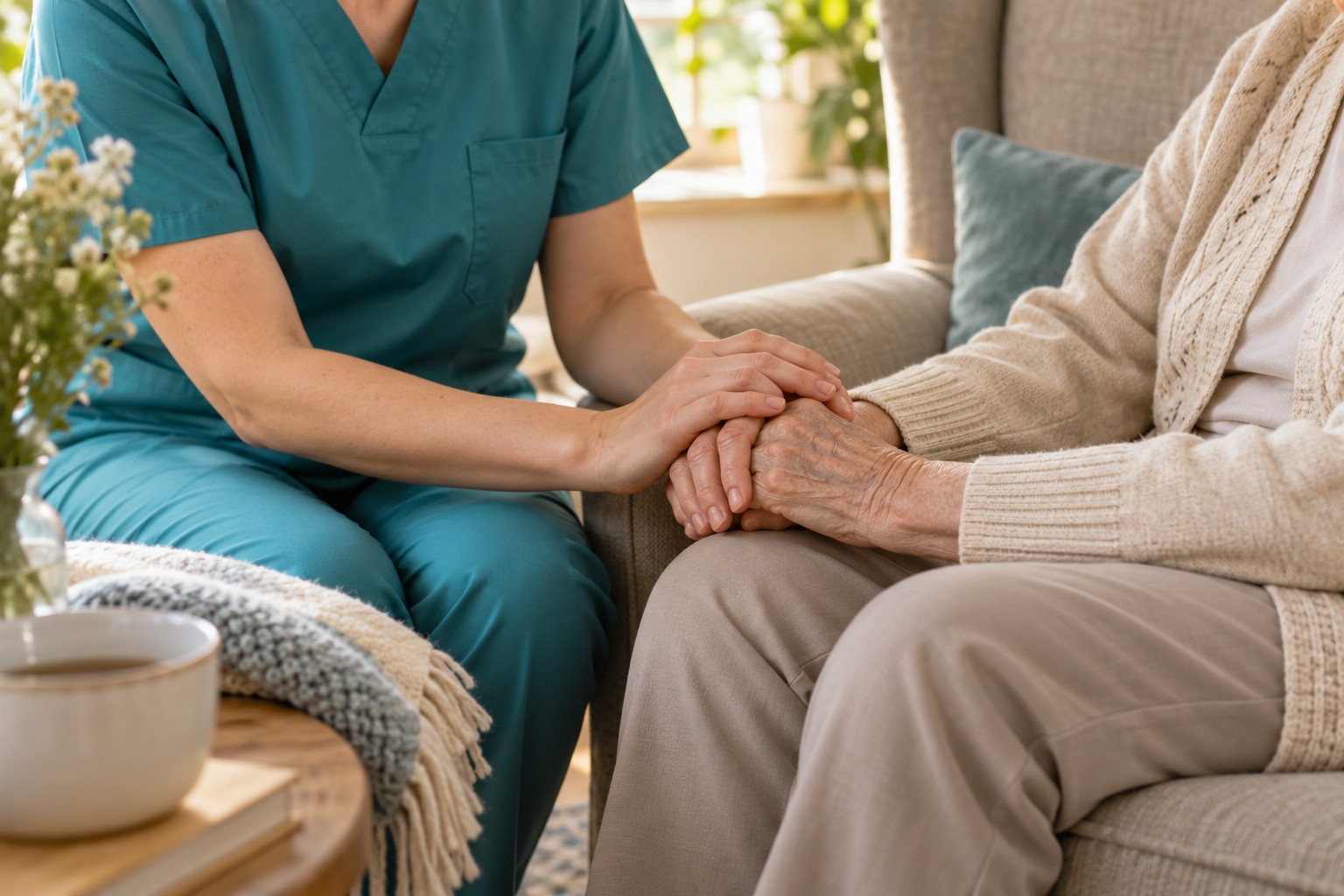
A nurse's visit often begins not with a blood pressure cuff but with a short question: "What has changed since we last saw each other?" That question holds the essence of home nursing. The aim is not to carry out a single procedure and leave, but to follow how the patient is doing and bring the doctor's plan into daily life.
Nursing support isn't only needed at home; wherever you are in Istanbul, the visit can also take place at your office or at the hotel where you are staying. Whatever the setting, the nurse does not make medical diagnoses or change treatment on their own; they carry out the doctor's decisions and report their observations back to the doctor.
What happens during a home nursing visit?
A single visit combines measurements, a medication check and the medical procedures the doctor has ordered. Although it varies with the patient's needs, a well-planned visit usually follows this order:
- The notes from the previous visit are reviewed, and the patient and their relative are asked how things are now.
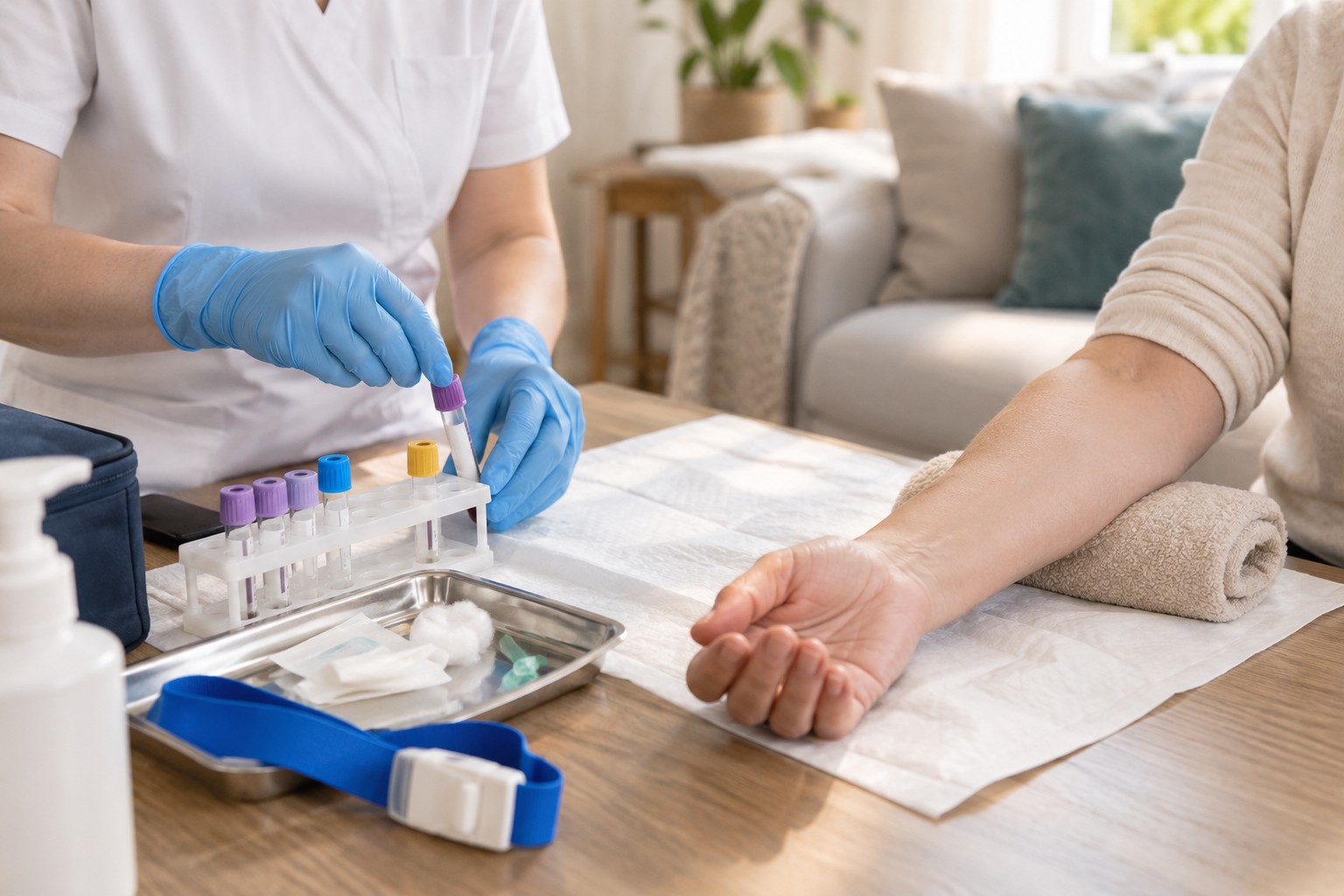
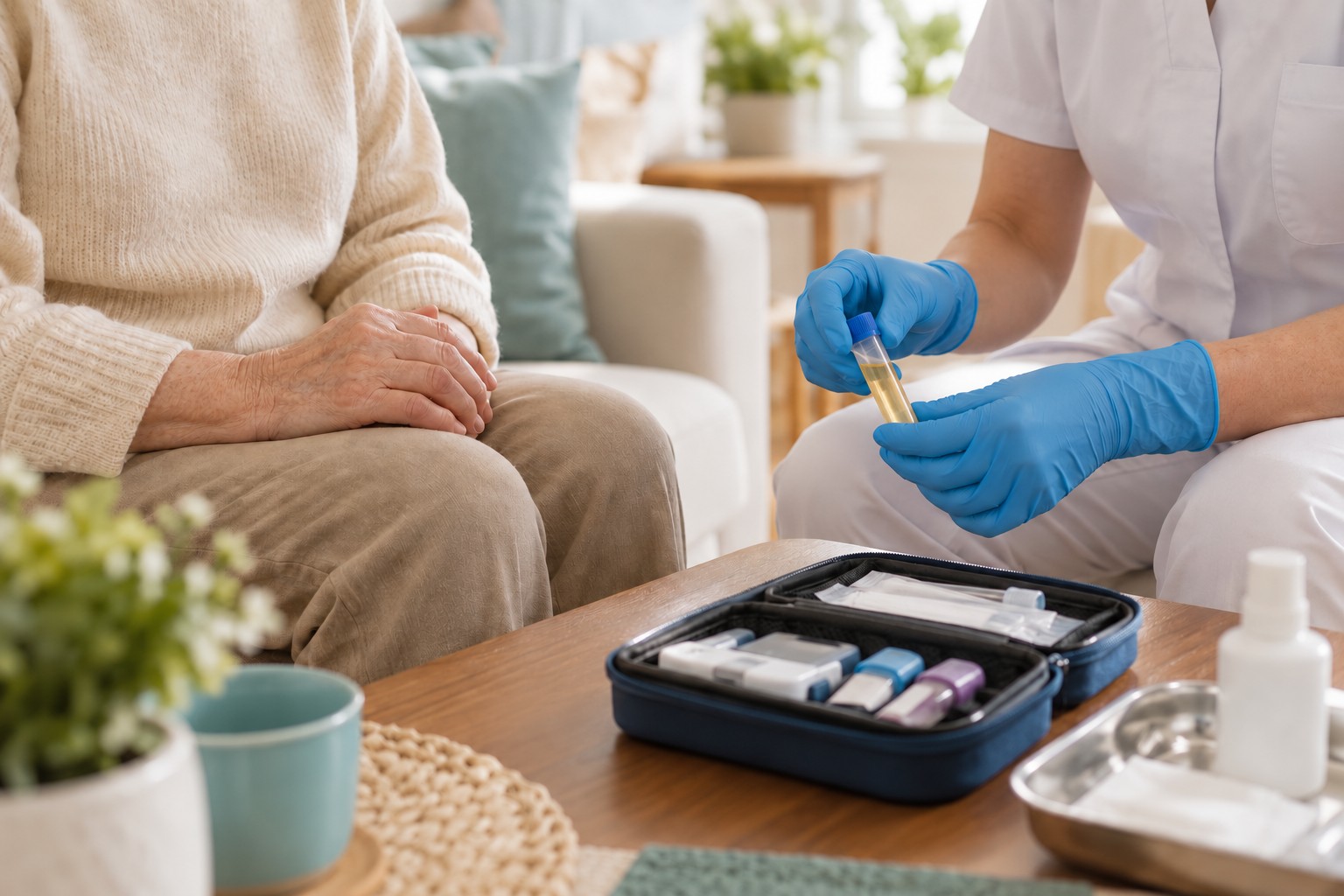
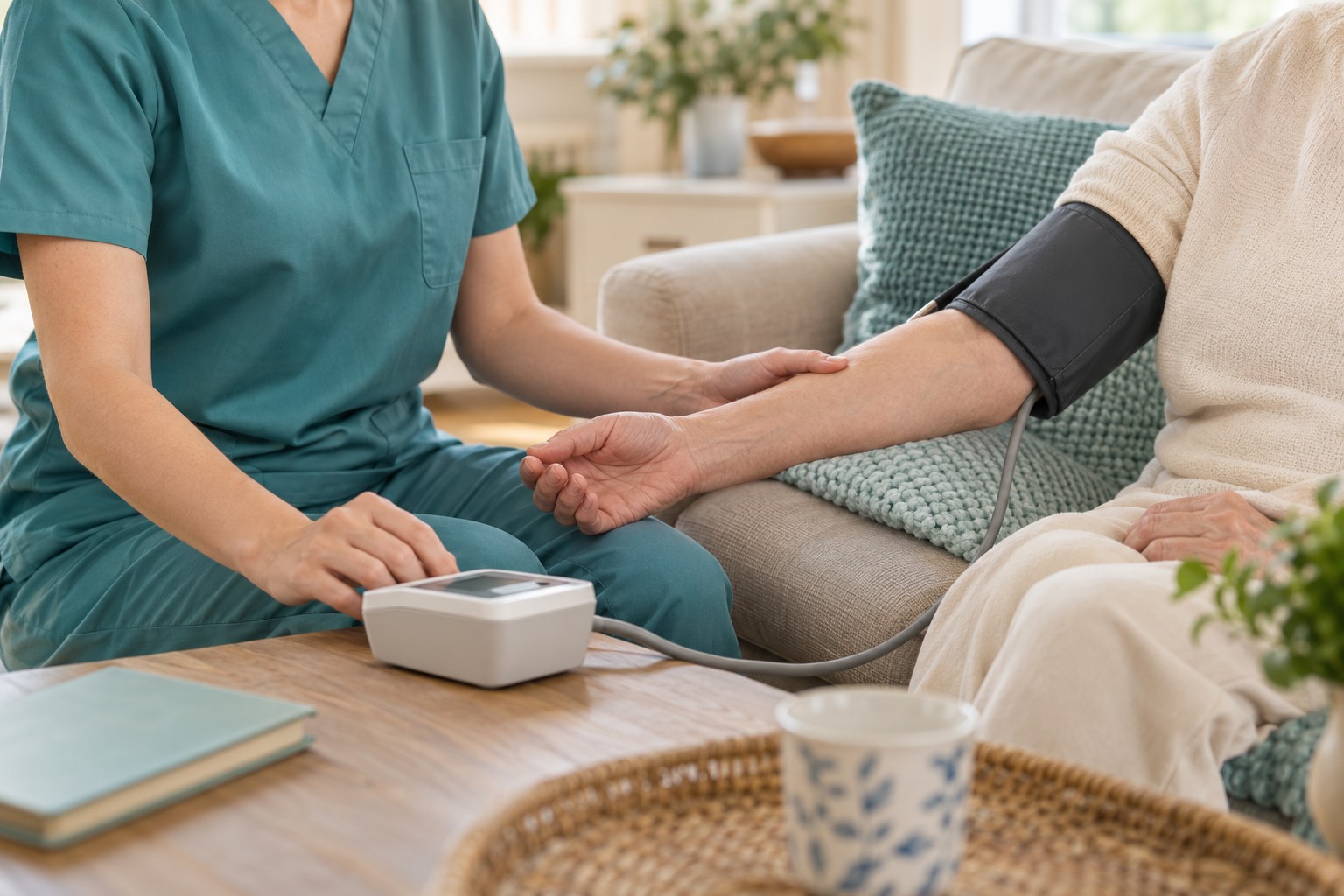
- Blood pressure, pulse, temperature and oxygen level are measured; for people with diabetes, blood sugar is checked as well.
- Medicine boxes are compared with the current prescription, and the nurse checks whether doses are being taken at the right times.
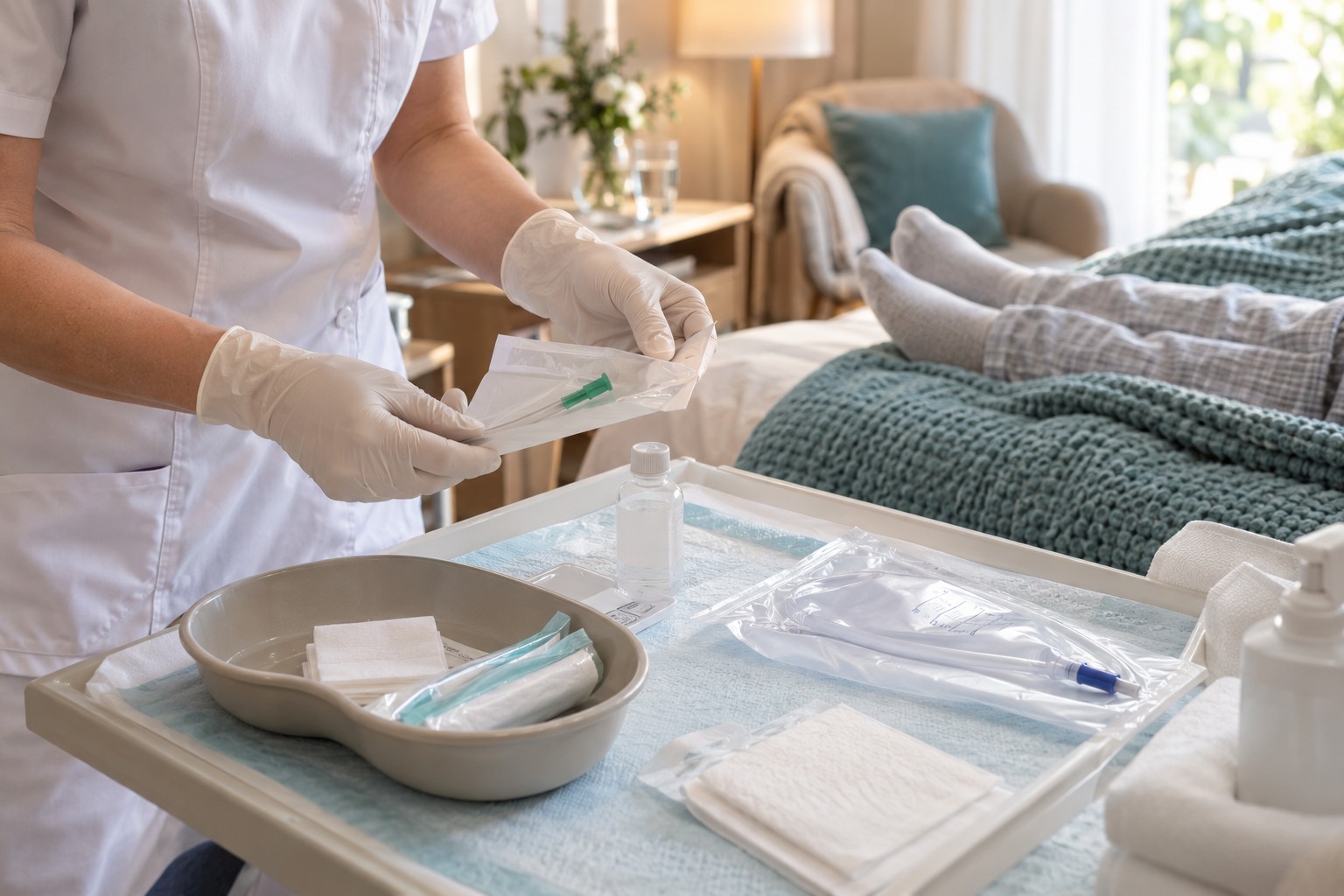
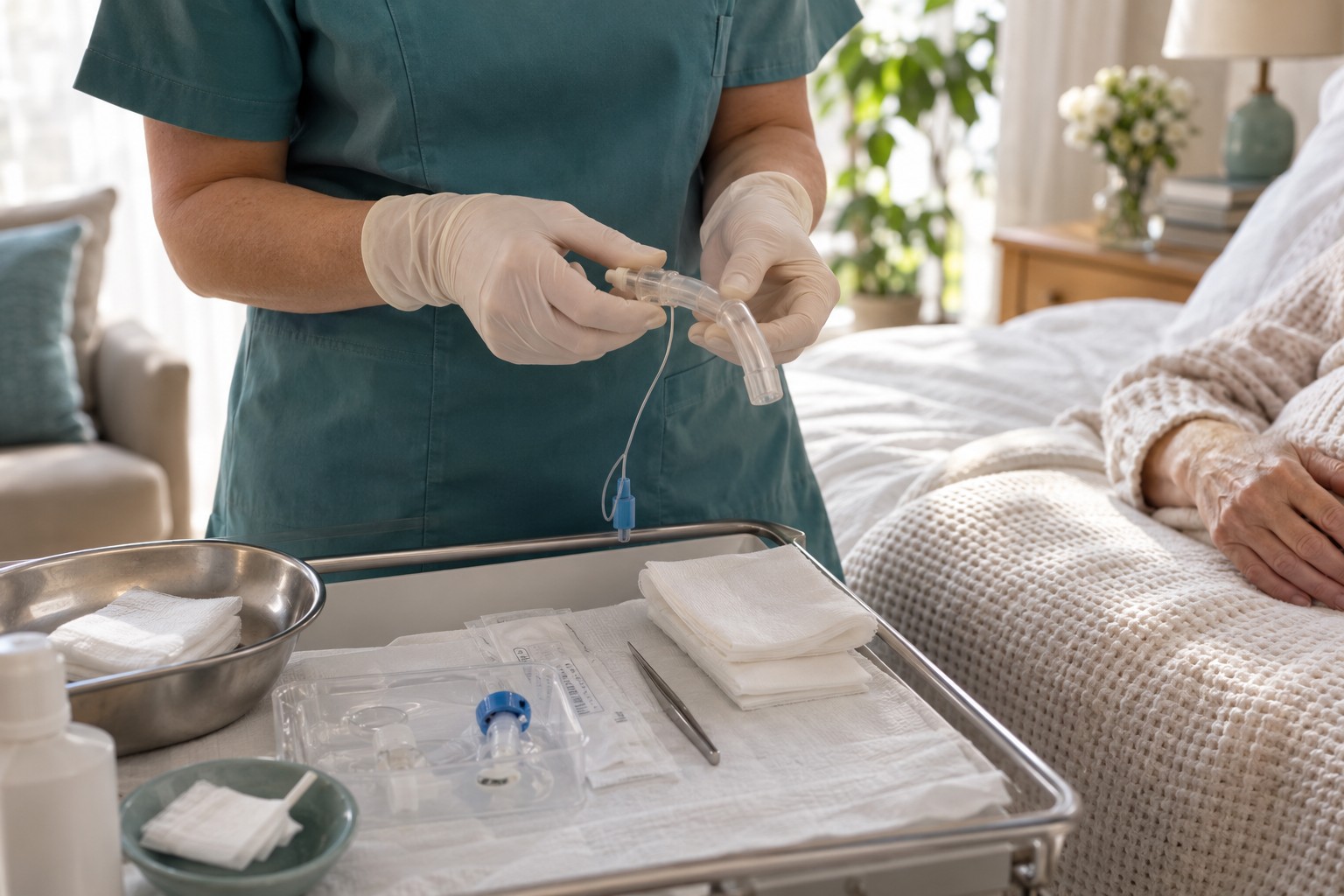
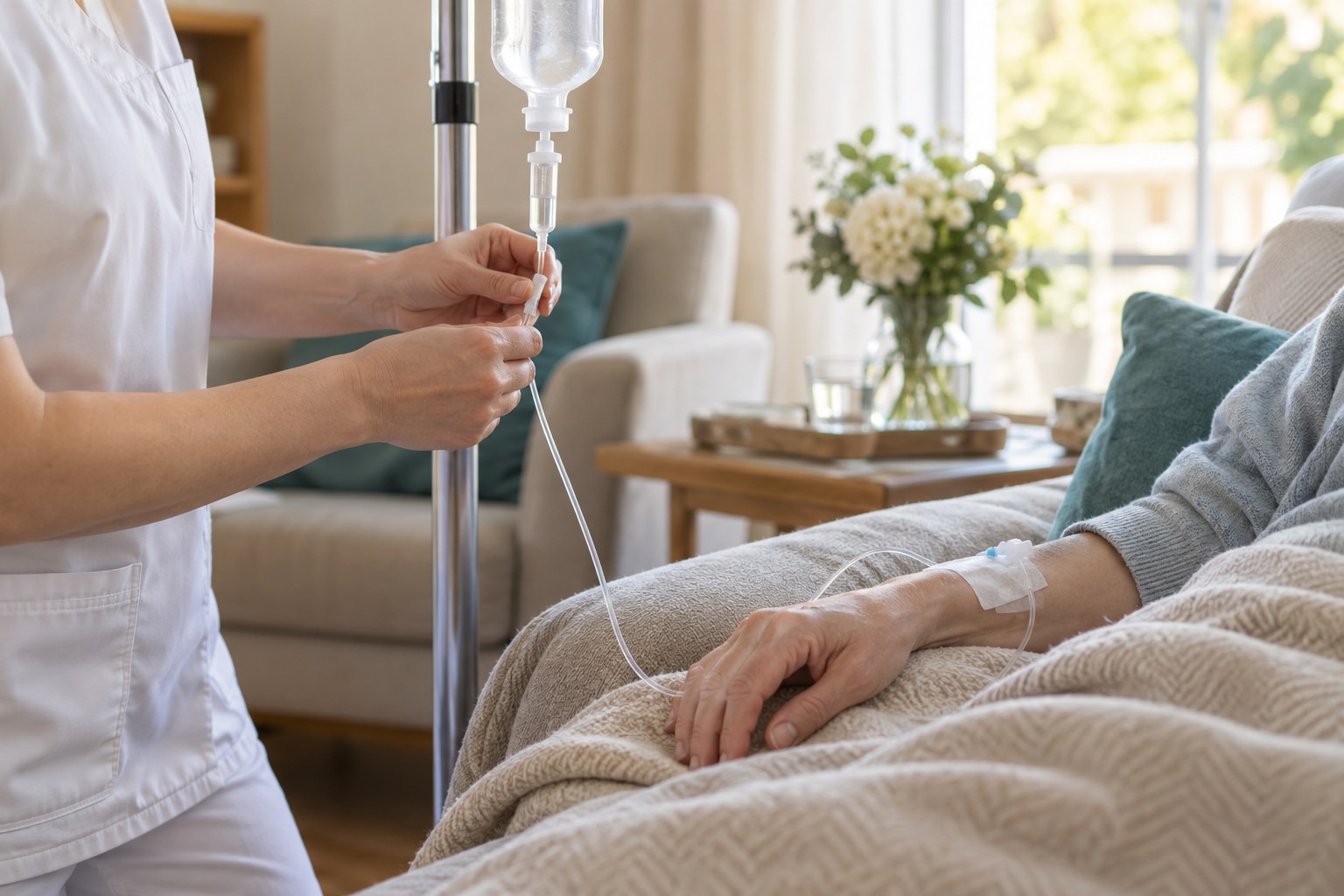
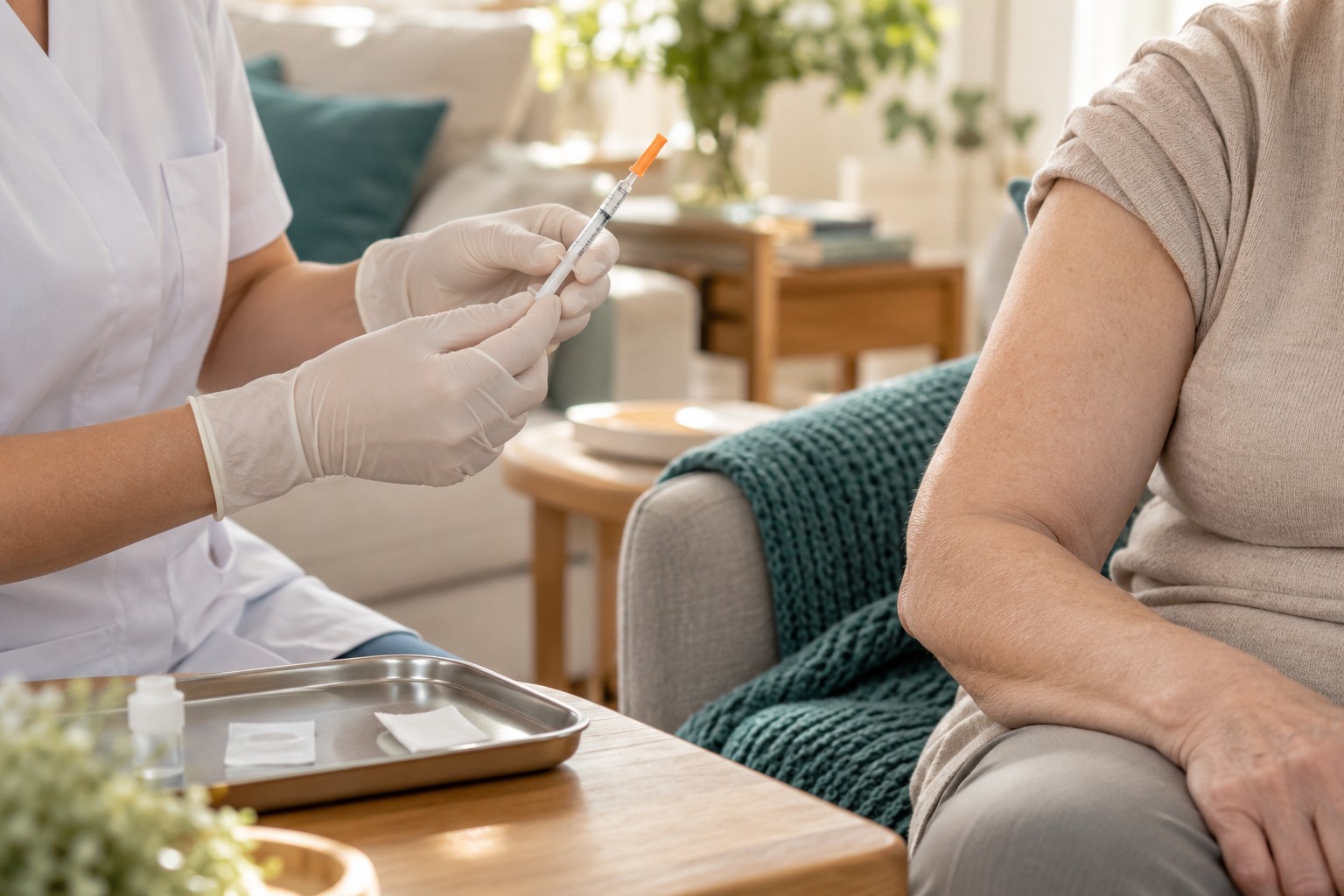
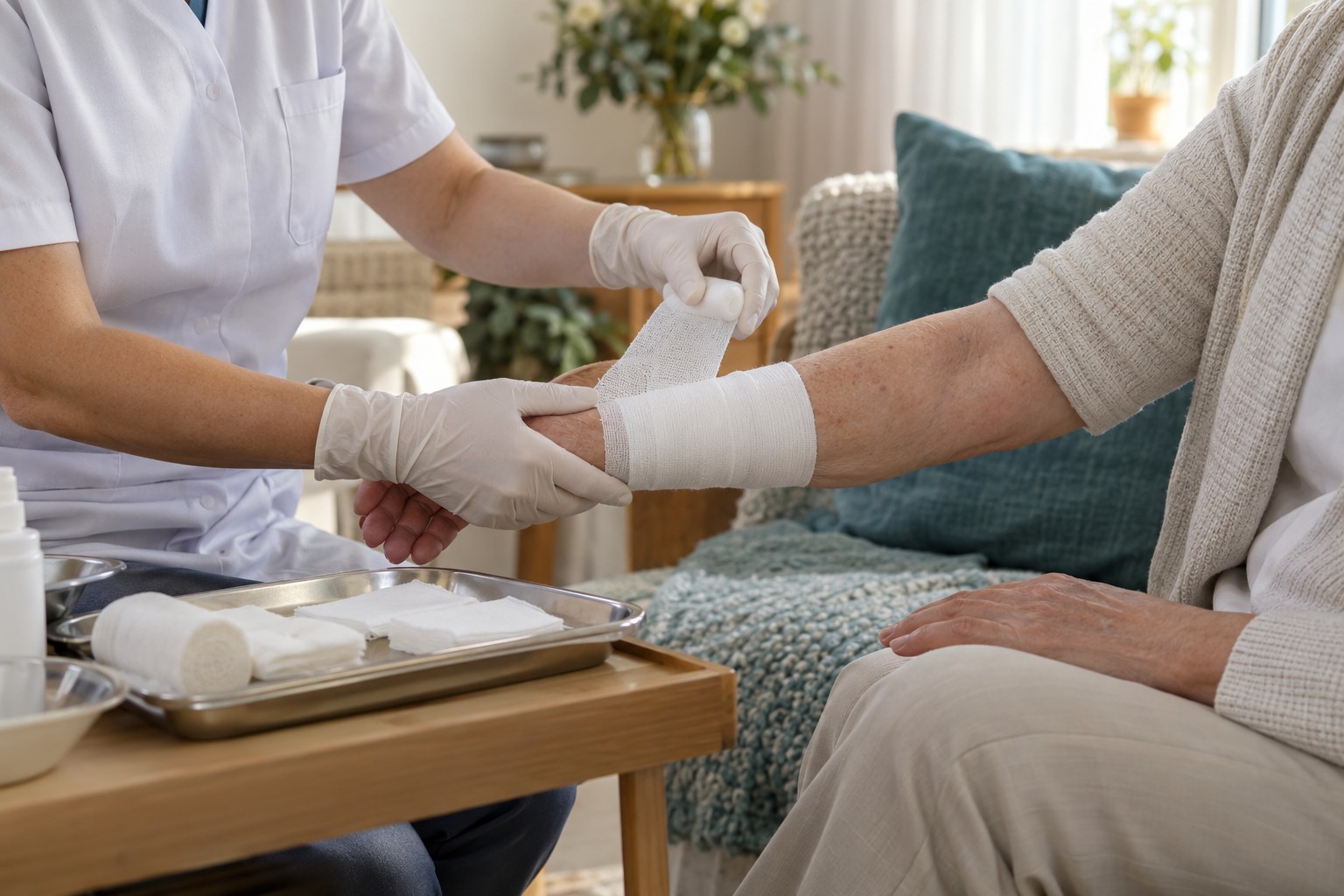
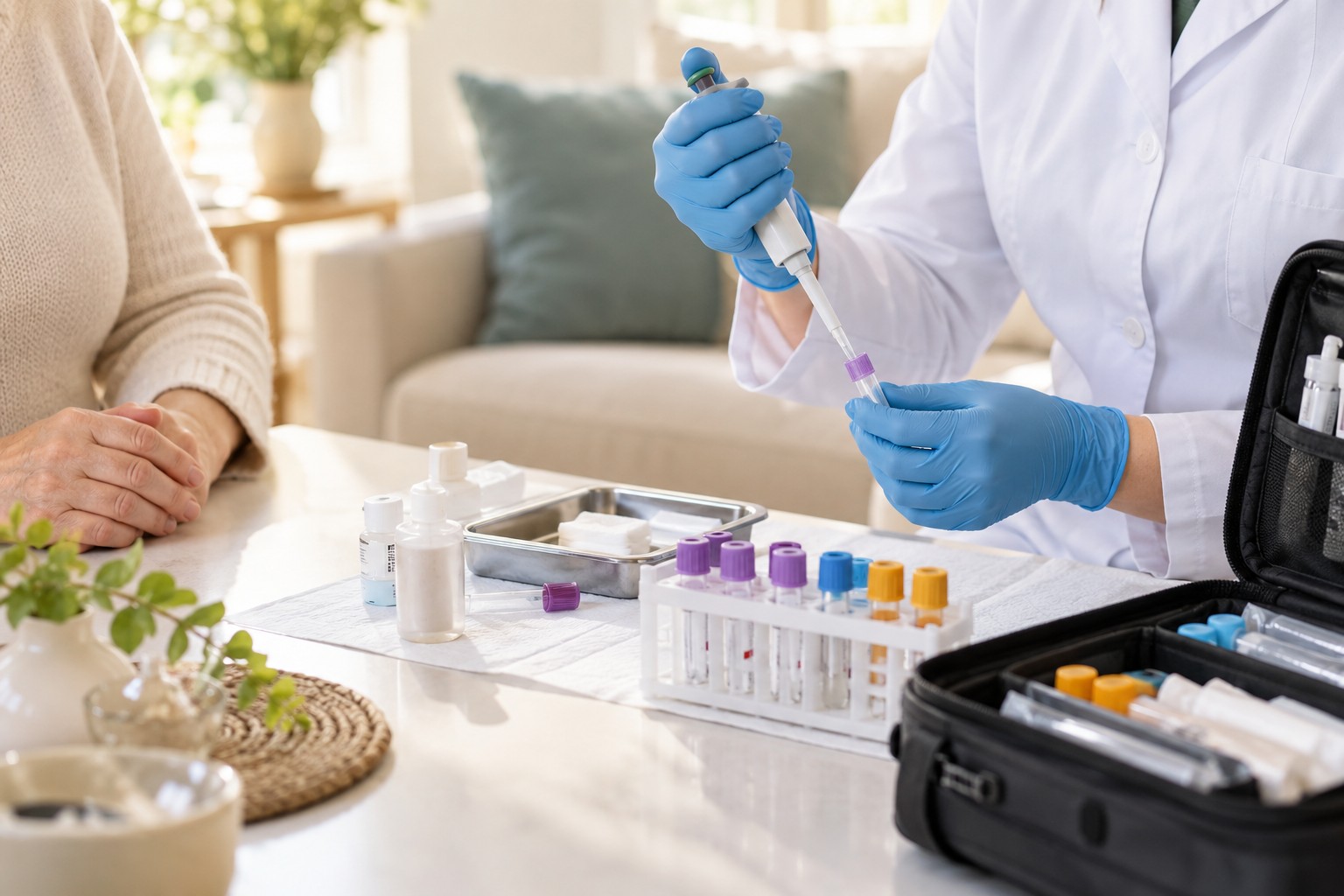
- Procedures ordered by the doctor, such as dressings, injections or IV drips, are carried out with sterile, single-use materials.
- In patients who have been bedridden for a long time, the skin is checked for redness and signs of pressure.
- Measurements and observations are recorded; any unexpected change is reported to the doctor.
When the visit ends, the medical waste leaves the address with the nurse. The records kept are protected as health data under KVKK (Turkish Personal Data Protection Law No. 6698) and show where to pick up at the next visit. Relatives can also join the visit and ask the nurse about medication times and the symptoms to watch for.
Documents to prepare for the first visit
The first visit sets out the roadmap for all the visits that follow. If you have just come home from hospital, gather the discharge summary (epicrisis), current prescriptions, the boxes of the medicines being taken and the latest test results in one folder. The doctor's contact details and any known allergies should go in the same folder.
Based on these documents, the nurse agrees with you which measurements will be taken and how often, and which symptoms will be passed on to the doctor. In older people taking medicines prescribed by more than one doctor, problems such as two drugs with similar effects being taken at the same time can be spotted at this stage and discussed with the doctor.
The notes you keep between visits are at least as valuable as these documents. Writing a few words about changes in sleep, appetite, toilet habits and mood helps the nurse see the whole picture. If you collect the questions on your mind in a list before the visit, you won't miss any of them, even in a short conversation.
Nursing support in the first days after surgery
Being discharged doesn't mean recovery is over; it means recovery continues at home. During this period, the nurse checks the incision line, helps make sure painkillers are taken according to the schedule on the prescription, and gives the subcutaneous injections prescribed to prevent blood clots. If your surgeon recommends getting moving early, the nurse also accompanies the first steps so they can be taken safely.
There are some warning signs that relatives should know. If you notice redness spreading around the incision, increasing discharge, fever, or swelling and pain in one calf, inform your doctor; in case of sudden shortness of breath or chest pain, call 112 without waiting.
For patients whose wounds are slow to heal, wound care at home, and for those who need to regain their mobility, physiotherapy at home complement nursing support. When services are planned together, visit times can also be arranged so that they don't clash.
Why is regular monitoring important in chronic illness?
Regular monitoring matters in chronic illness because problems usually don't appear overnight; they build up quietly. In long-term conditions such as diabetes, high blood pressure, heart failure or COPD, the trend over several days tells you more than a single measurement. Slowly rising blood pressure or increasing ankle swelling is a valuable clue for the doctor to review the treatment.
Alongside measurements, small but effective habits are also built during visits. The nurse checks whether bronchodilator sprays (inhalers) are being used with the right technique, explains why people with heart failure should weigh themselves every morning under the same conditions, and goes over the signs of low blood sugar together with relatives. When the doctor needs to see the patient in person, a doctor home visit can be arranged.
Follow-up continues even when the address changes
Nursing follow-up doesn't have to stop once the patient starts going out again. Measurements that began at home in Üsküdar can continue during working hours when the patient goes back to their office in Beşiktaş; check-ups for a guest from out of town staying at a hotel can also be done in their room. Keeping follow-up on the same plan means the measurements remain comparable with one another.
Curavita Evde Sağlık serves all 39 districts across Istanbul. Because the need for a nurse often arises unexpectedly, the call center is open day and night; when circumstances allow, a visit can be scheduled the same day. From a one-off procedure to weeks of regular follow-up, the plan for home nursing visits is drawn up by considering your doctor's recommendation and the patient's needs together.