
About Kadıköy Physiotherapy at Home
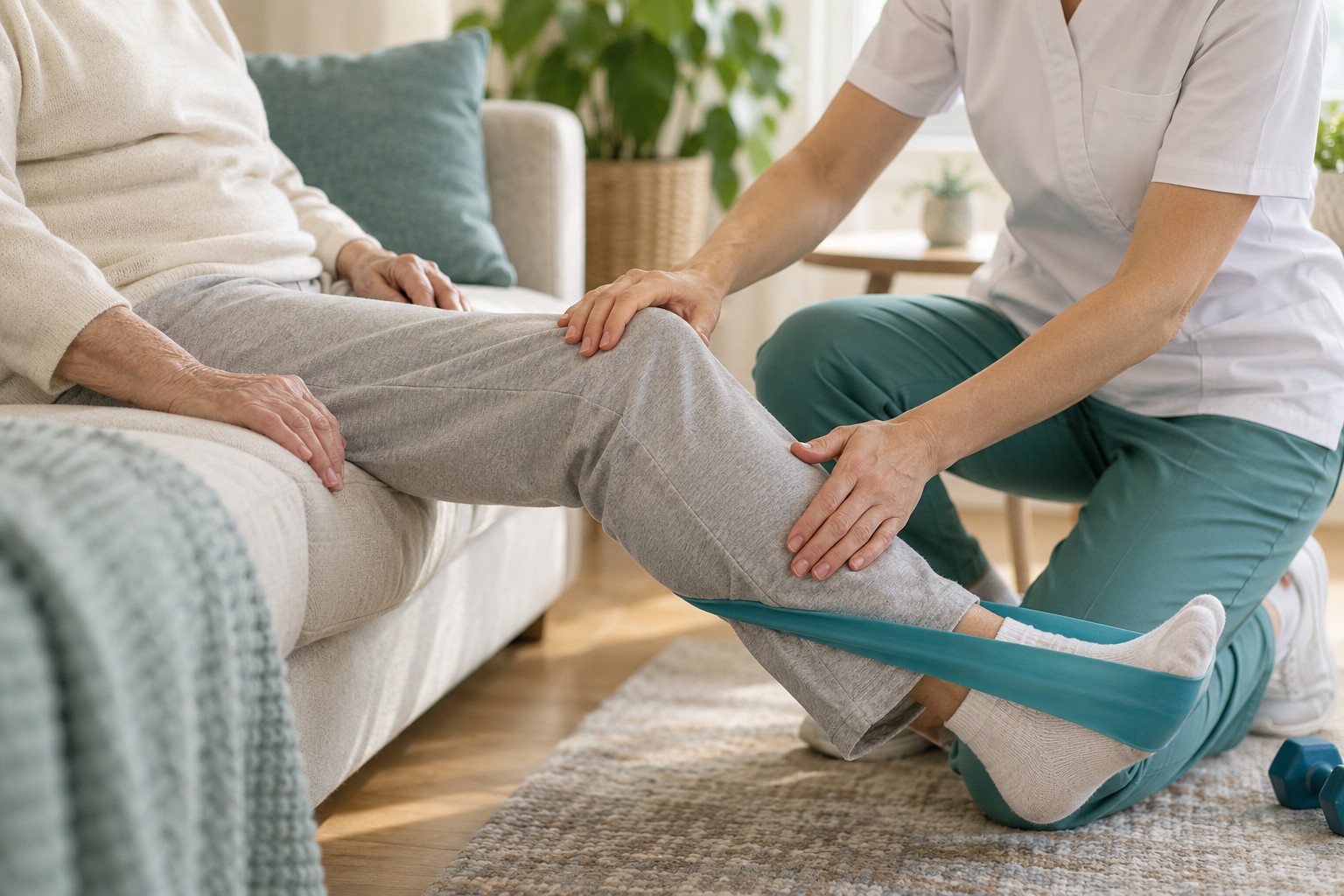
After surgery, a stroke or a sports injury, goals are often very concrete. You want to be able to get out of bed on your own, walk to the kitchen or go down the stairs without fear. Physiotherapy at home lets you work on these goals exactly where you will achieve them: in your own home. Your physiotherapist plans the exercises around your hallway, your armchair and your bathroom, not around the standard layout of a hospital gym.
How are the goals of physiotherapy at home set?
The rehabilitation program is shaped by your doctor's assessment and the measurements the physiotherapist takes at the first visit. Range of motion, muscle strength, balance and walking pattern are examined, and the movements that make the pain worse are noted. Short- and long-term goals are discussed with you, because it matters that the program is meaningful to you just as much as it matters that it is realistic. If no doctor's assessment has been made yet, this first step can be taken with a doctor home visit.
After surgery
After a hip or knee replacement, spinal surgery or ligament surgery, the first aim is to safely regain movement within the limits set by the surgeon. The recommendations of the doctor who performed the operation on weight-bearing, joint angles and exercise intensity are followed. If the surgical site still needs dressing changes, a plan can be made together with our wound care at home service.
After a stroke
For people who have had a stroke, the work usually focuses on sitting balance, moving from bed to chair, using the arm and hand in everyday tasks, and walking. Working at home helps carry newly gained skills straight into real life; even holding your own glass of tea can become an exercise. For patients who have been in bed for a long time, home care support for daily care needs can also be considered. If you notice new symptoms such as slurred speech, facial drooping or sudden weakness on one side of the body, call 112 without waiting.
After an injury
In cases such as a sprained wrist or ankle, the removal of a cast after a fracture, or meniscus and ligament strains, the aim is to get the stiffened joint moving again and to build up muscle strength in a balanced way. When needed, portable electrotherapy devices can be used in treatments aimed at relieving pain. The pace of the program is adjusted to how healing progresses and to your doctor's recommendations.
What happens in a session at your home?
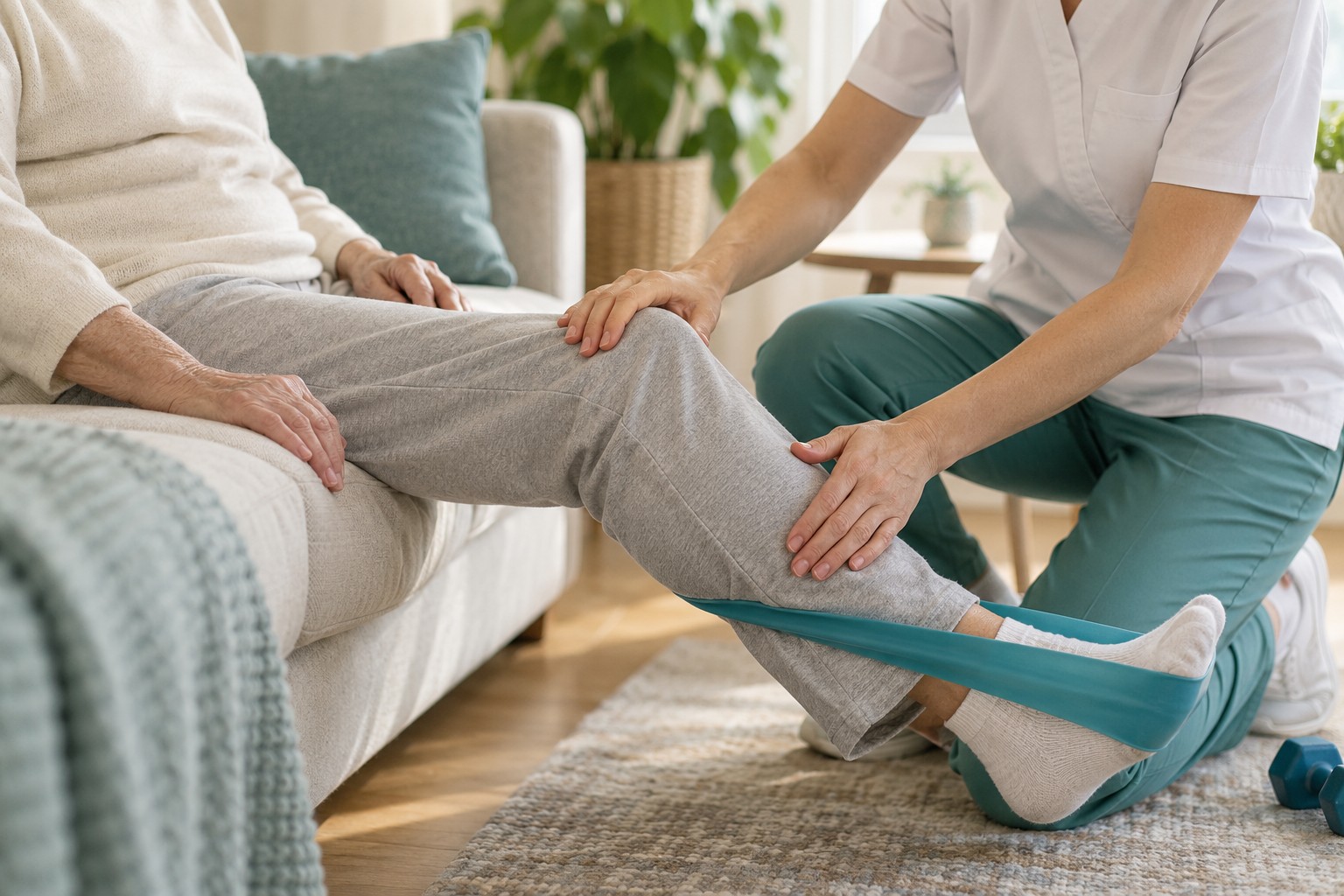
A session starts with a short chat; the physiotherapist asks how your pain, sleep and daily movements have been since the last visit. This is followed by warm-up exercises, exercises aimed at the goals in your program and, if needed, treatments such as electrotherapy. The work is done in your bed, on your chair or in your hallway, in other words in the spaces you use in real life. Not eating a heavy meal right before the session and keeping your water bottle nearby is all the preparation you need.
At the end of the session, your therapist shows you the exercises to do on your own until the next visit and checks with you that you are doing them correctly. This home program keeps rehabilitation going between sessions. If unusual tiredness, dizziness or pain is noticed during exercise, the work is paused and the situation is shared with your doctor.
Make your home a safe space for exercise
During physiotherapy at home, reducing the risk of falls is just as important as the exercises themselves. At the first visit, your home is also looked at with this in mind, and small adjustments are suggested:
- Remove slippery rugs, cables and objects in front of thresholds from the path you will walk.
- Set aside a sturdy chair with armrests and no wheels for exercising.
- Use a small lamp to light the way from the bedroom to the bathroom at night as well.
- Make sure there is a non-slip mat in the bathroom and a sturdy support you can hold on to.
- Always keep walking aids such as a cane, walker or crutches within reach.
- Choose shoes with non-slip soles and clothes that don't restrict movement.
The role of family members in rehabilitation
Family members are an important source of support in keeping up with the home program. Give your loved one the chance to do their exercises on their own; doing every movement for them can delay the independence they need to regain. Don't hesitate to ask the physiotherapist during the session when you should help and when you should step back. Learning where and how to support your loved one when they move from bed to chair protects both their safety and your back.
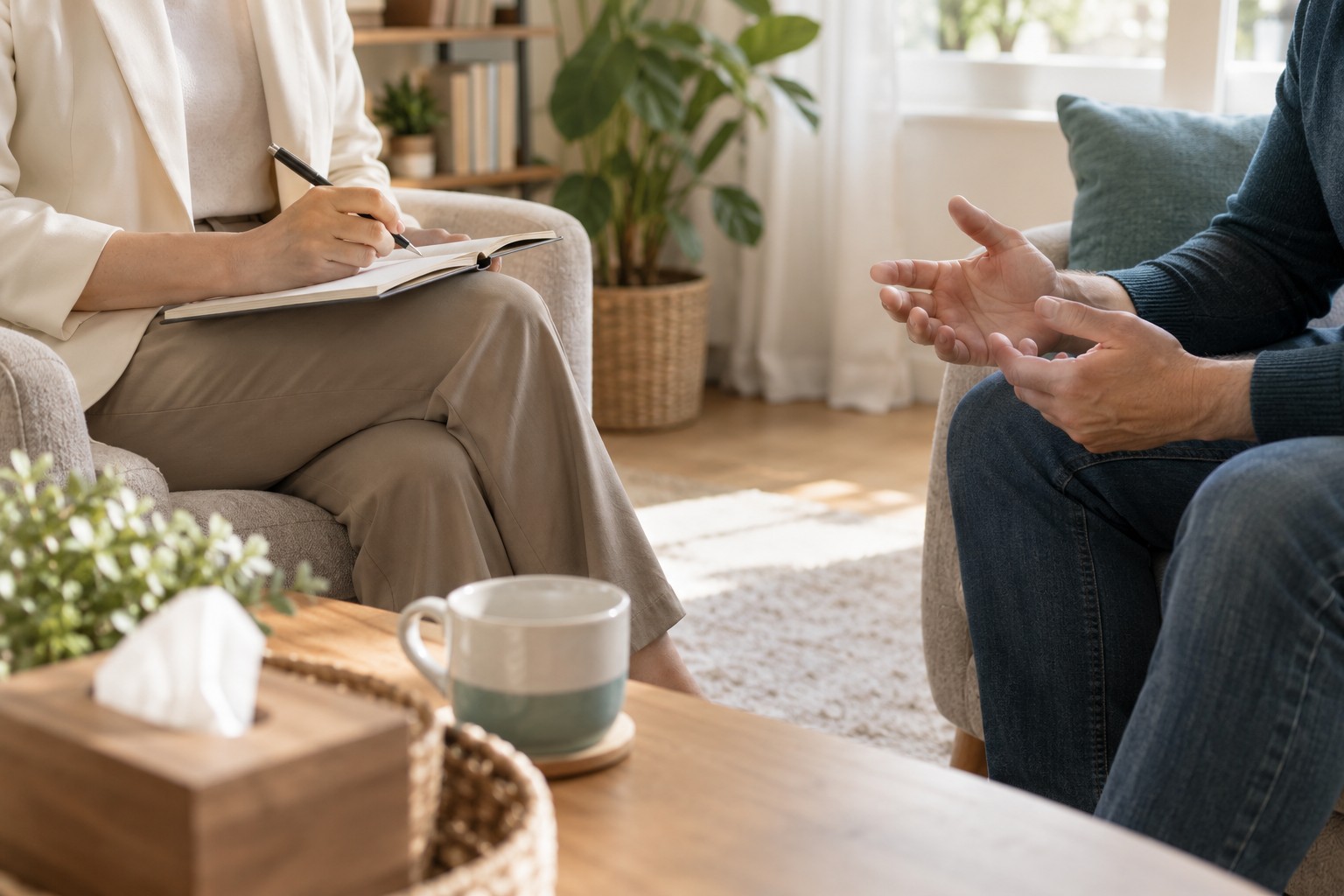
Noting small progress in a notebook keeps motivation alive; standing up without support for the first time or walking one more lap of the hallway are steps worth recording. A long recovery period can sometimes also lead to low mood. If you notice this, getting psychological support at home may also be an option.
Planning regular sessions in Istanbul
Rehabilitation is not a process completed in a single visit; how often the sessions take place and the total length of the program are determined by your goals and your doctor's recommendation. Because Curavita Evde Sağlık makes home visits in all 39 districts of Istanbul, living in Bakırköy or Ümraniye does not stop you from setting up a regular plan. We get back to your request in about 3 minutes on average, and a suitable day for the first assessment is set together with you. Our organization is licensed with a certificate of conformity (Uygunluk Belgesi) from the Provincial Health Directorate; physiotherapy services are also carried out under the responsibility of our responsible manager and in compliance with health regulations.