
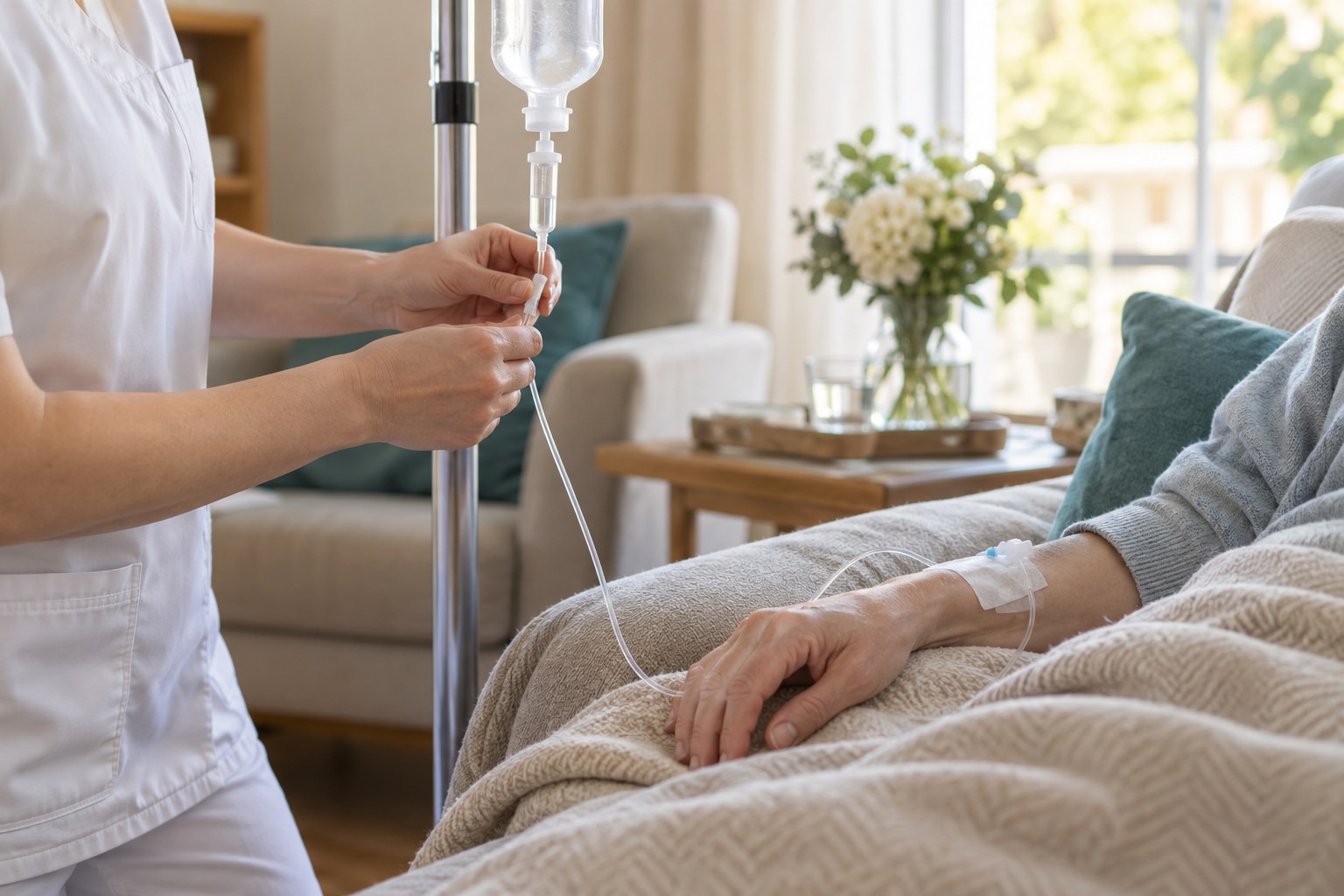
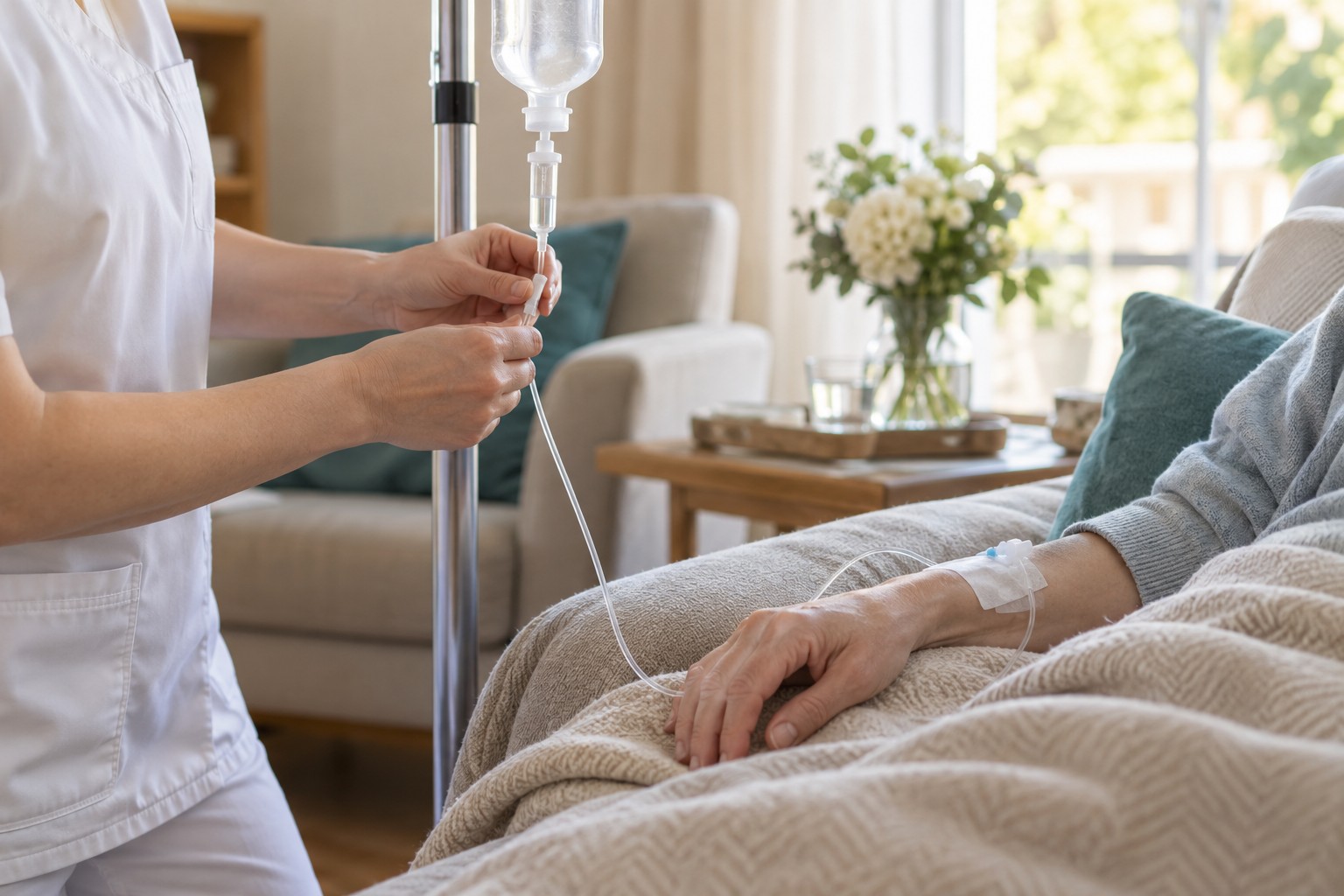
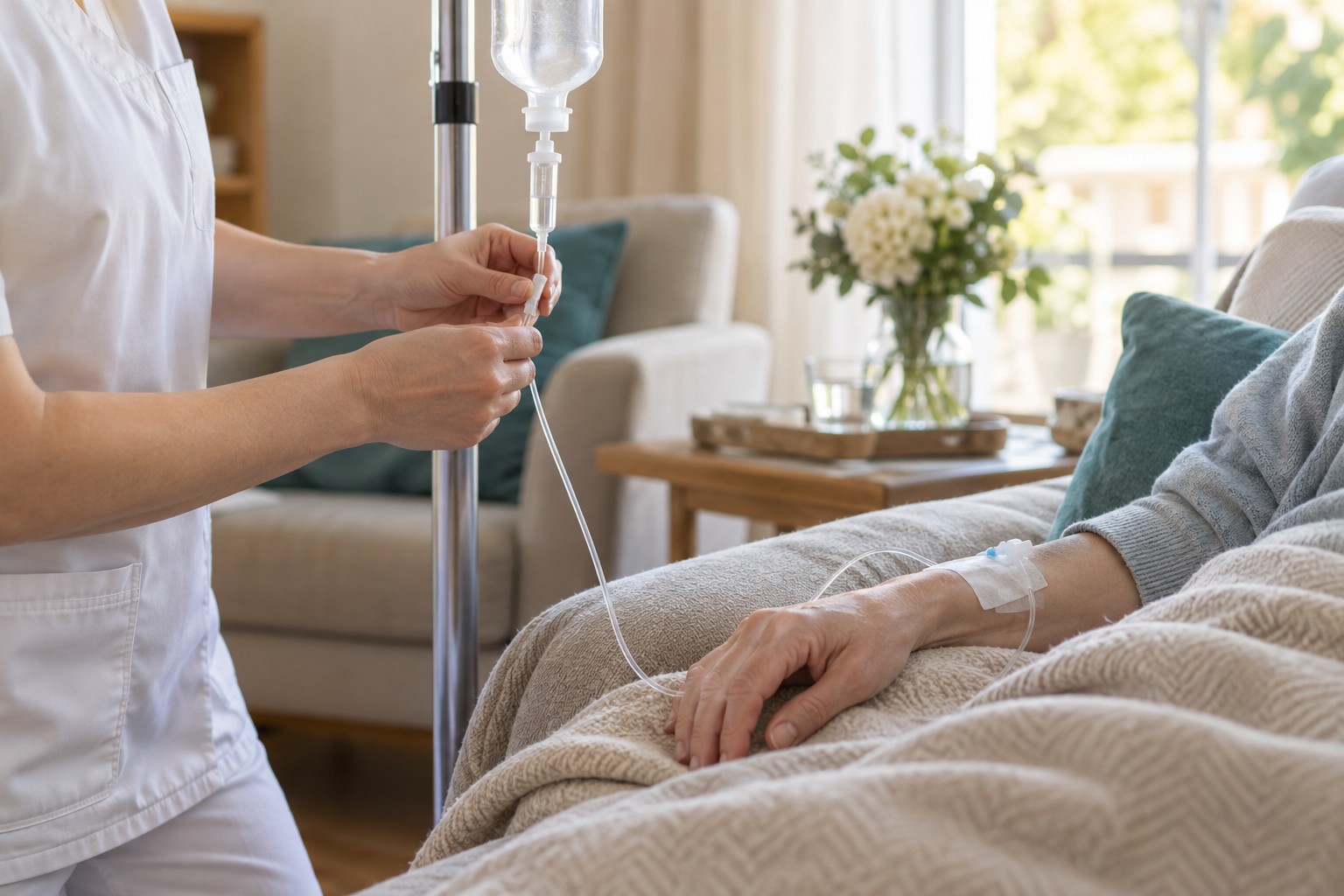
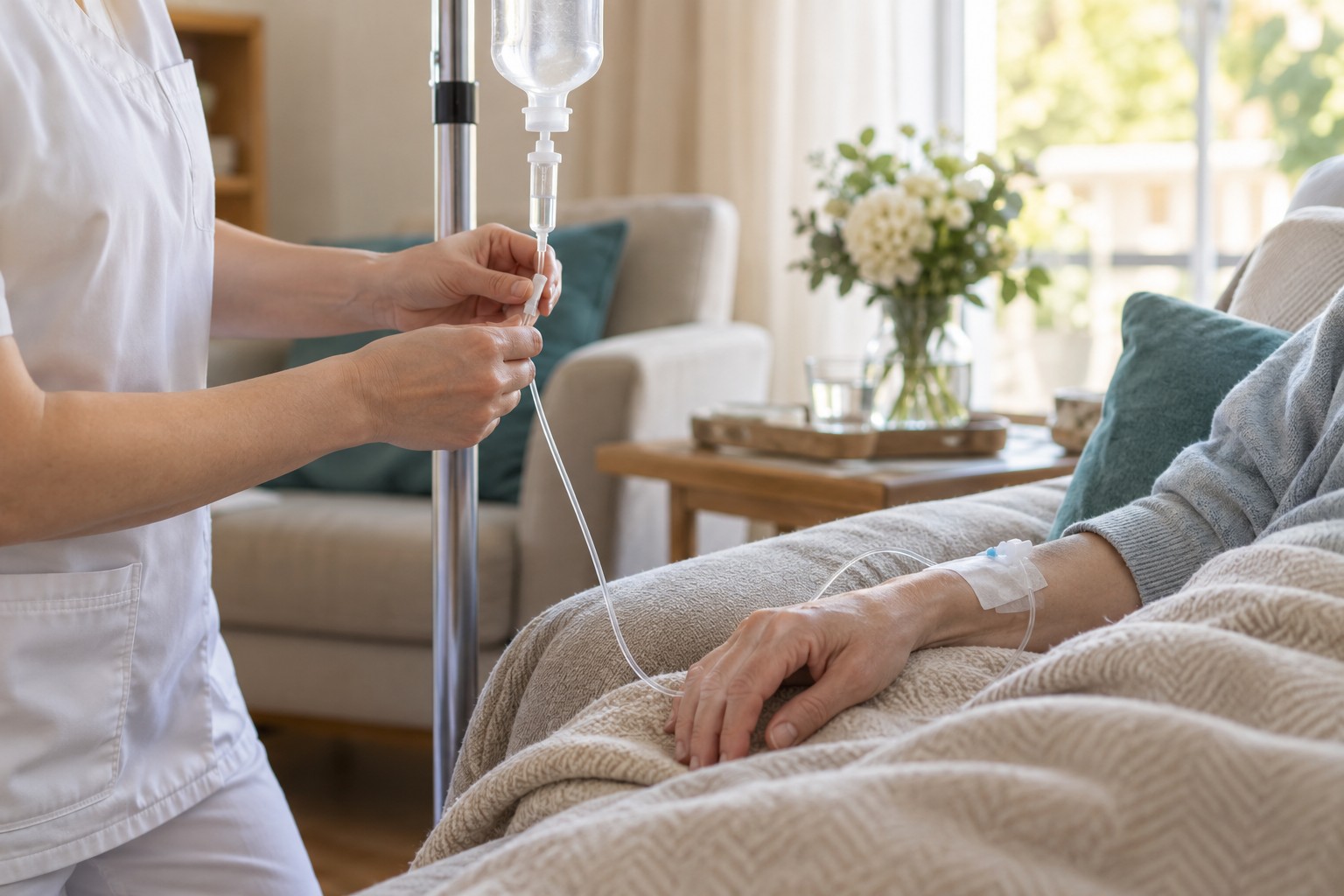
About Tuzla IV Drip at Home
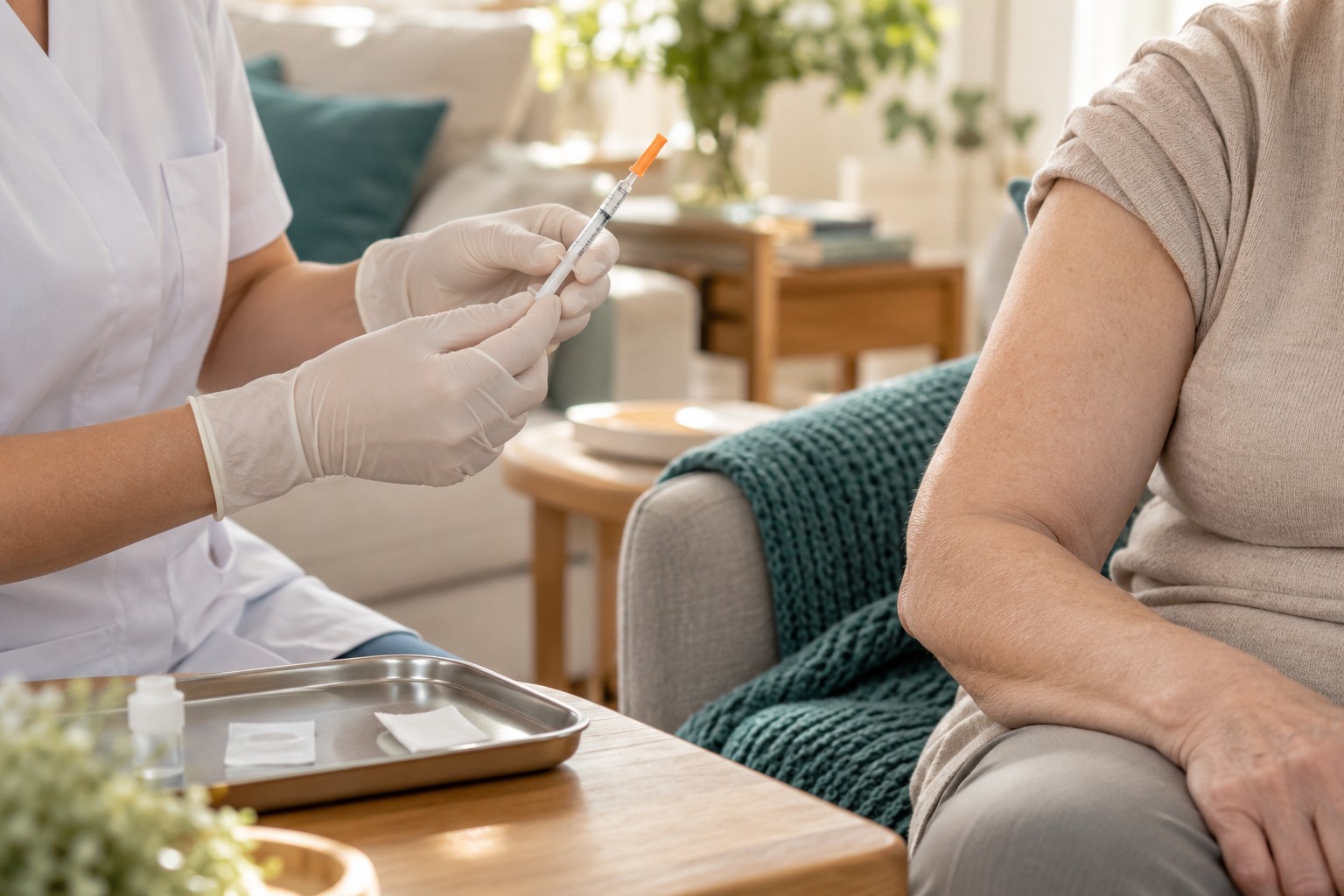
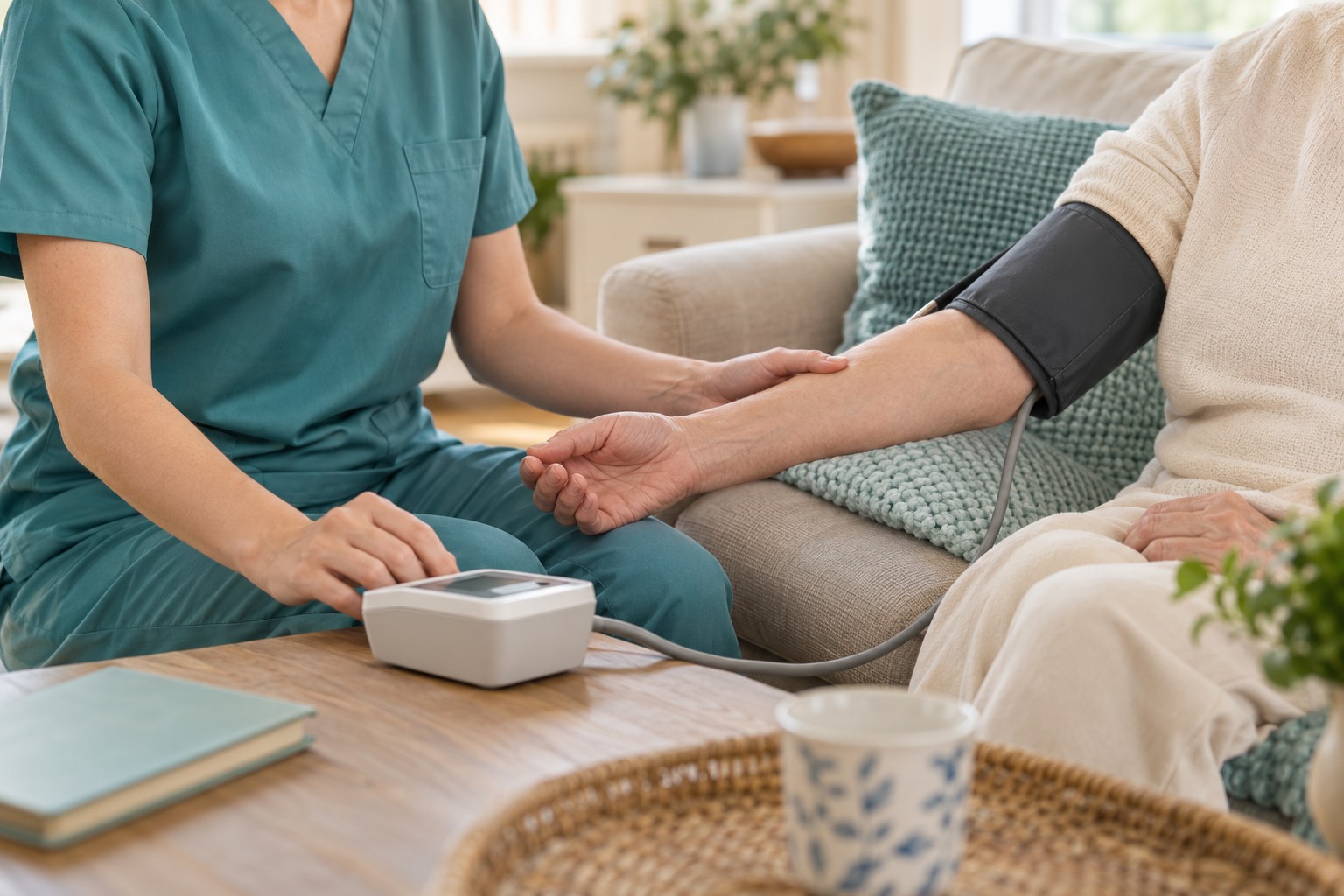
When your doctor decides that fluids, vitamins or a medication should be given intravenously, most people first picture hours spent in a hospital chair. Yet if your general condition allows, the same treatment can also be planned as an IV drip at home. The nurse comes to your address prepared in line with your prescription; that address can be your home, the office where you work or the hotel where you are staying.
Whether an IV drip is needed, what it contains and how many days it lasts are always decided by your doctor. This article focuses on what comes after that decision: who home administration is suitable for, the safety steps followed from prescription to first drop, and how you can prepare for the day of treatment.
Who is an IV drip at home suitable for?
An IV drip at home is suitable for people for whom the doctor considers intravenous treatment appropriate and whose general condition is stable enough to be monitored at home. In practice, it is most often chosen for:
- People who have difficulty moving, are bedridden or are of advanced age.
- Those who need to continue intravenous treatment for a few more days after being discharged.
- Patients with weakened immunity who are advised to stay away from crowded waiting rooms.
- Those who cannot leave a young child, or a relative they care for, alone at home.
- Working people whose schedule does not allow them to spend hours at a clinic during the day.
- Guests visiting the city for work or a vacation who must keep up with their treatment while staying at a hotel.
Not every situation is suitable for home treatment. For someone whose blood pressure drops markedly, who becomes confused or who has severe shortness of breath, the right step is not booking an IV drip but calling 112. The first dose of some medications may also need to be given in the hospital; your doctor makes that call.
From prescription to first drop: the safety steps
The foundation of safe administration is a complete prescription. It should clearly state the name and dose of the medication, the volume of the IV fluid, how many days the treatment will last and, where necessary, how long it should be given over. Where your doctor cannot decide without seeing you, an assessment can be carried out at your address with a doctor home visit.
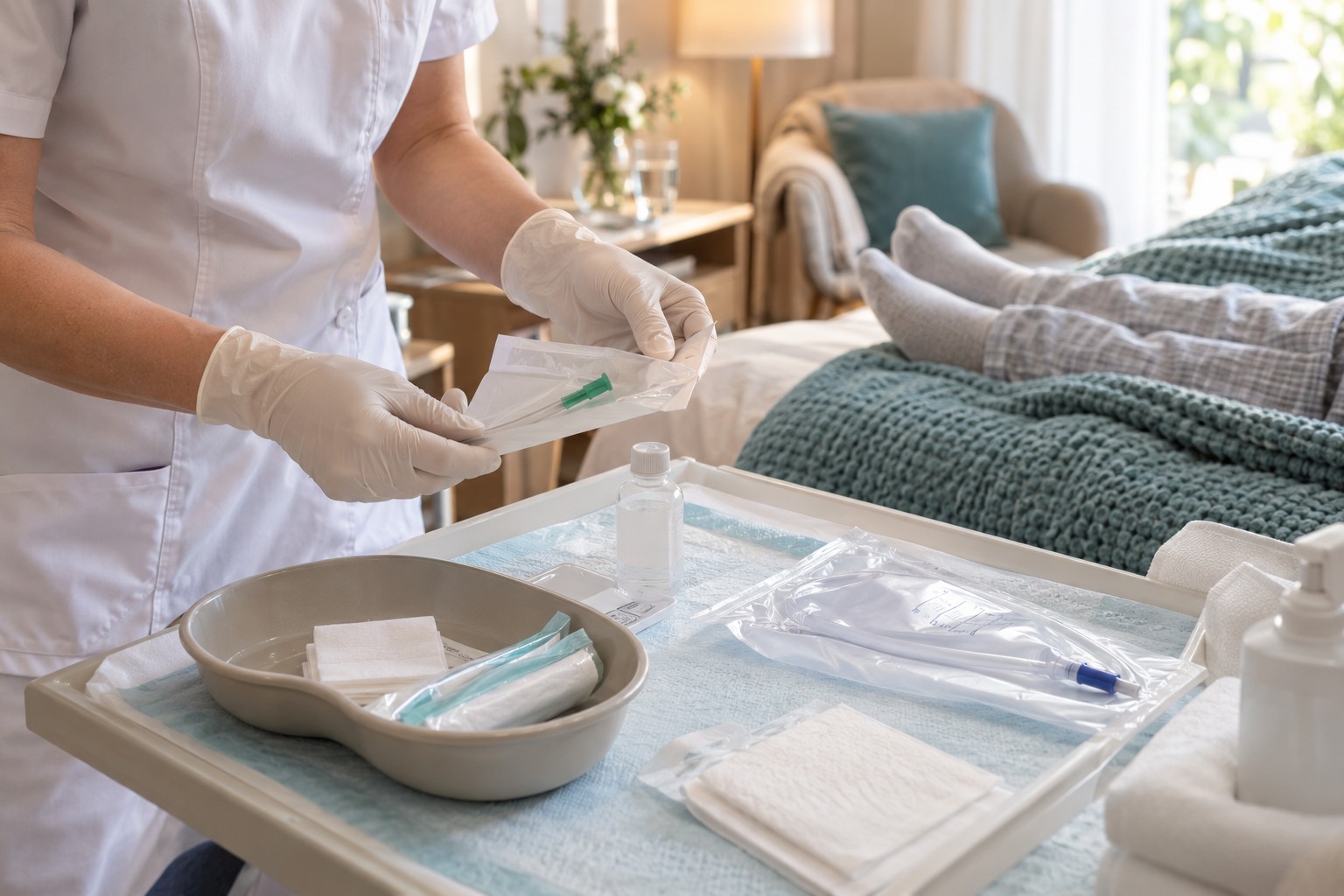
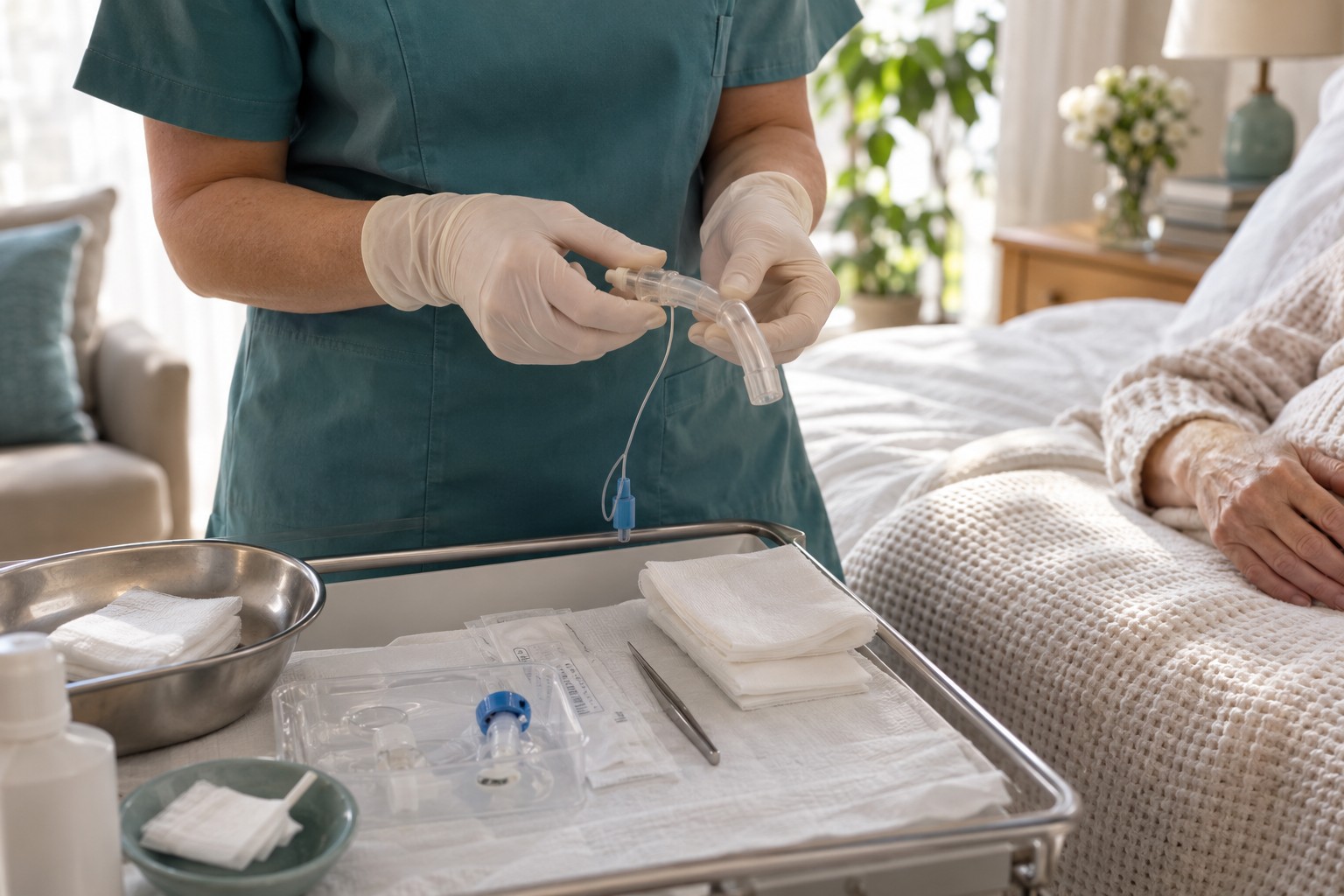
Before preparing the IV drip, the nurse verifies five points one by one: identity, prescription, medication, dose and expiration date. They then perform hand hygiene, choose a suitable vein and place the IV line using sterile, single-use materials. The drip rate is not set at random but according to the instructions in the prescription, because some medications must be given slowly, and in people with heart or kidney problems, fluid given too quickly can put a strain on the body.
When the drip is finished, the used set, cannula and empty bags are not left at your address as medical waste. Every link in this chain operates under the responsibility of the responsible manager and within the limits set by health legislation. The fact that Curavita Evde Sağlık is licensed under a certificate of conformity (Uygunluk Belgesi) from the Provincial Health Directorate is also part of this framework; you can read how this assurance works under quality and patient safety.
How to prepare for the day of treatment
A few small preparations make the treatment more comfortable for you and smoother for the nurse. Keep your prescription and any medications you have bought from the pharmacy together; if you have ever had an allergic reaction to a medication, tell the nurse right away. Choose clothing with loose sleeves so you can easily uncover your arm, use the bathroom before you start and, unless your doctor says otherwise, do not skip your meal.
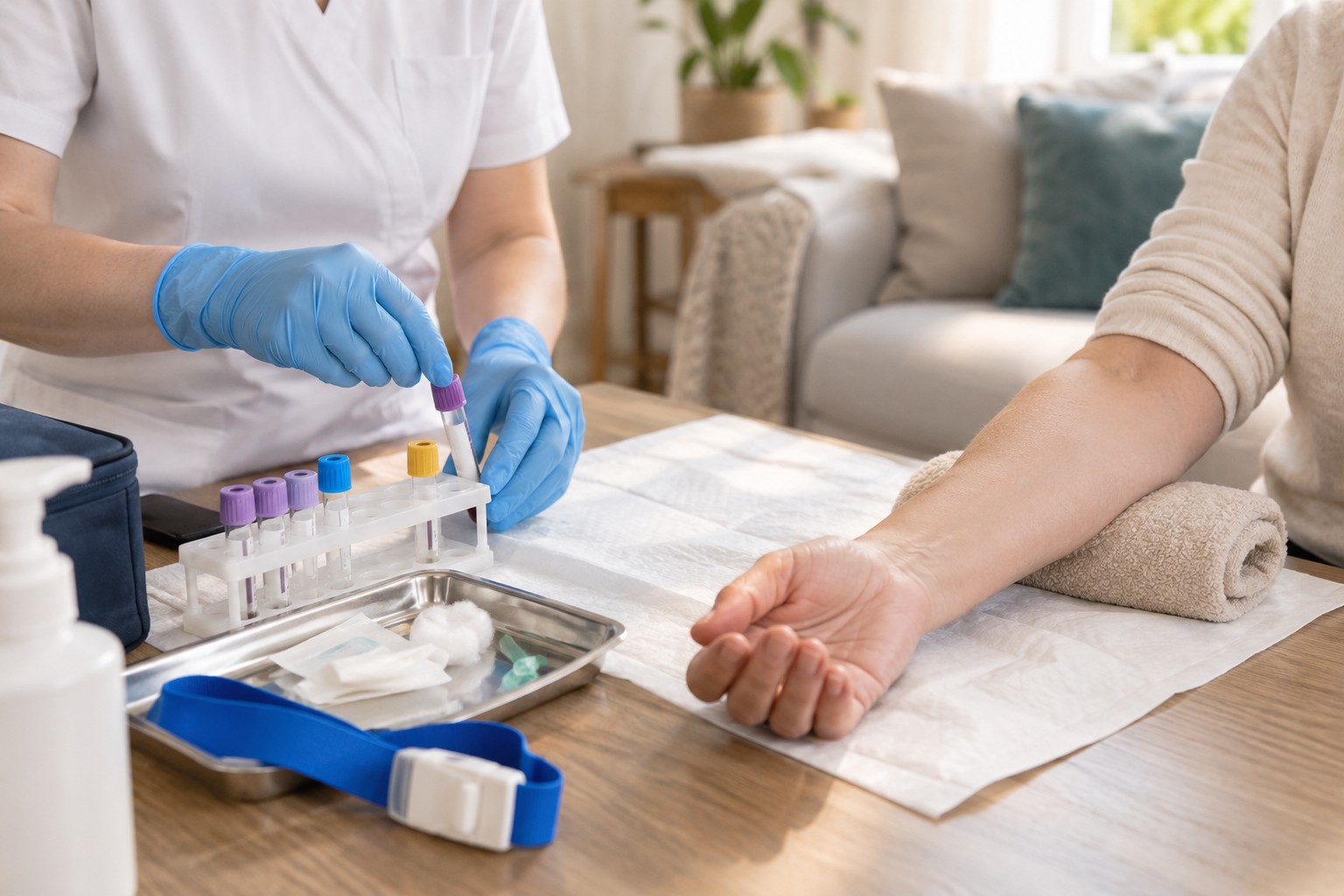
Deciding in advance where the treatment will take place also makes things easier. A chair or bed you can comfortably lean back on, in a well-lit room, is all you need. If you have a pet, it is best for it to stay in another room during the treatment, both for hygiene and for the safety of the IV tubing. If your doctor wants to see your current values before treatment, your sample can be taken at your address with our blood draw at home service.
Planning office and hotel visits
If the treatment is to take place at the office, a meeting room with a door that closes is usually enough for privacy and quiet. At your hotel in Istanbul, letting reception know in advance and giving your room number when you book speeds up the visit. We explain separately how healthcare support works during your stay on our healthcare at your hotel page.
Whether you are in an office tower in Şişli or a hotel in Fatih, the treatment follows the same safety steps; the team travels to all 39 districts of Istanbul. When you send your request for an IV drip at home to the call center, which is available 24/7, you will hear back within 3 minutes on average; if circumstances allow, a same-day appointment can also be scheduled.
The role of family members during the IV drip
While the drip is running, the most important job of family members staying with the patient is to leave the setup alone and share what they notice. Do not change the drip rate yourself, do not move the bag, and make sure the arm does not bend and pinch the tubing. If you notice burning, swelling or itching in the arm, or a rash on the skin, tell the nurse without delay.
If the treatment will last several days, keep a small notebook; write down the treatment dates, the number of days remaining and anything you want to ask your doctor. Not lifting anything heavy with the arm where the IV line was placed for the first few hours can reduce bruising at the site. In the days after the nurse leaves, keep an eye on the area; if redness or hardness increases, let your doctor know.