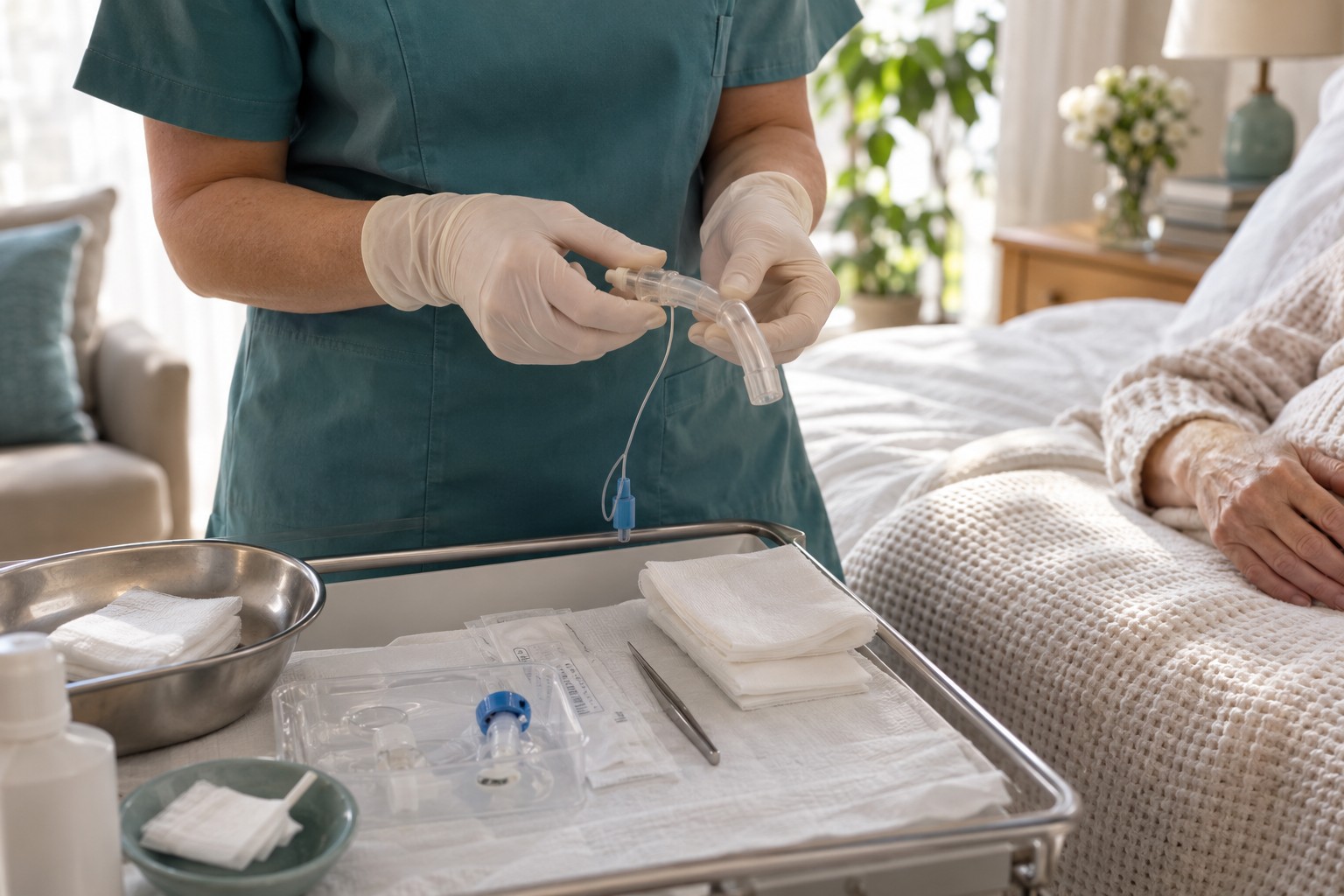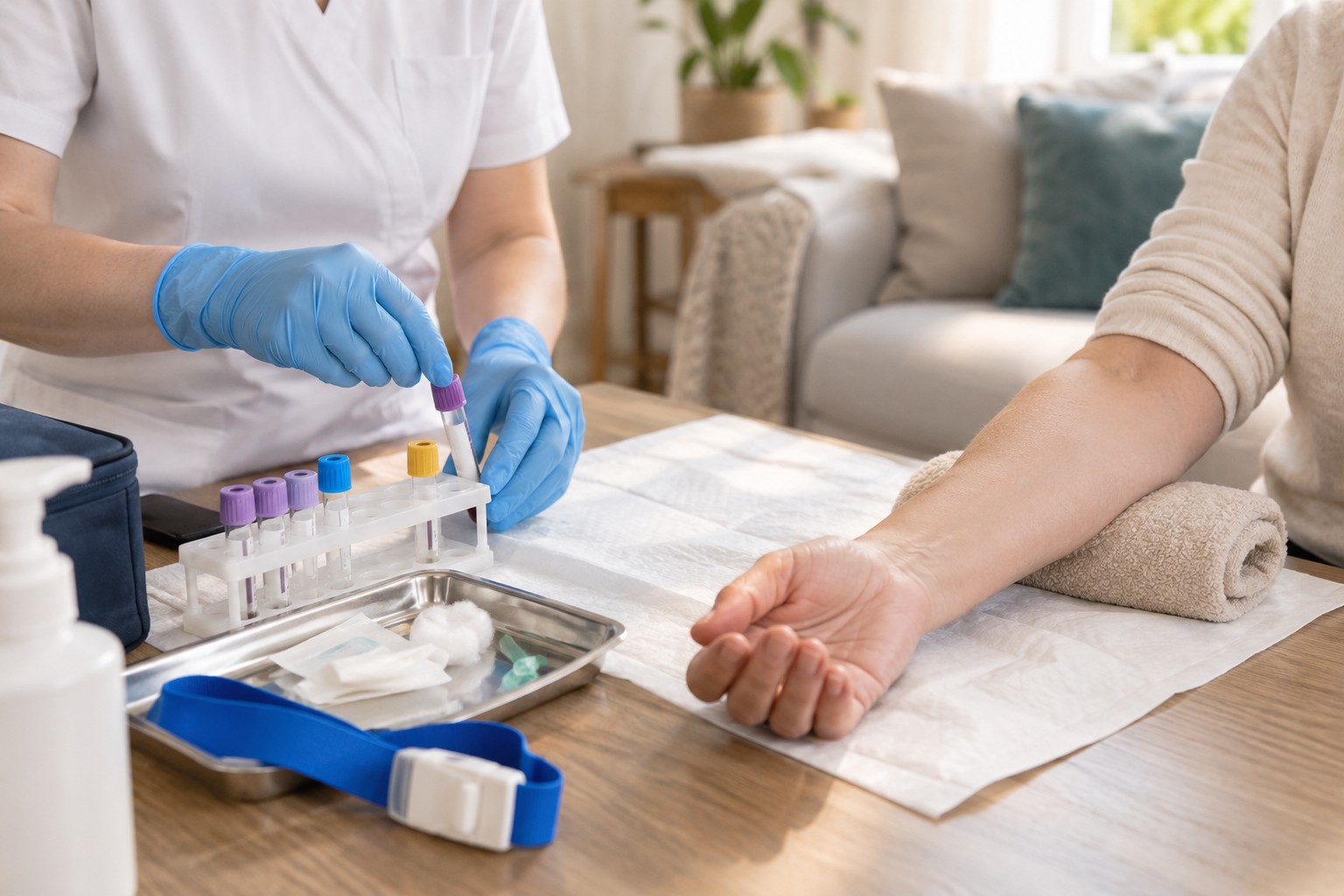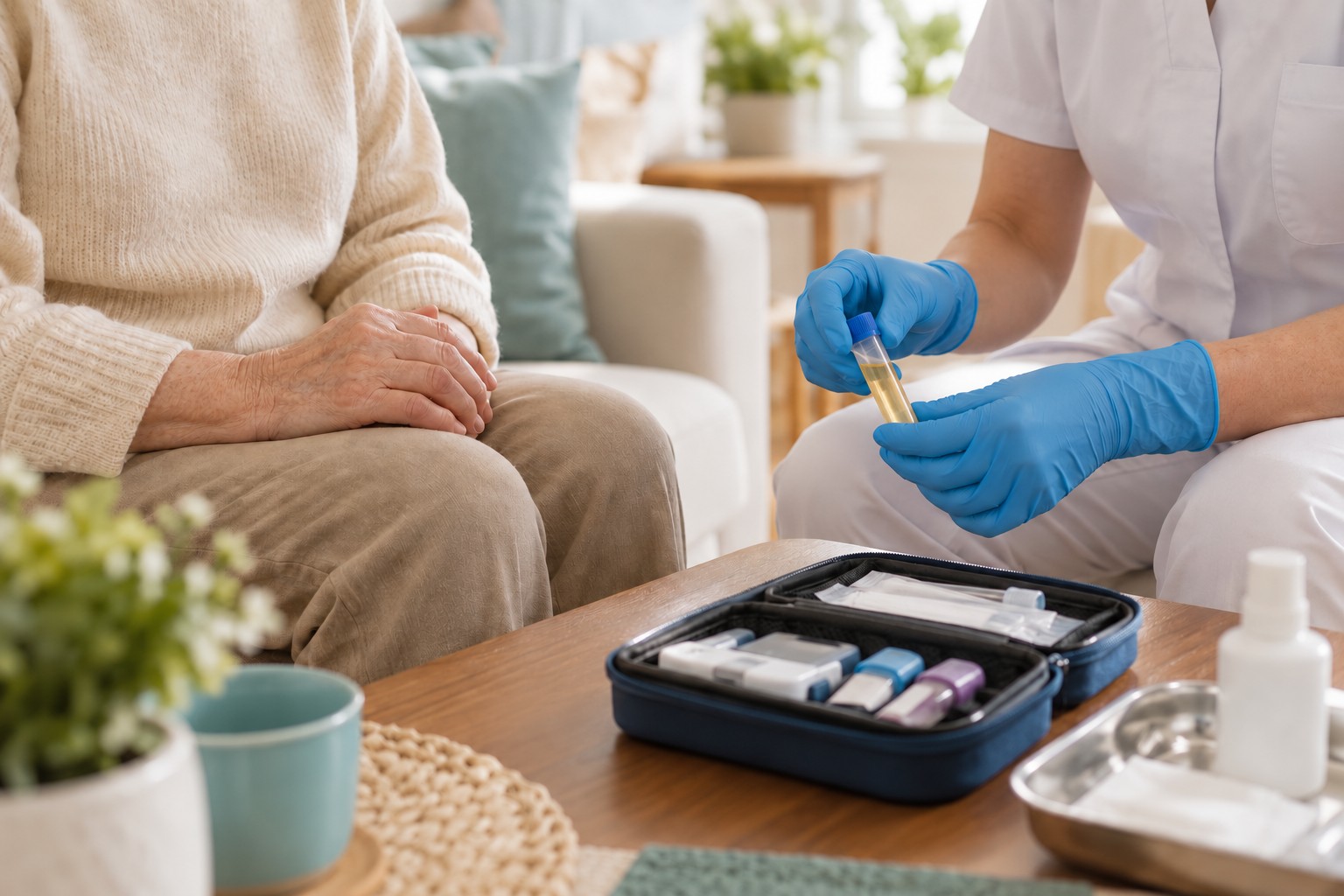

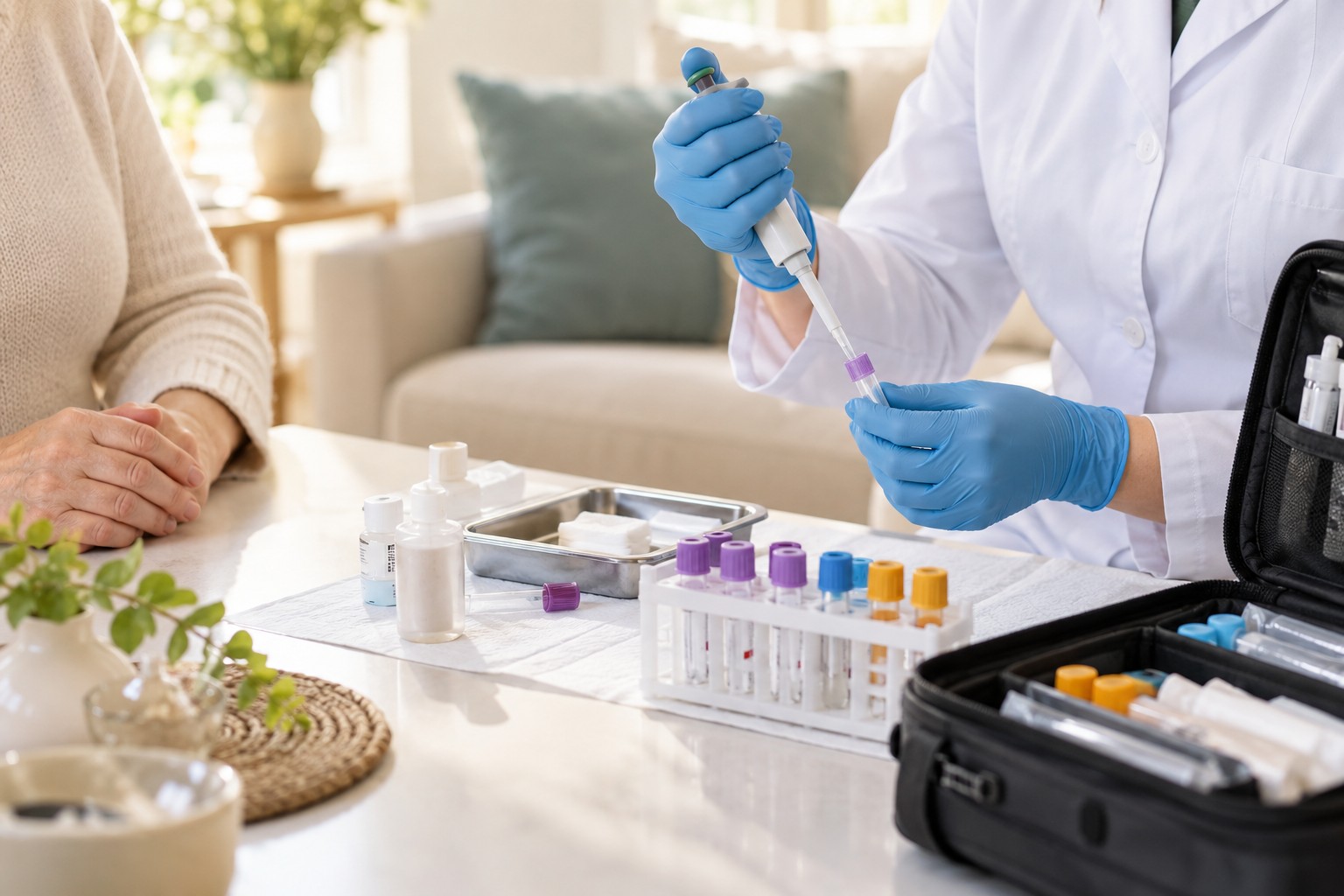
We serve Beylikdüzü

Beylikdüzü Urinary Catheter Insertion at Home

Urinary Catheter Insertion at Home in Beylikdüzü and the surrounding area: Urinary catheter insertion, replacement and removal, and bladder irrigation at home under sterile conditions with our experienced nurses; a painless and safe procedure.

  • Team available 24/7
  • Same-day appointments
  • Experienced nurses and physicians
  • Sterile, single-use supplies

Submit a request now

Leave your details, and our team will call you.

You have an active request

Our team will call you to confirm the visit. Don't want to wait? Call us

  • 5/5 Patient satisfaction
  • 12.000+ Visits in Istanbul
  • 39 Districts served
  • 3 dk Average response time

Scope of service

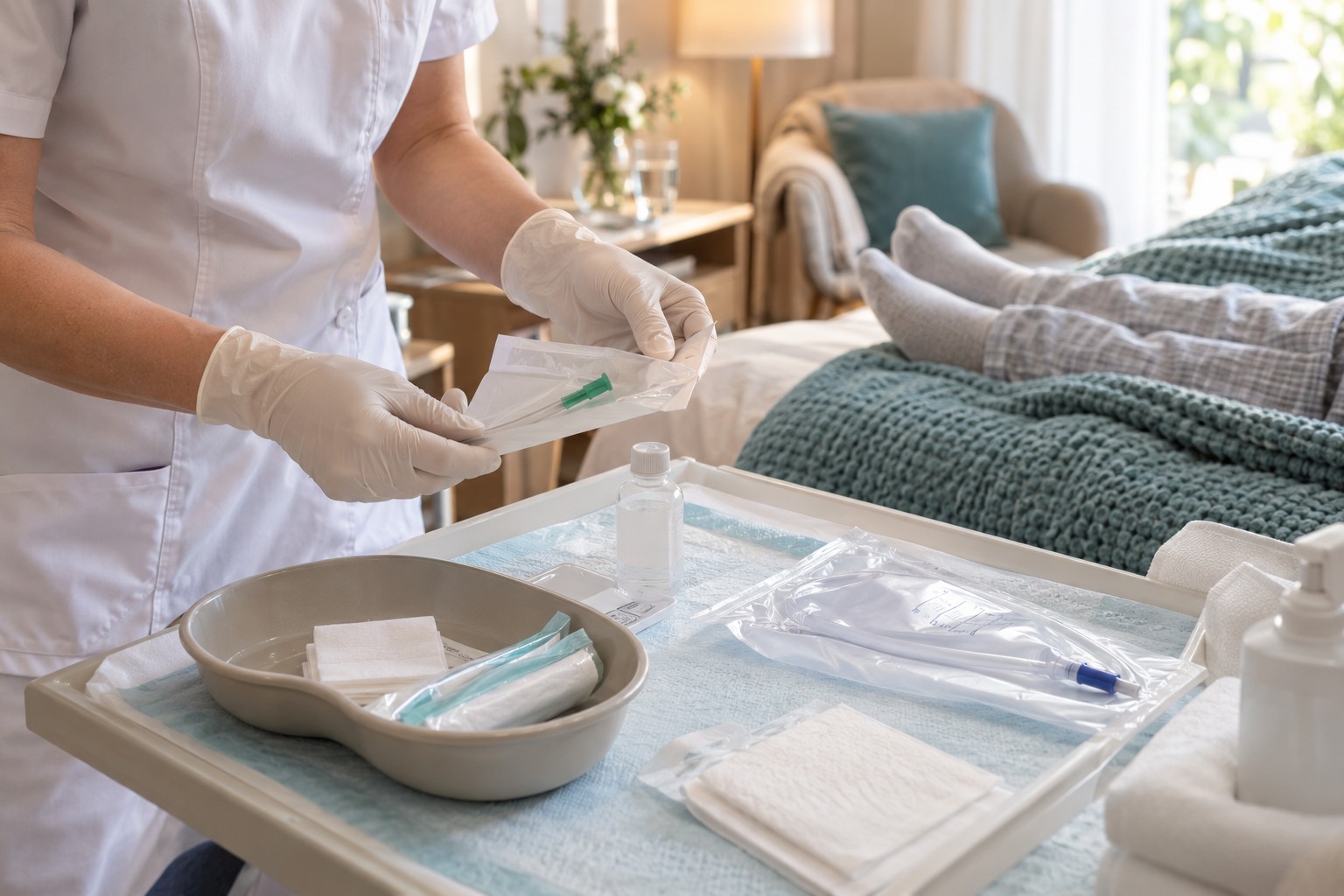
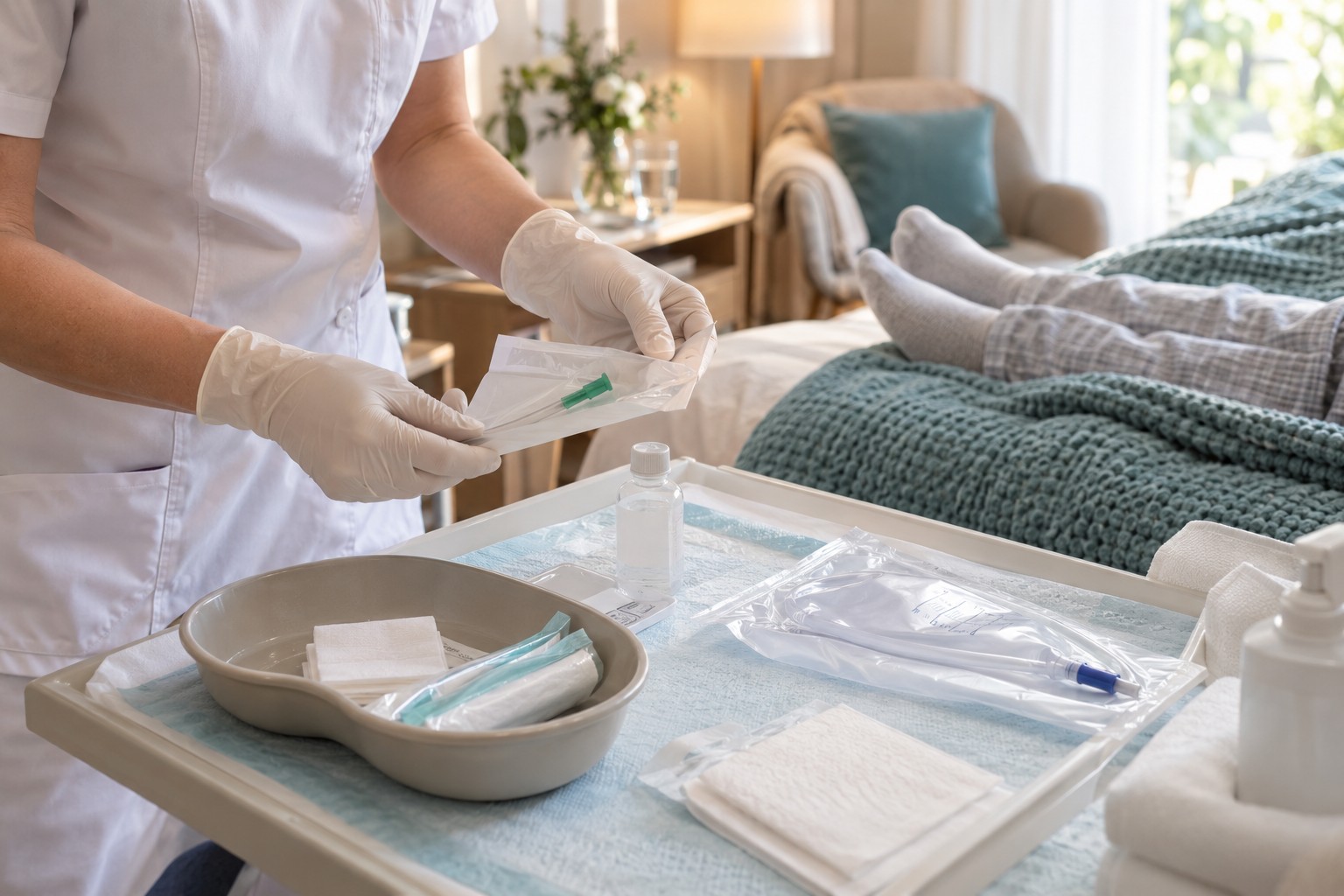
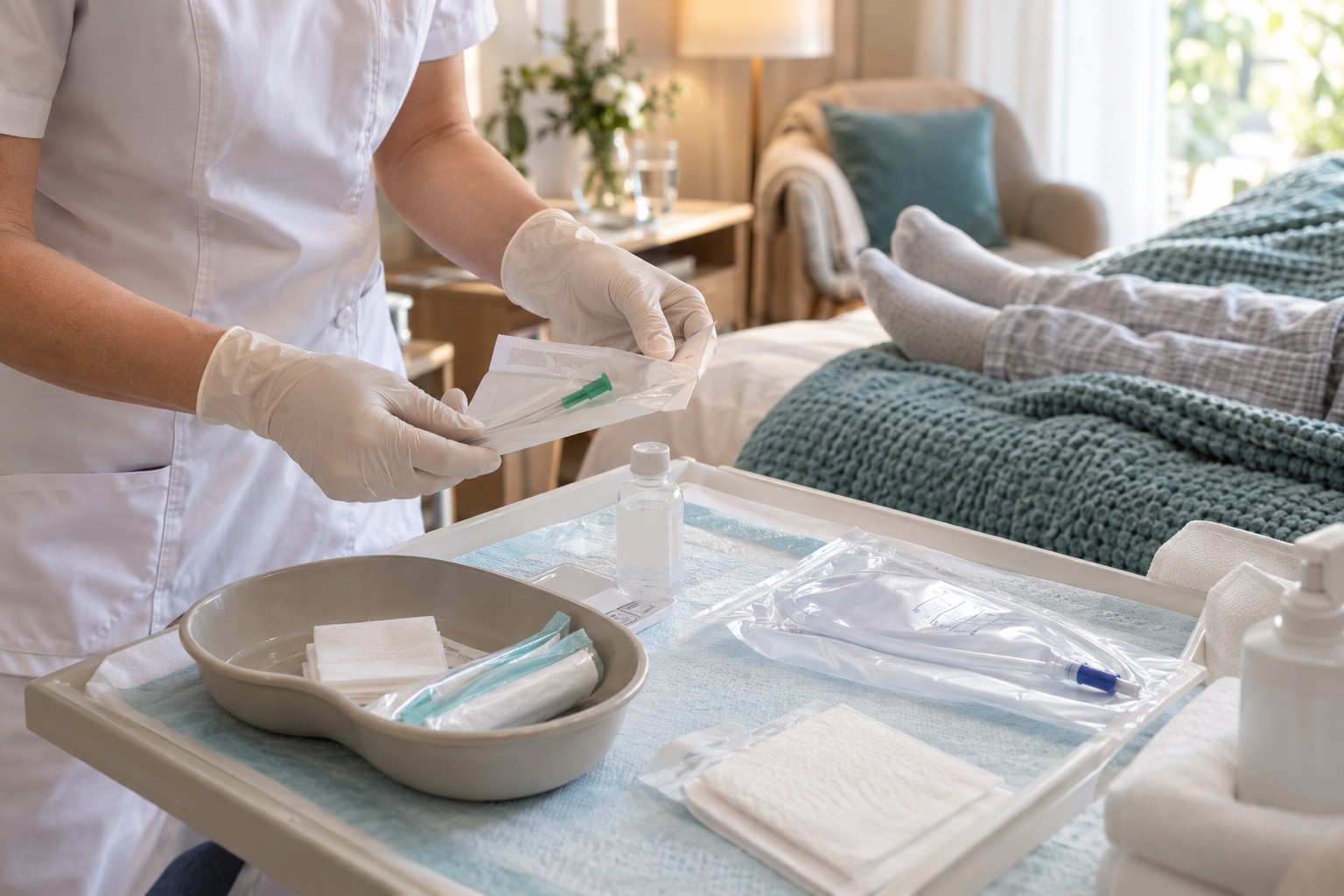
In situations such as difficulty passing urine (urinary retention) or being bedridden, emptying the bladder is vitally important. However, going to the hospital for this procedure can be hard, both because of the risk of infection and for the patient's privacy. Curavita Evde Sağlık brings hospital-standard sterility to your home and carries out catheter insertion and replacement with experienced nurses, in your own bed, painlessly and safely. With the advanced medical supplies of 2026 and an approach that puts patient comfort first, we make this sensitive process as easy as possible for you.

Book an Appointment
  • Silicone and Latex Catheters
  • Painless Procedure
  • Sterile Conditions
  • Catheter Replacement
  • Bladder Irrigation
  • NG Tube Insertion

The scope is defined together with you during the preliminary call, based on your needs.

Urinary Catheter Insertion at Home Service in Beylikdüzü

Beylikdüzü is one of the districts on the European side of Istanbul. As Curavita Home Health, we provide Urinary Catheter Insertion at Home in all neighbourhoods of Beylikdüzü; we come to your home.

To book Urinary Catheter Insertion at Home in Beylikdüzü, simply fill in the form or call our 24/7 call centre. Our team gets back to you within 3 minutes on average to confirm your address in Beylikdüzü and a time that suits you; depending on availability, a same-day appointment can also be arranged.

  • Service in all neighbourhoods of Beylikdüzü
  • Callback within 3 minutes on average
  • 24/7 call centre, same-day appointments when available
  • Pre-authorisation with private health insurance, no co-payment
What Is Urinary Catheter Insertion at Home?

What Is Urinary Catheter Insertion at Home?

Urinary catheter insertion at home is the placement, by an experienced healthcare professional under sterile conditions, of a thin tube called a "catheter" into the bladder of patients who cannot pass urine naturally or whose urine output needs to be monitored. It is a medical procedure performed in the comfort of home and to high hygiene standards, without the patient needing to be transferred to the hospital.

What Determines the Fee for Catheter Insertion at Home?

What Determines the Fee for Catheter Insertion at Home?

Prices for catheter insertion at home vary depending on the quality of the service provided and the type of material used. The factors that affect pricing in 2026 are:

Type of Catheter: Standard yellow (latex) catheters are more affordable, while 100% silicone catheters, which carry a lower risk of infection and can stay in for up to 1 month, cost a little more.

Location and Time: The distance to the address where the service is provided, and requests made outside working hours (nights or weekends) for urgent situations, may affect the price.

At Curavita, we work on a "no surprise costs" principle. When you call us, you can get clear pricing information, including materials, and plan your budget in advance.

How Is a Urinary Catheter Inserted at Home?

Because catheterization is a procedure that is highly prone to infection (urinary tract infection), it must be carried out on a "zero error" principle. Curavita nurses perform the procedure in line with 2026 protocols, following these steps:

  • 1. Preparation and Privacy: When our nurse arrives at the home, they first make sure the patient's privacy is protected and help the patient relax by explaining the procedure.
  • 2. Sterilization: The area is cleaned with special antiseptic solutions. Our nurse prepares the setting using sterile gloves and drapes.
  • 3. Local Anesthesia (Painless Procedure): Before the catheter is inserted, a special gel with anesthetic and lubricating properties is applied into the urethra. This means the procedure is barely felt and prevents irritation.
  • 4. Insertion: A catheter (silicone or latex) suited to the patient's anatomy and the intended duration of use is gently advanced into the bladder.
  • 5. Securing and Checking: Once urine is seen to flow, the balloon at the tip of the catheter is inflated with sterile water to stop the catheter from slipping out, and the urine bag is secured to the leg or the side of the bed.

Catheter Removal

Removing or replacing a catheter requires as much professional skill as inserting one. For patients whose catheter has reached the end of its use or whose treatment has ended, removal is managed as follows:

  • Bladder Training: If the patient has used a catheter for a long time, bladder exercises are done before removal using the "clamping" method (closing and opening the catheter at intervals) so that the bladder muscles can regain their strength.
  • Painless Removal: The water in the catheter balloon is drawn out with a syringe and the catheter is gently withdrawn. This usually takes a few seconds and is painless.
  • Follow-Up: After the catheter is removed, it must always be checked whether the patient can pass urine naturally the first time.

What Is a Urinary Catheter and What Is It Used For?

Known medically as a "Foley catheter", it is a flexible, thin, hollow tube. Its main purpose is to drain the urine that collects in the bladder and collect it in a bag. Because urine retained in the bladder can lead to serious problems, up to and including kidney failure, the catheter is a vital piece of medical equipment.

There are two main types, depending on how long they are used:

  • Latex (Yellow) Catheters: Generally for short-term use (up to 1 week).
  • Silicone Catheters: More compatible with body tissue, with a low risk of allergy, and can stay in the body for up to 30 days. At Curavita, we always recommend silicone catheters for long-term use.

Who Is a Urinary Catheter Suitable For?

Catheterization is not an elective procedure; it must always be recommended by a doctor because of a medical need. The most common situations in which it is needed are:

  • People with an Enlarged Prostate: Patients who cannot pass urine because the urinary tract is blocked.
  • Post-Operative (Post-Op) Period: Patients who are not allowed to get up after surgery or who need monitoring.
  • Bedridden and Paralyzed Patients: People who cannot control their bladder or cannot get to the toilet.
  • Neurological Conditions: Patients who cannot control their bladder muscles, as in MS or spinal cord injury.
  • Monitoring of Urinary Tract Infection or Bleeding: Critical situations in which the amount and color of urine need to be monitored hourly.

How does Urinary Catheter Insertion at Home work in Beylikdüzü?

From your request to our healthcare professional arriving at your door, the process takes four steps; the scope of service and the fee are clearly shared before the process begins. Detailed information

  1. 1

    Send your request

    Fill in the form, message us on WhatsApp or call our 24/7 call center.

  2. 2

    We'll call you

    Our team calls you within 3 min on average and clarifies your needs and the necessary details.

  3. 3

    Our professional at your address

    Our healthcare professional comes to your address at the agreed time with sterile, single-use supplies.

  4. 4

    Follow-up and results

    If needed, a physician's review and the next visit are planned together with you.

No Co-Payment

At Curavita Evde Sağlık, we do not charge co-payments, additional fees or surprise costs. For procedures covered by your private health insurance, we obtain the pre-approval; for paid procedures not covered by insurance, we clearly share the fee before the process begins, and nothing is done without your approval. Our goal is to make home healthcare accessible, clear and reliable for patients and their families.

Insurance and payment

What our patients and their families say

5 / 5 patient satisfaction

I had a cold and felt I needed an IV drip at home, so I looked for a reliable company on Google Maps. When I contacted Curavita, they were extremely attentive and quickly came to my home to set up the IV drip. Mr. Okan is incredibly skilled at his job, very well-spoken and very attentive; he kept me fully informed about everything. I was very pleased and I recommend them.

Zafer Berke D. Google review · translated from Turkish

I was extremely pleased with your at-home blood draw service. From booking the appointment to the service itself, every step was very professional and well organized. It was also reassuring that the staff member who came was friendly, careful and meticulous about hygiene. Getting such high-quality service in the comfort of my own home, within the stated time window, is truly a great convenience. Thank you to everyone involved; I recommend you wholeheartedly.

Hale Gamze G. Google review · translated from Turkish

As someone who is very afraid of having blood taken, I approached home healthcare with some anxiety, but my experience was much better than I expected. The staff who came were extremely understanding, calm and professional. They put me at ease by explaining the whole process step by step, and the procedure was over with almost no stress. The care they took with hygiene was also reassuring. It's a really great service for people with fears like mine; I recommend it wholeheartedly.

Beril G. Google review · translated from Turkish

Frequently asked questions about Beylikdüzü Urinary Catheter Insertion at Home

If you have any other questions, our team answers them 24/7. You'll find all questions, and answers by service, on our FAQ page.

We get back to your request within 3 minutes on average. We agree on the visit time in Beylikdüzü together with you; depending on availability, a same-day appointment can also be arranged.
We serve all neighbourhoods of Beylikdüzü; we come to your home. Simply share your address when you make your request.
We work with private health insurers: we obtain the pre-authorisation, the procedure is carried out once it is approved, and we charge no co-payment. For paid procedures not covered by insurance, the fee is shared clearly before the process starts.
Yes, it certainly can. Catheter insertion is a procedure that does not require a hospital setting but must always be carried out under sterile conditions. Curavita Evde Sağlık teams come to your home with all the sterile supplies needed (sterile gloves, antiseptic solution, sterile catheter kit) and carry out the procedure, so you don't need to go to the hospital. This protects the patient from the risk of hospital infection and preserves their privacy.
Inserting a urinary catheter (Foley catheter) is a medical intervention and, legally, should only be performed by doctors, nurses or health officers. If family members or people without medical training try to insert a catheter, it can cause permanent damage to the urinary tract (a urethral tear), bleeding and serious infections. All Curavita staff who perform this procedure are licensed nurses with specific training in it.
How long a catheter can stay in the body depends on the type of material used: latex (yellow) catheters should generally be replaced within 1 week (7 days) because of the risk of infection. Silicone catheters can stay in for up to 30 days (1 month), as they are more compatible with body tissue and less prone to bacterial colonization. At Curavita, we always recommend choosing a 100% silicone catheter for long-term use, for the patient's comfort and health.
An external catheter (condom catheter) is a non-invasive device that is fitted over the outside of the penis. The area is cleaned and dried, the condom-like sheath is rolled onto the penis, the outlet at its tip is connected to a urine bag, and it is usually secured with a hook-and-loop strap. This type of catheter is for male patients who have urinary incontinence but no problem emptying the bladder (no obstruction). Changing it every day is recommended for hygiene.
Holding urine for a long time is not recommended; the healthiest thing is to go to the toilet when you feel the urge. If you feel the urge but cannot pass urine, especially if there is pain and swelling in the lower abdomen, this condition (urinary retention) needs urgent assessment; call 112 without delay or go to the nearest emergency department. If no urine is draining into the bag of a patient with a catheter, the catheter may be blocked; call our team, and if there is pain, fever or a change in consciousness, call 112.
With a doctor's order, and if the patient's condition allows, an NG tube can be inserted at home by our nurse. The tube is passed through a nostril down into the stomach. Before feeding starts, the tube's position in the stomach is confirmed using the method specified by the doctor; measuring the pH of a sample drawn from the stomach contents is a common method, and an X-ray check may be requested if necessary. Listening for air sounds with a stethoscope is not a reliable method on its own. If coughing, shortness of breath or bluish discoloration occurs during feeding, stop the feed and call 112.
Because the bladder drains continuously when a catheter is in place, there should normally be no feeling of "fullness". However, during the first few hours or days after insertion, the patient may constantly feel as if they need to urinate, because the bladder muscles react to the catheter balloon (spasm). This "false sensation" is usually temporary. If it is accompanied by burning, pain or leakage, it may be a sign of infection, and you should be sure to consult your nurse.

About Beylikdüzü Urinary Catheter Insertion at Home

Whether a urinary catheter works safely depends less on the few minutes it takes to insert it than on the care it receives in the days that follow. That is why urinary catheter insertion at home is not a one-off procedure; it is a process to be thought through together with the right choice of catheter, sterile insertion, planned replacement and, when needed, bladder irrigation. For family members, the most valuable knowledge is being able to tell what is normal from what is a warning sign.

Curavita Evde Sağlık nurses insert the catheter in your home, in the patient's own bed, using sterile, single-use materials. Which catheter is used, when it is replaced and whether bladder irrigation is needed are always decided by your doctor.

Types of urinary catheters and how they differ

In everyday language they are all simply called "catheters", but urinary catheters differ in the way they are used. The most common is the indwelling catheter, which is inserted through the urethra, stays in the bladder and drains urine continuously into a bag. Intermittent catheterization, in which the bladder is emptied at set intervals during the day and the catheter is removed straight away, may be preferred for some neurological bladder problems.

Suprapubic catheters, placed through the lower abdomen in a minor surgical procedure, and external condom catheters for men also belong to this family. In choosing the material, latex allergy, how long the catheter will stay in and the patient's comfort are the deciding factors; the catheter's diameter should also suit the urethra. The collection bag is part of this choice as well. People who move around during the day use small bags strapped to the leg, while bedridden patients, and anyone at night, use larger bags hung on the side of the bed.

How is sterility maintained when inserting a catheter at home?

A home is not an operating room; sterility is achieved not across the whole room but through a sterile field maintained at every step of the procedure. Before the procedure, the patient's identity, the doctor's recommendation and the expiry date of the catheter kit are checked, and the packaging is confirmed to be intact. Once sterile gloves are on, touching nothing but the contents of the kit is the key to preventing germs from being carried into the urinary tract.

The preparation expected from you is simple: a well-lit room, a clean, clear surface next to the bed and a closed door for privacy. Once the catheter is in place, a closed drainage system is set up. Not opening the connection between the catheter and the bag unnecessarily is one of the basic rules for reducing the risk of infection. Medical waste from the procedure is not left in your home; the team takes it away with them.

When is bladder irrigation needed?

Bladder irrigation means flushing the catheter and bladder with a sterile solution to clear sediment, clots or blockages. It is not a routine care step; it is done when less urine drains through the catheter, when noticeable sediment builds up in the bag, or when your doctor sees a specific reason. Because irrigation usually requires the closed system to be opened, unnecessary repetition is avoided and the procedure is carried out only on a doctor's recommendation.

Your doctor decides the type and amount of solution to be used; the nurse carries out the procedure with a sterile syringe or irrigation set, without moving the catheter out of place. After irrigation, the color and flow of the urine and the patient's comfort are monitored; if blockages keep coming back, catheter replacement may be considered. Do not try to irrigate the catheter yourself at home or to pull out a blocked catheter.

Daily care and warning signs

Always keep the bag below the level of the bladder; don't let it touch the floor or let the tubing kink. The bag should be emptied before it is full, the urethral opening should be gently cleaned with soap and water every day, and the catheter should be secured to the leg so it isn't pulled taut. Unless your doctor has recommended limiting fluids, drinking enough during the day also supports urine flow.

When you are caring for a loved one with a catheter, your most important task is to notice changes early. If you see any of the following signs, let your doctor or the healthcare team know:

  • Fever, chills or a marked decline in general condition
  • Cloudy, concentrated or foul-smelling urine
  • Blood or clots in the urine
  • Pain in the groin, lower back or flank
  • Urine leaking around the catheter, or no urine draining into the bag for a long time
  • Redness, swelling or discharge where the catheter exits the body
  • In older people, sudden restlessness, excessive sleepiness or confusion

These signs do not always mean an infection; the assessment is made by the doctor. If your doctor requests a test, the urine sample should be taken using a sterile technique from the sampling port on the system, not from the urine collected in the bag. This sample can be collected from your home as part of our on-site laboratory service; it is transported to an accredited laboratory under cold chain conditions and the result is sent to you digitally.

Planning catheter changes in Istanbul

Because catheter changes can follow a schedule that is known in advance, it is best not to leave booking until the last day. In Istanbul traffic, having a nurse come to your home instead of taking a bedridden patient to the hospital spares the patient the strain and also protects their privacy. In an unexpected situation such as a blockage, you can call our call center, which is available 24/7, and take advantage of same-day appointments.

Nurse visits can be arranged in every one of the 39 districts, from Beykoz to Esenyurt. Curavita Evde Sağlık holds a certificate of conformity (Uygunluk Belgesi) issued by the Provincial Health Directorate; like all our services, catheter procedures are carried out under the supervision of our responsible manager and within the framework of the relevant health regulations. Our quality and patient safety page explains the principles involved in detail. Home care support can also be added to your plan for the personal care of a loved one who has a catheter and is bedridden.

You may also be interested in

All services
Nurse at Home Professional medical care at your address from our licensed nurses: wound care, IV drips, injections, vital sign monitoring and post-operative care. We come to your home, your office or your hotel. More details Home Care Compassionate, professional home care for your loved ones from our trained staff: a personalized care plan, 24/7 support and staff replacement when needed. More details Tracheostomy Care and Tube Change at Home Tracheostomy care, tube changes, suctioning and stoma care at home with our nurses experienced in intensive care; safe, sterile procedures. More details IV Drip at Home With our team of experienced nurses and modern medical equipment, we administer IV drips safely and under sterile conditions at your address, in line with your doctor's prescription. We come to your home, your office or your hotel. More details Injections at Home We administer your prescribed medications at your address with our licensed nurses, using sterile and correct technique; safe IM, SC and IV injections. We come to your home, your office or your hotel. More details Wound Care and Dressing at Home Pressure ulcer (bedsore), diabetic foot and surgical wound care at home with our certified wound care nurses and modern dressings; professional treatment. We come to your home, your office or your hotel. More details Blood Draw at Home Our experienced nurses come to your address and take your blood samples using a sterile, painless technique; cold-chain protection and digital reporting as soon as possible. We come to your home, your office or your hotel. More details Urine Test at Home Our nurse comes with a sterile sample container, collects your urine sample and delivers it to an accredited laboratory via the cold chain; results are sent digitally. We come to your home, your office or your hotel. More details

Book an appointment for Beylikdüzü Urinary Catheter Insertion at Home now

Our team is at your service 24/7; we respond to your request within 3 minutes on average. The scope of service and the fee are clearly shared before the process begins.

Call us: +90 216 235 10 45