

The Anti-HIV 1/2 test is a screening test that helps detect HIV infection at an early stage; reactive results are confirmed with additional tests.
- Sample
- Blood
- Fasting
- Not required
- Turnaround time
- Usually 1–3 business days
- Test group
- Serology and Infection (ELISA)
Preparation: No fasting is required for the test. Tell your doctor the date of the possible exposure and whether you have taken post-exposure preventive treatment.
Insurance: We work with private health insurers. For this test, we obtain the pre-approval and collect your sample once approval is received; we do not charge a co-payment. Insurance and payment
Contents
What is Anti-HIV 1/2?
Anti-HIV 1/2 is a screening test that looks for the antibodies the body produces against HIV-1 and HIV-2, the two types of human immunodeficiency virus. HIV is a virus that targets CD4 lymphocytes, which are among the key cells of the immune system. Worldwide, HIV-1 is the most common type, while HIV-2 is detected mostly in infections linked to West Africa.
Although it is popularly known as the AIDS test, this test looks for HIV infection; AIDS is the advanced stage of untreated HIV infection that can develop over the years. Today, HIV is a chronic condition that can be kept under control with regular treatment, which makes early diagnosis very important. The test is run on a serum sample using ELISA or similar immunological methods; depending on the kit used, some tests can detect the p24 antigen in addition to antibodies.
When is the Anti-HIV 1/2 test ordered?
The World Health Organization recommends that everyone know their HIV status; getting tested is an important step a person can take to protect their own health. The test may be ordered as screening before a procedure, or a person can have it done at their own request. After a possible exposure, the best approach is to talk to a doctor about the timing of the test and, if necessary, repeat testing.
- A possible exposure such as unprotected sex, shared syringes or contact with blood
- Screening during pregnancy planning or pregnancy follow-up
- Routine screening before procedures such as surgery, endoscopy or dental treatment
- A diagnosis of another sexually transmitted infection, tuberculosis, or hepatitis B or C
- Prolonged fever, unexplained weight loss, widespread lymph node enlargement or frequently recurring infections
- A person's own wish to learn their HIV status
How do you prepare for the Anti-HIV 1/2 test?
For this test, you do not need to fast, wait for a particular time of day or stop your medications. If you have had a possible exposure, it is important to tell your doctor the date, because in the very early stage of infection, known as the window period, antibodies may not yet be detectable. If you are taking preventive medication after or before exposure, this is taken into account when timing the test, as it may delay antibody formation.
If less than 72 hours have passed since a possible exposure, you are advised to go to a healthcare facility to be evaluated for post-exposure preventive treatment without waiting for the test result. Under the law, health data are considered special categories of personal data and must be processed confidentially. Blood is drawn from a vein in the arm using the standard method; you can also give your sample to a nurse at your home or workplace.
What does the Anti-HIV 1/2 result mean?
A negative result shows that there were no detectable HIV antibodies in your blood at the time of the test. If a possible exposure falls within the window period, your doctor may recommend repeating the test after a certain time. As long as there has been no new exposure and the window period has passed, a negative result is considered reliable.
A positive or reactive result does not on its own mean an HIV diagnosis. Because screening tests are designed with high sensitivity so as not to miss an infection, false reactive results can rarely occur; therefore the sample is tested again, and confirmatory tests using different methods and, if necessary, an HIV RNA test are ordered. If the diagnosis is confirmed, early treatment contributes greatly to protecting the immune system and maintaining a healthy life. During this process, talking to a doctor and receiving counseling helps you plan the next steps calmly and correctly.
Positivity thresholds and the order of confirmation steps can vary between laboratories; situations such as pregnancy and infancy can also affect interpretation. The reference assessment of the laboratory that runs the test is also provided on this page. Every result should be evaluated confidentially by a doctor, together with your symptoms, the timing of the possible exposure and other tests.
Expected result
- Negative
This is the value used by our laboratory; it may vary depending on age, sex, the method used and the laboratory. Review your result together with your doctor.
How is Anti-HIV 1/2 (HIV Antibody) done at home?
-
01
Book your appointment
Fill in the online form or call us, and let's plan a day and time that suit you together.
-
02
Your blood is drawn at home
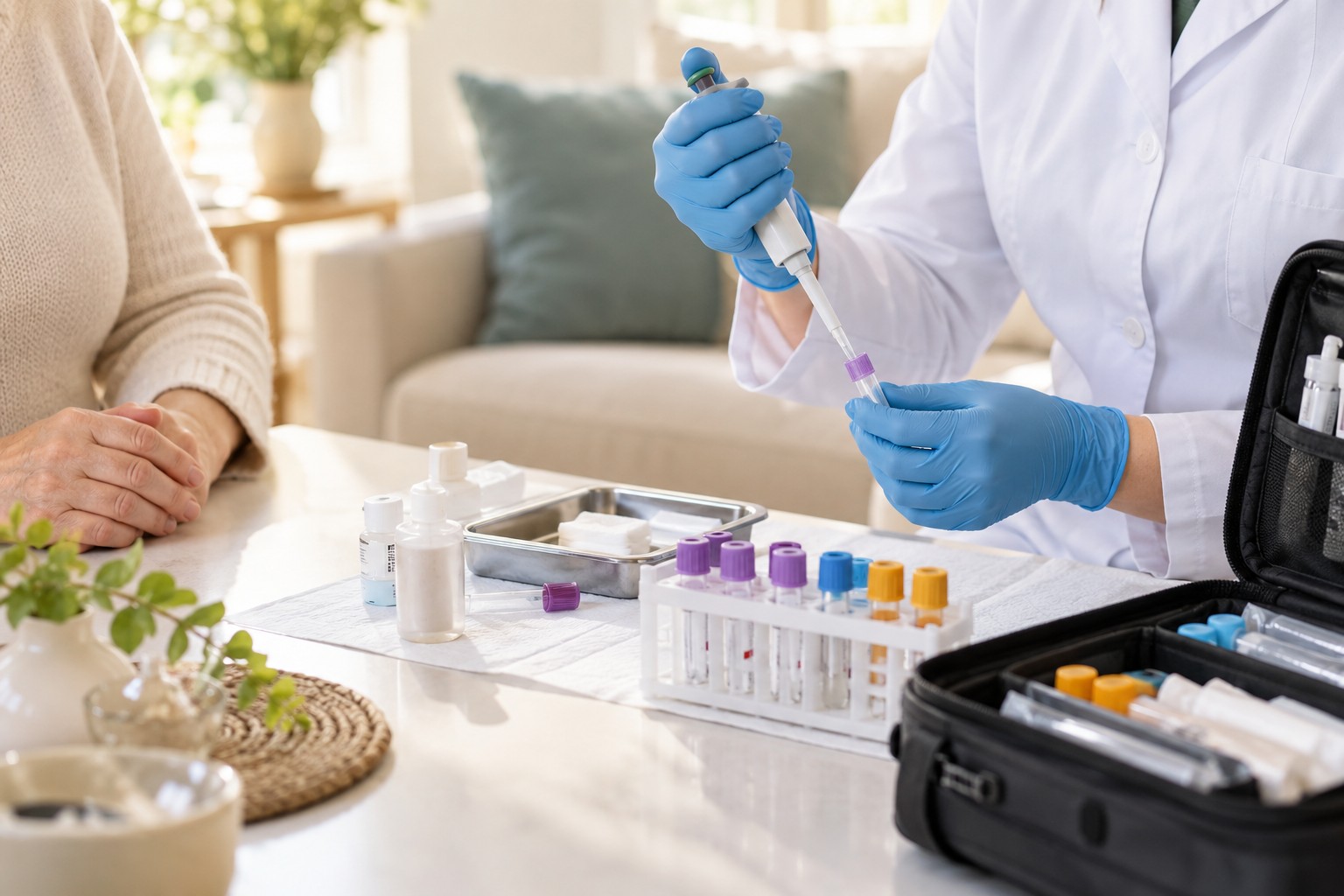
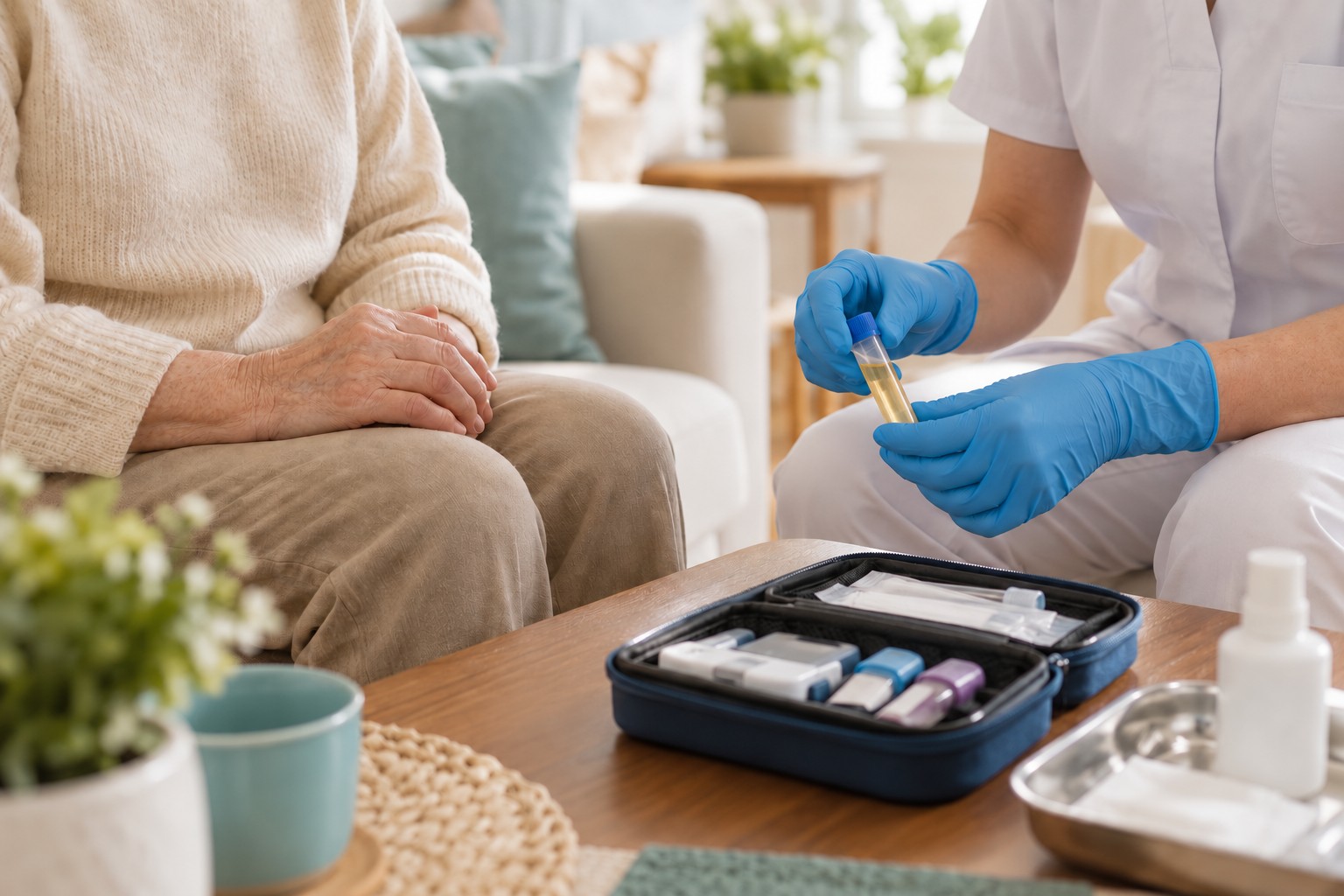
Our nurse comes to your address and collects your blood sample using sterile, single-use supplies.
-
03
You receive your result
Your sample is transported to the laboratory under appropriate conditions; your result is sent to you when it is ready.
Frequently asked questions
The information on this page is for general information only; it does not replace diagnosis or treatment. Consult your doctor for decisions about your health.