

The prolactin test measures the milk hormone secreted by the pituitary; it is often ordered to investigate irregular periods, milk discharge from the breast and infertility.
- Sample
- Blood
- Fasting
- Not required
- Turnaround time
- As soon as possible
- Test group
- Hormones
Preparation: Fasting is usually not required. Give the sample in the morning, a few hours after waking up, while rested; avoid stress.
Insurance: We work with private health insurers. For this test, we obtain the pre-approval and collect your sample once approval is received; we do not charge a co-payment. Insurance and payment
Contents
What is prolactin?
Prolactin is a hormone secreted by the pituitary gland, located at the base of the brain. Its best-known role is to start and maintain milk production in the breasts after childbirth. It also affects the hormones that regulate ovulation and sperm production; for this reason, high levels can disrupt reproductive health in both women and men.
Prolactin secretion is largely held in check by dopamine in the brain. Its level fluctuates throughout the day; it rises during sleep and can also increase temporarily after stress and physical exertion. The test is measured in a blood sample using an immunoassay. Its level rises steadily throughout pregnancy and stays high during breastfeeding because of the stimulation of the breast.
When is a prolactin test ordered?
Doctors mostly order this test for complaints related to the reproductive system or when they suspect a problem affecting the pituitary gland. In people being treated for high prolactin, it may be repeated at regular intervals to monitor the effect of treatment. It may also be measured in people who take medications that can raise prolactin and who have complaints such as irregular periods or milk discharge.
- Irregular periods or periods that have stopped
- Milk discharge from the breast outside of breastfeeding
- Difficulty getting pregnant and infertility workup
- Reduced sex drive or erection problems in men
- Unexplained headache or narrowing of the visual field
- Treatment follow-up in people diagnosed with prolactinoma
How do I prepare for a prolactin test?
Because prolactin changes during the day, it is recommended to give the sample in the morning, a few hours after waking up. Fasting is usually not required; if your doctor has given you different instructions, follow them. Avoiding intense exercise, sexual intercourse and breast stimulation on the day before the test, and resting calmly for a short while before giving blood, makes the result more reliable.
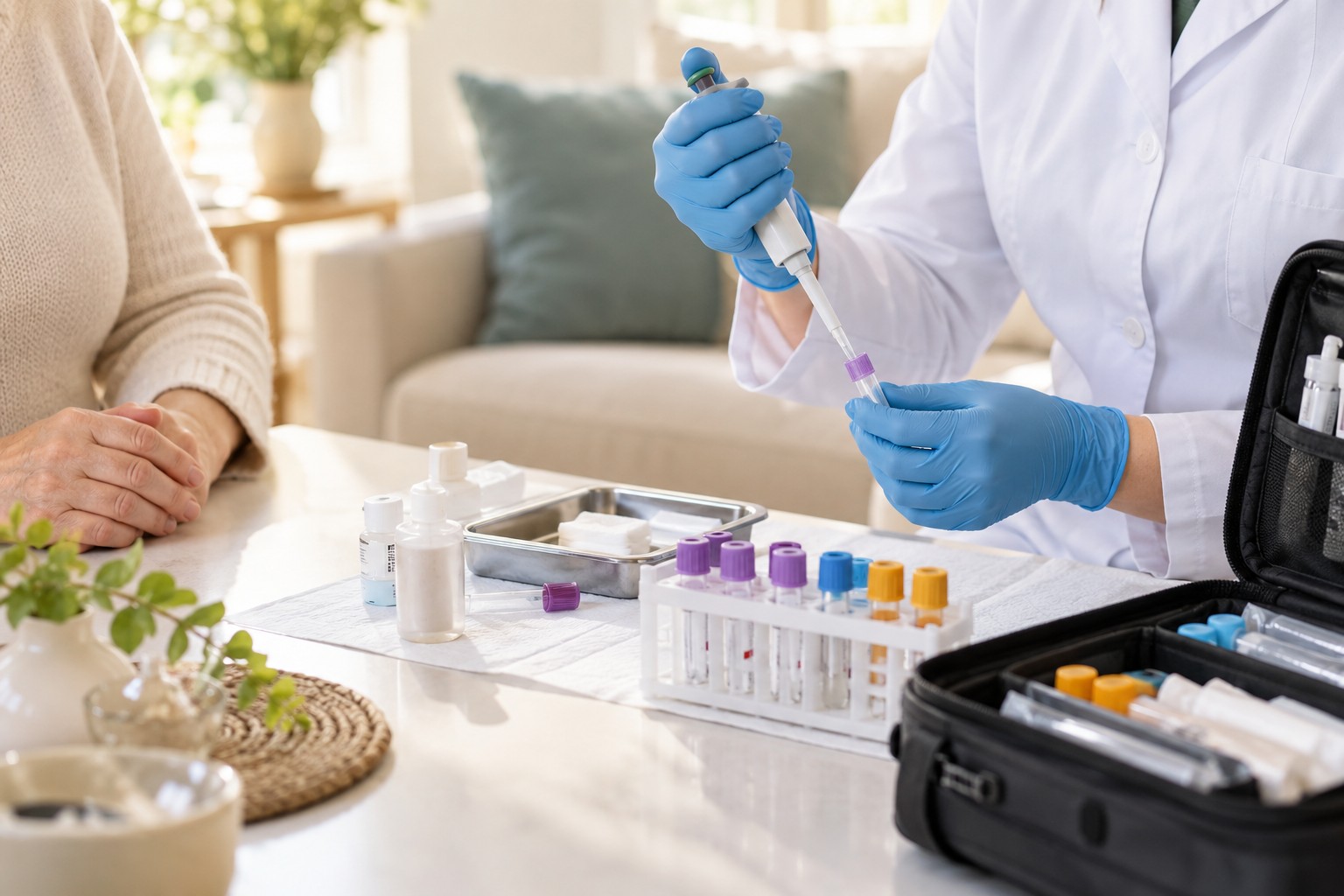
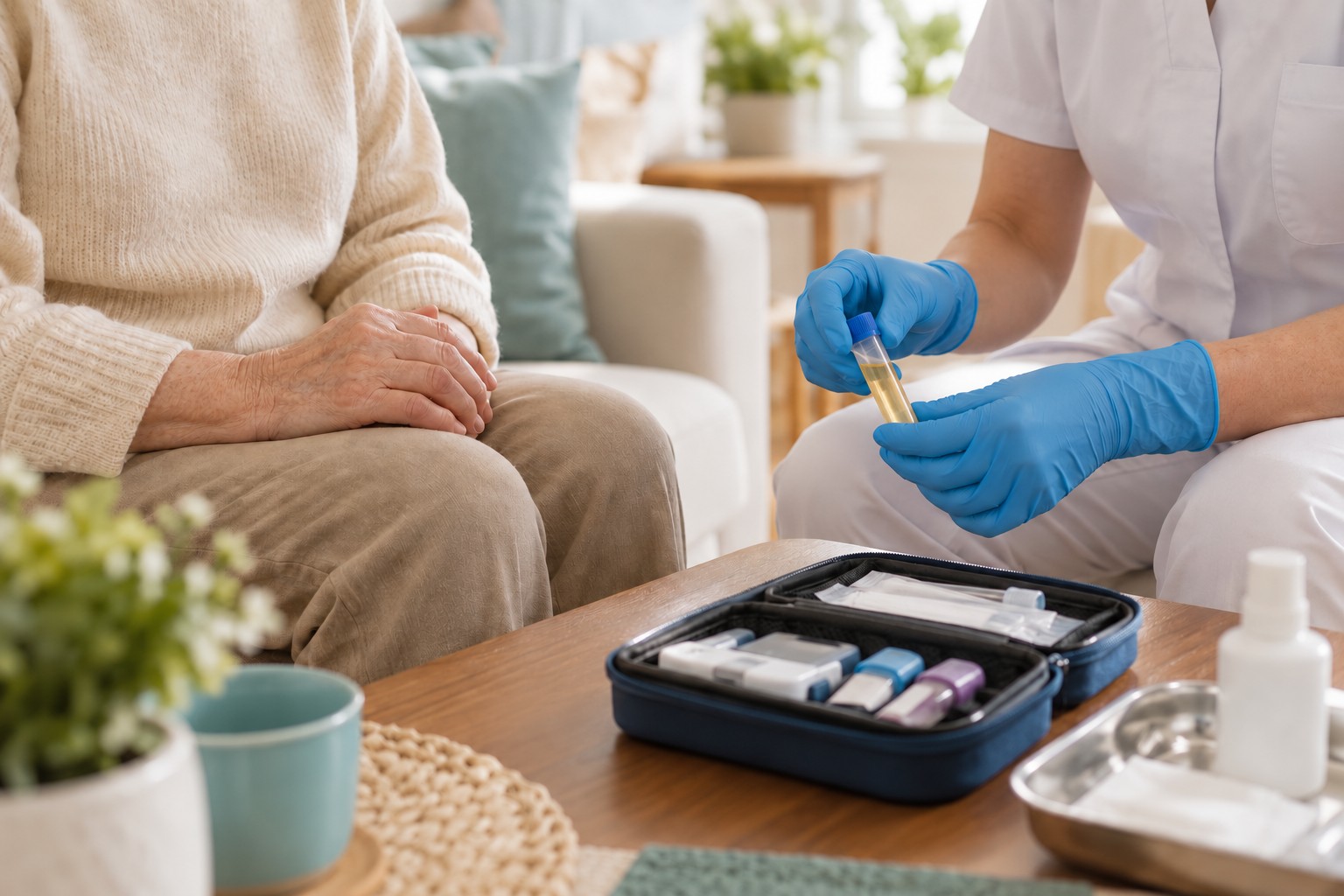
Some psychiatric medications, some medications used for nausea and reflux, and estrogen-containing medications can raise prolactin; tell your doctor about all the medications you take. High-dose biotin (vitamin B7) supplements can make the value appear lower than it actually is with some measurement methods. The blood sample can be taken at your home by a nurse; giving blood in a familiar setting can help reduce the effect of stress on the result.
What does a prolactin result mean?
High prolactin is a natural finding during pregnancy and breastfeeding. Apart from these, stress, a difficult blood draw, some medications, an underactive thyroid gland and kidney failure can also raise the value. If the elevation is marked and persistent, prolactinoma, a usually benign tumor of the pituitary, may be investigated. In some people, large, biologically inactive prolactin molecules (macroprolactin) can make the result appear high. In such a case, the laboratory can carry out an additional analysis that identifies macroprolactin.
Low prolactin is rarely significant; it can be seen when the pituitary gland is generally underactive. If a mild elevation is found, your doctor may ask for the test to be repeated. In people receiving treatment, the change in the value over time helps monitor the response to treatment. Reference ranges vary by laboratory, age and sex; this page shows the range used by the laboratory performing the test. Your result must always be interpreted by a doctor together with your complaints and your other hormone tests.
Reference range
Unit: ng/mL- Male: 4 - 15.2
- Female: 4.8 - 23.3
This is the value used by our laboratory; it may vary depending on age, sex, the method used and the laboratory. Review your result together with your doctor.
How is Prolactin (PRL) done at home?
-
01
Book your appointment
Fill in the online form or call us, and let's plan a day and time that suit you together.
-
02
Your blood is drawn at home
Our nurse comes to your address and collects your blood sample using sterile, single-use supplies.
-
03
You receive your result
Your sample is transported to the laboratory under appropriate conditions; your result is sent to you when it is ready.
Frequently asked questions
The information on this page is for general information only; it does not replace diagnosis or treatment. Consult your doctor for decisions about your health.