

The Rubella IgG test shows immunity to rubella acquired through vaccination or a past infection; it is especially recommended before pregnancy.
- Sample
- Blood
- Fasting
- Not required
- Turnaround time
- Usually 1–2 business days
- Test group
- Serology and Infection (ELISA)
Preparation: No fasting is required. If you have had a rubella vaccine in recent months or are pregnant, mention this before the sample is taken.
Insurance: We work with private health insurers. For this test, we obtain the pre-approval and collect your sample once approval is received; we do not charge a co-payment. Insurance and payment
Contents
What is Rubella IgG?
Rubella, commonly known as German measles, is a viral infection that usually causes a mild fever, a rash and swollen lymph nodes. It is spread through the respiratory route by droplets, and some infected people may show no symptoms at all. Although it is usually mild in children and adults, if it is contracted in the first months of pregnancy it can cause congenital rubella syndrome, which can lead to hearing, eye and heart problems in the baby.
Rubella IgG are protective antibodies that the body produces against this virus and that remain in the blood for many years. Their presence in the blood shows that the person has had the infection before or has acquired immunity through vaccination. In Türkiye, the rubella vaccine is given as part of the childhood immunization schedule as a combined vaccine together with measles and mumps (MMR). The test is performed on a serum sample using the ELISA method, and the result is usually reported as positive or negative, and in some laboratories together with the amount of antibody.
When is the Rubella IgG test ordered?
This test is most often ordered for women who are planning a pregnancy or are in early pregnancy to find out whether they are protected against rubella. It is one of the pregnancy tests known as TORCH screening and is usually assessed together with Rubella IgM. It can also be used to document immunity in adults with incomplete vaccination records. During periods when rubella cases occur, it can also help determine whether close contacts are protected.
- Preparation before pregnancy and immunity check
- Screening in early pregnancy
- Adults whose vaccination history is unknown or undocumented
- Contact during pregnancy with someone who has rubella
- Determining immunity in people who work with children or in healthcare
How should I prepare for the Rubella IgG test?
You do not need to fast before the Rubella IgG measurement, and the time of your blood draw does not affect the result. If you have had a rubella-containing vaccine in the last few months, are pregnant, or have received blood products or immunoglobulin therapy, sharing this information is important for interpreting the result correctly. If you have previous test results or a vaccination card, showing them to your doctor also makes the assessment easier.
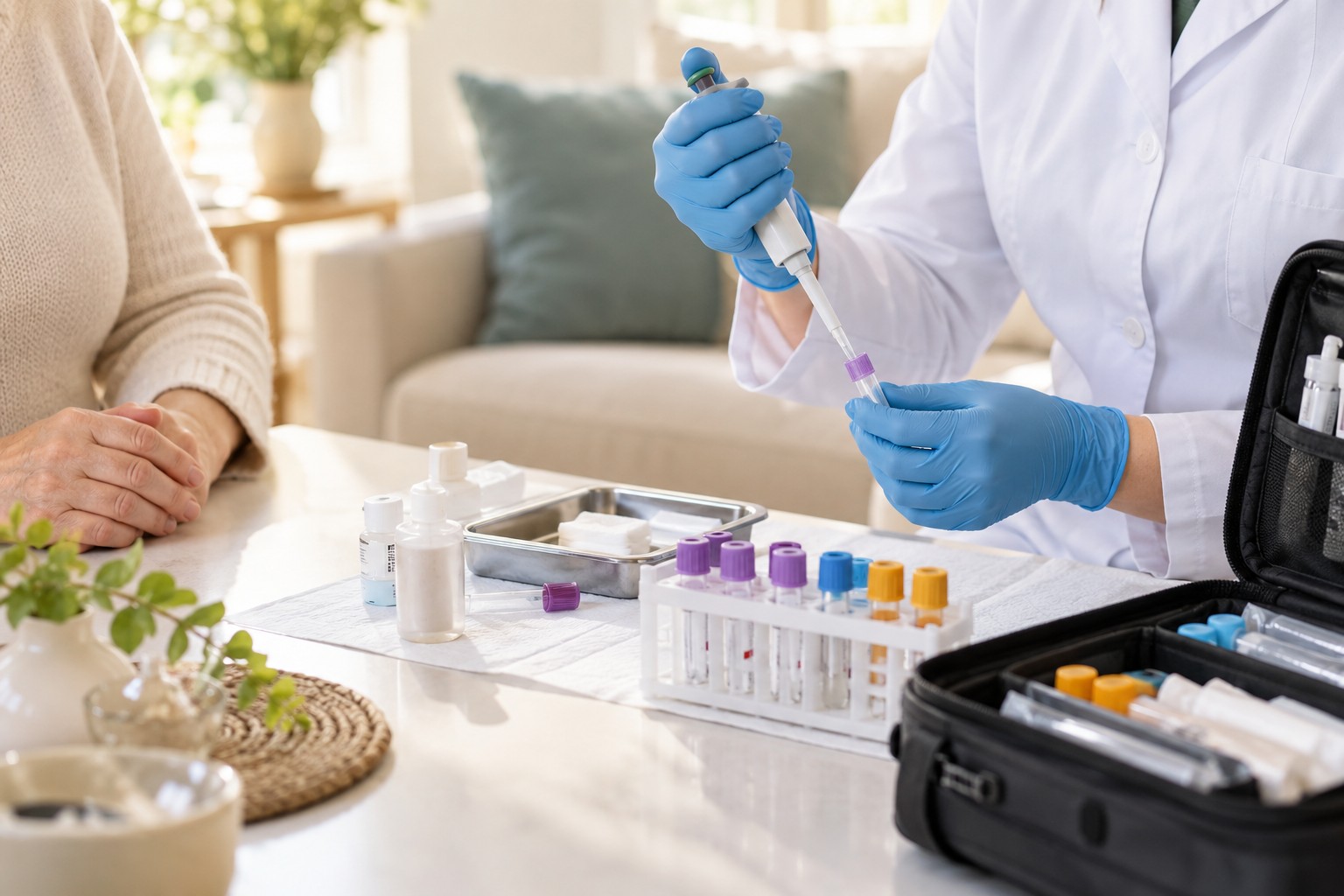
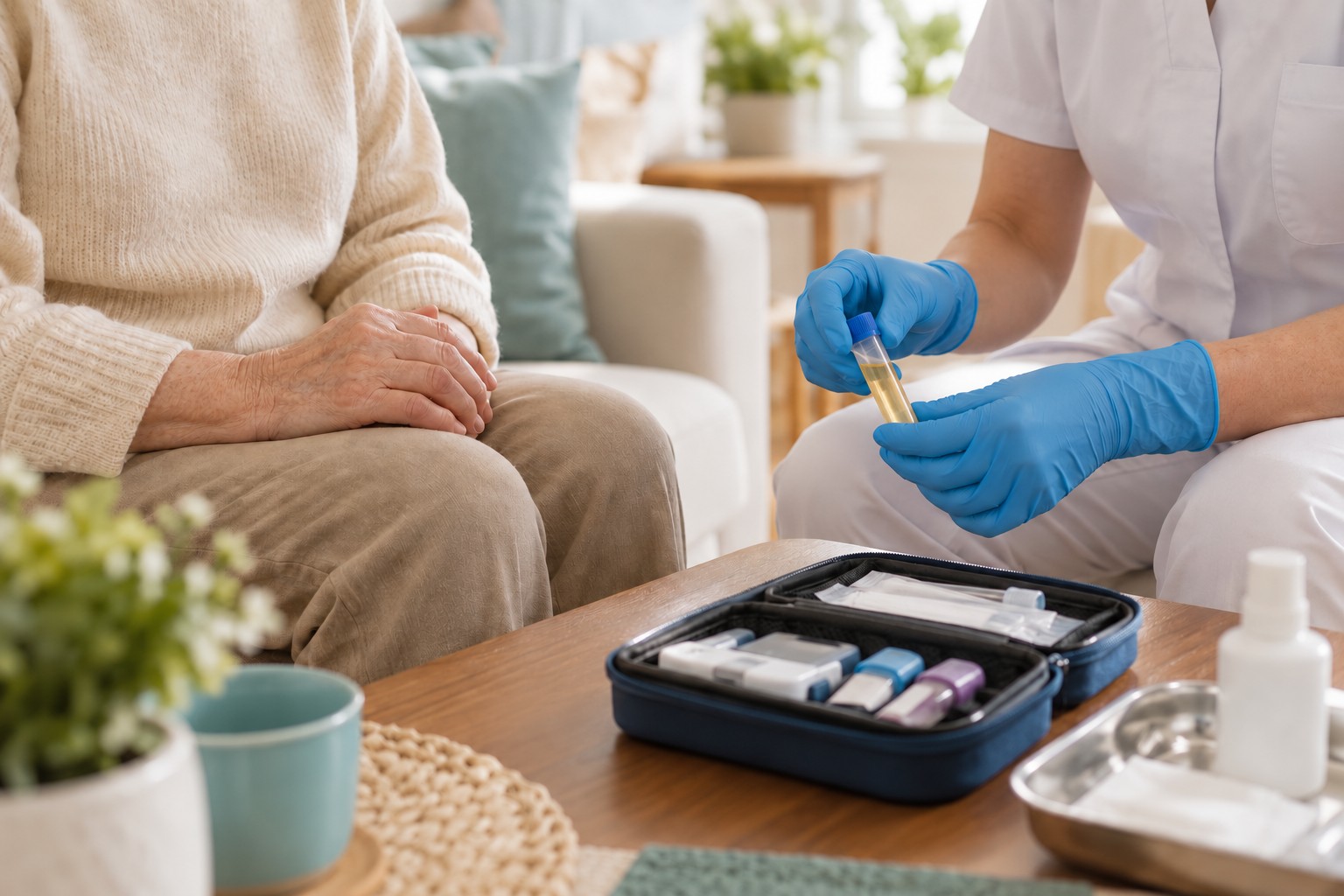
The sample is a few milliliters of blood taken from a vein in the arm. If you need frequent blood tests during pregnancy follow-up, a Curavita nurse can take your blood sample at your home or workplace.
What does the Rubella IgG result mean?
A positive result shows that you are immune to rubella; this protection is usually due to past vaccination or a previous infection. If the IgM test is also negative, there is no finding to suggest a recent infection. If both IgG and IgM are positive, your doctor may request further tests such as an IgG avidity test to understand the timing of the infection. If your result falls in the gray zone, you may be asked to repeat the measurement with a new sample a few weeks later.
A negative result shows that there are not enough antibodies against the virus and that you may be unprotected. If you are not pregnant, your doctor may recommend vaccination; because the vaccine contains live virus, it is not given during pregnancy, and you will be asked to avoid becoming pregnant for a period after vaccination. People who receive a negative result during pregnancy are advised to avoid contact with anyone who has an illness with a rash and to plan vaccination for after giving birth. Reference values and borderline zones vary by laboratory and, for some tests, by age and sex; the value the laboratory uses for this test is shown on this page. Your doctor makes the final assessment of your immune status together with your symptoms and other tests.
Expected result
- Positive: immune
This is the value used by our laboratory; it may vary depending on age, sex, the method used and the laboratory. Review your result together with your doctor.
How is Rubella IgG (German Measles Immunity) done at home?
-
01
Book your appointment
Fill in the online form or call us, and let's plan a day and time that suit you together.
-
02
Your blood is drawn at home
Our nurse comes to your address and collects your blood sample using sterile, single-use supplies.
-
03
You receive your result
Your sample is transported to the laboratory under appropriate conditions; your result is sent to you when it is ready.
Frequently asked questions
The information on this page is for general information only; it does not replace diagnosis or treatment. Consult your doctor for decisions about your health.