

The high-sensitivity CRP test measures low-grade inflammation in the blood and helps assess the risk of cardiovascular disease.
- Sample
- Blood
- Fasting
- Not required
- Turnaround time
- Usually 1 business day
- Test group
- Serology and Infection (ELISA)
Preparation: No fasting required; fasting may be requested if the sample is taken together with lipid tests. Report any recent infection.
Insurance: We work with private health insurers. For this test, we obtain the pre-approval and collect your sample once approval is received; we do not charge a co-payment. Insurance and payment
Contents
What is high-sensitivity CRP (hs-CRP)?
C-reactive protein (CRP) is a protein whose production in the liver rises rapidly when there is inflammation or tissue damage in the body. Its blood level rises within hours after inflammation begins and falls relatively quickly as the inflammation subsides. While the standard CRP test is used to detect obvious inflammatory conditions such as infections, high-sensitivity CRP (hs-CRP) can reliably measure much lower levels. This gives an idea of low-grade inflammation that progresses silently in the vessel walls without causing symptoms.
Inflammation is known to play an important role in the development of atherosclerosis, commonly known as hardening of the arteries. For this reason, hs-CRP is used as a supporting marker in assessing the risk of heart attack and stroke, in addition to classic risk factors such as cholesterol and blood pressure. The measurement is performed on the serum portion of a blood sample taken from the arm, using sensitive antibody-based methods.
When is the high-sensitivity CRP test ordered?
This test is mostly ordered together with a lipid profile in people without obvious complaints, to assess cardiovascular risk in more detail. Especially in people in the intermediate group, whose risk is neither low nor clearly high, it can help determine the extent of preventive measures. The result is included in risk calculations together with information such as cholesterol values and blood pressure, helping to shape lifestyle and treatment recommendations.
- A family history of heart attack or stroke at a young age
- Risk factors such as high cholesterol, high blood pressure or diabetes
- Smoking, excess weight and a sedentary lifestyle
- Suspected metabolic syndrome
- Reassessing risk status after lifestyle changes
How do you prepare for the high-sensitivity CRP test?
Fasting is not mandatory for this test; however, if it is done at the same time as cholesterol and triglyceride measurements, your doctor may ask you to fast for a while. Because a cold, a dental infection, or a recent injury or surgery can temporarily raise the result, it is recommended that the measurement for cardiac risk assessment be done after these have passed. It is helpful to avoid strenuous exercise the day before the test; you are free to drink water.
Because cholesterol-lowering medications and hormone-containing treatments can change hs-CRP levels, tell your doctor about the medications you use. The blood sample is taken from the arm in a simple procedure that takes a few minutes. For this procedure, a Curavita nurse can come to your home or workplace at your appointment time.
What does the high-sensitivity CRP result mean?
Low hs-CRP values suggest a low inflammatory burden in the blood vessels and, when considered together with other risk factors, a lower cardiovascular risk. A raised value may point to an increased risk of heart attack and stroke, but on its own it does not mean a diagnosis of disease. Markedly high results, on the other hand, usually suggest an active infection, an inflammatory disease or recent tissue damage rather than cardiac risk.
Because a single measurement can be affected by temporary factors, two measurements taken about two weeks apart are usually considered in cardiac risk assessment. Smoking, excess weight, a sedentary lifestyle and chronic inflammatory conditions such as rheumatic diseases can also raise the values. Reference ranges can vary by laboratory, age and sex; the range of the laboratory that runs this test is also provided on this page. What your result means for you should be interpreted by your doctor, who evaluates your symptoms and other tests together.
Reference range
Unit: mg/L- < 3
This is the value used by our laboratory; it may vary depending on age, sex, the method used and the laboratory. Review your result together with your doctor.
How is High-Sensitivity CRP (hs-CRP) done at home?
-
01
Book your appointment
Fill in the online form or call us, and let's plan a day and time that suit you together.
-
02
Your blood is drawn at home
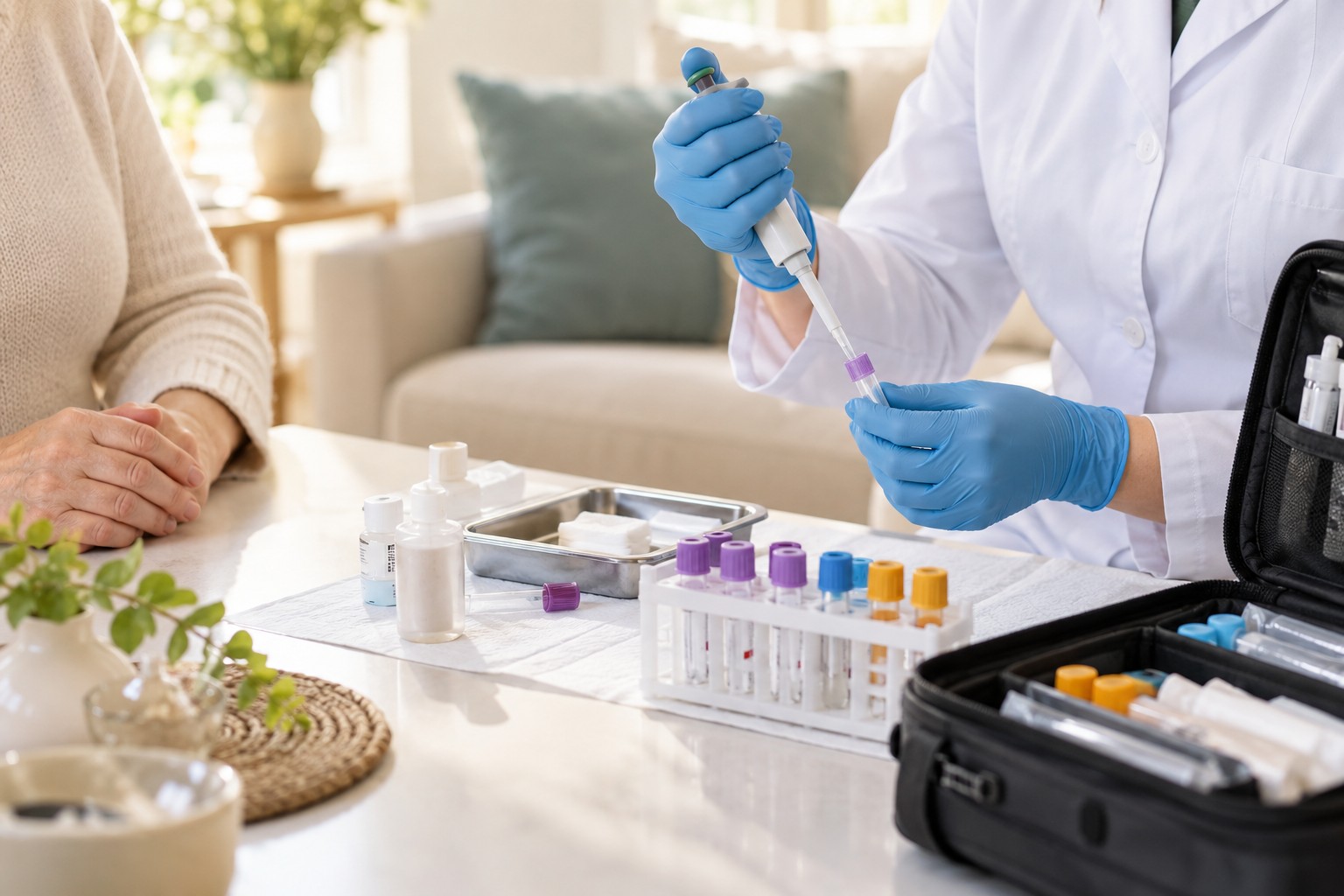
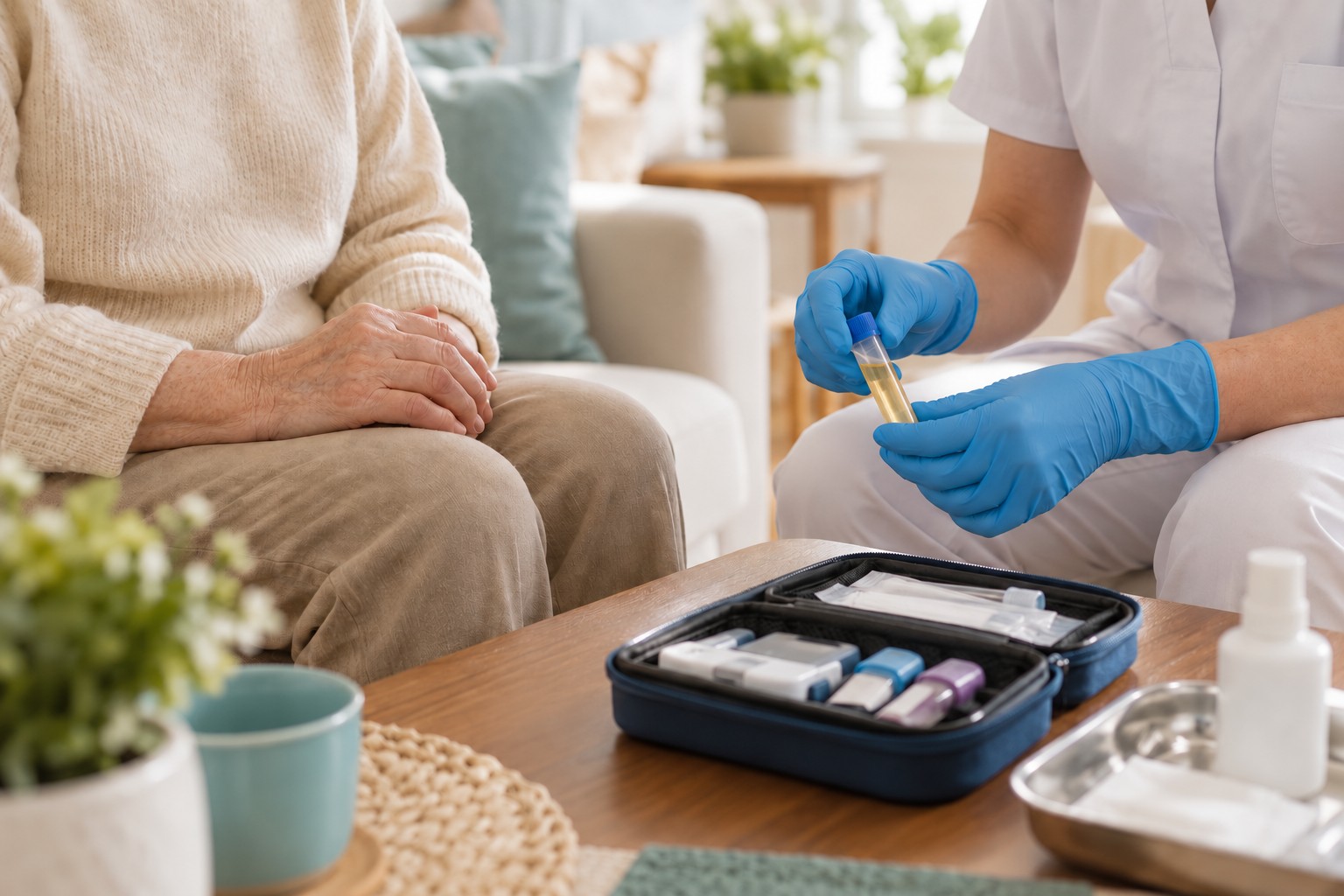
Our nurse comes to your address and collects your blood sample using sterile, single-use supplies.
-
03
You receive your result
Your sample is transported to the laboratory under appropriate conditions; your result is sent to you when it is ready.
Frequently asked questions
The information on this page is for general information only; it does not replace diagnosis or treatment. Consult your doctor for decisions about your health.