

The anti-HBc total test shows whether you have been exposed to the hepatitis B virus at any time in your life; because it is not produced by vaccination, it is a distinguishing marker.
- Sample
- Blood
- Fasting
- Not required
- Turnaround time
- Usually 1–2 business days
- Test group
- Serology and Infection (ELISA)
Preparation: You can give blood at any time without fasting. Keep your previous hepatitis B test results and vaccination records with you.
Insurance: We work with private health insurers. For this test, we obtain the pre-approval and collect your sample once approval is received; we do not charge a co-payment. Insurance and payment
Contents
What is anti-HBc total?
Anti-HBc total is a blood test that measures the combined IgM- and IgG-class antibodies that develop against the core antigen of the hepatitis B virus. Because the core antigen is located in the inner part of the virus, these antibodies form only during an actual infection. Since vaccines create immunity only against the protein on the outer surface of the virus, this test is expected to be negative in a vaccinated person who has never been infected.
After the infection begins, anti-HBc becomes positive within a short time and, even if the virus is cleared from the body, it can usually be detected for life. For this reason, the test shows both a past infection and a current one as positive. To tell which is the case, it is evaluated together with HBsAg, anti-HBs and, when necessary, anti-HBc IgM. In the laboratory, these antibodies are tested for in the serum using an ELISA-based method.
When is an anti-HBc total test ordered?
Anti-HBc total is frequently ordered together with HBsAg and anti-HBs as one of the three core tests in a hepatitis B evaluation. This trio largely makes it possible to tell whether a person is infected, immune or in need of vaccination. It also plays an important role in investigating liver disease and before treatments that suppress the immune system.
- First comprehensive evaluation of hepatitis B status
- Determining before vaccination whether a previous infection has occurred
- Assessing the risk of reactivation before chemotherapy, biologic therapy or transplantation
- Investigations into the cause of chronic liver disease
- Testing for coexisting hepatitis B in people diagnosed with HIV or hepatitis C
- Determining hepatitis B status in dialysis patients and healthcare workers
How do I prepare for an anti-HBc total test?
For this test, you do not need to fast, give blood early in the morning or pause your medications. It is only important to mention if you have had a blood transfusion or immunoglobulin in recent months; antibodies transferred from outside can cause a short-lived, misleading positive result. If treatment that suppresses the immune system is going to be started, the test needs to be done before the treatment.
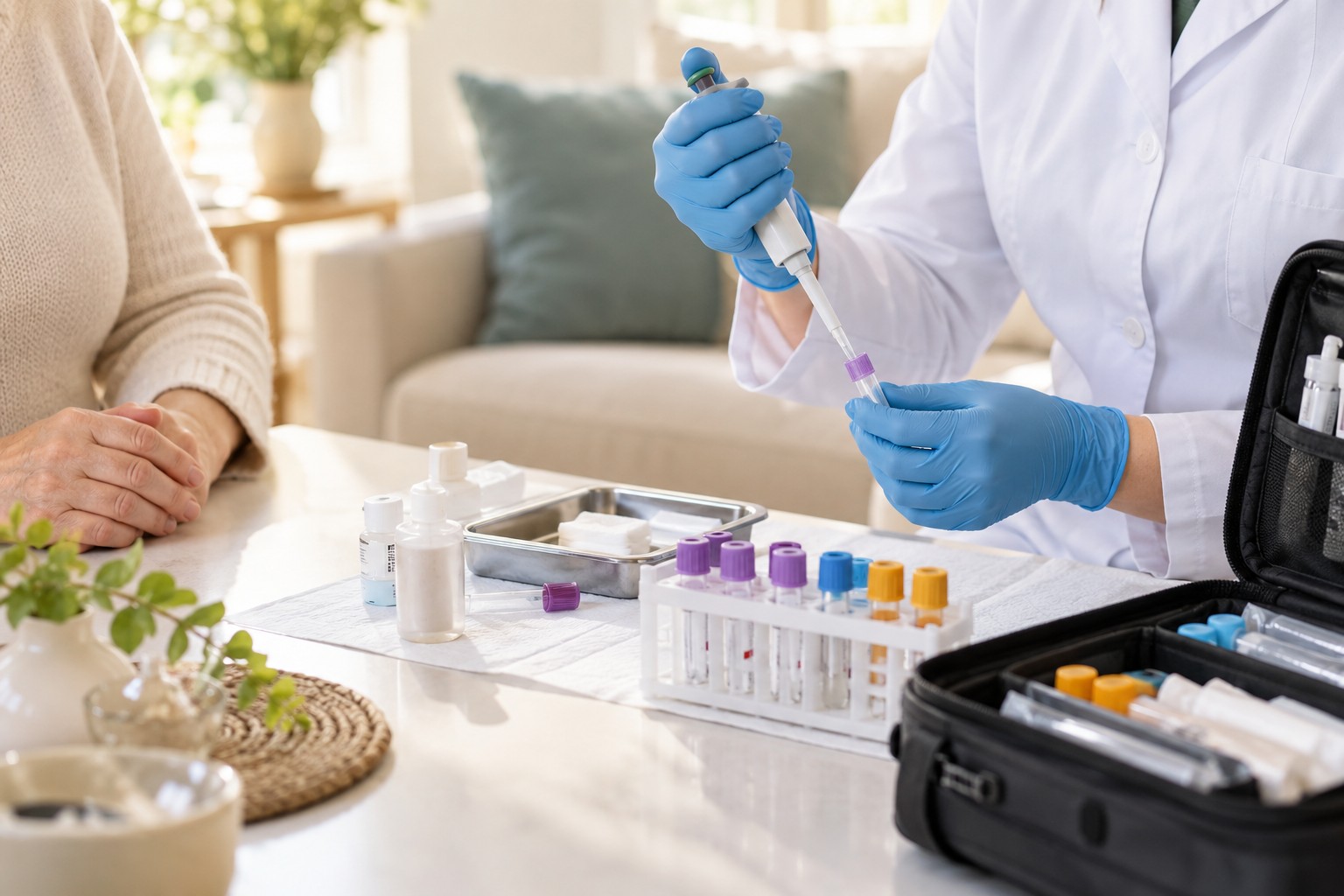
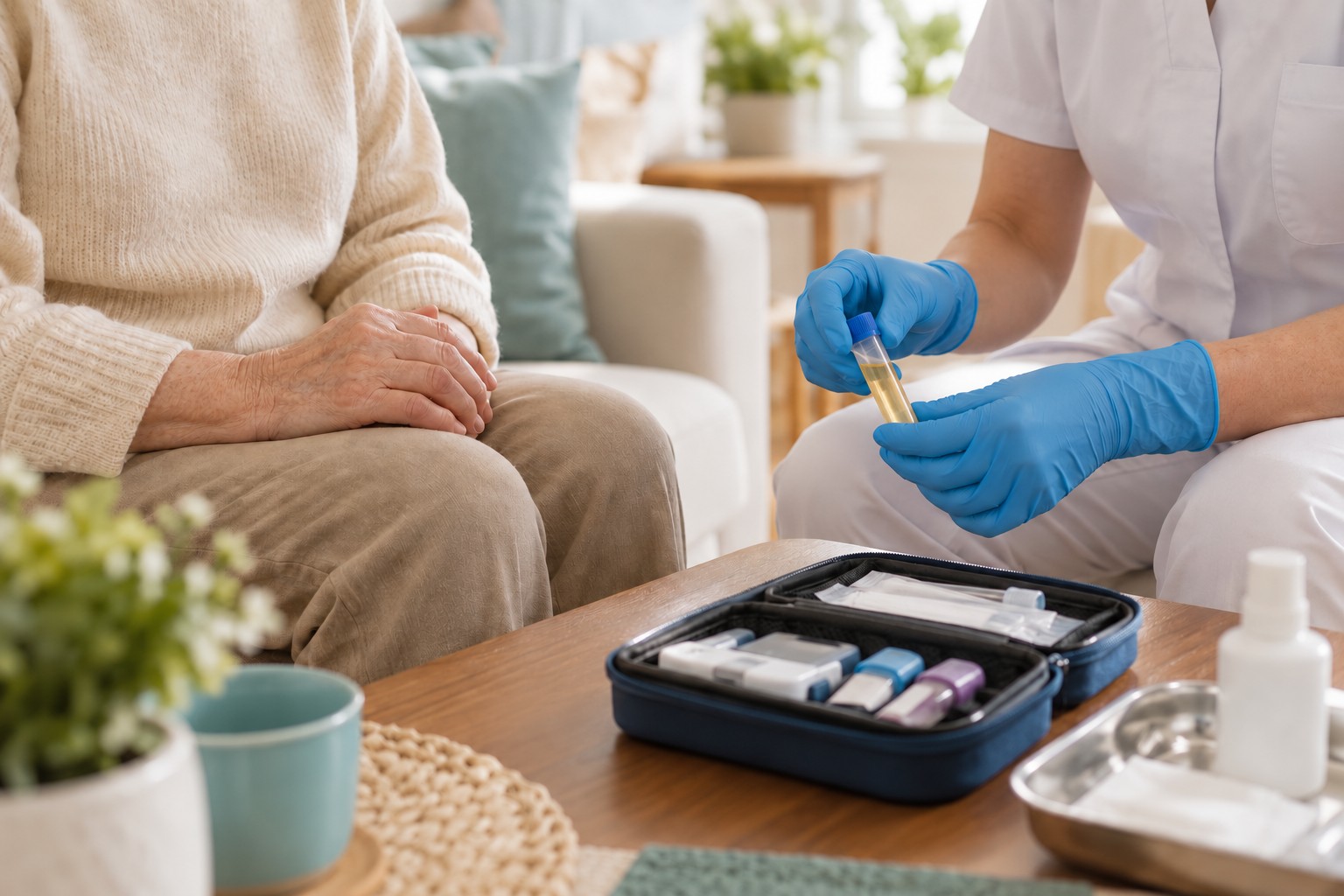
Sharing your previous hepatitis B results, your vaccination card and whether anyone in your family carries hepatitis B with your doctor makes the evaluation easier. Blood is drawn from a vein in the arm, the serum is separated, and it is analyzed in the laboratory. You can also choose to have a nurse come to your home or workplace for the blood draw.
What does an anti-HBc total result mean?
A positive result shows that you have been exposed to the hepatitis B virus at some point. If HBsAg is positive, the infection is ongoing, and the IgM test and other investigations are done to find out whether it is acute or chronic. If HBsAg is negative and anti-HBs is also positive, an infection that has resolved and left immunity is considered. If only anti-HBc total is positive while the other markers are negative, this may be an old infection whose antibodies have declined over time, a hidden (occult) infection or a false positive, and the doctor may order additional tests such as HBV DNA.
A negative result shows that you have not been exposed to the virus before. If anti-HBs is also negative, you are not protected against hepatitis B and your doctor may recommend vaccination; if anti-HBs is positive, your immunity was acquired through vaccination. The sensitivity of the kits and the cut-off values differ by laboratory, and age and immune status can also affect interpretation; the reference the laboratory uses for this test is shown on this page. Since no definitive conclusion can be drawn from a single marker, the evaluation should be made by your doctor together with your symptoms and your other tests.
Expected result
- Negative
This is the value used by our laboratory; it may vary depending on age, sex, the method used and the laboratory. Review your result together with your doctor.
How is Anti-HBc Total (Hepatitis B Core Antibody) done at home?
-
01
Book your appointment
Fill in the online form or call us, and let's plan a day and time that suit you together.
-
02
Your blood is drawn at home
Our nurse comes to your address and collects your blood sample using sterile, single-use supplies.
-
03
You receive your result
Your sample is transported to the laboratory under appropriate conditions; your result is sent to you when it is ready.
Frequently asked questions
The information on this page is for general information only; it does not replace diagnosis or treatment. Consult your doctor for decisions about your health.