


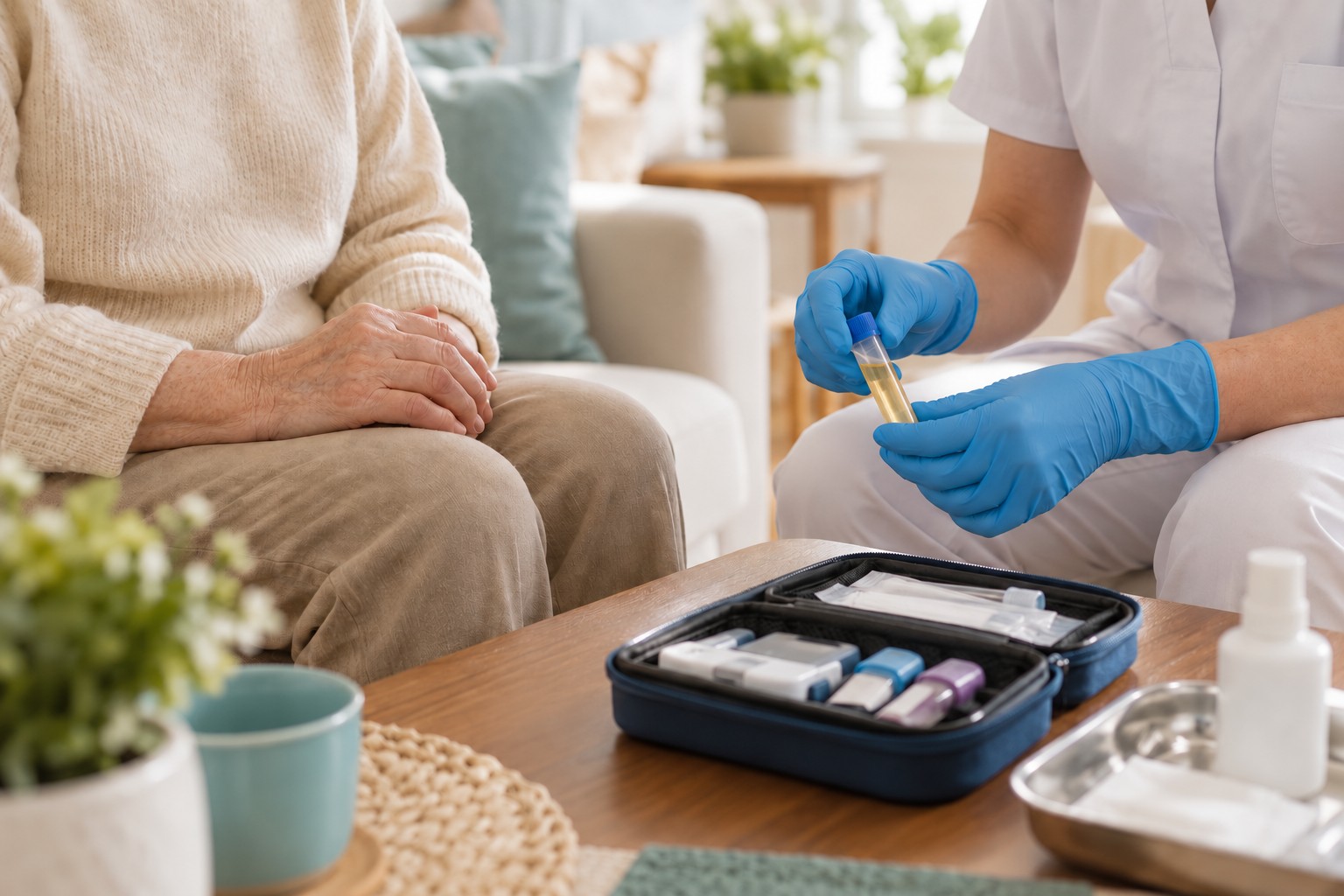
The Anti-HCV test is a screening test that looks for antibodies against the hepatitis C virus. It helps detect this infection, which can progress silently, at an early stage.
- Sample
- Blood
- Fasting
- Not required
- Turnaround time
- Usually 1–2 business days
- Test group
- Serology and Infection (ELISA)
Preparation: You can eat before giving blood. If you have recently had possible contact with blood, tell your doctor the date.
Insurance: We work with private health insurers. For this test, we obtain the pre-approval and collect your sample once approval is received; we do not charge a co-payment. Insurance and payment
Contents
What is Anti-HCV?
Anti-HCV is a screening test designed to detect the antibodies the body produces when it encounters the hepatitis C virus (HCV). Hepatitis C is an infection transmitted mainly through blood that can damage the liver for many years without causing any symptoms. For this reason, many people only find out about the infection through a blood test.
This test is run using a third-generation ELISA method, which provides high sensitivity by detecting antibodies against several proteins of the virus. Antibodies can remain in the blood for a long time even after the infection has cleared. Therefore, a positive anti-HCV result shows that there has been exposure to the virus, but it does not show whether the virus is still in the body. An HCV RNA test is needed to confirm active infection.
When is the Anti-HCV test ordered?
Because hepatitis C usually causes no symptoms, the test is frequently ordered both for people with complaints and for screening. Some international guidelines recommend that all adults be screened for hepatitis C at least once in their lifetime. After possible contact with blood, your doctor may also order the test with appropriate timing.
- Unexplained elevation of the liver enzyme (ALT) or prolonged fatigue
- A history of blood or blood product transfusion, or long-term dialysis treatment
- Tattoos, piercings or cupping (hijama) done under non-sterile conditions, or shared syringes
- Blood exposure accidents such as needlestick injuries in healthcare workers
- Routine screening before surgery, endoscopy or pregnancy follow-up
- Hepatitis C screening in people living with HIV or diagnosed with hepatitis B
How do you prepare for the Anti-HCV test?
You do not need to fast or pause your medications for the Anti-HCV test; the blood sample can be taken at any time of day. If you have had possible contact with blood, tell your doctor the date of this event, because it can take from a few weeks to a few months for antibodies to reach detectable levels. Since the antibody response may be weak in dialysis patients and immunocompromised people, the doctor may plan additional tests.
If you have previously received hepatitis C treatment or a past test was positive, it is important to mention this; in that case, an HCV RNA test may be more meaningful instead of or alongside the antibody test. Blood is drawn from a vein in the arm using single-use supplies. You can also give your sample when a nurse visits your home or workplace.
What does the Anti-HCV result mean?
In most cases, a negative result shows that there is no hepatitis C infection. However, if only a short time has passed since a possible exposure, antibodies may not have formed yet; in that case, your doctor may recommend repeating the test or an HCV RNA test, which looks for the virus directly.
A positive result shows that there has been exposure to the hepatitis C virus at some point, but on its own it does not establish a diagnosis of active infection. Some infected people clear the virus spontaneously, antibodies also remain positive for a long time in those who have been treated, and false-positive results can occur in screening tests. Therefore, after a positive result, an HCV RNA test is used to check whether the virus is present in the blood. Because effective treatment options for hepatitis C are available today, early evaluation is important in a confirmed infection.
The positivity threshold and the way the result is reported can vary from laboratory to laboratory; age, sex and coexisting conditions are also taken into account by the doctor in the overall assessment. You can find this laboratory's reference information on this page. What your result means and the next steps should be determined together with your doctor, taking into account your complaints and your other test results.
Expected result
- Negative
This is the value used by our laboratory; it may vary depending on age, sex, the method used and the laboratory. Review your result together with your doctor.
How is Anti-HCV (Hepatitis C Antibody) done at home?
-
01
Book your appointment
Fill in the online form or call us, and let's plan a day and time that suit you together.
-
02
Your blood is drawn at home
Our nurse comes to your address and collects your blood sample using sterile, single-use supplies.
-
03
You receive your result
Your sample is transported to the laboratory under appropriate conditions; your result is sent to you when it is ready.
Frequently asked questions
The information on this page is for general information only; it does not replace diagnosis or treatment. Consult your doctor for decisions about your health.