

Anti-HBc IgG is a lasting antibody that shows past or current exposure to the hepatitis B virus; it is not produced by vaccination and is important before certain treatments.
- Sample
- Blood
- Fasting
- Not required
- Turnaround time
- Usually 1–2 business days
- Test group
- Serology and Infection (ELISA)
Preparation: No fasting is required; the sample can be taken at any time. Tell your doctor about any planned chemotherapy or biologic drug treatment.
Insurance: We work with private health insurers. For this test, we obtain the pre-approval and collect your sample once approval is received; we do not charge a co-payment. Insurance and payment
Contents
What is anti-HBc IgG?
Anti-HBc IgG measures the IgG-class antibodies formed against the core protein in the inner structure of the hepatitis B virus (HBV). In people exposed to the virus, IgM-class anti-HBc appears first, followed by IgG antibodies, which usually remain in the blood for life. For this reason, the test is a reliable indicator of whether a person has been infected with hepatitis B at any point in their life.
The hepatitis B vaccine does not contain the virus's core protein; therefore, anti-HBc IgG does not develop in people who are protected only through vaccination. This makes it possible to tell whether immunity comes from vaccination or from a past infection. Anti-HBc IgG alone does not show whether the infection is in the past or still ongoing; for that, the HBsAg and anti-HBs results are evaluated together with it. The analysis is performed using the ELISA technique, which detects antibodies in the serum separated from the blood sample.
When is an anti-HBc IgG test ordered?
This test is usually ordered to complete hepatitis B serology and to establish a person's previous exposure to the virus. It is also important before any treatment that will suppress the immune system, because in people who have had hepatitis B in the past, such treatments can cause the virus to become active again. The doctor evaluates the result together with the other hepatitis B markers to draw up a monitoring or prevention plan.
- Evaluation before chemotherapy, biologic drugs, high-dose corticosteroids or organ transplantation
- Investigating whether HBsAg positivity is consistent with an ongoing infection
- Distinguishing whether anti-HBs positivity is due to vaccination or to past illness
- Elevated liver enzymes with no identified cause
- Screening of donors and recipients before organ and tissue transplantation
How do I prepare for an anti-HBc IgG test?
No fasting or special preparation is needed for anti-HBc IgG; the sample can be given at any time of day. You do not need to stop your medications, but if chemotherapy, a biologic drug or another treatment that suppresses the immune system is planned to start soon, tell your doctor. Having received blood products or immunoglobulin in recent months is also relevant information, as it can temporarily affect the result.
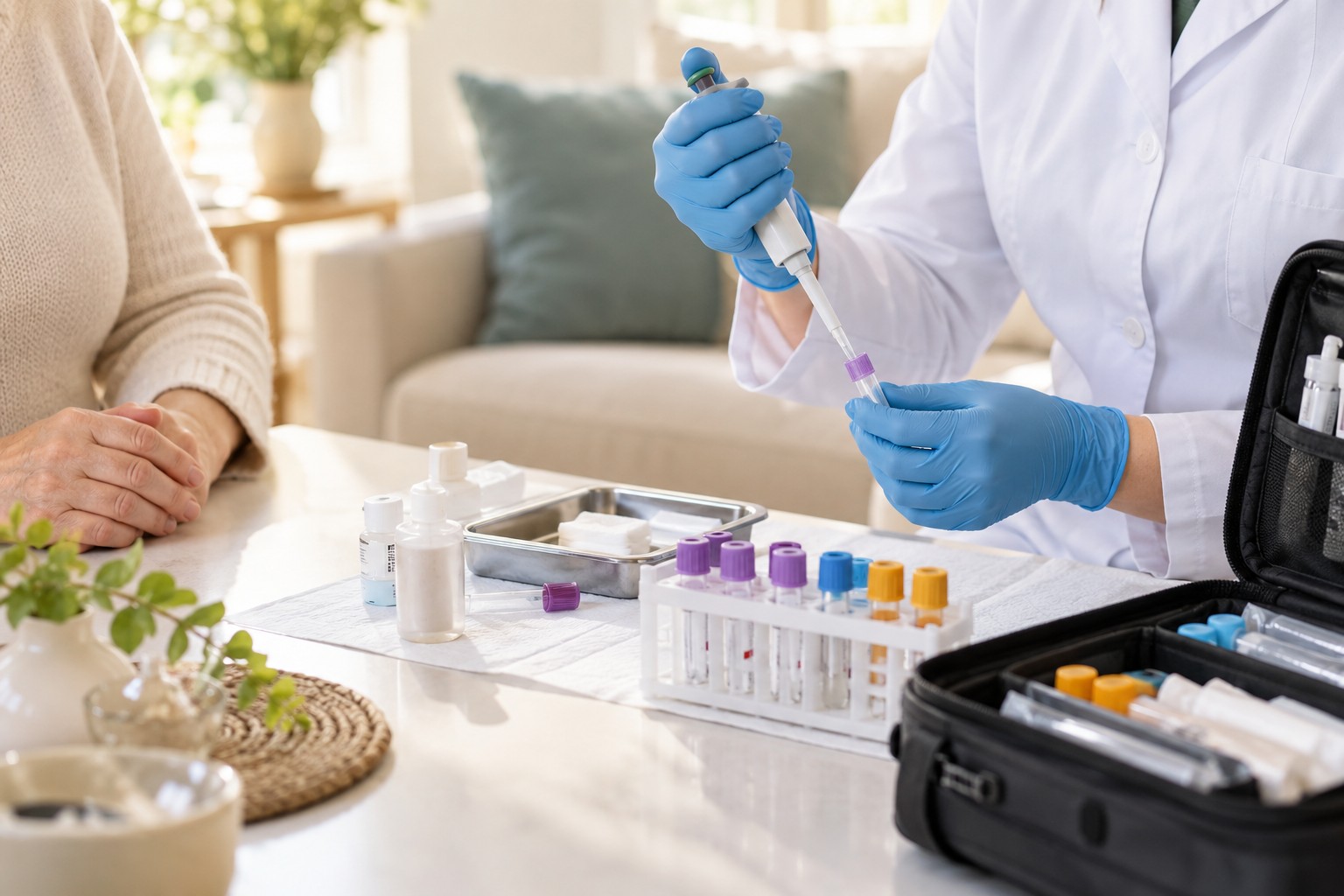
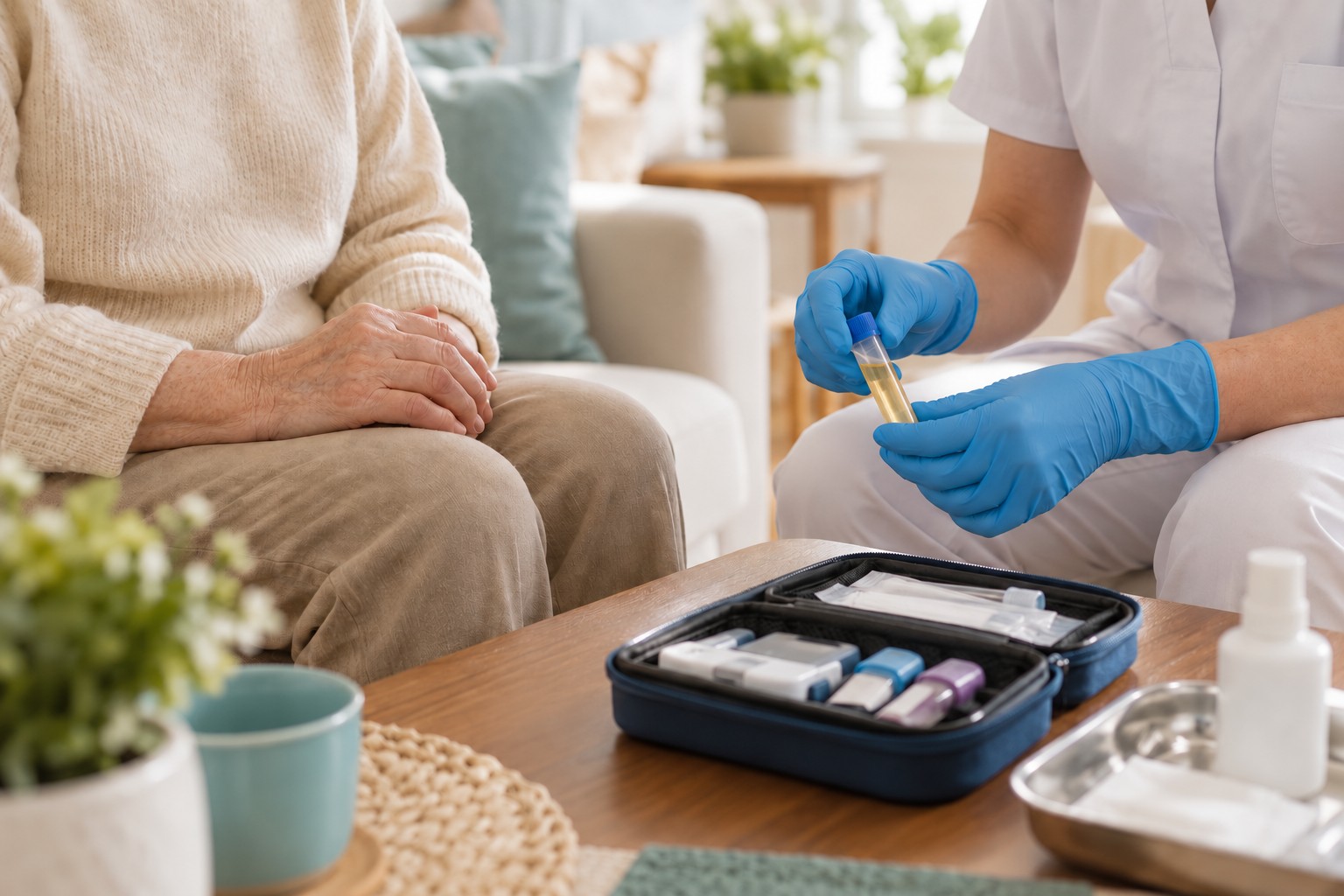
Sharing any previous hepatitis B tests and vaccination records with your doctor helps the results to be interpreted together. Blood is taken from a vein in the arm using single-use equipment; the procedure is quick and usually causes only a slight needle prick. For this test, a nurse can also come to your home or workplace to take your blood sample.
What does an anti-HBc IgG result mean?
A positive result shows that you have been exposed to the hepatitis B virus at some point; whether the infection has resolved or is ongoing is determined by looking at the other markers. If anti-HBs is also positive and HBsAg is negative, the picture is usually consistent with an infection that has resolved and left immunity. If HBsAg is positive and anti-HBc IgM is negative, chronic hepatitis B becomes the more likely possibility, and the doctor assesses the status of the disease with further tests such as HBV DNA.
A negative result shows that you have not previously been exposed to hepatitis B; this is also the expected result in people who have only been vaccinated. Because IgG antibodies may not yet have formed in the very early phase of an infection, the assessment is different if there has been a recent exposure. The test kit and cut-off values can vary by laboratory, and interpretation can differ according to individual characteristics such as age and immune status; the reference information of the laboratory concerned is shown on this page. Your doctor should decide which scenario applies to you, taking into account your symptoms and your other hepatitis B tests.
Expected result
- Negative
This is the value used by our laboratory; it may vary depending on age, sex, the method used and the laboratory. Review your result together with your doctor.
How is Anti-HBc IgG (Hepatitis B Core IgG) done at home?
-
01
Book your appointment
Fill in the online form or call us, and let's plan a day and time that suit you together.
-
02
Your blood is drawn at home
Our nurse comes to your address and collects your blood sample using sterile, single-use supplies.
-
03
You receive your result
Your sample is transported to the laboratory under appropriate conditions; your result is sent to you when it is ready.
Frequently asked questions
The information on this page is for general information only; it does not replace diagnosis or treatment. Consult your doctor for decisions about your health.