


The anti-HAV IgM test is done to look for a recent hepatitis A infection in situations such as jaundice, fatigue and elevated liver enzymes.
- Sample
- Blood
- Fasting
- Not required
- Turnaround time
- Usually 1–2 business days
- Test group
- Serology and Infection (ELISA)
Preparation: You do not need to fast. It is helpful to note the day your symptoms started, your travel history and any recent vaccinations.
Insurance: We work with private health insurers. For this test, we obtain the pre-approval and collect your sample once approval is received; we do not charge a co-payment. Insurance and payment
Contents
What is anti-HAV IgM?
The anti-HAV IgM test measures the level of IgM, the antibody class that forms earliest in the immune response to the hepatitis A virus. These antibodies usually become detectable in the blood around the time symptoms begin and reflect the acute phase of the disease. Because of this, the test is considered the main laboratory method for confirming a current hepatitis A infection.
The hepatitis A virus is transmitted by mouth, especially through contaminated water, vegetables eaten raw or undercooked shellfish, or through close contact with an infected person. After exposure to the virus, it takes an average of four weeks for symptoms to appear, and in young children the infection often goes unnoticed. IgM antibodies gradually decrease during recovery and disappear within six months in most people. In the laboratory, the serum, which is the liquid part of the blood, is separated and tested for antibodies using the ELISA technique.
When is an anti-HAV IgM test ordered?
Your doctor may order this test together with other hepatitis markers when you have complaints that suggest acute viral hepatitis. The test is generally not used for routine screening of people without symptoms, because in that situation the likelihood of a false-positive result increases. Confirming cases that occur in communal living settings such as schools, nurseries or dormitories is also one of the test's important uses.
- Yellowing of the eyes or skin, dark urine or pale stools
- Fatigue, loss of appetite, nausea, vomiting and pain in the upper right abdomen
- Unexplained elevation of liver enzymes (ALT, AST) together with fever
- Similar symptoms appearing after contact with someone diagnosed with hepatitis A
- Fever and abdominal pain starting after returning from an area where hepatitis A is common
How do I prepare for an anti-HAV IgM test?
Fasting is not required for this test; the blood sample can be given in the morning or the afternoon. There is no need to stop any of your medications on your own, but it is useful to prepare a list so that your doctor knows what you take. If you have had the hepatitis A vaccine in recent weeks, be sure to mention it; in the short period after vaccination, low-level IgM positivity can be seen in some people.
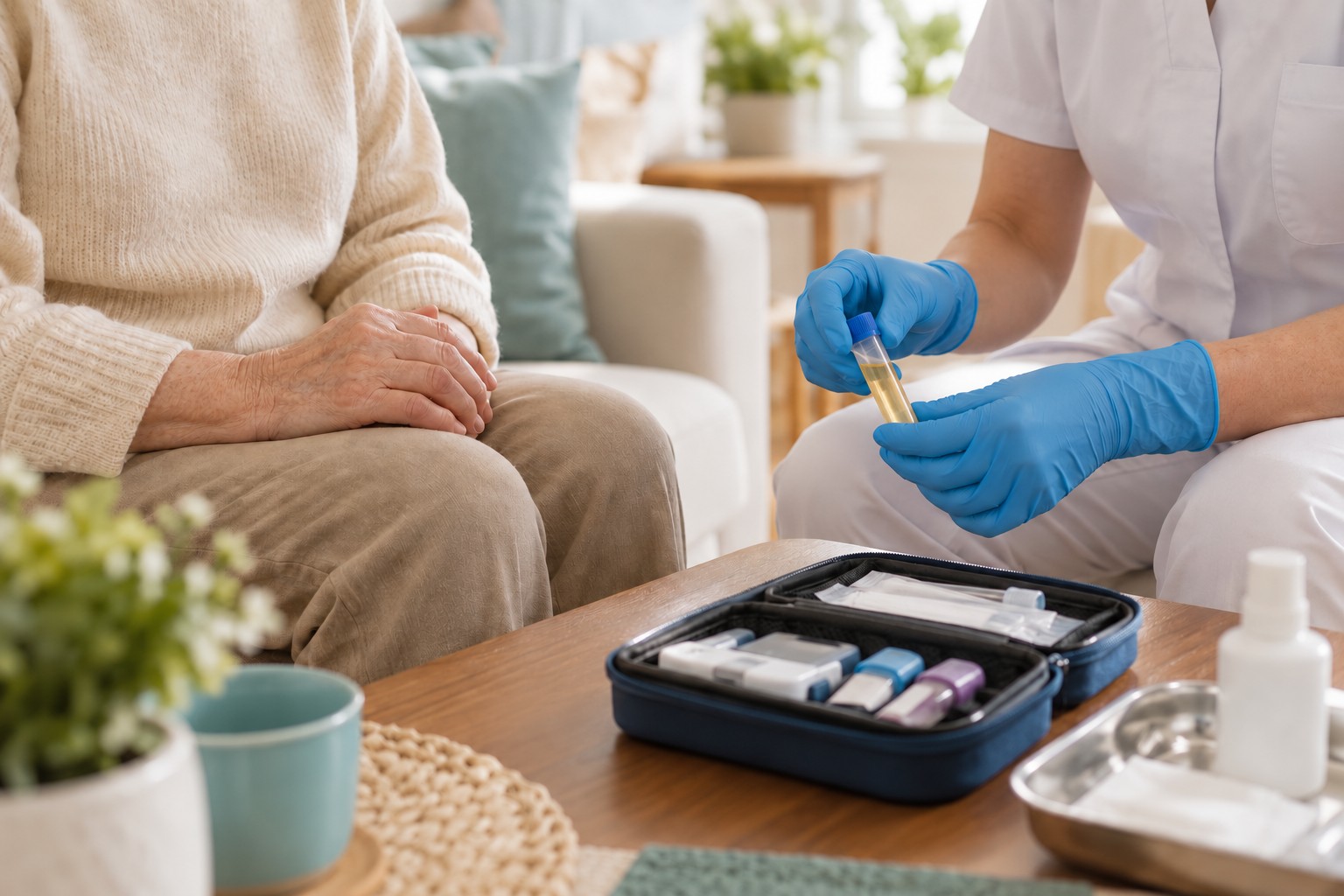
Noting the day your complaints began and any possible contact or travel history helps ensure that the result is interpreted correctly in terms of timing. Blood is taken from a vein in the arm using single-use sterile equipment, and the tube is sent to the laboratory. If you prefer, the sample can also be taken by a nurse at your home or workplace.
What does an anti-HAV IgM result mean?
A positive result, when evaluated together with matching symptoms, usually indicates a recently started hepatitis A infection. Most people recover from hepatitis A on their own; however, your doctor may want to monitor your liver function and plan protective measures for the people around you. In people without symptoms, or after a recent vaccination, a positive result can be misleading.
A negative result shows that the likelihood of an acute hepatitis A infection at the time of testing is low and leads the doctor to look for other causes. Because antibodies may not yet be detectable in a sample taken very early after symptoms begin, the test may be repeated if suspicion persists. This result gives no information about immunity acquired in the past; for that, an IgG or total antibody test is used. Because laboratories may use different kits and cut-off values, interpretation can vary by laboratory, and age and coexisting conditions also affect the assessment; you can see this laboratory's reference information on this page. For a definitive interpretation, the result needs to be considered by your doctor together with your complaints and other findings such as liver tests.
Expected result
- Negative
This is the value used by our laboratory; it may vary depending on age, sex, the method used and the laboratory. Review your result together with your doctor.
How is Anti-HAV IgM (Hepatitis A IgM) done at home?
-
01
Book your appointment
Fill in the online form or call us, and let's plan a day and time that suit you together.
-
02
Your blood is drawn at home
Our nurse comes to your address and collects your blood sample using sterile, single-use supplies.
-
03
You receive your result
Your sample is transported to the laboratory under appropriate conditions; your result is sent to you when it is ready.
Frequently asked questions
The information on this page is for general information only; it does not replace diagnosis or treatment. Consult your doctor for decisions about your health.