

Anti-HAV total measures IgM and IgG antibodies to hepatitis A together; it is a screening test used to understand your immunity and whether you need vaccination.
- Sample
- Blood
- Fasting
- Not required
- Turnaround time
- Usually 1–2 business days
- Test group
- Serology and Infection (ELISA)
Preparation: No special preparation or fasting is required. Mention any hepatitis A vaccination and any immunoglobulin or blood product received in recent months.
Insurance: We work with private health insurers. For this test, we obtain the pre-approval and collect your sample once approval is received; we do not charge a co-payment. Insurance and payment
Contents
What is anti-HAV total?
The anti-HAV total test looks for all antibodies formed against the hepatitis A virus, that is, the IgM and IgG classes together, in a single measurement. When the body encounters this virus, it first produces short-lived IgM antibodies and then lasting IgG antibodies. Without distinguishing between these two antibody groups, the total test shows whether there are any antibodies to hepatitis A in the blood. This approach allows a quick and practical assessment of immunity from a single blood sample.
Hepatitis A is a viral infection that affects the liver but does not become chronic; long-lasting protection develops in people who have had the disease or have been vaccinated. For this reason, the total antibody test is mainly used for immunity screening. The measurement is performed on a serum sample using immunological methods such as ELISA or chemiluminescence, and the result is reported as positive or negative.
When is an anti-HAV total test ordered?
Anti-HAV total is mostly chosen to quickly determine whether people for whom hepatitis A vaccination is being considered are already immune. In regions where part of the population has had hepatitis A in childhood without noticing it, screening before vaccination can reduce unnecessary procedures. If acute illness is suspected, the doctor may order the IgM test together with this test or after it.
- Immunity screening before hepatitis A vaccination
- Determining protection status in people diagnosed with chronic liver disease, hepatitis B or hepatitis C
- Travel, study or work plans that involve a long stay abroad
- Checks for people working in communal settings such as nurseries, schools, dormitories or care facilities
- Initial assessment of possible hepatitis A in cases of jaundice or elevated liver enzymes
How do I prepare for an anti-HAV total test?
You do not need to fast or follow a special diet before the test. The blood sample can be taken at any time of day, and you can continue taking your regular medications as usual. If you have received immunoglobulin or a blood transfusion in the last few months, let your doctor know, as this can affect the result through passive transfer of antibodies.
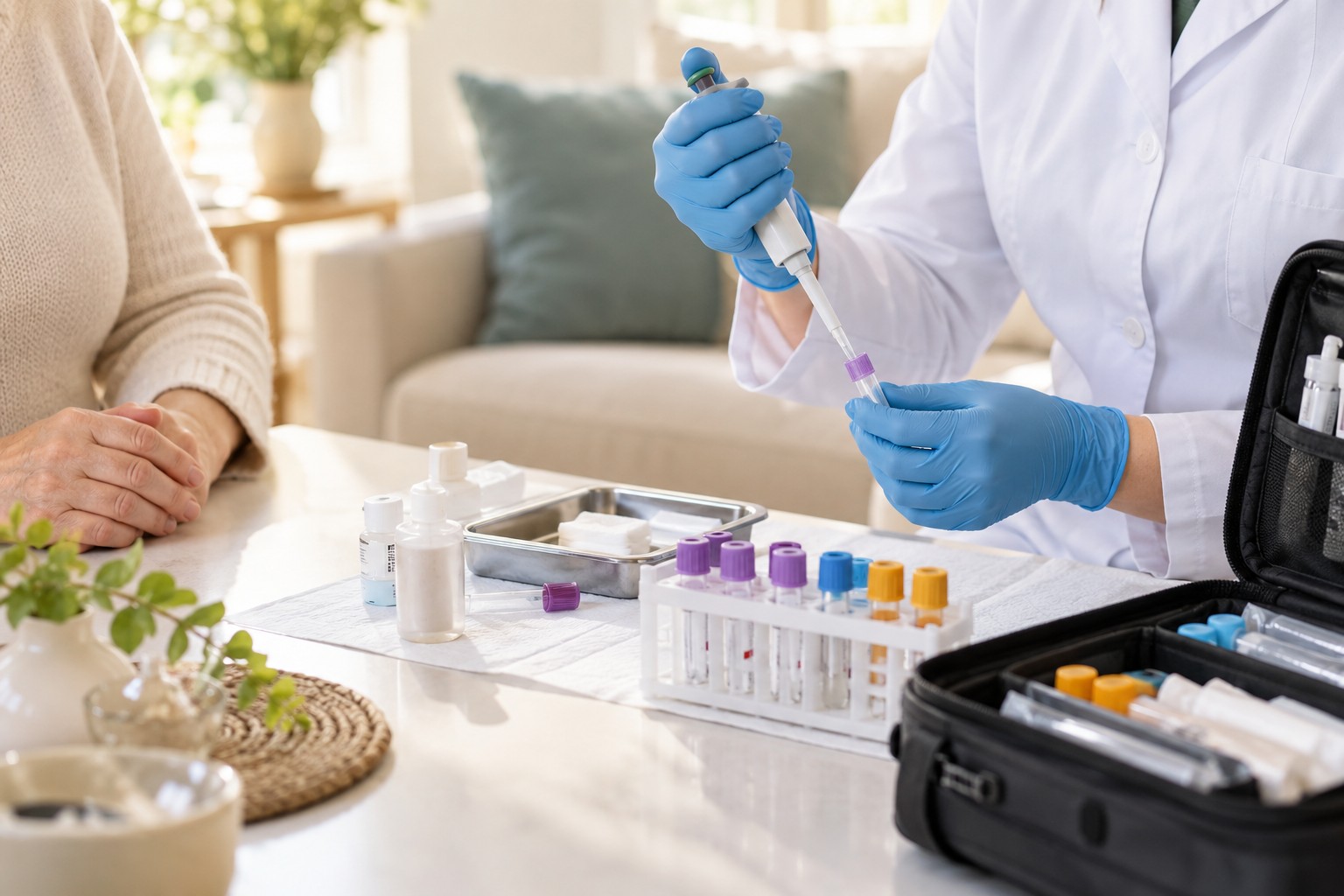
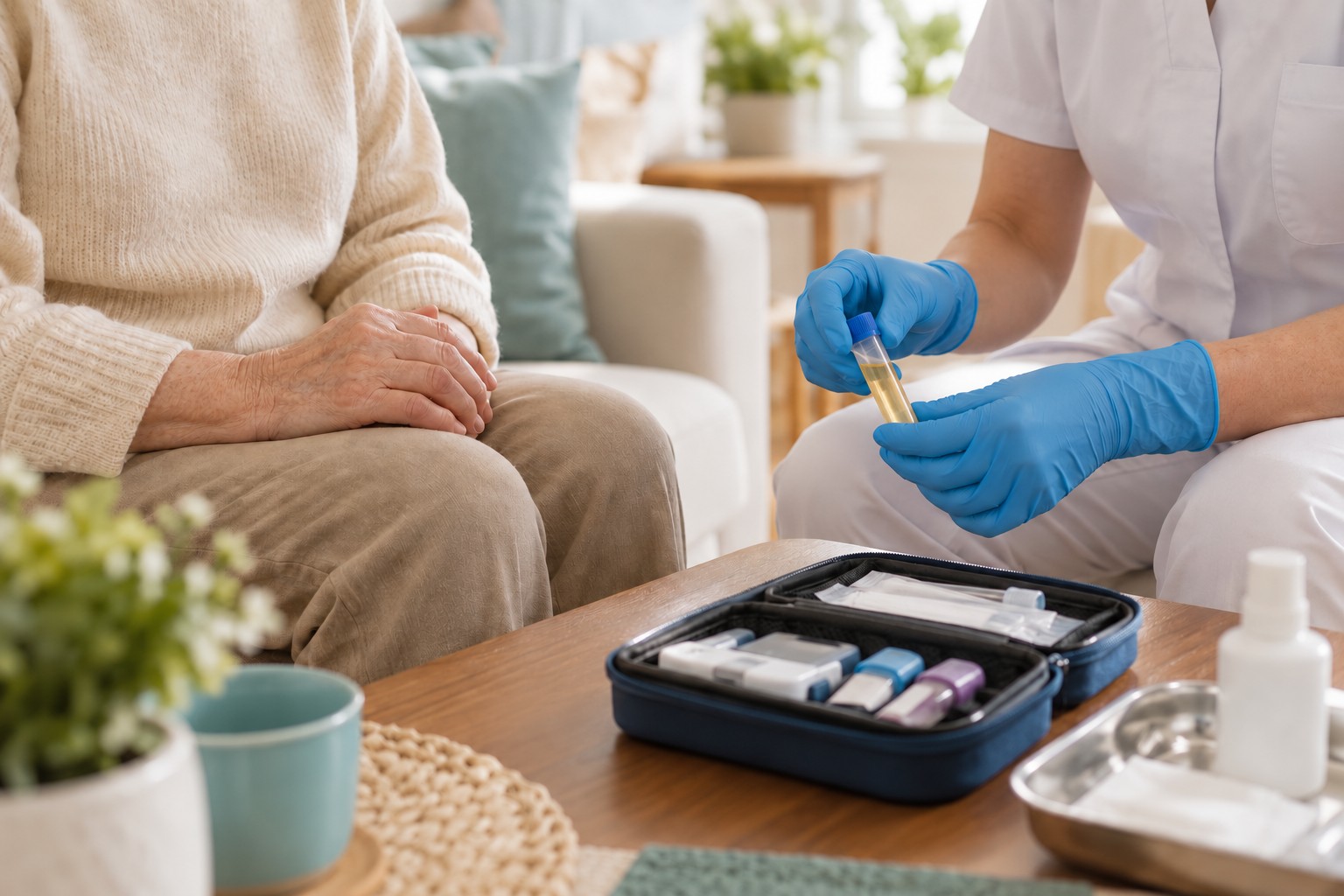
If you do not know whether you have had the hepatitis A vaccine before, it may help to check your childhood vaccination card or ask your doctor. Blood is taken from a vein in the arm with a sterile needle, transferred to a tube and sent to the laboratory. Pressing on the needle site for a few minutes after the procedure helps reduce bruising. If you wish, you can give blood to a nurse at your home or workplace without going to a healthcare facility for this procedure.
What does an anti-HAV total result mean?
A positive result shows that there are antibodies to hepatitis A in your blood. This usually means that you have had the disease in the past or have been vaccinated and are protected. However, because the test does not distinguish between IgM and IgG antibodies, if there is a new clinical picture such as jaundice or elevated liver enzymes, an IgM test is needed to find out whether the positive result is due to an active infection.
A negative result shows that no antibodies to hepatitis A were detected and that you are therefore most likely susceptible to the disease; your doctor may recommend that you get vaccinated. In a very early infection, antibodies may not have formed yet, so the test may be repeated if you have symptoms. The kit used and the positivity threshold vary from laboratory to laboratory, and factors such as age and antibodies passed on from the mother can also affect interpretation; the laboratory's reference assessment is shown on this page. For this reason, the result must always be interpreted by a doctor together with your clinical picture and any additional tests considered necessary.
Expected result
- Positive: immune
This is the value used by our laboratory; it may vary depending on age, sex, the method used and the laboratory. Review your result together with your doctor.
How is Anti-HAV Total (Hepatitis A Total Antibody) done at home?
-
01
Book your appointment
Fill in the online form or call us, and let's plan a day and time that suit you together.
-
02
Your blood is drawn at home
Our nurse comes to your address and collects your blood sample using sterile, single-use supplies.
-
03
You receive your result
Your sample is transported to the laboratory under appropriate conditions; your result is sent to you when it is ready.
Frequently asked questions
The information on this page is for general information only; it does not replace diagnosis or treatment. Consult your doctor for decisions about your health.