

The anti-HAV IgG test shows whether you have immunity to hepatitis A acquired through past infection or vaccination; it helps with the decision to vaccinate.
- Sample
- Blood
- Fasting
- Not required
- Turnaround time
- Usually 1–2 business days
- Test group
- Serology and Infection (ELISA)
Preparation: Fasting is not required; blood can be given at any time of day. If you have had the hepatitis A vaccine, tell your doctor the vaccination dates.
Insurance: We work with private health insurers. For this test, we obtain the pre-approval and collect your sample once approval is received; we do not charge a co-payment. Insurance and payment
Contents
What is anti-HAV IgG?
Anti-HAV IgG is a blood test that looks for IgG-class antibodies produced by the immune system against the hepatitis A virus. Hepatitis A is a viral infection that is mostly transmitted through contaminated water and food or through close contact, and it causes inflammation of the liver. The disease does not become chronic and leaves lasting immunity in people who recover. While the infection is often mild or symptom-free in young children, jaundice and marked fatigue are more common in adults.
IgG antibodies begin to form in the first weeks of the infection and, in most people, remain at detectable levels in the blood for life. The hepatitis A vaccine also causes the body to produce the same type of antibody. For this reason, the test does not distinguish whether protection comes from past illness or from vaccination; it only shows that the antibody is present. The measurement is performed in the laboratory on a serum sample using ELISA or similar immunological methods.
When is an anti-HAV IgG test ordered?
This test is most often ordered to find out whether a person is protected against hepatitis A. Especially in adults who did not receive the hepatitis A vaccine in childhood, checking immunity before vaccination can prevent unnecessary vaccination. It is not sufficient on its own to diagnose a recently started infection; for that purpose, the doctor usually orders the anti-HAV IgM test.
- Determining immune status before hepatitis A vaccination
- Assessing protection status in people with chronic liver disease
- Preparation before travel to areas where hepatitis A is common
- Immunity checks for people working in food preparation, childcare or healthcare
- Planning protection after close contact with someone diagnosed with hepatitis A
How do I prepare for an anti-HAV IgG test?
You do not need to fast for the anti-HAV IgG test, and the blood sample can be given at any time of day. Medications you take regularly generally do not affect the result, and you do not need to change your usual eating and drinking habits before the test. However, if you have received immunoglobulin therapy, blood or blood products in recent months, it is important to tell your doctor; antibodies transferred into the body from outside through these treatments can temporarily make the result appear positive.
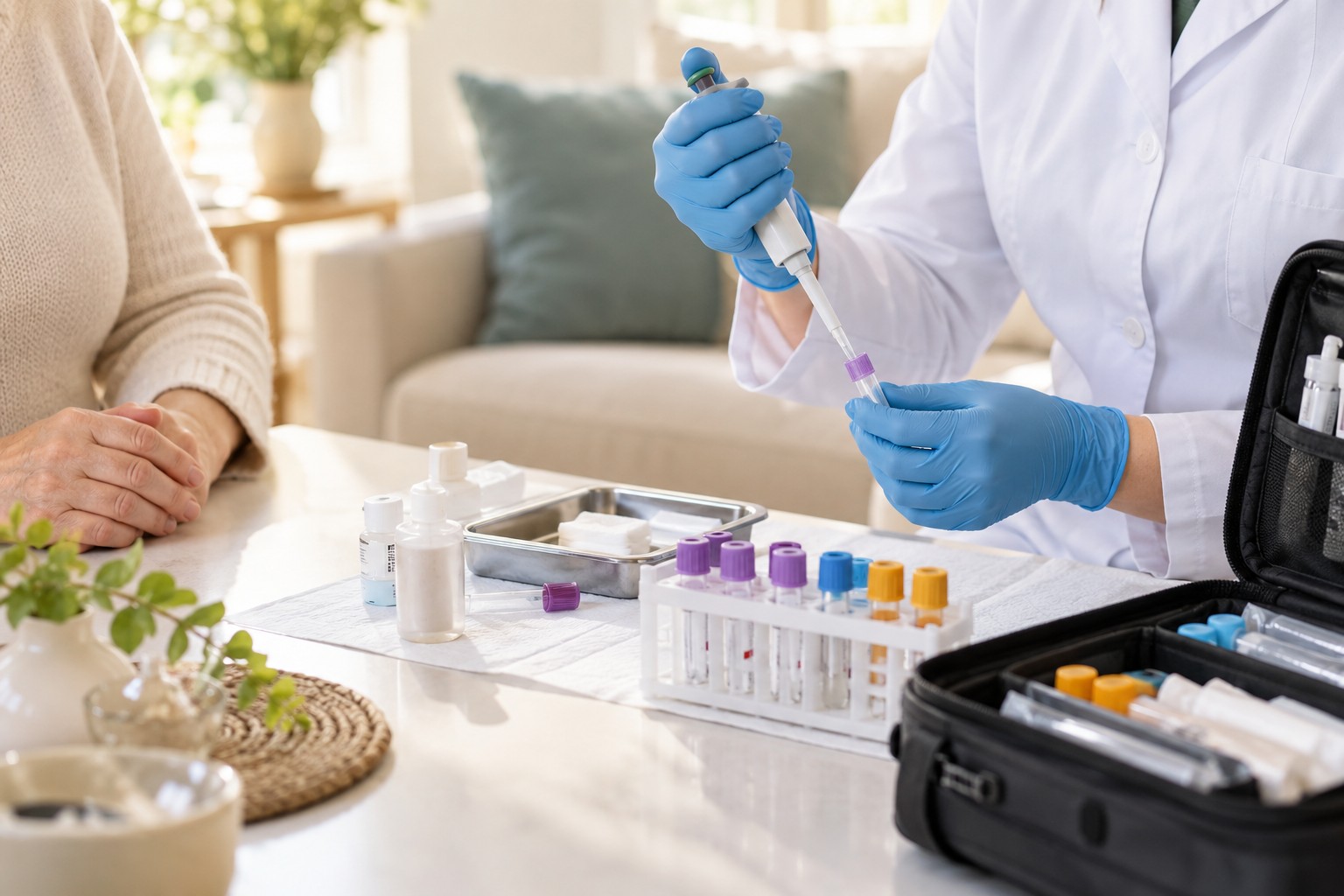
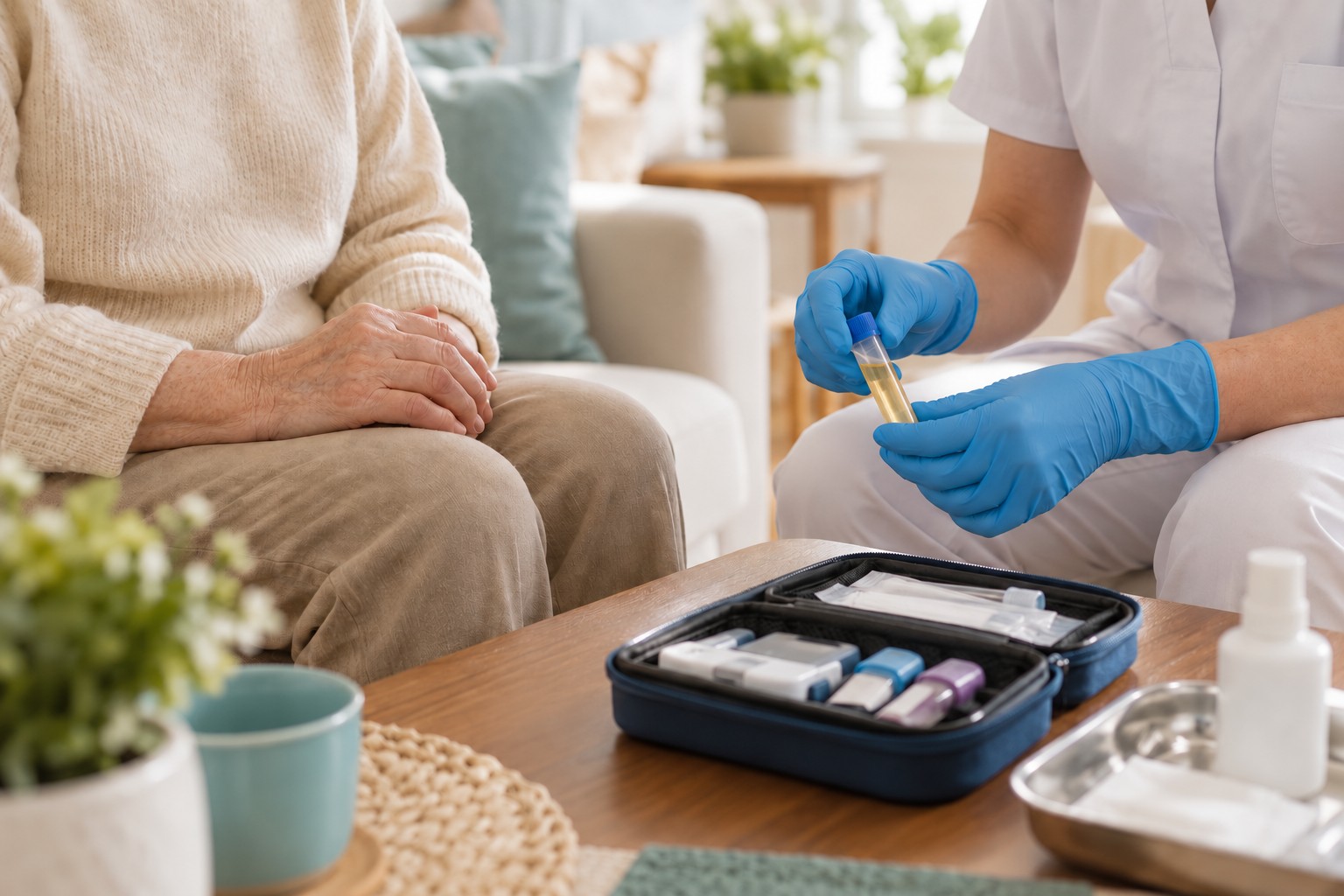
If you have had the hepatitis A vaccine, keeping your vaccination card or the dates of your doses with you makes it easier to interpret the result. The sample is taken from a vein in the arm with a fine needle, and the procedure usually takes a few minutes. Our nurse can take your blood sample at your home or workplace.
What does an anti-HAV IgG result mean?
A positive result shows that you have had hepatitis A in the past or have acquired immunity through vaccination, and it generally means that you are protected against the disease. In this case, most people do not need the vaccine. However, because IgG antibodies can also appear in a recently started infection, if there is jaundice or a rise in liver enzymes, the doctor may clarify the situation with an IgM test. In babies under one year of age, a positive result may reflect antibodies passed on from the mother.
A negative result suggests that you have no detectable immunity to hepatitis A, and your doctor may recommend vaccination. Because vaccine-induced antibodies can sometimes remain at levels too low for the test to detect, a negative result in vaccinated people does not always mean a lack of protection. The positivity threshold can vary depending on the laboratory and the method used, and interpretation can also be affected by personal factors such as age; the reference information the laboratory provides for this test is shown on this page. Your doctor should evaluate what your result means for you together with your symptoms and your other tests.
Expected result
- Positive: immune
This is the value used by our laboratory; it may vary depending on age, sex, the method used and the laboratory. Review your result together with your doctor.
How is Anti-HAV IgG (Hepatitis A IgG) done at home?
-
01
Book your appointment
Fill in the online form or call us, and let's plan a day and time that suit you together.
-
02
Your blood is drawn at home
Our nurse comes to your address and collects your blood sample using sterile, single-use supplies.
-
03
You receive your result
Your sample is transported to the laboratory under appropriate conditions; your result is sent to you when it is ready.
Frequently asked questions
The information on this page is for general information only; it does not replace diagnosis or treatment. Consult your doctor for decisions about your health.