

The TPHA test looks for antibodies specific to Treponema pallidum, the bacterium that causes syphilis, and is used to confirm screening results.
- Sample
- Blood
- Fasting
- Not required
- Turnaround time
- Usually 1–2 business days
- Test group
- Serology and Infection (ELISA)
Preparation: No fasting is required. Tell your doctor if you have previously been diagnosed with or treated for syphilis, or if you are pregnant.
Insurance: We work with private health insurers. For this test, we obtain the pre-approval and collect your sample once approval is received; we do not charge a co-payment. Insurance and payment
Contents
What is TPHA?
TPHA is a test that detects antibodies the body forms against Treponema pallidum, the bacterium that causes syphilis. Syphilis is an infection that is mostly transmitted through sexual contact, can pass from mother to baby during pregnancy, and can be treated effectively. If left untreated, it can affect the heart, blood vessels and nervous system over the years, so early diagnosis is important. Because the disease can also progress without symptoms, in many people it is diagnosed only through screening tests.
Because it measures antibodies specific to the bacterium, it belongs to the group of treponemal tests and has high specificity. These antibodies usually become detectable in the blood a few weeks after infection. Because they often remain positive for life even after successful treatment, TPHA cannot distinguish past from current infection. The classic TPHA method checks whether antibodies in the serum clump together cells coated with bacterial antigens; some laboratories also use methods such as ELISA for the same purpose. The result is reported as negative or positive.
When is the TPHA test ordered?
TPHA is mostly ordered to confirm the result when a screening test such as VDRL or RPR is reactive. In some laboratories, however, screening starts directly with a treponemal test, and positive results are followed up with VDRL-RPR. Whichever order is used, assessing the two groups of tests together helps establish both the diagnosis and whether the infection is active. Screening in pregnancy is particularly important for preventing transmission to the baby.
- A reactive VDRL-RPR screening test
- Pregnancy screening
- A painless sore in the genital area or mouth
- A rash on the palms and soles, enlarged lymph nodes
- A partner diagnosed with syphilis
- Comprehensive assessment for sexually transmitted infections
How should I prepare for the TPHA test?
There are no food or drink restrictions before TPHA; you can freely choose the time of your blood draw. If you have previously been diagnosed with and treated for syphilis, be sure to mention it, because the test can remain positive after treatment and your doctor will interpret the result in light of your history. If a possible exposure happened recently, it is advisable to discuss the timing of the test with your doctor, as a certain amount of time must pass for antibodies to form.
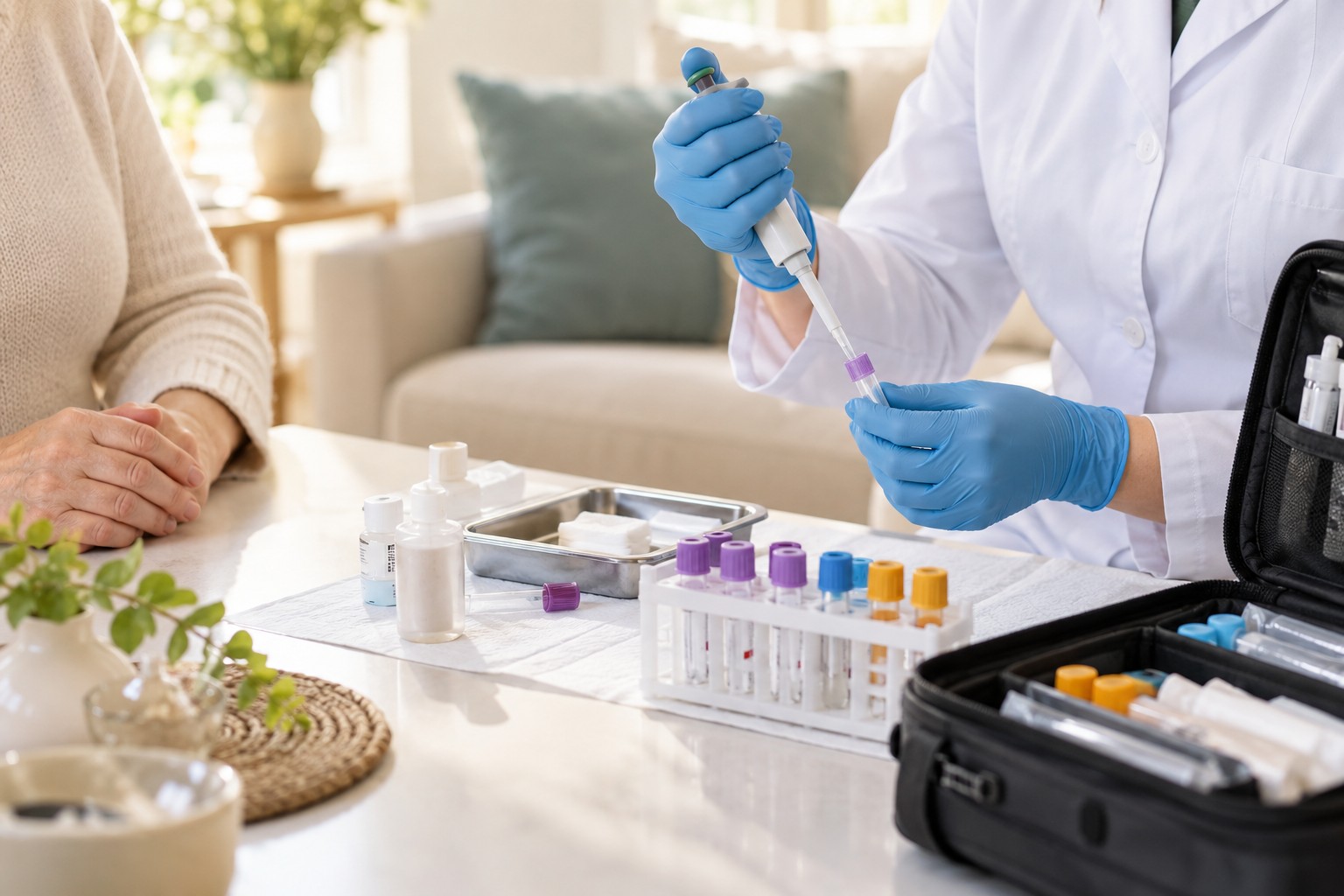
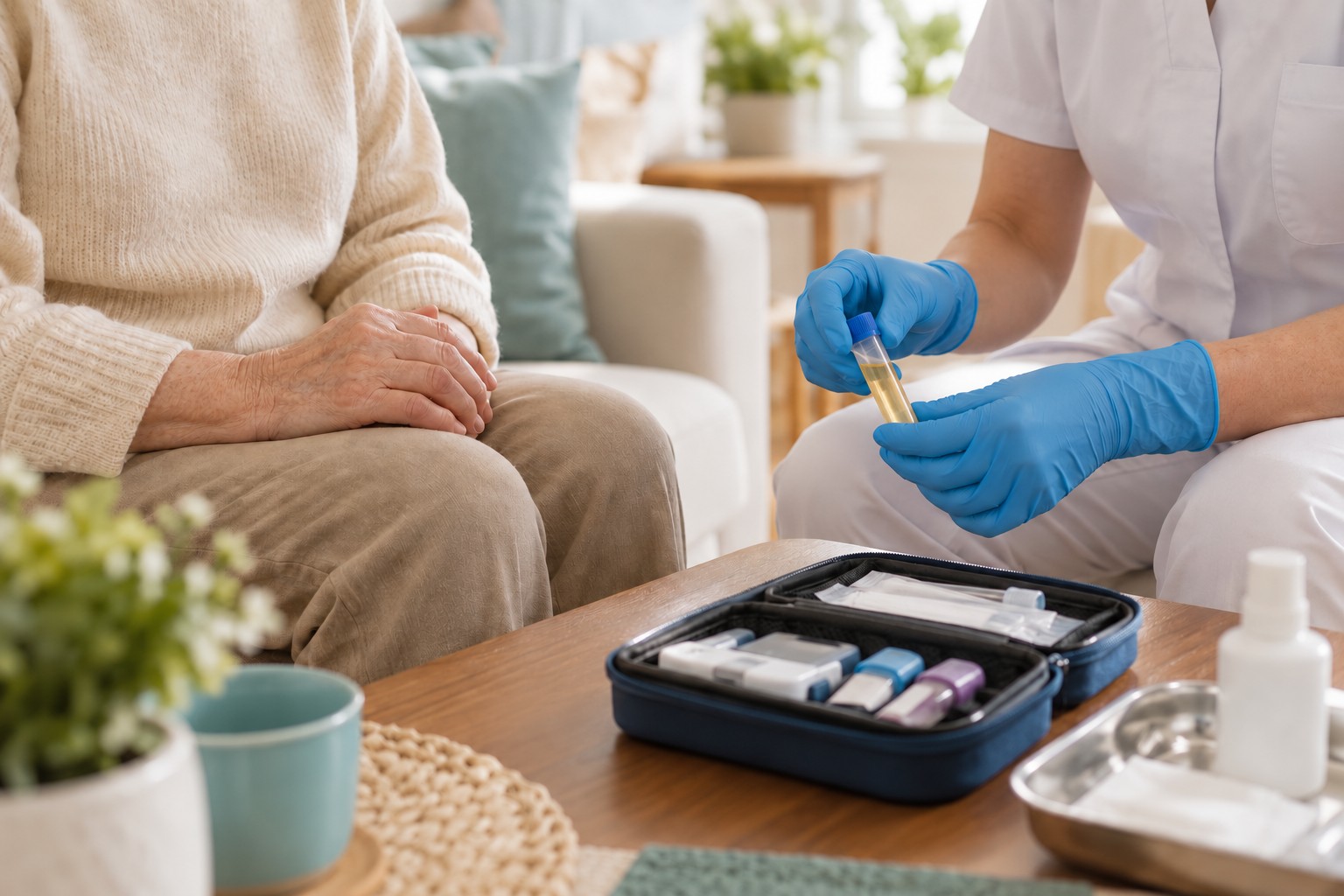
The blood sample is taken with a fine needle inserted into a vein in your arm, and the procedure is usually completed within a few minutes. If you prefer a more private setting, a Curavita nurse can draw your blood at your home or workplace. Like other health data, test results related to sexual health are covered by legal confidentiality rules.
What does the TPHA result mean?
A negative result shows that there are no antibodies against the bacterium and that you have most likely not had syphilis. However, because antibodies may not yet have formed in the very early stage of infection, the test may be repeated after a certain period if there has been a recent risky contact. A negative result does not protect against future exposures; if the risk continues, screening can be repeated at regular intervals.
A positive result shows that the person has been exposed to the bacterium, either currently or in the past; to determine whether the infection is active, the VDRL-RPR titer and clinical findings are assessed together. Rarely, other treponemal species or some autoimmune diseases can also cause a positive result; in doubtful cases, confirmation is done with a different treponemal test. If the diagnosis is confirmed, treatment is planned by the doctor, and it is recommended that the partner is also assessed. Although reference values generally vary by laboratory, age and sex, TPHA is reported qualitatively in this laboratory, and the reference used is shown on this page. Interpreting the TPHA result together with symptoms, past treatments and other tests is up to your doctor.
Expected result
- Negative
This is the value used by our laboratory; it may vary depending on age, sex, the method used and the laboratory. Review your result together with your doctor.
How is TPHA (Syphilis Antibody) done at home?
-
01
Book your appointment
Fill in the online form or call us, and let's plan a day and time that suit you together.
-
02
Your blood is drawn at home
Our nurse comes to your address and collects your blood sample using sterile, single-use supplies.
-
03
You receive your result
Your sample is transported to the laboratory under appropriate conditions; your result is sent to you when it is ready.
Frequently asked questions
The information on this page is for general information only; it does not replace diagnosis or treatment. Consult your doctor for decisions about your health.