
About Adalar On-Site Laboratory Service
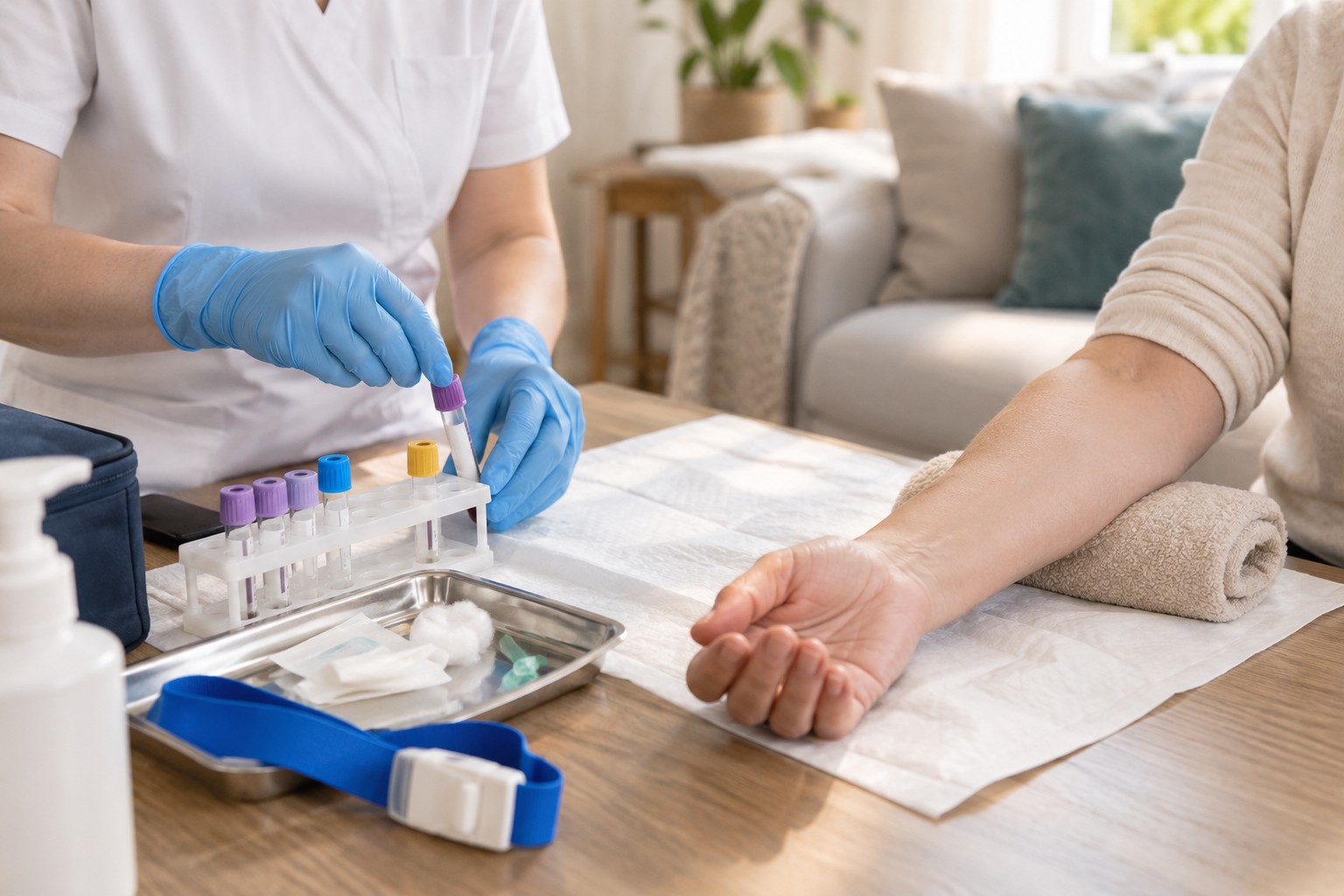
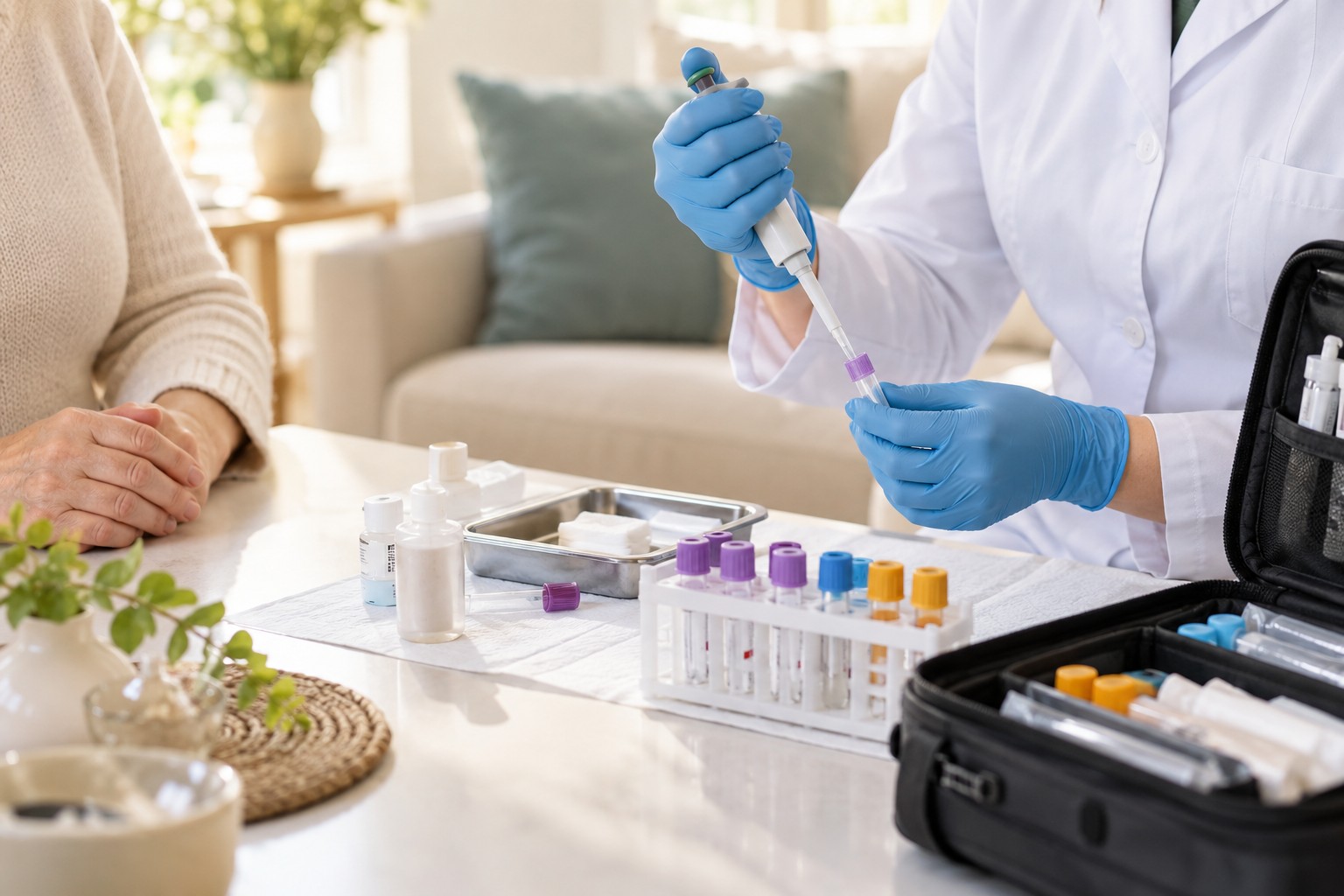
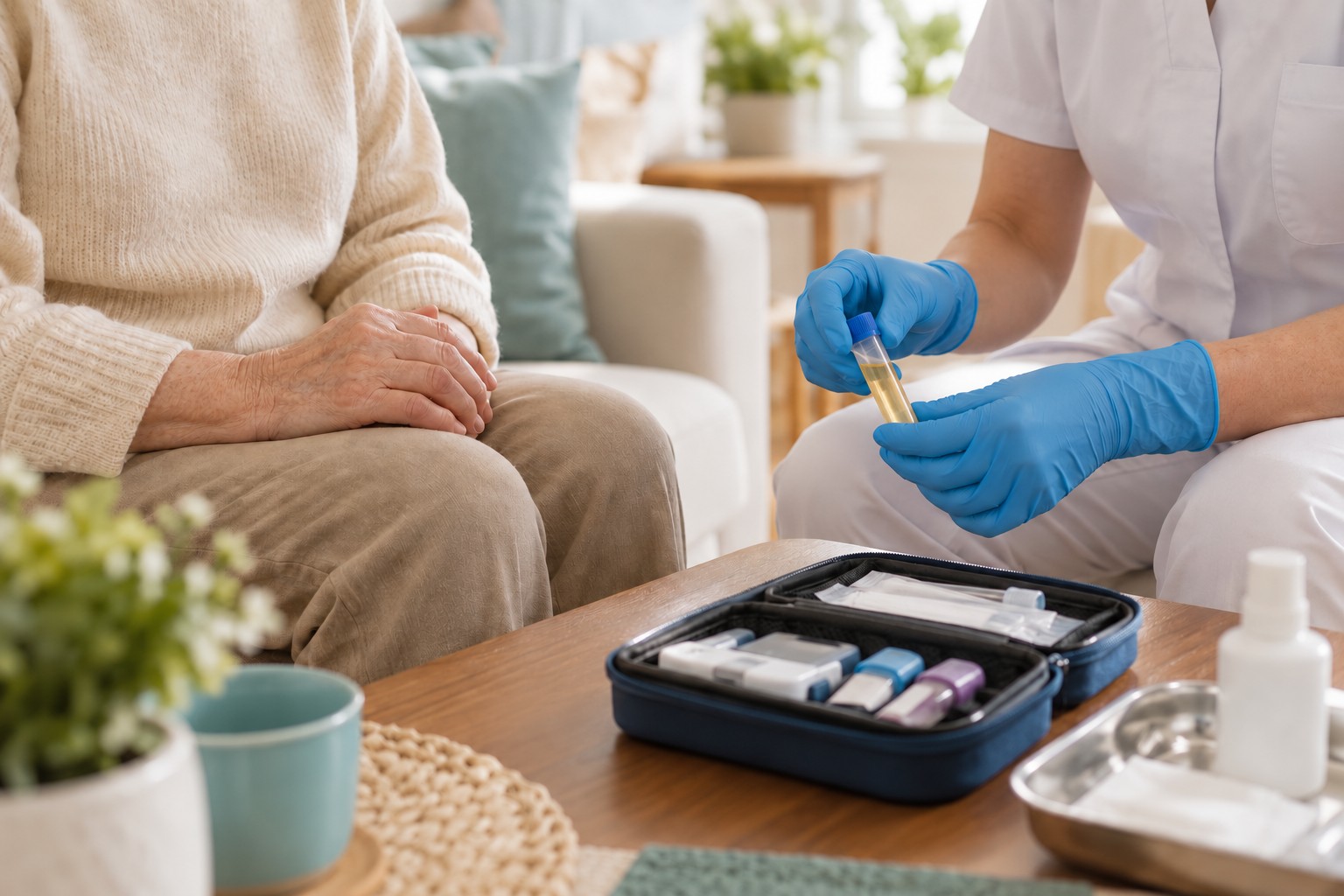
When we think of a laboratory, most of us first picture tubes of blood. Yet the tests your doctor orders may also involve other samples, such as urine, stool, or throat and nose swabs, and each has its own rules for collection, storage and transport. An on-site laboratory service is built around collecting all of these samples at your home, your workplace or your hotel room, with the right supplies and in the right order.
Does an on-site laboratory just mean drawing blood?
No; blood is only one part of the process. When your doctor requests them, the samples needed for urinalysis and urine culture, stool tests for occult blood or parasites, and PCR and other infection tests done with throat and nose swabs can also be collected at your address. Collecting more than one type of sample in a single visit spares family members in particular from making separate trips to the laboratory.
We cover the details of the blood draw itself, including topics such as difficult veins and blood draws in children, separately on our blood draw at home page. This article focuses on the samples beyond blood and on their journey to the laboratory.
Preparation by sample type
Because even a small preparation error can mean a test has to be repeated, each sample type needs to be considered on its own. The information below is general; if your doctor or the laboratory has given you specific instructions, those always take precedence.
Urine
Do not use a jar or bottle from home for this; the sterile sample container the team brings is needed to prevent contamination from outside. If a culture has been requested, after cleaning the genital area with water, pass the first part of the urine into the toilet and collect the midstream portion in the container. If urine needs to be collected over 24 hours, the special container and instructions must reach you in advance; mention this when you book your appointment. For patients with a urinary catheter, the sample is taken not from the bag but from the catheter's sampling port using the proper technique; leave this step to the team.
Stool
Stool should be collected in a clean, dry container without coming into contact with urine or toilet water, and a sufficient amount should then be transferred with the small spoon in the lid of the sample container. Before a fecal occult blood test, ask your doctor whether you need to avoid certain medicines or foods. Planning to collect the sample close to the team's arrival time shortens the waiting time. If you collect a sample before the team arrives, check with the team before putting it in the refrigerator; not every sample is suitable for being kept cold.
Swabs
A throat and nose swab takes a few seconds and may cause mild discomfort. Not eating, gargling or brushing your teeth for a while before a throat swab helps make the result reliable. The swab is placed in a transport tube suited to the type of test and labeled immediately. Because young children need to keep their head still for a short time, being next to your child and calming them while the swab is taken makes the procedure easier.
After the sample leaves your door: cold chain and tracking
Once collection is complete, a new stage begins: getting the sample to the laboratory at the right temperature and on time. That is why each sample is kept in conditions suited to its type and delivered to an accredited laboratory via the cold chain; this step is especially important for samples that can deteriorate over time, such as cultures and PCR samples. Gloves, swab sticks and similar consumables are collected in a medical waste box and taken away by the team at the end of the visit.
When the results are ready, they are sent to you digitally; you do not need to go anywhere to collect a paper report. Throughout this process, your health data is protected under KVKK (Turkish Personal Data Protection Law No. 6698). If a culture shows growth or a PCR result is positive, your doctor decides which treatment is needed.
One visit for families, companies and hotel guests
If several people in the same household need tests, their samples can be collected in a single visit; because each person's containers and tubes are labeled separately, the risk of a mix-up is kept to a minimum. If samples are to be collected from a group at the office, all you need to do is set aside a quiet meeting room; employees come in one by one and give their samples without disrupting the workflow. Guests staying in Istanbul can give samples in their rooms without upsetting their travel plans; you can read how hotel visits are planned on our healthcare at your hotel page.
From a business center in Şişli to a residential complex in Ataşehir, a team is dispatched to each of the 39 districts across Istanbul. All steps of sample collection, transport and reporting are carried out in compliance with healthcare regulations; our hygiene and safety practices are described in detail on our quality and patient safety page.
Checklist before your on-site laboratory appointment
- Send your doctor's order form in advance; this makes it clear which containers will be brought.
- Mention any special conditions, such as fasting, first morning urine or medication timing, when you book your appointment.
- Do not buy containers from the pharmacy yourself; suitable containers come with the team.
- If you are booking for more than one person, provide each person's details separately.
- If you have a pet, keep it in another room during the visit.
- Make sure the contact details to which your results will be sent are up to date.
Our call center is open day and night for your questions and appointment requests. When you leave a request, the Curavita Evde Sağlık team contacts you within 3 minutes on average, and the visit time is agreed together based on the types of samples required.