

A complete blood count (CBC) counts red and white blood cells and platelets, providing an initial assessment of anemia, infection and many other diseases.
- Sample
- Blood
- Fasting
- Not required
- Turnaround time
- As soon as possible
- Test group
- Hematology
Preparation: No fasting is needed; the test can be done at any time of day.
Insurance: We work with private health insurers. For this test, we obtain the pre-approval and collect your sample once approval is received; we do not charge a co-payment. Insurance and payment
Contents
What is a complete blood count (hemogram)?
A complete blood count is a test that measures the number and characteristics of the three main groups of cells that make up blood: red blood cells (erythrocytes), white blood cells (leukocytes) and platelets. Red blood cells carry oxygen, white blood cells protect the body against infections, and platelets help stop bleeding. For this reason, the complete blood count is one of the most frequently ordered blood tests for assessing general health.
In addition to hemoglobin and hematocrit, the report includes MCV, which shows the average size of the red cells; MCH and MCHC, which reflect their hemoglobin content; and RDW, which shows the variation in cell size. The total white blood cell count and the distribution of neutrophils, lymphocytes, monocytes, eosinophils and basophils are also reported. The measurement is made with automated analyzers that analyze thousands of cells in a small blood sample within a short time.
When is a complete blood count ordered?
A complete blood count is ordered both in routine health check-ups and when the cause of a specific complaint is being investigated. It is one of the first-line tests for assessing anemia, infection, inflammation and bleeding disorders. It is also repeated regularly in people receiving treatments that can affect the bone marrow and in the monitoring of chronic diseases.
- Fatigue, weakness, pallor or palpitations
- Fever, frequently recurring infections or suspected inflammation
- Easy bruising, nosebleeds or bleeding gums
- Annual health check-up, pregnancy follow-up and pre-operative assessment
- Treatment monitoring for anemia due to iron, B12 or folate deficiency
- Monitoring of treatments that can affect blood cells, such as chemotherapy
How should you prepare for a complete blood count?
You do not need to fast for a complete blood count; blood can be given in the morning, at midday or in the evening. If tests such as fasting blood glucose or cholesterol will also be run from the same blood draw, fasting may be required for those tests. Heavy exercise, smoking and inadequate fluid intake can temporarily change some values, so it is enough to avoid intense exercise and drink enough water the day before the test.
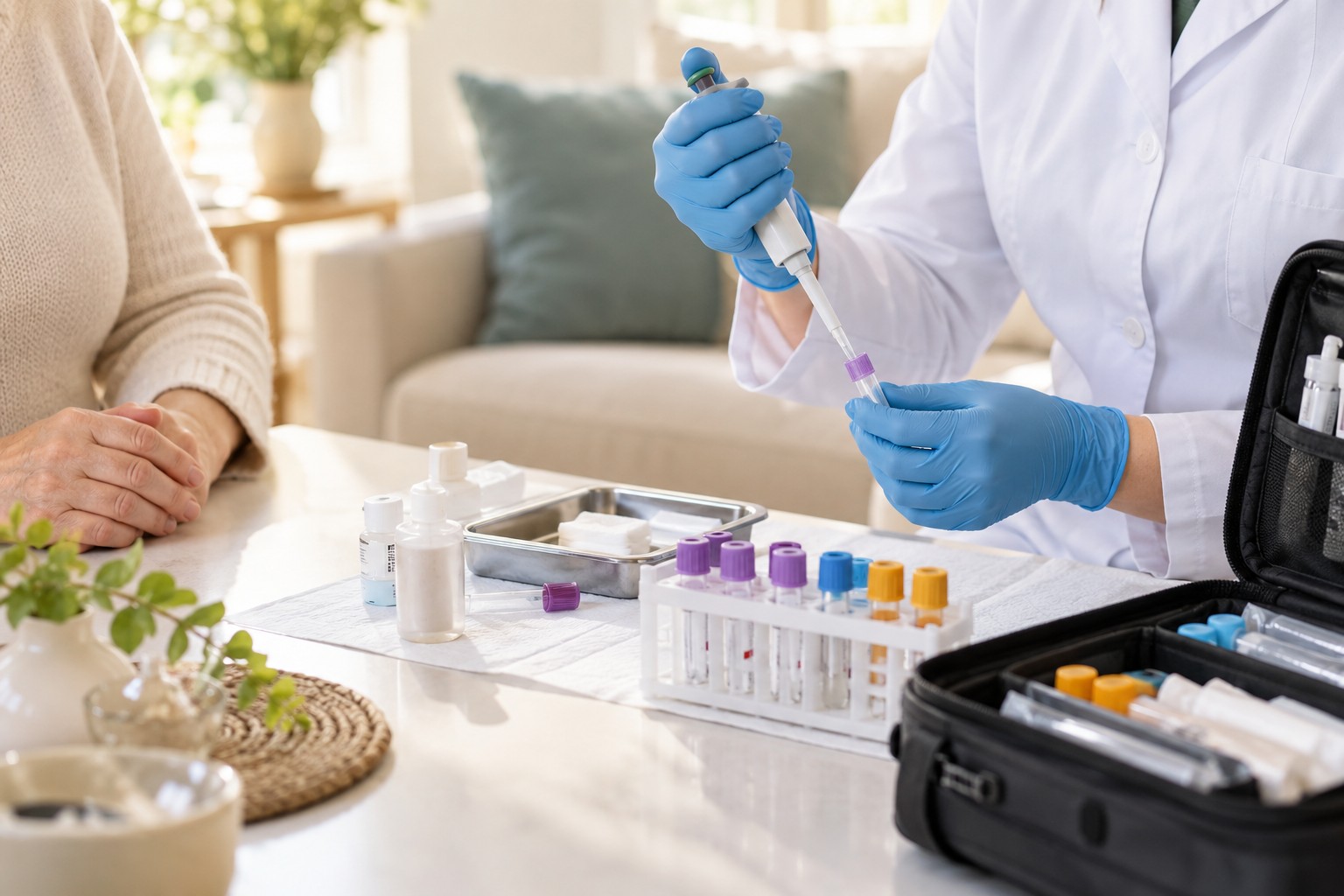
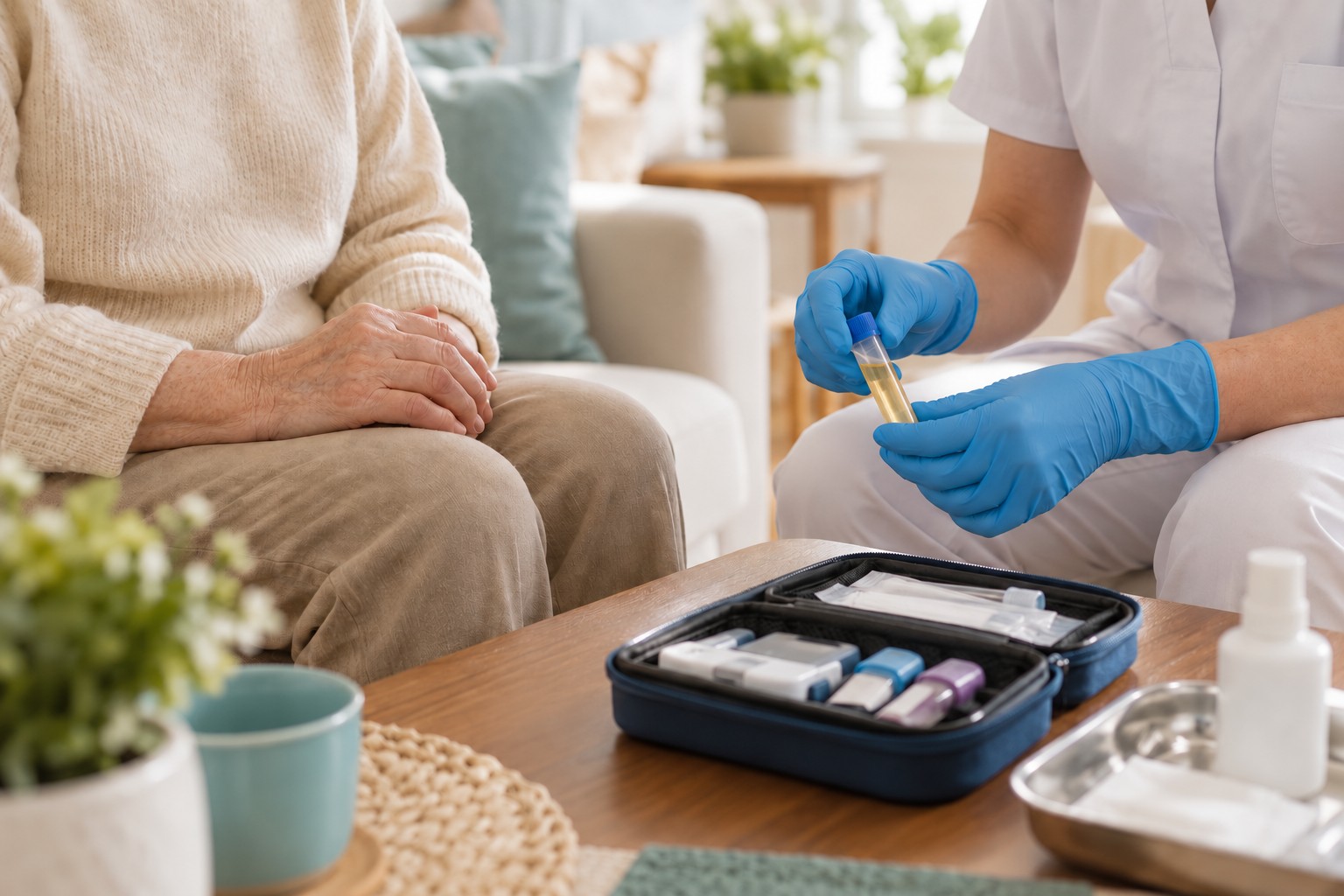
The sample is collected in a small purple-top tube containing EDTA, which prevents clotting. Mentioning the medicines you take, especially cortisone-type medicines and treatments that can affect blood cells, makes the result easier to interpret. The sample for a complete blood count can also be taken by a nurse who comes to your home or workplace.
What does the complete blood count result mean?
Low hemoglobin points to anemia; indicators such as MCV help distinguish its possible causes, such as iron deficiency, B12 or folate deficiency, thalassemia carrier status or chronic disease. High hemoglobin, on the other hand, may be associated with fluid loss, smoking, lung diseases or, rarely, overproduction of cells by the bone marrow. An increase in white blood cells is often due to conditions such as infection, inflammation or stress, while a decrease may be due to some viral infections or the effects of medicines.
A low platelet count can increase the tendency to bleed; a high count may be associated with inflammation, iron deficiency or, rarely, bone marrow diseases. Because the complete blood count is a panel made up of many parameters, there is no single reference range; the range for each value is given separately in the result report, and these ranges vary by laboratory, age and sex. A value slightly outside the limit does not by itself mean disease. A doctor should interpret what the results mean as a whole, together with your symptoms and other tests.
Reference range
Reported per parameter
This test consists of more than one parameter; the reference range for each parameter appears next to its result in your laboratory report. Review your result together with your doctor.
How is Complete Blood Count (Hemogram) done at home?
-
01
Book your appointment
Fill in the online form or call us, and let's plan a day and time that suit you together.
-
02
Your blood is drawn at home
Our nurse comes to your address and collects your blood sample using sterile, single-use supplies.
-
03
You receive your result
Your sample is transported to the laboratory under appropriate conditions; your result is sent to you when it is ready.
Frequently asked questions
The information on this page is for general information only; it does not replace diagnosis or treatment. Consult your doctor for decisions about your health.