

The fibrinogen test measures the level of fibrinogen, a protein involved in clot formation; it is used in assessing a bleeding tendency or clotting problems and in monitoring inflammation.
- Sample
- Blood
- Fasting
- Not required
- Turnaround time
- As soon as possible
- Test group
- Hematology
Preparation: No fasting required. Report blood thinners, hormone medicines such as birth control pills, and any recent infections.
Insurance: We work with private health insurers. For this test, we obtain the pre-approval and collect your sample once approval is received; we do not charge a co-payment. Insurance and payment
Contents
What is fibrinogen?
Fibrinogen is a clotting protein that is produced in the liver and circulates in the blood; among the clotting factors, it is also known as factor I. When a blood vessel is injured, an enzyme called thrombin converts fibrinogen into fibrin. Fibrin strands link together and, along with platelets, form a firm clot network that stops the bleeding.
Fibrinogen is also an acute-phase protein; in other words, the liver produces more of it when there is inflammation, infection or tissue damage in the body. Laboratories most commonly use the Clauss method: a large amount of thrombin is added to citrated plasma, and the amount of fibrinogen is calculated from the time it takes for the clot to form. In some people, the amount of fibrinogen may be sufficient while its function is impaired; the doctor may order additional tests to make this distinction.
When is the fibrinogen test ordered?
The fibrinogen test is usually ordered for unexplained bleeding or when clotting tests such as PT (INR) and aPTT come back unexpectedly prolonged. It is also measured to understand how much the clotting system is affected in situations such as severe infection, major surgery or postpartum bleeding. Rarely, it helps with diagnosis when a congenital fibrinogen deficiency or dysfunction is suspected. In severe bleeding, it also guides the doctor's decisions about giving blood products.
- Prolonged or unexplained bleeding and easy bruising
- A prolonged PT (INR) or aPTT result
- Suspected disseminated intravascular coagulation (DIC) and its monitoring
- Assessment of clotting capacity in advanced liver disease
- A family history of congenital fibrinogen deficiency
- Monitoring the clotting system during clot-dissolving treatment
How do you prepare for the fibrinogen test?
No special diet or fasting is required for the fibrinogen measurement; you can give blood in the morning or in the afternoon. Estrogen-containing birth control pills, hormone therapy and smoking can increase the level, while some medicines can lower it. For this reason, it is important to report the medicines you take, as well as any recent infection, surgery or blood transfusion, before the sample is taken.
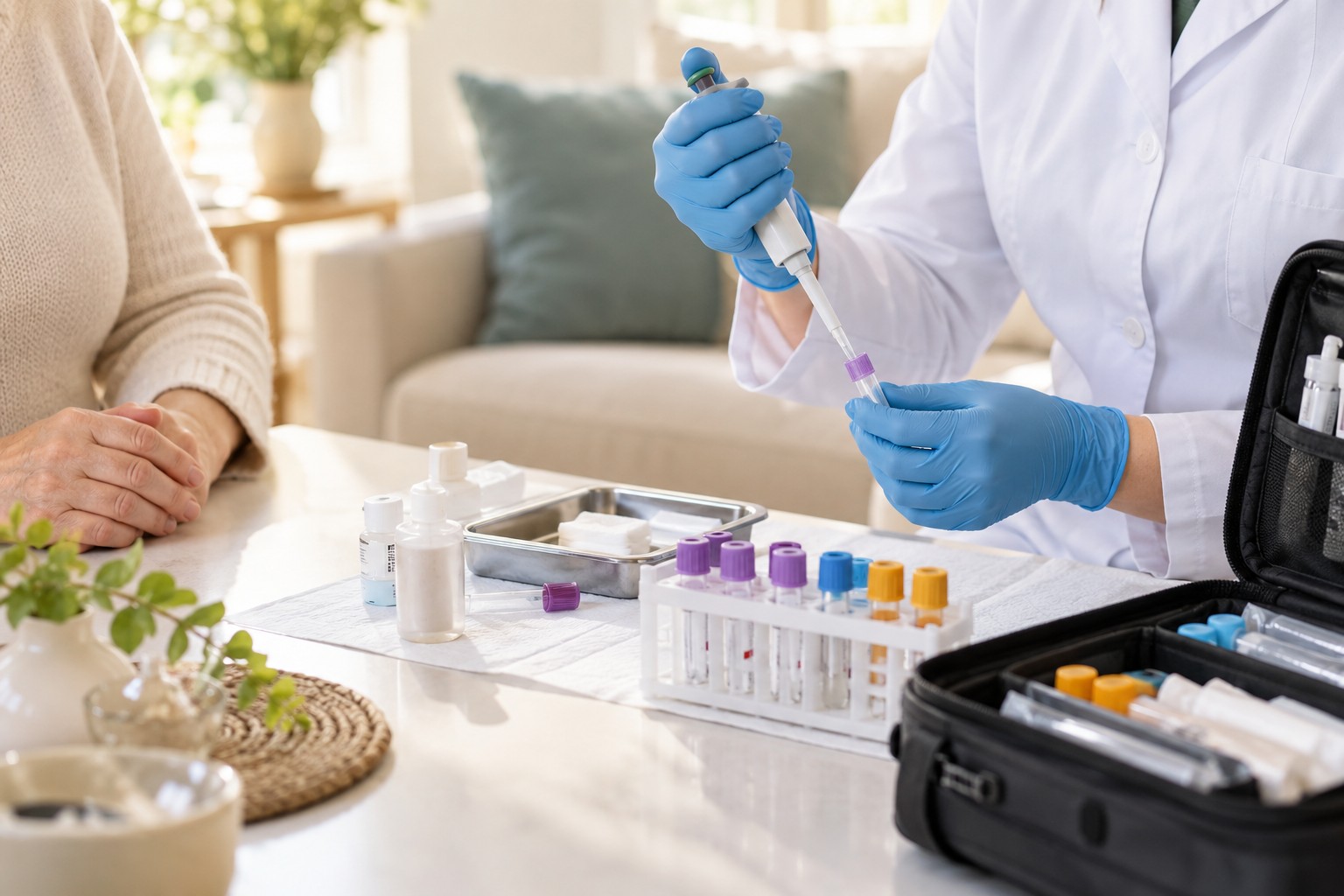
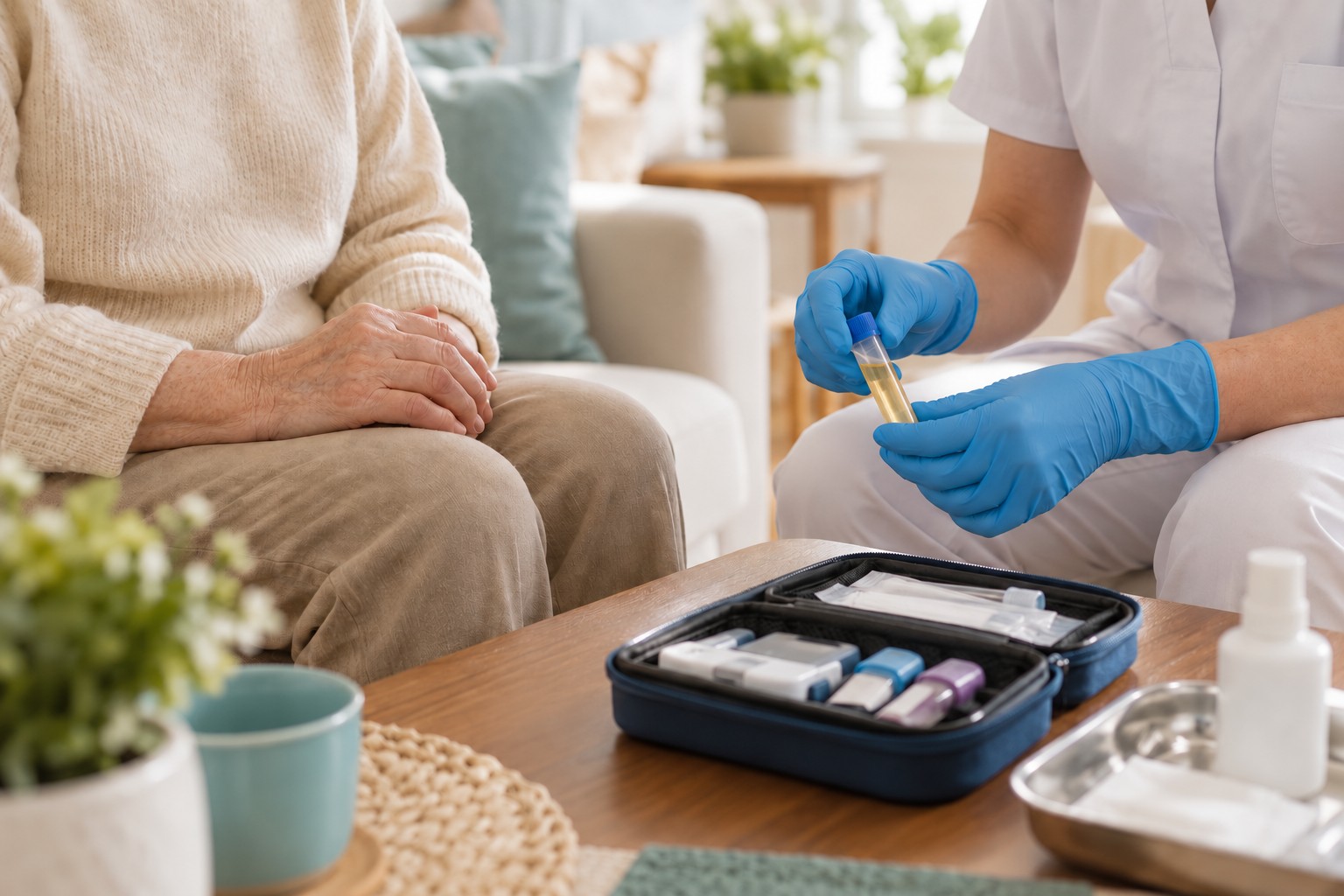
The blood sample is taken from a vein in the arm into a light-blue-capped tube containing citrate, which prevents clotting. For the result to be reliable, the tube must be filled with the correct amount of blood and the sample must be processed in the laboratory within a short time. The blood draw can also be done during a nurse's visit to your home or workplace.
What does the fibrinogen result mean?
High fibrinogen is most often a sign of inflammation, infection or tissue damage in the body. Pregnancy, smoking, older age, obesity, certain rheumatic and kidney diseases, and cancer can also increase the level. Although persistently high fibrinogen is known to be associated with the risk of heart and vascular disease, it is not routinely measured for this purpose. A high value usually comes down on its own once the underlying condition improves.
Low fibrinogen may indicate that the capacity to form clots is reduced and that the tendency to bleed may be increased. Disseminated intravascular coagulation, advanced liver disease, heavy blood loss and large-volume blood transfusion, clot-dissolving treatments or rare congenital deficiencies can lead to this condition. Reference ranges can vary by laboratory, age, sex and conditions such as pregnancy; you can find the range of the laboratory that runs the test on this page. It is your doctor who will evaluate what your result means, together with your symptoms and other tests.
Reference range
Unit: mg/dL- 200 - 400
This is the value used by our laboratory; it may vary depending on age, sex, the method used and the laboratory. Review your result together with your doctor.
How is Fibrinogen (Factor I) done at home?
-
01
Book your appointment
Fill in the online form or call us, and let's plan a day and time that suit you together.
-
02
Your blood is drawn at home
Our nurse comes to your address and collects your blood sample using sterile, single-use supplies.
-
03
You receive your result
Your sample is transported to the laboratory under appropriate conditions; your result is sent to you when it is ready.
Frequently asked questions
The information on this page is for general information only; it does not replace diagnosis or treatment. Consult your doctor for decisions about your health.