

The aPTT test measures the blood's clotting time to investigate the cause of a bleeding tendency, and it helps monitor heparin treatment.
- Sample
- Blood
- Fasting
- Not required
- Turnaround time
- As soon as possible
- Test group
- Hematology
Preparation: No fasting required. Before the sample is taken, report the blood thinners you use, including heparin, and any herbal supplements.
Insurance: We work with private health insurers. For this test, we obtain the pre-approval and collect your sample once approval is received; we do not charge a co-payment. Insurance and payment
Contents
What is aPTT?
aPTT (activated partial thromboplastin time) measures, in seconds, the time it takes for blood plasma to form a clot in the laboratory. In the body, clotting takes place through proteins called clotting factors, which activate one another in a chain. aPTT reflects how well the parts of this chain known as the intrinsic pathway and the common pathway work together.
These pathways involve factors XII, XI, IX and VIII, along with factors X and V, prothrombin and fibrinogen in the common pathway. For the measurement, blood is collected into a tube containing citrate, which temporarily stops clotting. In the laboratory, an activating agent, phospholipid and calcium are added to the separated plasma, and the analyzer detects the moment the clot forms. The result is reported in seconds, and the patient's value is compared with the time the laboratory considers normal.
When is the aPTT test ordered?
aPTT is most often ordered together with PT (INR) to investigate the cause of unexplained bleeding or a tendency to bruise. In patients receiving standard heparin treatment, it is measured regularly to monitor the effect of the drug. Your doctor may also order this test to assess your clotting status before surgery or an interventional procedure.
- Easy bruising, frequent nosebleeds or bleeding gums
- Prolonged bleeding after minor cuts or a tooth extraction
- Suspected hemophilia or von Willebrand disease, or a family history of either
- Monitoring standard (unfractionated) heparin treatment
- Testing for lupus anticoagulant when antiphospholipid syndrome is suspected
- Assessment before surgery or an interventional procedure
How do you prepare for the aPTT test?
Because eating does not significantly affect clotting time, you do not need to fast for aPTT. Heparin, warfarin and newer oral blood thinners can directly affect the result, so it is important to report all the medicines and herbal supplements you take in advance. If you are on heparin, the time between your last dose and the blood draw should also be noted. Unless your doctor tells you otherwise, do not stop taking your medicines on your own.
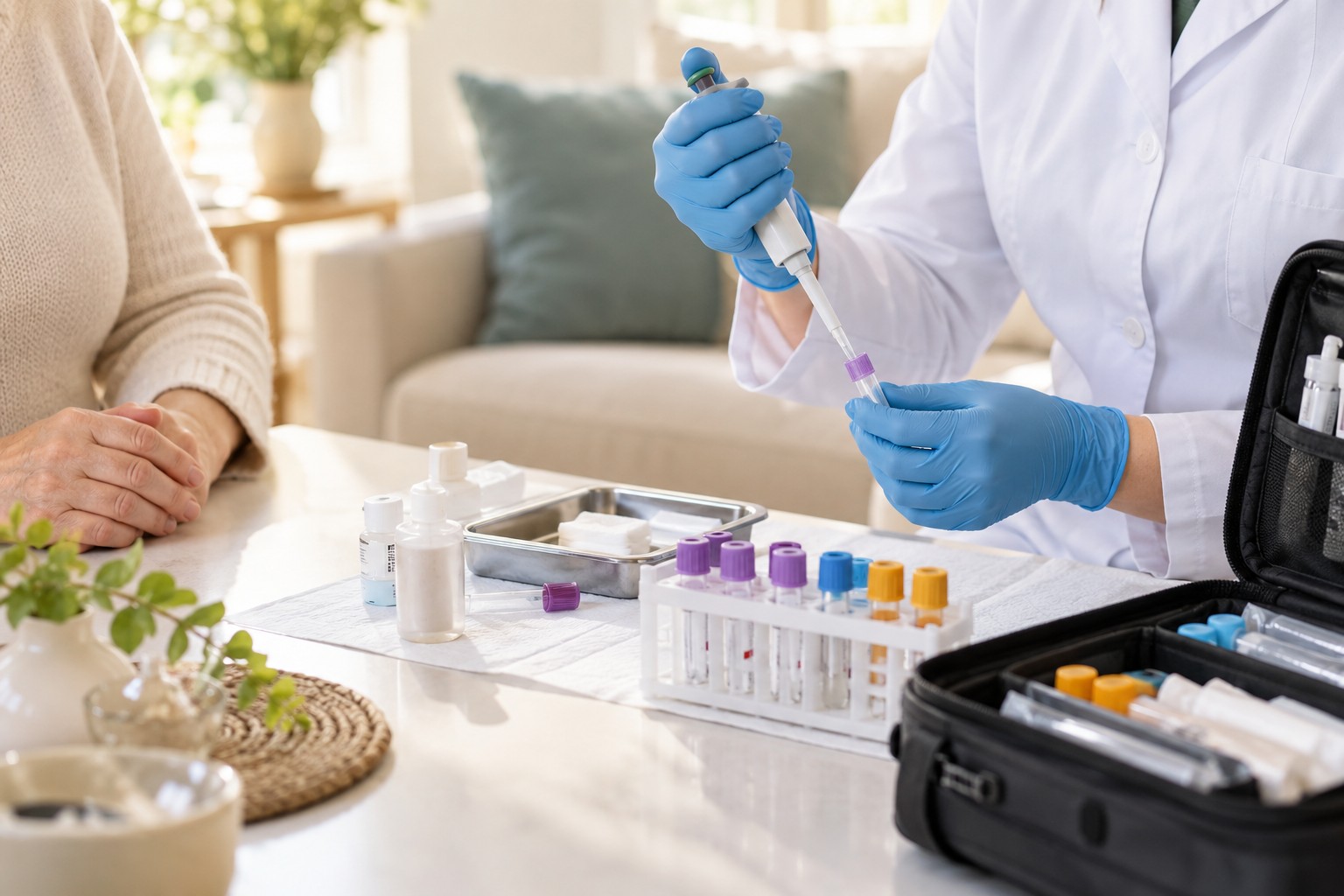
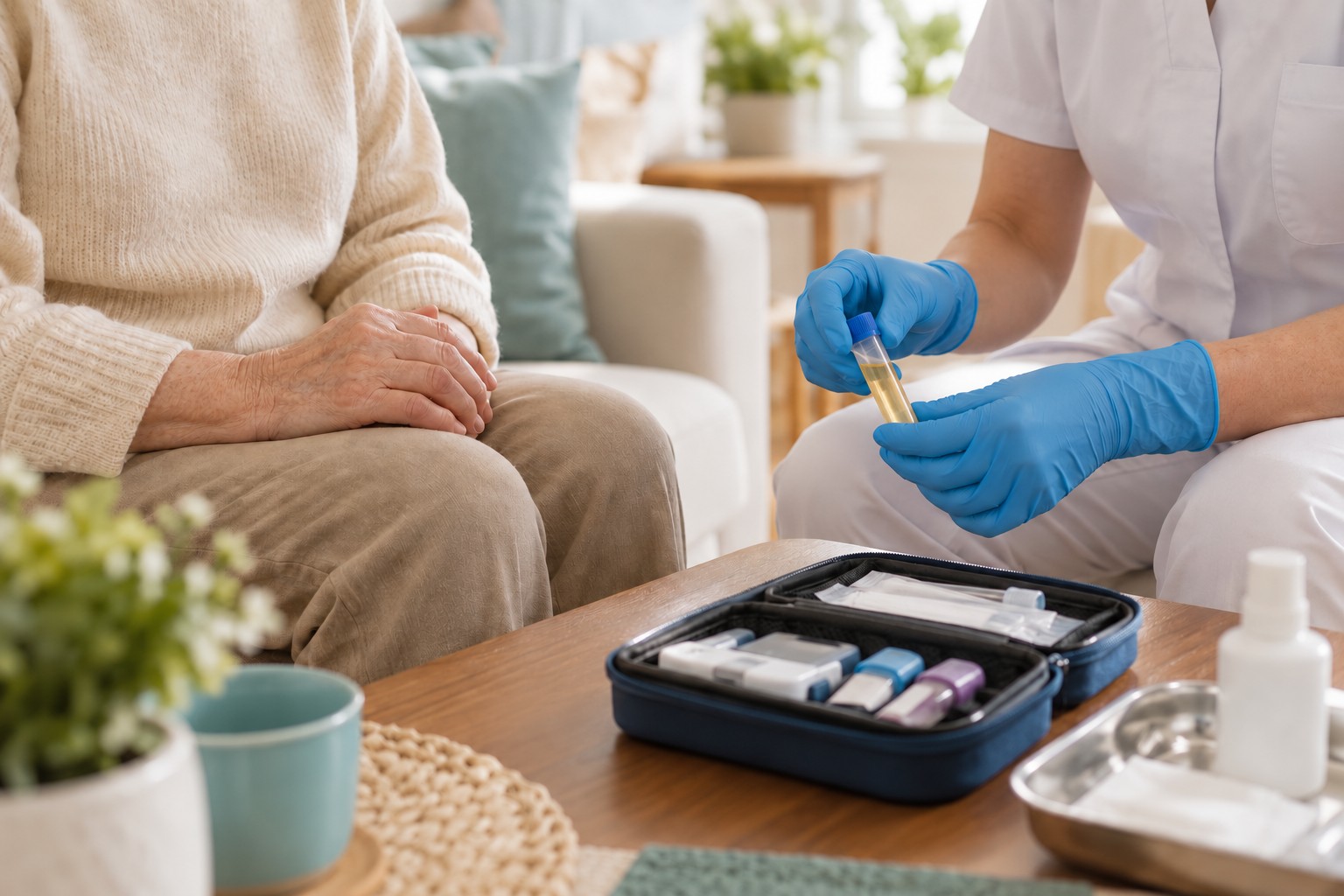
Blood is drawn from a vein in the arm into a light-blue-capped citrate tube. Because the ratio between the liquid in the tube and the blood affects the result, the tube must be filled up to the marked line. The sample can be taken by a nurse at your home or workplace; for clotting tests, it is important that the sample is analyzed within a few hours.
What does the aPTT result mean?
A prolonged aPTT shows that the blood is clotting more slowly than normal. Possible causes include the effect of blood thinners such as heparin, congenital factor deficiencies such as hemophilia, von Willebrand disease, advanced liver disease and disseminated intravascular coagulation (DIC). Lupus anticoagulant can also prolong aPTT; however, this condition is associated with a tendency to clot rather than to bleed. In patients using heparin, the time is expected to be within the target range set by the doctor.
A short aPTT is generally of less clinical significance and can sometimes result from conditions during the blood draw. When a prolonged result is seen, your doctor may repeat the test or order further investigations such as a mixing study or factor levels. Reference ranges can vary by laboratory, the reagent used, age and sex; the range of the laboratory that runs the test is also shown on this page. Your result must always be interpreted by a doctor together with your symptoms and other tests.
Reference range
Unit: sec- 25 - 35
This is the value used by our laboratory; it may vary depending on age, sex, the method used and the laboratory. Review your result together with your doctor.
How is aPTT (Activated Partial Thromboplastin Time) done at home?
-
01
Book your appointment
Fill in the online form or call us, and let's plan a day and time that suit you together.
-
02
Your blood is drawn at home
Our nurse comes to your address and collects your blood sample using sterile, single-use supplies.
-
03
You receive your result
Your sample is transported to the laboratory under appropriate conditions; your result is sent to you when it is ready.
Frequently asked questions
The information on this page is for general information only; it does not replace diagnosis or treatment. Consult your doctor for decisions about your health.