

The glucose test measures the sugar level in the blood; it is used to screen for diabetes and prediabetes and to monitor treatment. The fasting blood sample can be given at home.
- Sample
- Blood
- Fasting
- Required
- Turnaround time
- As soon as possible
- Test group
- Biochemistry
Preparation: At least 8 hours of fasting is required; you may drink only water. Ask your doctor when to take your diabetes medication or insulin dose.
Insurance: We work with private health insurers. For this test, we obtain the pre-approval and collect your sample once approval is received; we do not charge a co-payment. Insurance and payment
Contents
What is glucose?
Glucose is a simple sugar that is the body's main source of energy and is commonly known as blood sugar. Carbohydrates from food are digested, converted into glucose and pass into the bloodstream. Many organs, above all the brain, meet most of their energy needs from glucose.
The hormone insulin, secreted by the pancreas, lowers blood sugar by allowing glucose to enter cells; during fasting, hormones such as glucagon cause the liver to release glucose. The glucose test measures the blood sugar level at a given moment, and its most common form is the fasting blood glucose measurement taken after at least 8 hours of fasting. In the laboratory, it is measured in serum or plasma using enzymatic methods, and the result is reported in mg/dL; for diagnosis, laboratory measurement is used rather than personal glucose meters.
When is a glucose test ordered?
Fasting blood glucose is one of the basic tests used to screen for diabetes and prediabetes. It is ordered during regular check-ups for people at risk, even if they have no symptoms; in people with known diabetes, it helps monitor how well treatment is working.
Because diabetes can often progress for a long time without symptoms, regular screening is important, especially for older people and those who are overweight. It is also checked routinely in pre-operative assessments and general health check-ups.
- Frequent urination, excessive thirst and dry mouth
- Unexplained weight loss, fatigue or blurred vision
- A family history of diabetes, excess weight or a sedentary lifestyle
- Blood sugar assessment in early pregnancy
- High blood pressure, high cholesterol or polycystic ovary syndrome
- Monitoring diabetes treatment
How do you prepare for a glucose test?
For fasting blood glucose, you need to eat nothing for at least 8 hours, preferably 8–12 hours; you may drink only water during this time. Tea and coffee, with or without sugar, fruit juice, chewing gum and smoking can also break the fast. On the evening before your appointment, it is recommended that you eat as usual but avoid very heavy and sugary foods. Not extending the fast longer than necessary is also important so that the result reflects your true level.
If you use diabetes medication or insulin, ask your doctor in advance when to take your dose on the morning of the test; it is important that your blood sugar does not drop too low while you are fasting. Corticosteroid medications, some diuretics, severe stress or an illness with fever can temporarily raise blood sugar. Our nurse can come to your home or workplace early in the morning to take your blood sample, so you can have your breakfast without prolonging your fast.
What does a glucose result mean?
A fasting blood glucose above normal requires evaluation for prediabetes, also called impaired fasting glucose, or for diabetes. A fasting blood glucose of 126 mg/dL or higher on measurements taken on different days is one of the accepted criteria used to diagnose diabetes. Stress, infection and certain medications can also temporarily raise blood sugar.
Low blood sugar may be linked to prolonged fasting, the dose of diabetes medications, alcohol use and, rarely, hormonal disorders, and can cause symptoms such as shaking, sweating and palpitations. For diagnosis, your doctor may order additional tests when necessary, such as HbA1c or a glucose tolerance test. Reference ranges may vary by laboratory and age, and in some cases sex is also taken into account; this page shows the range of the laboratory concerned. Your doctor, who considers your symptoms and your other tests together, will clarify what your blood sugar result means.
Reference range
Unit: mg/dL- 70 - 100
This is the value used by our laboratory; it may vary depending on age, sex, the method used and the laboratory. Review your result together with your doctor.
How is Glucose (Fasting Blood Glucose) done at home?
-
01
Book your appointment
Fill in the online form or call us, and let's plan a day and time that suit you together.
-
02
Your blood is drawn at home
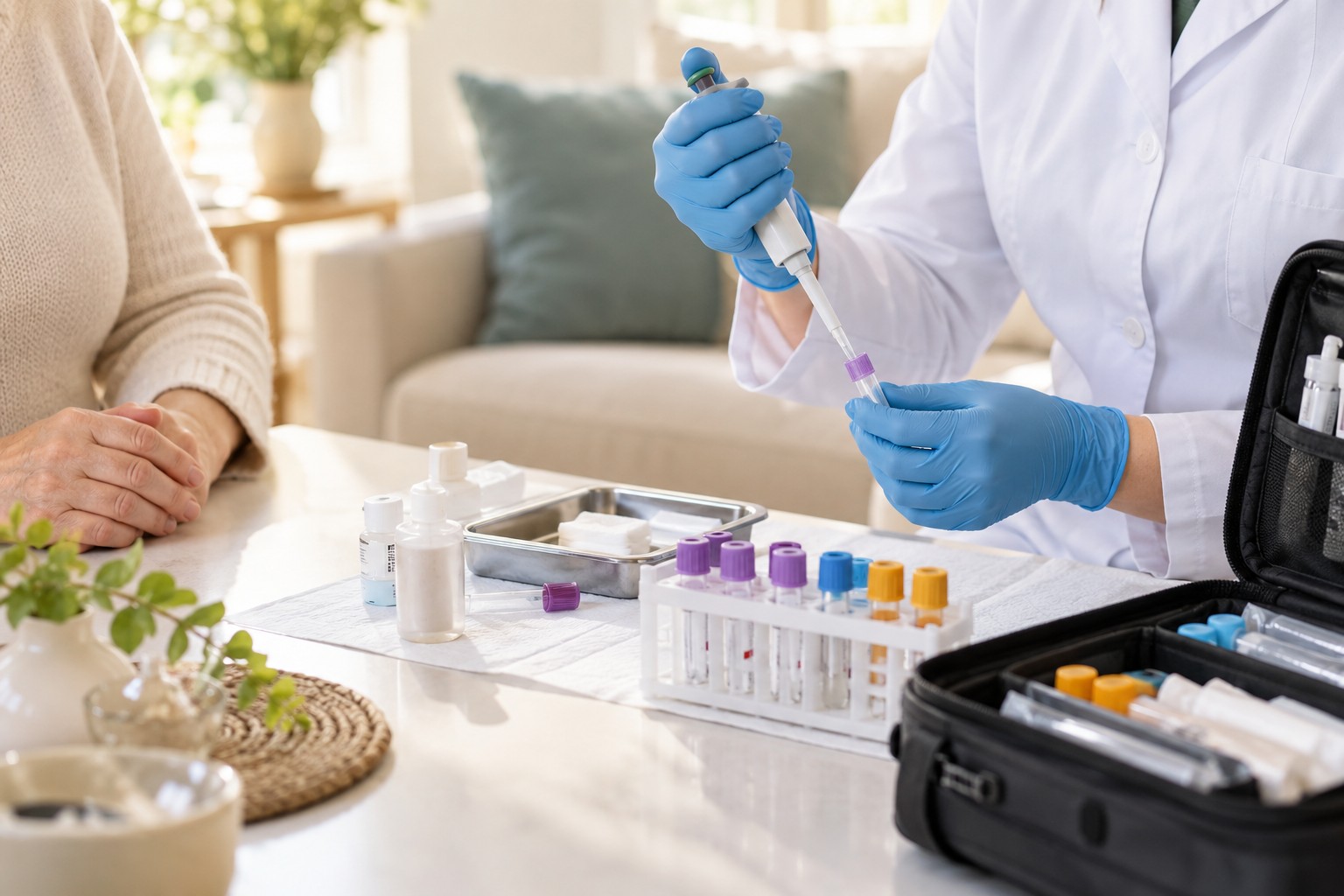
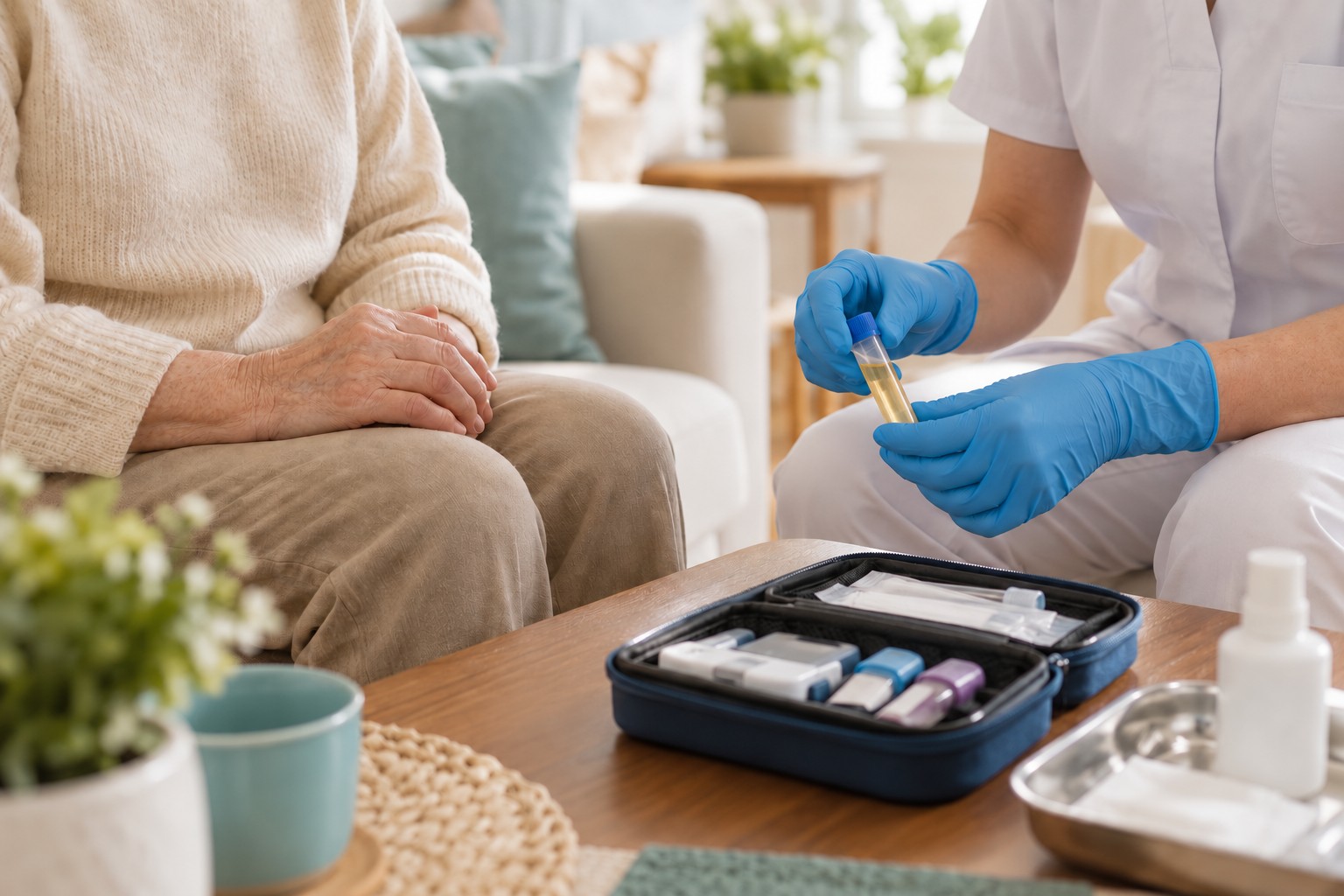
Our nurse comes to your address and collects your blood sample using sterile, single-use supplies.
-
03
You receive your result
Your sample is transported to the laboratory under appropriate conditions; your result is sent to you when it is ready.
Frequently asked questions
The information on this page is for general information only; it does not replace diagnosis or treatment. Consult your doctor for decisions about your health.