

The homocysteine test measures the blood level of an amino acid linked to B12 and folate deficiency; it is ordered to assess vitamin deficiency and blood vessel health.
- Sample
- Blood
- Fasting
- Required
- Turnaround time
- Usually 1–3 business days
- Test group
- Biochemistry
Preparation: 8–12 hours of fasting is recommended. Tell your doctor about any B12, folic acid or B6 supplements and the medications you take regularly.
Insurance: We work with private health insurers. For this test, we obtain the pre-approval and collect your sample once approval is received; we do not charge a co-payment. Insurance and payment
Contents
What is homocysteine?
Homocysteine is an intermediate product formed when the body processes methionine, an amino acid obtained from proteins. Methionine is found especially in protein-rich foods such as meat, fish, eggs and dairy products. Normally, with the help of vitamin B12, folate and vitamin B6, homocysteine is quickly converted into other substances and is present in the blood only in small amounts. When one of these vitamins is lacking, or when there is an inherited variation in the enzymes responsible for this conversion, homocysteine can build up in the blood.
A high homocysteine level is thought to be able to affect the blood vessel wall and increase the tendency to form blood clots. Values are generally somewhat higher in men and in older people. The test measures the total amount of homocysteine in blood plasma using immunological or chromatographic methods, and the result is reported in µmol/L. Because cells can continue to produce homocysteine after the blood is drawn, the tube must be processed promptly.
When is a homocysteine test ordered?
The homocysteine test is most often ordered when vitamin B12 or folate deficiency is suspected, especially when the blood levels of these vitamins are borderline. Homocysteine can reveal a shortage of these vitamins in the tissues earlier than their blood levels do; it therefore gives the doctor additional information when interpreting borderline results. B12 deficiency is more common in older people, in those who have taken acid-reducing stomach medications for a long time and in those who do not eat animal foods.
In addition, it may be considered as an additional risk marker in people who have vascular disease at a young age or unexplained clotting problems. Because homocysteine is often elevated in people with kidney disease, the doctor may also consider the test in these patients. It is also used to investigate rare inherited metabolic diseases and to monitor their treatment.
- Anemia, numbness or tingling with borderline B12 or folate levels
- A history of heart attack, stroke or blocked blood vessels at a young age
- Unexplained blood clots in the veins
- Investigating inherited metabolic diseases such as homocystinuria
- Monitoring treatment in people found to have high homocysteine
How do you prepare for a homocysteine test?
Because a protein-containing meal can temporarily raise homocysteine levels, fasting for 8–12 hours before the test is recommended. You can drink water while fasting; for most people, giving the blood sample in the morning is the easiest option. Avoiding heavy coffee and alcohol consumption the day before the test can also help the result be interpreted more accurately.
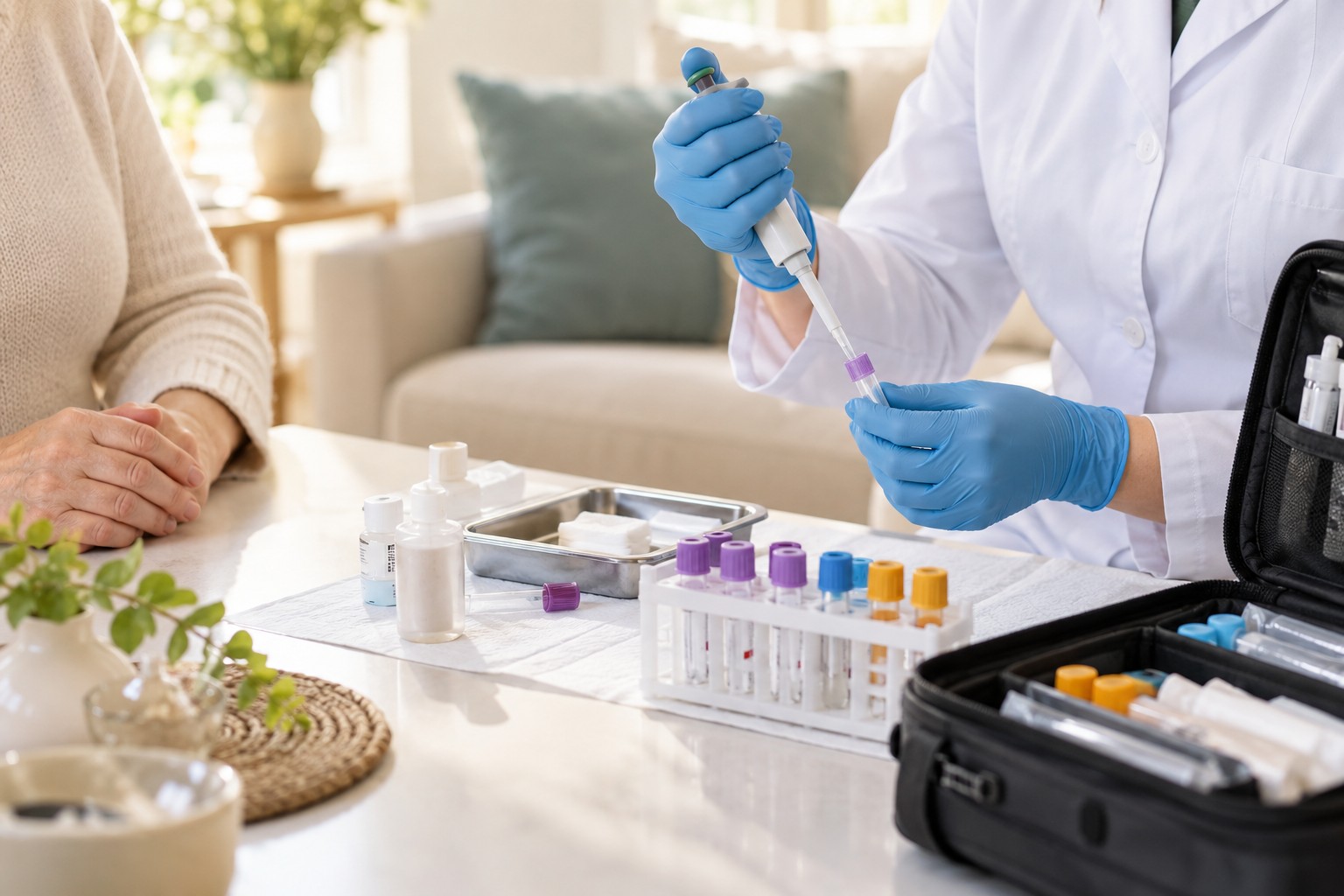
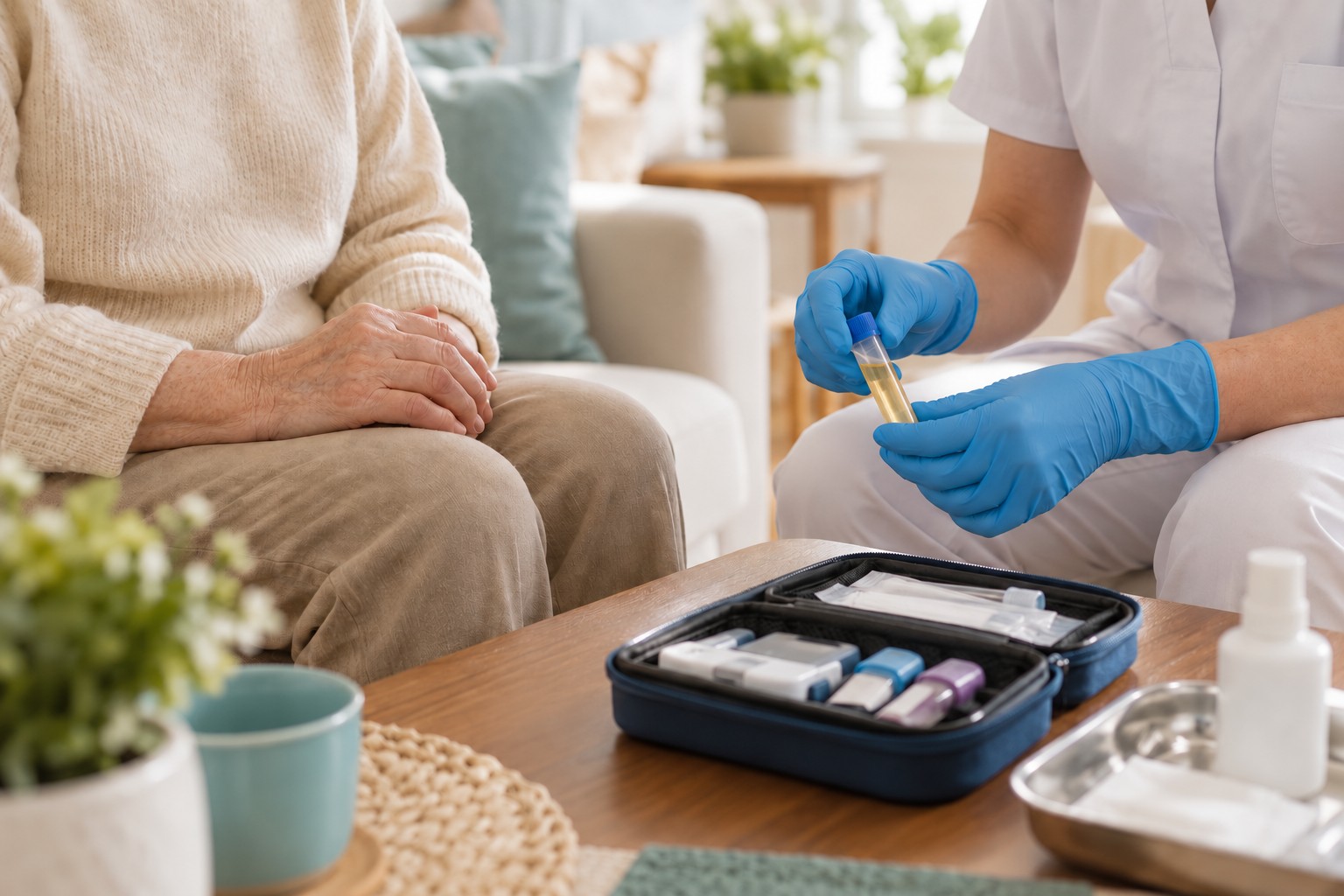
Vitamin B12, folic acid and vitamin B6 supplements can lower the result, while certain medications for rheumatic diseases, epilepsy and diabetes can raise homocysteine levels. Simply share a list of these products with your doctor; you should not stop a prescribed treatment on your own for the test. You do not need to go out to give the sample; our nurse can draw blood from your arm at your home or workplace.
What does a homocysteine result mean?
High homocysteine is most often linked to vitamin B12, folate or vitamin B6 deficiency. Reduced kidney function, an underactive thyroid gland, smoking, heavy coffee and alcohol consumption, certain medications and inherited enzyme variations can also raise the value. High homocysteine is considered a risk marker for cardiovascular disease and blood clot formation, but on its own it does not mean that you have a disease.
However, research has not clearly shown that lowering homocysteine with vitamin supplements reduces the risk of heart attack or stroke; treatment decisions are therefore made on an individual basis. Low homocysteine values usually have no clinical significance. The limits considered normal differ between laboratories and also vary with age and sex; the limits of the laboratory that analyzes your sample are shown on this page. It is your doctor who will assess your homocysteine result together with your symptoms and other tests, such as B12 and folate.
Reference range
Unit: µmol/L- 5 - 15
This is the value used by our laboratory; it may vary depending on age, sex, the method used and the laboratory. Review your result together with your doctor.
How is Homocysteine done at home?
-
01
Book your appointment
Fill in the online form or call us, and let's plan a day and time that suit you together.
-
02
Your blood is drawn at home
Our nurse comes to your address and collects your blood sample using sterile, single-use supplies.
-
03
You receive your result
Your sample is transported to the laboratory under appropriate conditions; your result is sent to you when it is ready.
Frequently asked questions
The information on this page is for general information only; it does not replace diagnosis or treatment. Consult your doctor for decisions about your health.