

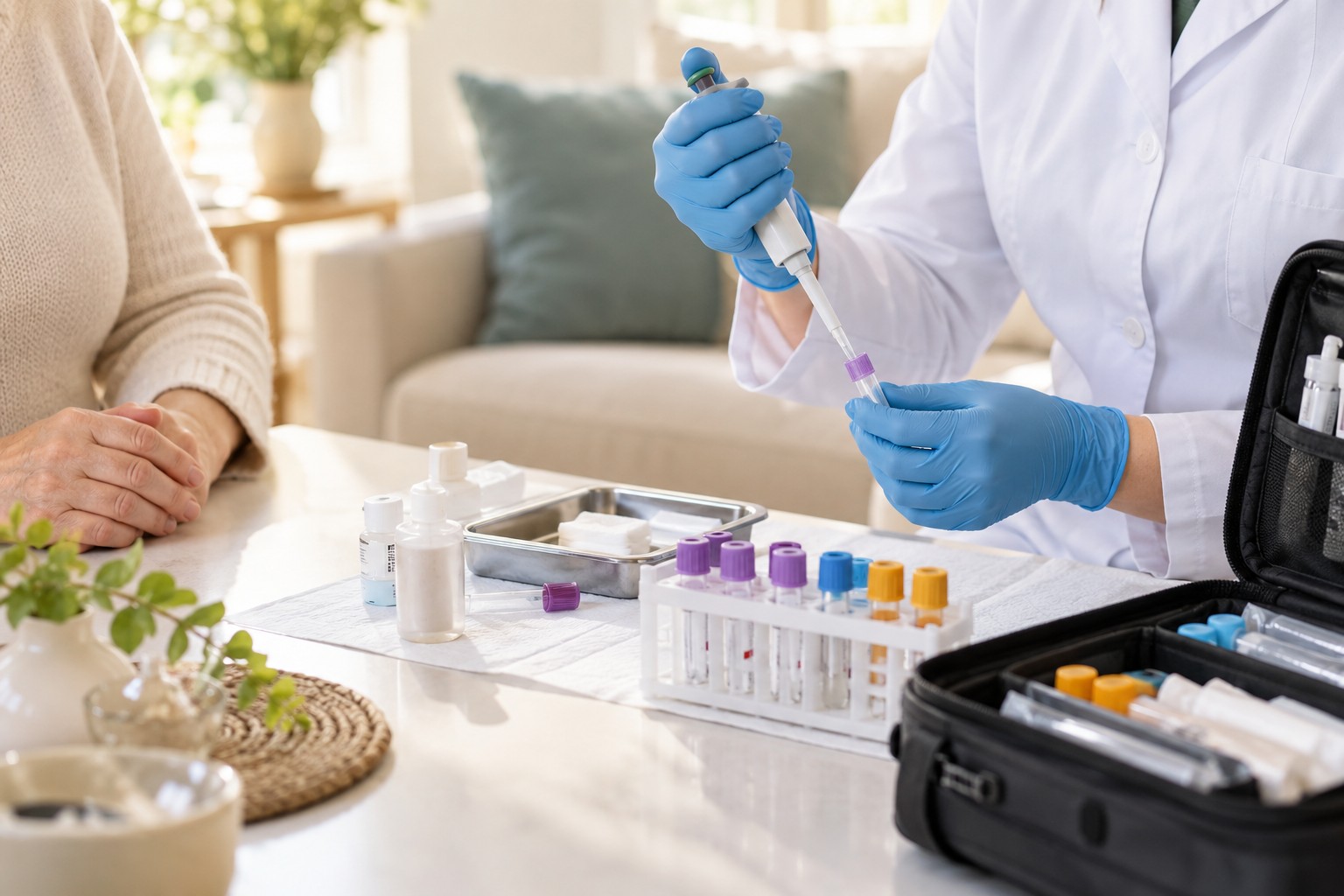
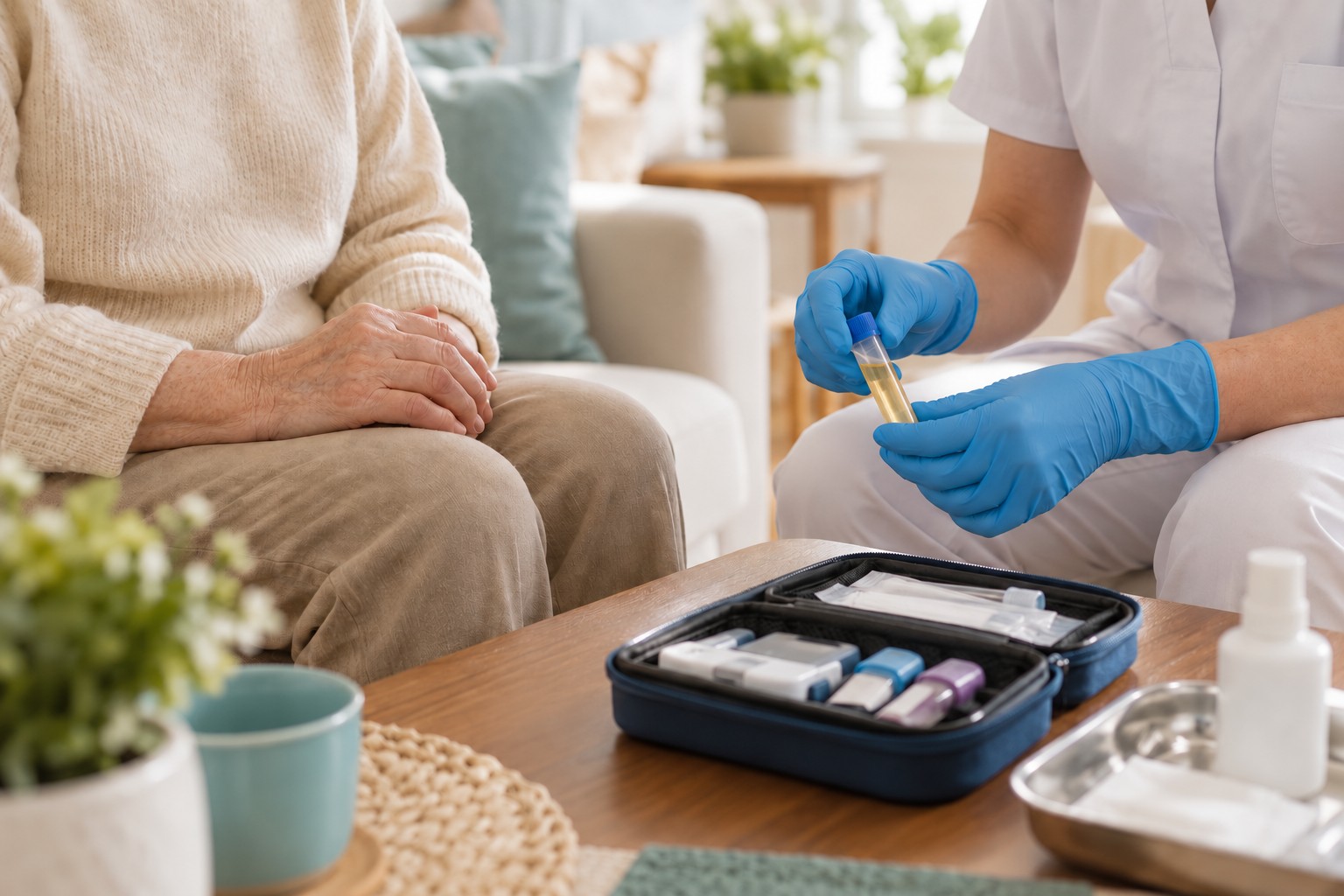
The LDL cholesterol test measures bad cholesterol, which can build up in blood vessel walls and increase the risk of heart and blood vessel disease; the sample can be taken at your home.
- Sample
- Blood
- Fasting
- Required
- Turnaround time
- As soon as possible
- Test group
- Biochemistry
Preparation: Fasting for 9–12 hours is usually recommended; you may drink only water. Avoid alcohol and very fatty meals the day before.
Insurance: We work with private health insurers. For this test, we obtain the pre-approval and collect your sample once approval is received; we do not charge a co-payment. Insurance and payment
Contents
What is LDL cholesterol?
LDL stands for low-density lipoprotein, a particle that carries cholesterol from the liver to the body's tissues. Cholesterol is needed to build cell membranes and to produce certain hormones and vitamin D; however, when there is too much LDL in the blood, cholesterol starts to build up in the walls of the blood vessels. Over time, these deposits, known as plaques, can narrow the blood vessels and increase the risk of heart attack and stroke. This is why LDL cholesterol is commonly known as bad cholesterol.
LDL cholesterol is usually evaluated as part of a group of tests called a lipid profile, which also includes total cholesterol, HDL cholesterol and triglycerides. Some laboratories measure LDL directly with a special method, while others calculate it from the other lipid values using a formula. When triglyceride levels are very high, the calculation can become unreliable, so direct measurement may be preferred.
When is an LDL cholesterol test ordered?
LDL cholesterol is one of the most important laboratory indicators for determining the risk of heart and blood vessel disease, and high levels often cause no symptoms at all. It is therefore ordered for adults as part of regular health check-ups, without waiting for symptoms. In people with risk factors and in those on cholesterol-lowering treatment, the test is repeated more often.
- Regular screening for the risk of heart and blood vessel disease
- A family history of heart attack or stroke at an early age, or of high cholesterol
- Diabetes, high blood pressure, smoking or excess weight
- Monitoring the effect of cholesterol-lowering treatment and lifestyle changes
- Follow-up of people who have had a heart attack, stroke or blocked blood vessel
How do I prepare for an LDL cholesterol test?
Because LDL cholesterol is affected by the triglyceride level, especially when it is calculated, fasting for 9–12 hours before the test is usually recommended. During this time you may drink only water; sweetened tea, coffee, fruit juice and chewing gum also break the fast. Since current approaches accept non-fasting measurement in some situations, it is best to follow the instructions your doctor gives you.
Avoiding alcohol and a very fatty dinner the day before the test helps make the result more accurate. Keeping to your usual eating habits in the weeks before the test helps obtain a value that reflects your actual condition. If you take cholesterol medication, continue taking it unless your doctor tells you otherwise. So that you can give blood without breaking your fast, a nurse can take the sample in the morning at your home or workplace.
What does an LDL cholesterol result mean?
A high LDL cholesterol level indicates an increased risk of plaque buildup in the blood vessels and of the cardiovascular disease that can result from it. A diet rich in saturated fat, physical inactivity, excess weight and an inherited predisposition are among the most common causes; an underactive thyroid gland, some kidney diseases and certain medications can also raise the value. In inherited conditions such as familial hypercholesterolemia, LDL can remain markedly high from a young age.
Low LDL is generally considered favorable; very low values, however, can rarely be associated with an overactive thyroid gland, severe liver disease or malnutrition. The appropriate LDL target is not the same for everyone and is set by your doctor based on factors such as your age, your blood pressure, whether you have diabetes or whether you have had cardiovascular disease before. The cut-off values used by laboratories can vary with the method, age and sex; the range you see on this page belongs to the laboratory that analyzes your test. Your LDL result should be interpreted by your doctor together with your other lipid values and your overall health.
Reference range
Unit: mg/dL- < 130
This is the value used by our laboratory; it may vary depending on age, sex, the method used and the laboratory. Review your result together with your doctor.
How is LDL Cholesterol (Bad Cholesterol) done at home?
-
01
Book your appointment
Fill in the online form or call us, and let's plan a day and time that suit you together.
-
02
Your blood is drawn at home
Our nurse comes to your address and collects your blood sample using sterile, single-use supplies.
-
03
You receive your result
Your sample is transported to the laboratory under appropriate conditions; your result is sent to you when it is ready.
Frequently asked questions
The information on this page is for general information only; it does not replace diagnosis or treatment. Consult your doctor for decisions about your health.