

The lipase test measures the blood level of a pancreatic enzyme involved in digesting fats; it is particularly helpful when pancreatitis is suspected.
- Sample
- Blood
- Fasting
- Required
- Turnaround time
- As soon as possible
- Test group
- Biochemistry
Preparation: Fasting for 8 hours is usually recommended; do not drink alcohol before the test. Tell your doctor about the medications you take.
Insurance: We work with private health insurers. For this test, we obtain the pre-approval and collect your sample once approval is received; we do not charge a co-payment. Insurance and payment
Contents
What is lipase?
Lipase is an enzyme that enables the digestion of dietary fats and is produced mainly by the pancreas. After meals, the pancreas secretes lipase into the small intestine, where the enzyme breaks triglycerides down into fatty acids and glycerol that the body can absorb. Other types of lipase are also found in other tissues such as the stomach and liver; however, the lipase measured in a blood test comes mainly from the pancreas. In healthy people, only a small amount of lipase is present in the blood.
When the pancreas becomes inflamed or the pancreatic ducts are blocked, more of the enzyme than normal passes into the blood and the blood lipase level rises. Lipase is more specific to the pancreas than amylase, which is used for the same purpose, and it can stay elevated in the blood for longer. Serum is used for the measurement, and lipase activity is determined with enzymatic methods based on a color change.
When is a lipase test ordered?
The lipase test is most often ordered when acute pancreatitis, that is, sudden inflammation of the pancreas, is suspected in a person with abdominal pain. Because gallstones and long-term heavy alcohol use are among the most common causes of pancreatitis, the test becomes even more important in people with these risks. It may also be needed in people with very high blood triglyceride levels or those taking medications that can affect the pancreas. Your doctor may also repeat the test to monitor the course of a diagnosed pancreatic disease.
- Severe pain that starts in the upper abdomen and may spread to the back
- Nausea, vomiting, fever and abdominal tenderness
- A history of gallstones or long-term heavy alcohol use
- A very high blood triglyceride level
- Use of certain medications that can affect the pancreas, and follow-up of chronic pancreatic diseases
How do I prepare for a lipase test?
Before a scheduled lipase test, fasting for at least 8 hours is usually recommended, and you may drink only water during this time. It is also recommended that you avoid alcoholic drinks and heavy, fatty meals the evening before. Because birth control pills, some strong painkillers and some diuretics can affect lipase levels, tell your doctor about the medications you take; do not stop any medication on your own.
For scheduled check-ups, blood can be taken during a short visit by a nurse to your home or workplace. However, if you have symptoms such as sudden severe abdominal pain, persistent vomiting or fever, you need to go to the nearest emergency healthcare facility without waiting for a test. In such cases, lipase is evaluated quickly in the hospital together with a physical examination and imaging.
What does a lipase result mean?
A marked rise in lipase is most often associated with acute pancreatitis; values more than three times the upper limit of normal, together with compatible symptoms, are one of the criteria supporting this diagnosis. The lipase level rises within hours after the pain begins and can remain high for about one to two weeks. How high the value is, however, does not by itself show how severe the disease is.
Milder elevations can also be seen with various other causes, such as kidney failure, gallbladder inflammation, bowel obstruction, a perforated stomach ulcer, celiac disease or certain medications. Low lipase, on the other hand, may be found in conditions in which the lipase-producing cells of the pancreas are permanently damaged, such as cystic fibrosis or long-standing chronic pancreatitis. The limits considered normal for lipase vary between laboratories depending on the measurement method, age and sex; the range on this page belongs to the laboratory that analyzes your sample. What the result means is determined by your doctor, who evaluates your symptoms, such as abdominal pain, together with imaging findings and other tests.
Reference range
Unit: U/L- 13 - 60
This is the value used by our laboratory; it may vary depending on age, sex, the method used and the laboratory. Review your result together with your doctor.
How is Lipase done at home?
-
01
Book your appointment
Fill in the online form or call us, and let's plan a day and time that suit you together.
-
02
Your blood is drawn at home
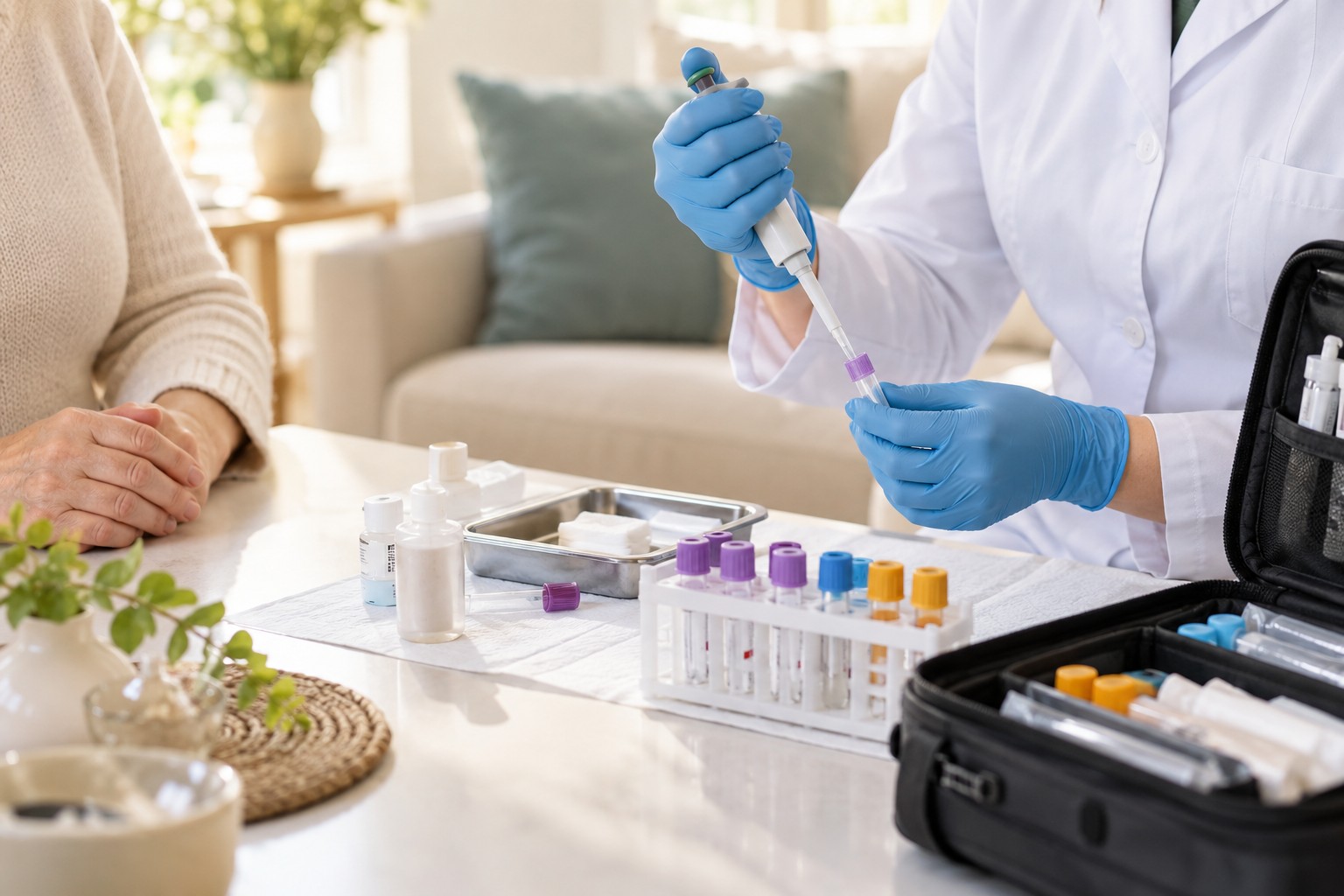
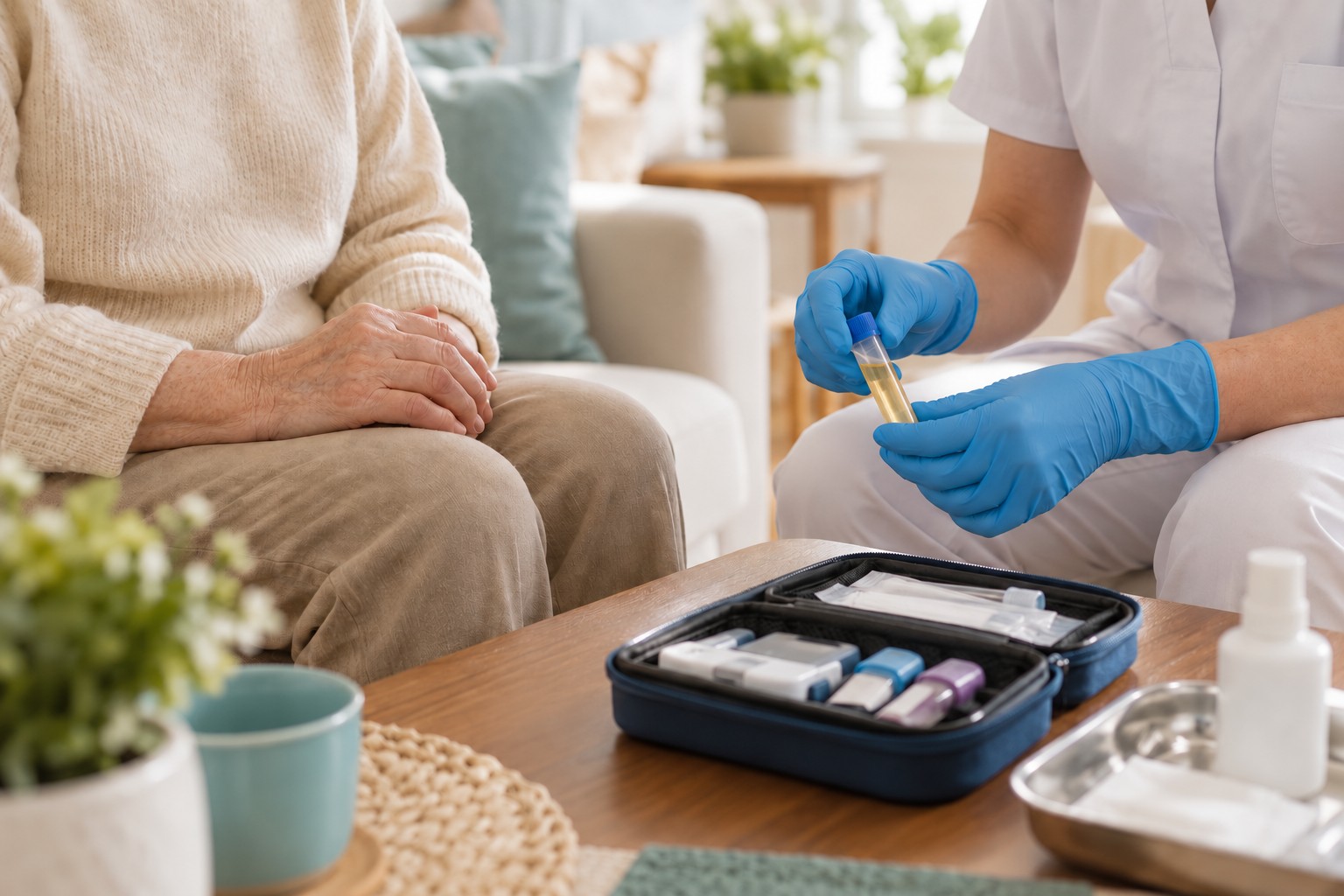
Our nurse comes to your address and collects your blood sample using sterile, single-use supplies.
-
03
You receive your result
Your sample is transported to the laboratory under appropriate conditions; your result is sent to you when it is ready.
Frequently asked questions
The information on this page is for general information only; it does not replace diagnosis or treatment. Consult your doctor for decisions about your health.