

The LDH test measures lactate dehydrogenase, an enzyme released into the blood when cells are damaged; it helps in investigating anemia and liver and muscle problems.
- Sample
- Blood
- Fasting
- Not required
- Turnaround time
- As soon as possible
- Test group
- Biochemistry
Preparation: No fasting is needed. Avoid heavy exercise the day before the test and tell your doctor about the medications you take regularly.
Insurance: We work with private health insurers. For this test, we obtain the pre-approval and collect your sample once approval is received; we do not charge a co-payment. Insurance and payment
Contents
What is lactate dehydrogenase (LDH)?
Lactate dehydrogenase, LDH for short, is an enzyme that helps cells produce energy from sugar. It is found in almost every tissue of the body, particularly the heart, liver, kidneys, skeletal muscles, lungs and red blood cells. The enzyme plays a role especially in allowing cells to keep producing energy when oxygen is scarce. When cells are damaged or break down, the LDH inside them passes into the blood and its blood level rises.
LDH is therefore a general marker that is not specific to any one organ but shows whether there is tissue damage somewhere in the body. The enzyme has five subtypes, or isoenzymes, which are distributed differently across tissues, and these can be examined separately when needed. Isoenzyme testing can give a clue as to whether the rise comes mainly from the heart and red blood cells or from the liver and muscles. In the routine test, total LDH activity in serum is measured spectrophotometrically, based on the enzyme's ability to speed up a chemical reaction.
When is an LDH test ordered?
LDH is usually ordered not on its own but together with other tests to investigate the source of tissue damage. It is an important supporting test in diagnosing types of anemia in which red blood cells are destroyed prematurely and in monitoring certain types of cancer. It can also be used to get an idea of the extent of tissue damage in some lung infections and in liver and muscle diseases. Your doctor may repeat the test at set intervals to monitor the response to treatment.
- Signs of anemia such as unexplained weakness, pallor and yellowing of the skin
- Suspected hemolytic anemia, in which the destruction of red blood cells is increased
- Assessment of tissue damage in liver, lung or kidney diseases
- Muscle pain, muscle injury or suspected muscle disease
- During the diagnosis and treatment follow-up of certain types of cancer, such as lymphoma
How do I prepare for an LDH test?
You usually do not need to fast for an LDH test, and blood can be given at any time of day. On the morning of the test you can have your usual breakfast and drink water. Because intense exercise can increase the release of LDH from the muscles into the blood, it is recommended that you avoid strenuous sports and demanding physical activity the day before the test. Some medications can also affect the result, so it is helpful to tell your doctor about the medications you take regularly.
Because red blood cells contain large amounts of LDH, damage to the cells during the blood draw, known as hemolysis, can make the result falsely high. It is therefore important that the blood sample is collected carefully, that the tube is transported without being shaken and that it reaches the laboratory without delay. Blood is drawn from an arm vein; a nurse can do this at your home or workplace.
What does an LDH result mean?
A high LDH level indicates tissue damage or cell breakdown somewhere in the body, but on its own it does not tell which tissue is involved. Hemolytic anemia, anemia due to vitamin B12 or folic acid deficiency, liver diseases, muscle damage, lung infections, kidney diseases and certain types of cancer can cause the value to rise. Intense exercise and a hemolyzed sample can also produce a temporary or misleading elevation. The degree of elevation and how it changes over time can also give clues about the course of the underlying condition.
Low LDH, on the other hand, is quite rare and usually does not indicate a clinical problem. Your doctor investigates the source of a high result by evaluating it together with a complete blood count, bilirubin, liver enzymes or, if needed, isoenzyme tests. The accepted range for LDH varies from laboratory to laboratory depending on the method used, age and sex; the range of the laboratory that analyzes your sample is shown on this page. A single LDH value does not establish a diagnosis, so you should have your doctor evaluate your result together with your symptoms and other tests.
Reference range
Unit: U/L- 135 - 225
This is the value used by our laboratory; it may vary depending on age, sex, the method used and the laboratory. Review your result together with your doctor.
How is Lactate Dehydrogenase (LDH) done at home?
-
01
Book your appointment
Fill in the online form or call us, and let's plan a day and time that suit you together.
-
02
Your blood is drawn at home
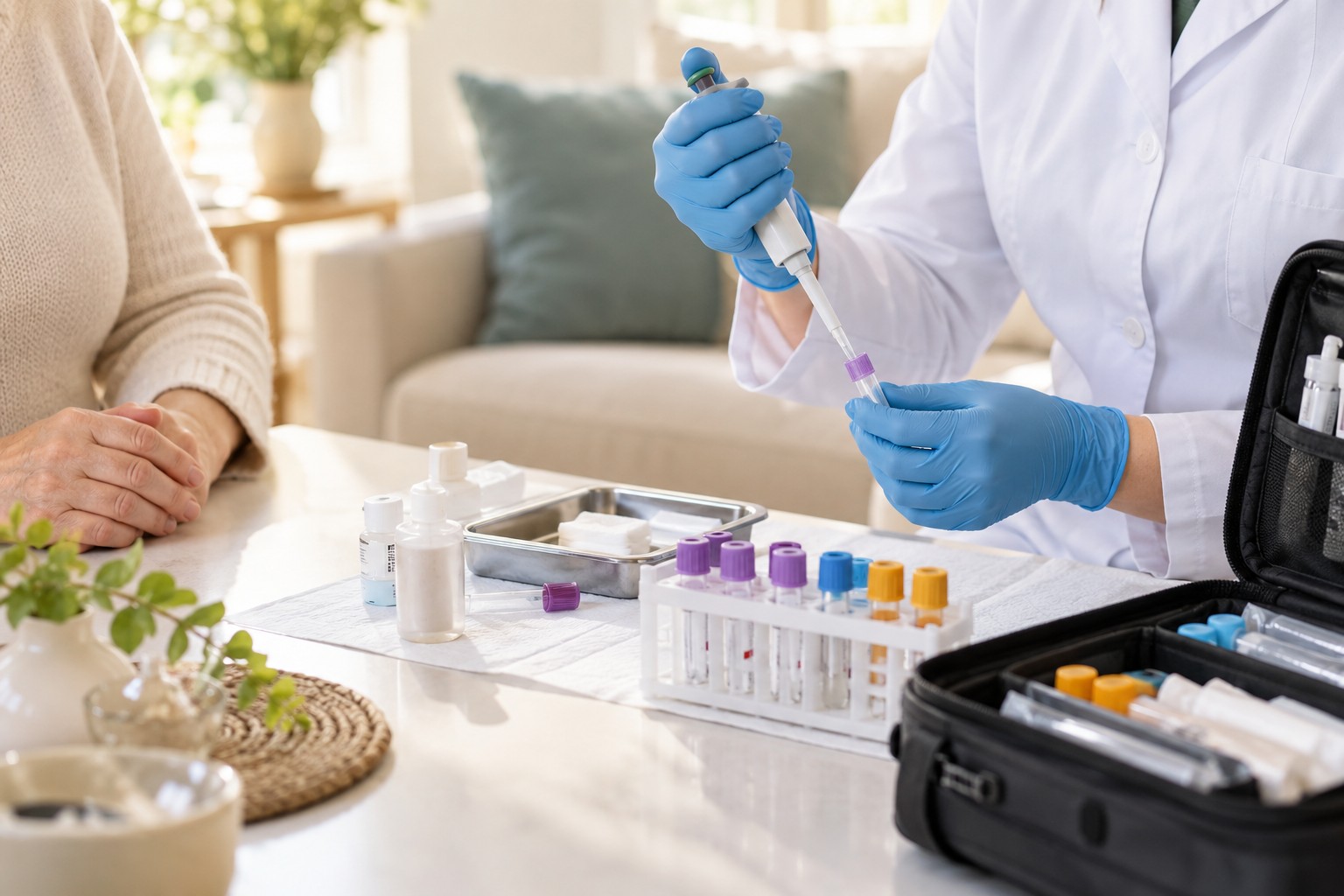
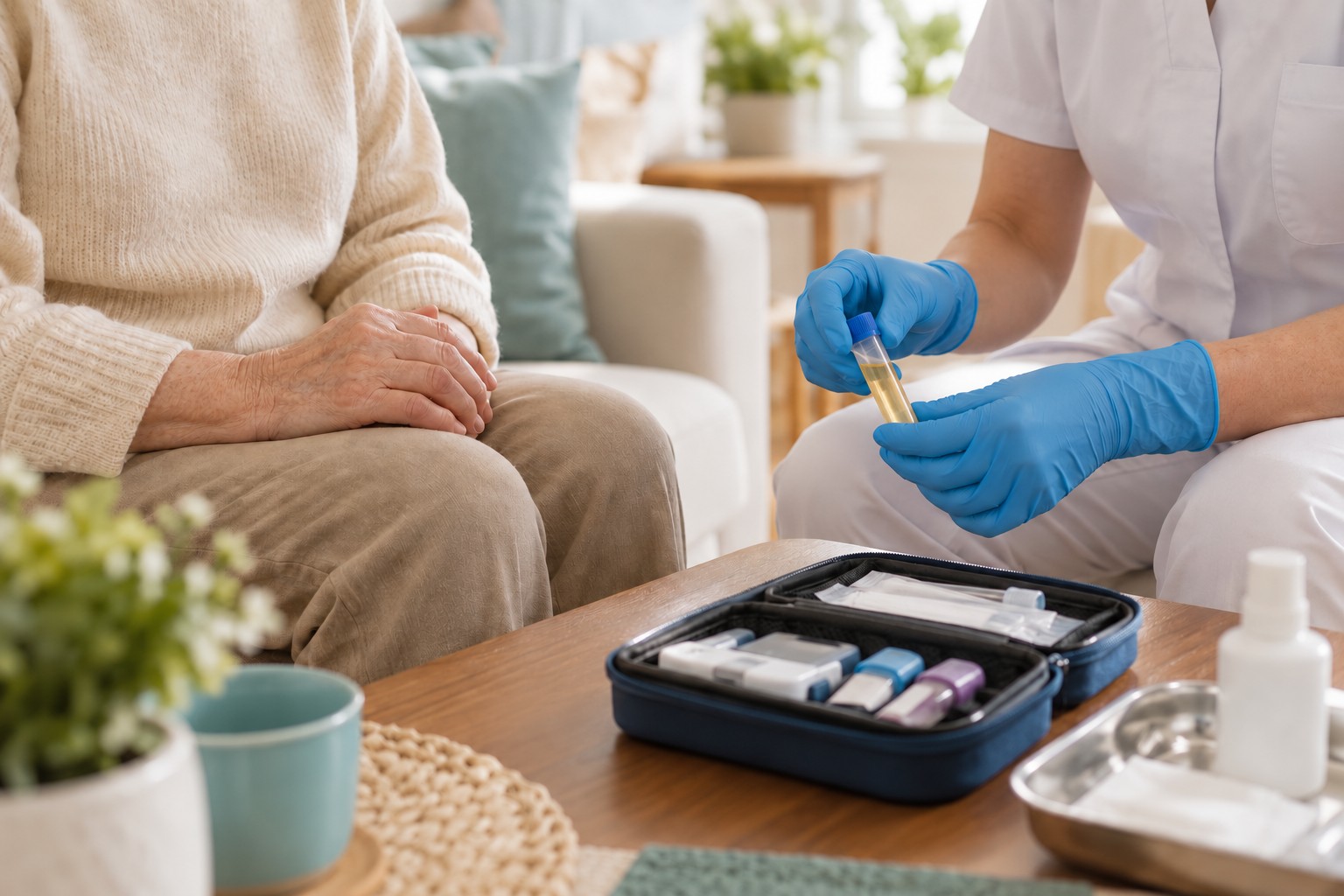
Our nurse comes to your address and collects your blood sample using sterile, single-use supplies.
-
03
You receive your result
Your sample is transported to the laboratory under appropriate conditions; your result is sent to you when it is ready.
Frequently asked questions
The information on this page is for general information only; it does not replace diagnosis or treatment. Consult your doctor for decisions about your health.