

The HDL cholesterol test measures the good cholesterol that removes excess cholesterol from the blood vessels; it is used to assess the risk of cardiovascular disease.
- Sample
- Blood
- Fasting
- Required
- Turnaround time
- As soon as possible
- Test group
- Biochemistry
Preparation: When done with a lipid profile, 9–12 hours of fasting is recommended. Avoid alcohol and very fatty meals the day before the test.
Insurance: We work with private health insurers. For this test, we obtain the pre-approval and collect your sample once approval is received; we do not charge a co-payment. Insurance and payment
Contents
What is HDL cholesterol?
Cholesterol is a fat-like substance needed to build cell membranes and to produce bile acids and certain hormones. Most of the cholesterol in the body is made in the liver, while a smaller part comes from animal-based foods. Because it cannot travel in the blood on its own, it is carried by transport particles called lipoproteins. HDL, or high-density lipoprotein, is one of these carriers.
HDL collects excess cholesterol that builds up in blood vessel walls and tissues and carries it back to the liver, which processes this cholesterol and removes it from the body. Because of this protective effect, it is commonly known as good cholesterol. HDL levels are partly determined by heredity, but lifestyle also has a considerable effect on this value. The test measures the amount of cholesterol carried by HDL particles using enzymatic methods, and the result is reported in mg/dL.
When is an HDL cholesterol test ordered?
HDL cholesterol is usually measured as part of a panel called the lipid profile, together with total cholesterol, LDL cholesterol and triglycerides. The results are used together with other risk factors, such as age, blood pressure, smoking and diabetes, to calculate the risk of cardiovascular disease.
For adults, checking the lipid profile at regular intervals is recommended; the interval is set by the doctor based on age and risk. If there is a family history of early heart disease or inherited high cholesterol, the measurement may also be done in childhood or adolescence. In people who have started cholesterol-lowering treatment or changed their lifestyle, the test is repeated to monitor progress.
- Regular cardiovascular risk screening in adults
- A family history of heart attack or stroke at a young age
- Diabetes, high blood pressure or excess weight
- Smoking and a sedentary lifestyle
- Monitoring cholesterol treatment or lifestyle changes
How do you prepare for an HDL cholesterol test?
HDL levels are not markedly affected by a single meal; however, because HDL is usually measured together with triglycerides, a 9–12-hour fast is commonly recommended. You can drink water during this time. If your doctor has ordered only HDL or a non-fasting lipid measurement, you may not need to fast; it is helpful to clarify the instructions in advance.
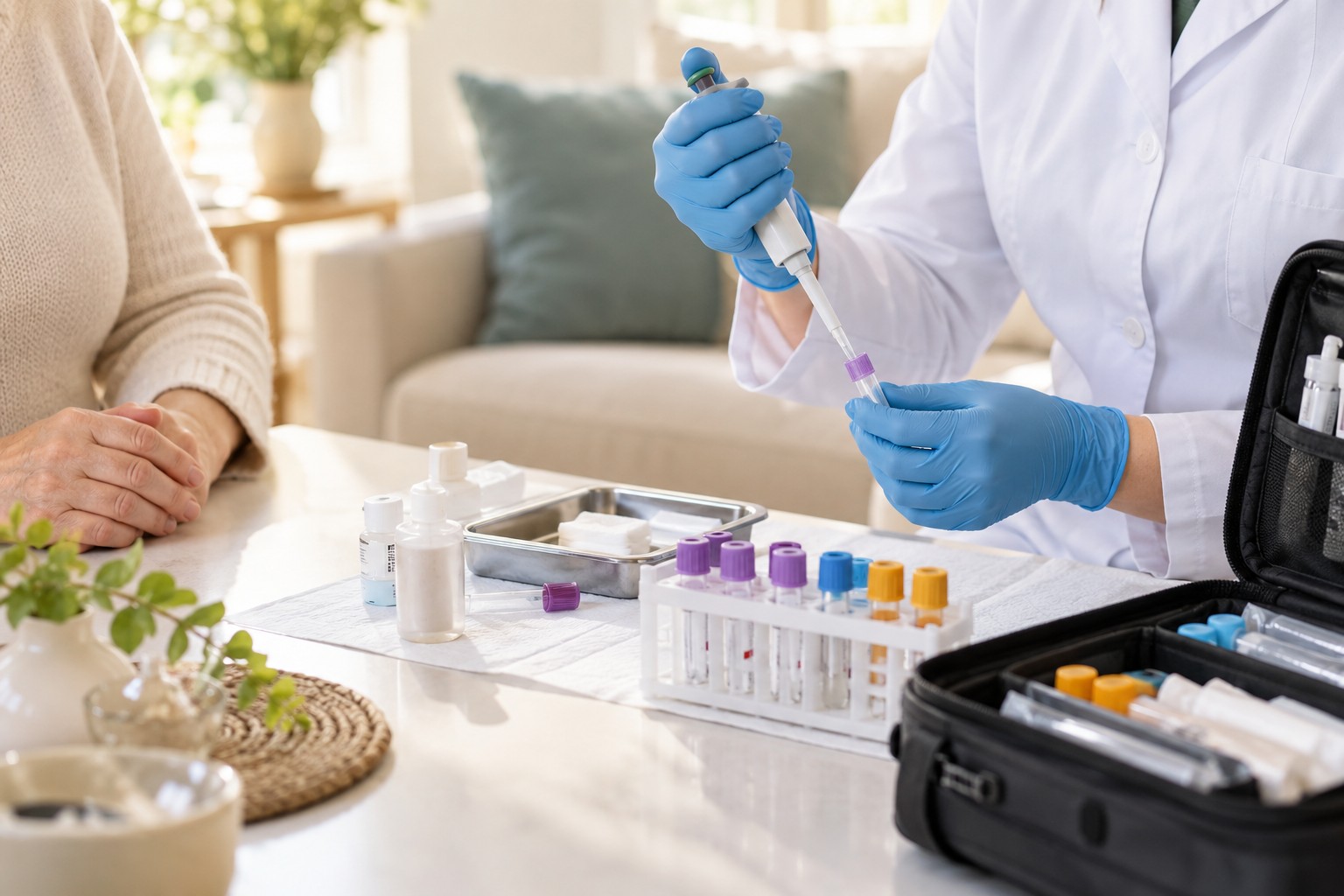
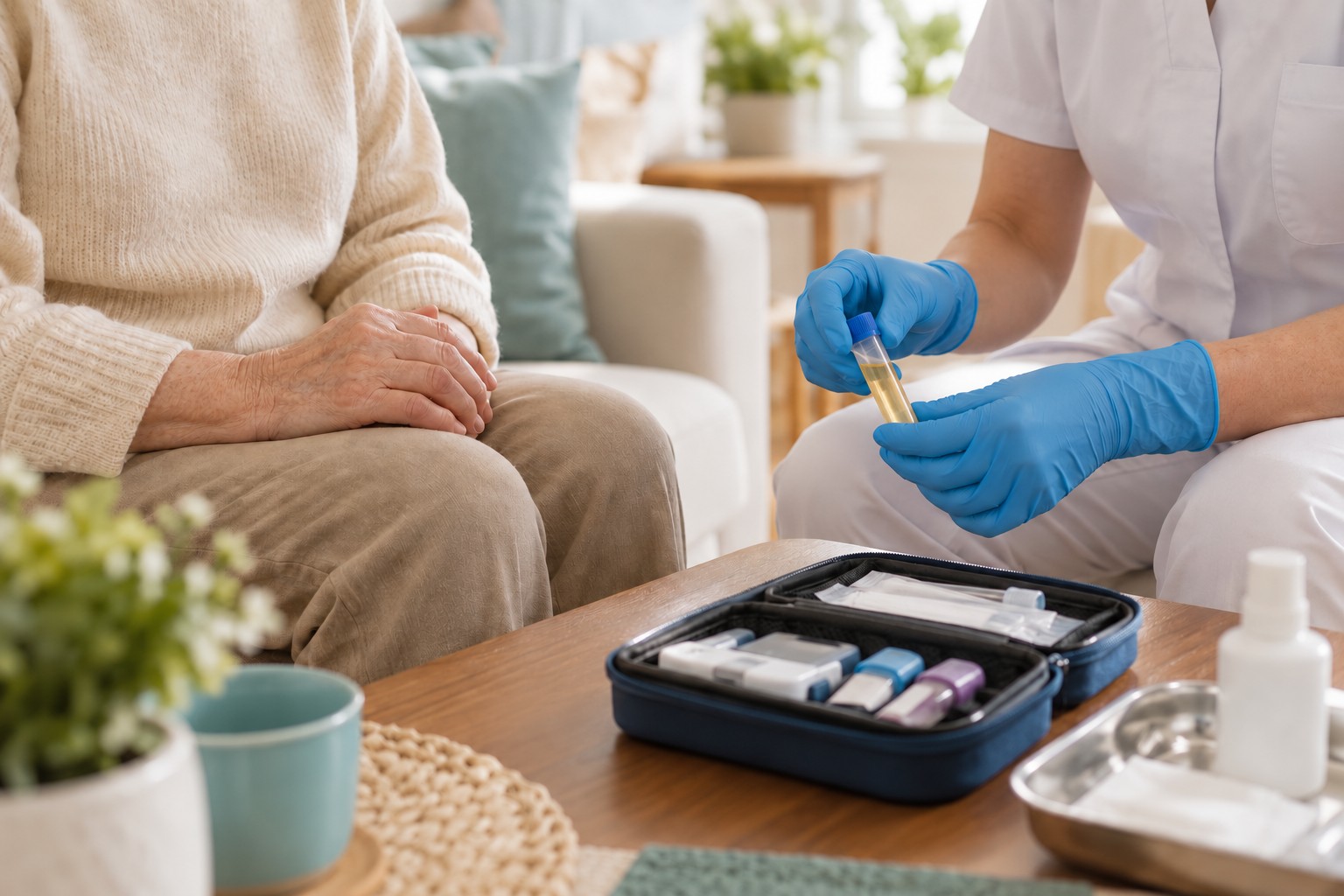
Avoiding alcohol and very fatty meals the day before the test is recommended so that your lipid values reflect your true condition. If you have made a major change to your diet in recent weeks, had a serious illness or had surgery, tell your doctor; these situations can temporarily change cholesterol values. If you are on cholesterol-lowering treatment, you usually do not need to pause your medication for the test; still, check with your doctor to be sure. Your blood sample can be taken by our nurse at your home or workplace.
What does an HDL cholesterol result mean?
Low HDL is considered one of the factors that increase the risk of cardiovascular disease. Smoking, a sedentary lifestyle, excess weight (especially abdominal fat), uncontrolled diabetes and high triglycerides are associated with low HDL. Certain medications and inherited traits can also lower HDL. HDL is more meaningful when assessed not on its own but in relation to LDL and total cholesterol.
High HDL is usually considered favorable; regular exercise and quitting smoking can help raise HDL. However, it is known that very high HDL values do not always provide extra protection and may, rarely, be linked to inherited or other causes. Reference and target values may vary by laboratory, age and sex; HDL is generally higher in women, and this page shows the range of the laboratory concerned. It is your doctor who will interpret your result together with your symptoms, your other lipid values and your personal risk factors.
Reference range
Unit: mg/dL- > 40
This is the value used by our laboratory; it may vary depending on age, sex, the method used and the laboratory. Review your result together with your doctor.
How is HDL Cholesterol (Good Cholesterol) done at home?
-
01
Book your appointment
Fill in the online form or call us, and let's plan a day and time that suit you together.
-
02
Your blood is drawn at home
Our nurse comes to your address and collects your blood sample using sterile, single-use supplies.
-
03
You receive your result
Your sample is transported to the laboratory under appropriate conditions; your result is sent to you when it is ready.
Frequently asked questions
The information on this page is for general information only; it does not replace diagnosis or treatment. Consult your doctor for decisions about your health.