
About Bağcılar Health Screening at Home
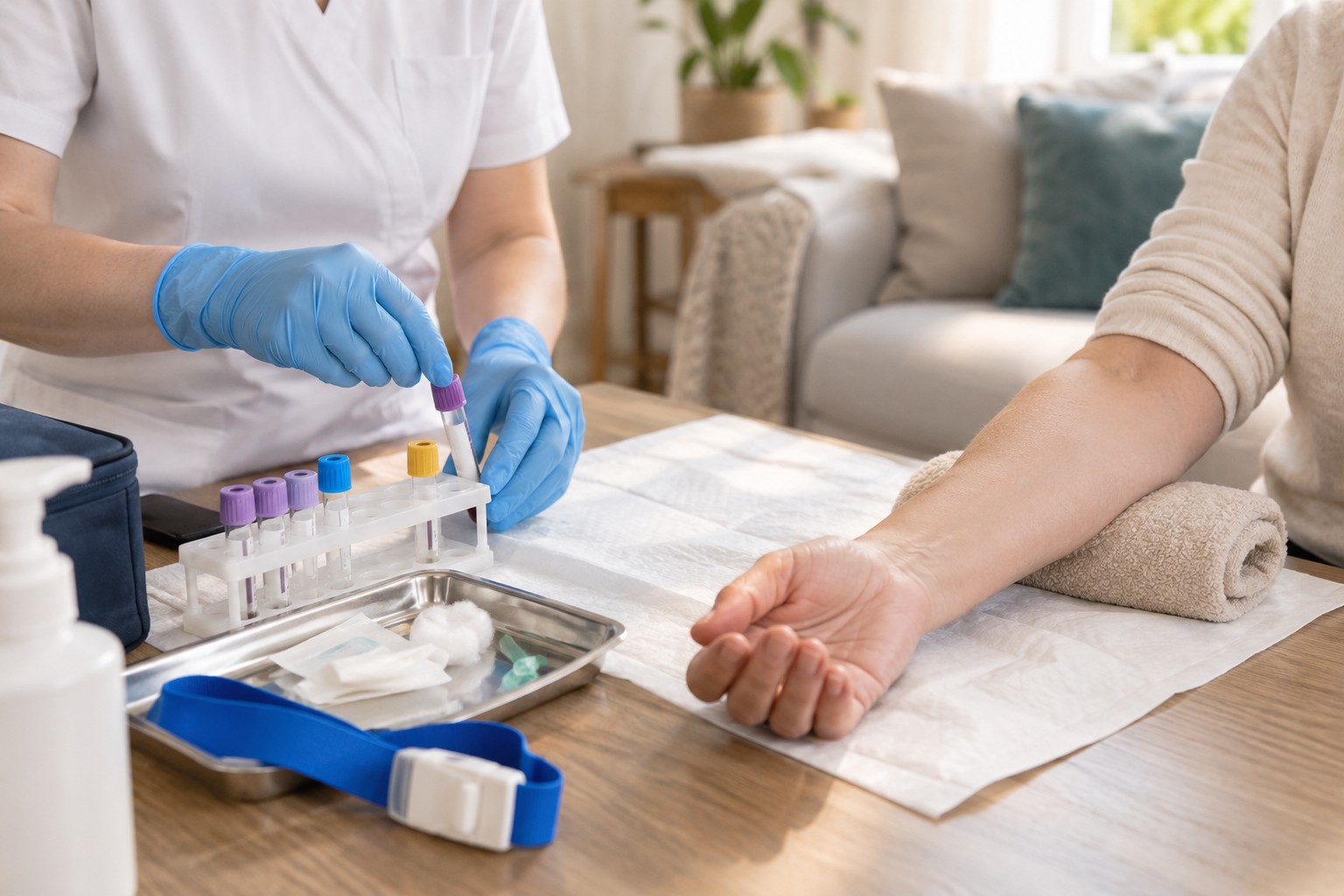
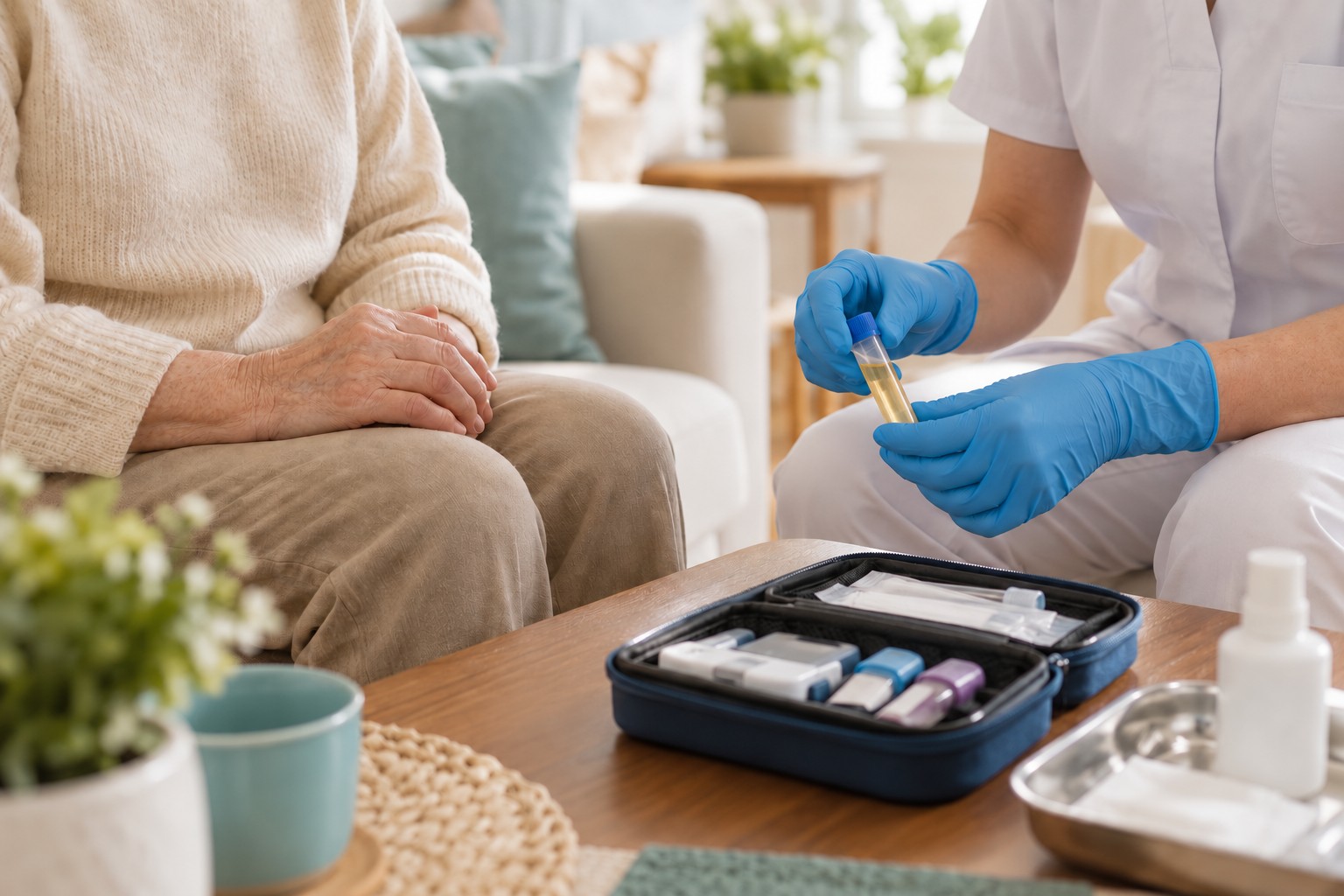
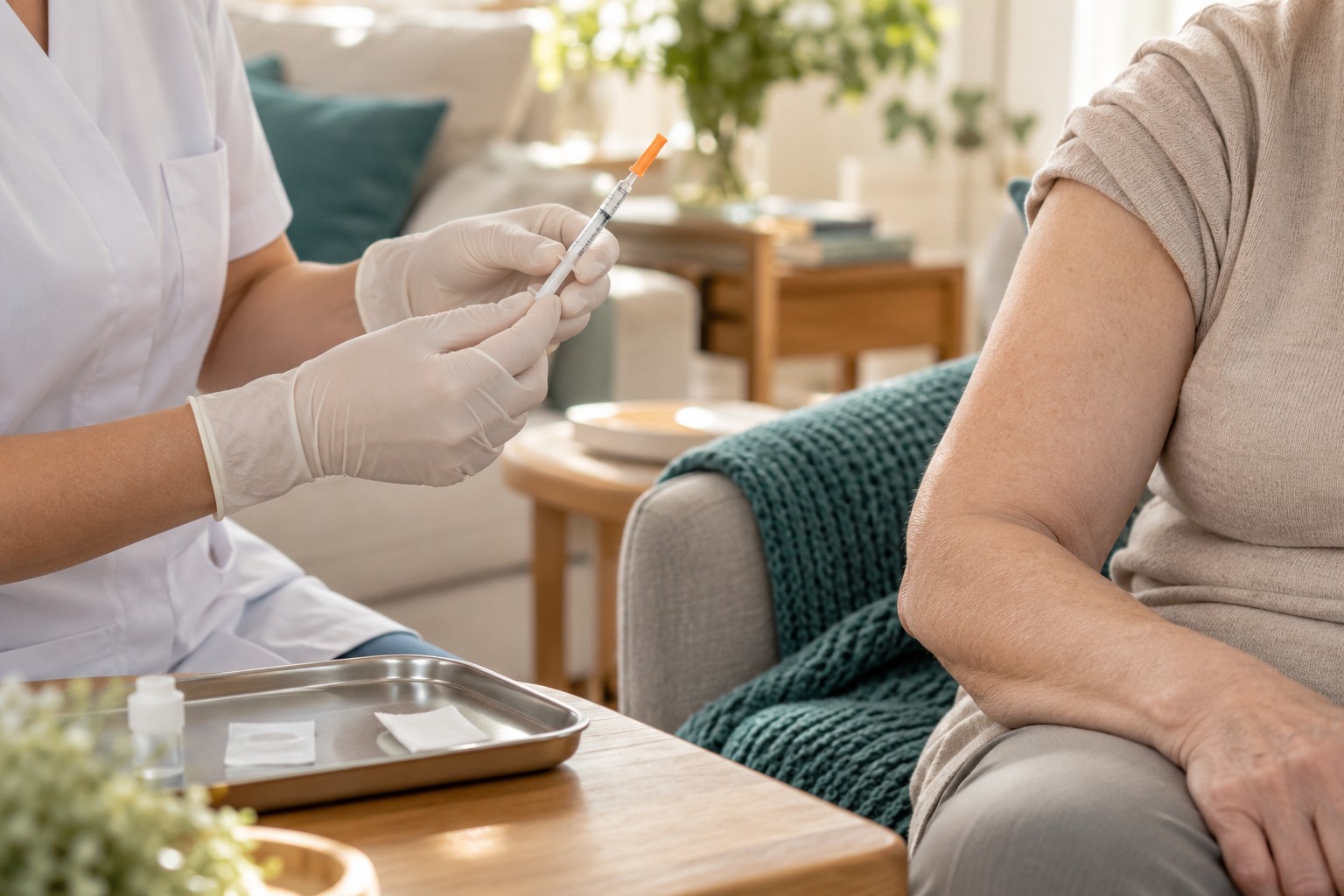
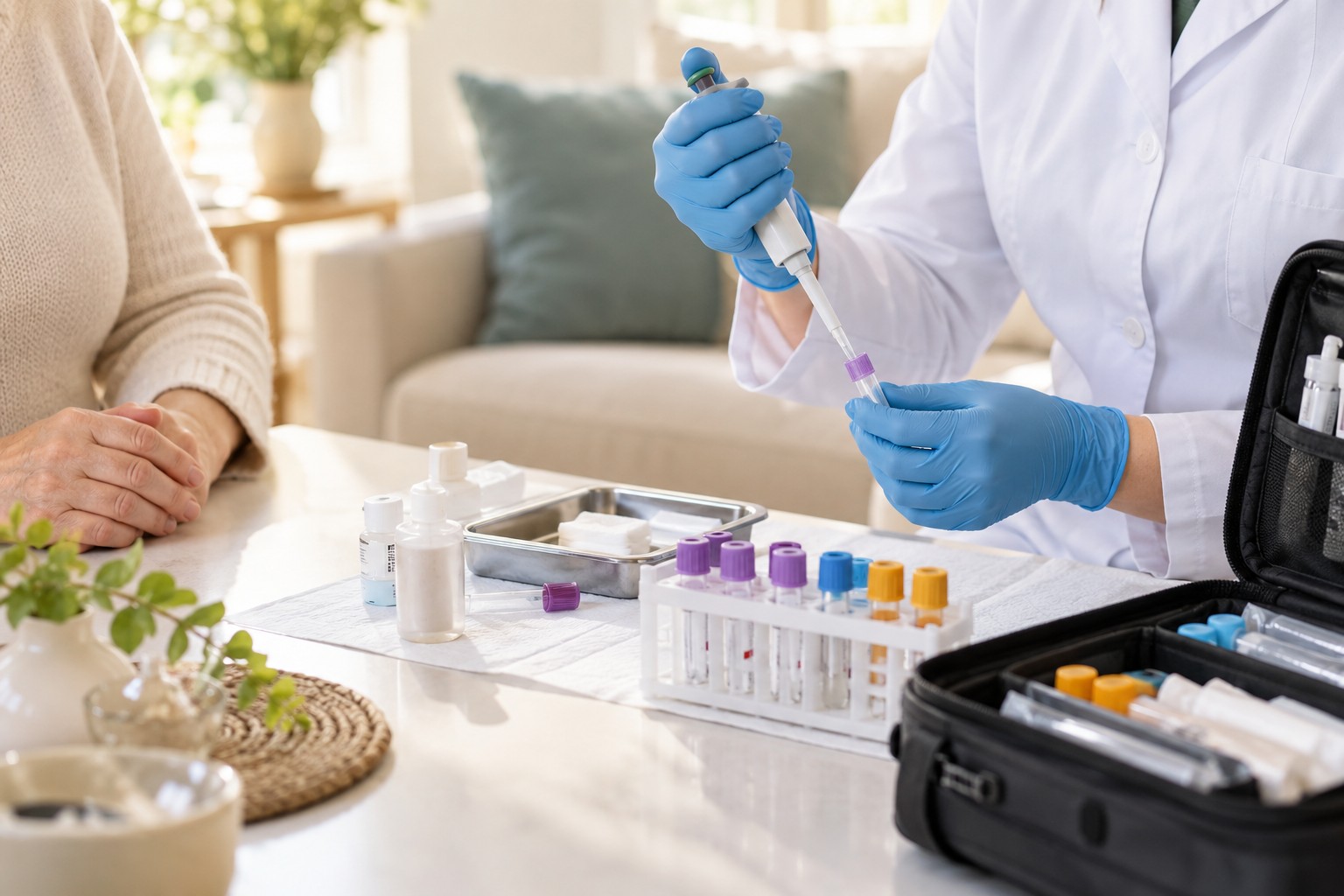
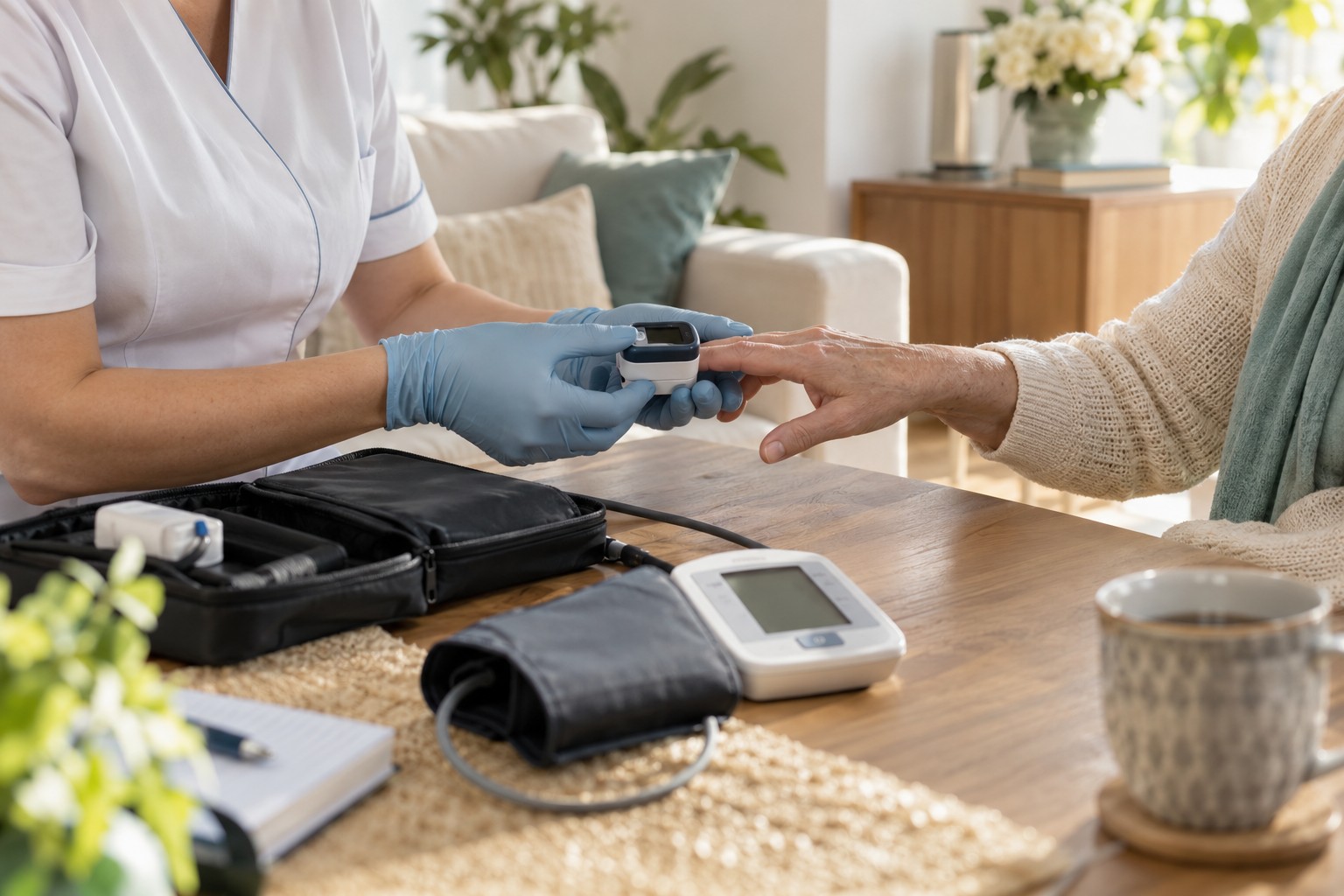
Many problems, such as blood sugar imbalance, high cholesterol or vitamin deficiencies, can progress for a long time without causing any symptoms. Health screening at home is a planned check-up that aims to make these silent risks visible before any complaints begin. Because the samples are taken at your home or office, preventive healthcare becomes easy enough to fit into a busy day.
The difference between screening and diagnosis
Screening means looking for risk signs that have not yet been noticed in a person with no complaints; diagnosis aims to find the cause of an existing complaint. That is why a finding from screening does not amount to a diagnosis on its own; when a result needs attention, a doctor decides which further tests are needed. Normal results do not remove the need for regular check-ups, either.
If you have a clear complaint, you should see a doctor rather than wait for a planned check-up. For emergency symptoms such as chest pain, sudden shortness of breath or slurred speech, call 112 without delay.
Who should not put off health screening?
Regular check-ups make sense for every adult. However, if any of the following applies to you, it is especially important not to put this check-up off:
- People with a family history of heart and vascular disease, diabetes or high cholesterol
- Smokers and people who have led a sedentary life for a long time
- People who work at a desk, eat irregular meals and are under heavy stress
- People who have previously been found to be overweight or to have high blood pressure or borderline blood sugar
- Adults who have not had any check-up for a long time
- Women going through menopause and anyone experiencing metabolic changes with advancing age
If you are in one of these groups, talking to your doctor about which tests are a priority also helps you avoid unnecessary tests. You can choose your starting point by looking through our check-up packages, designed for different needs.
If you are planning a screening for your mother or father, having the sample taken in their own home saves them from setting out early in the morning on an empty stomach. Being with them at the results consultation also makes it easier to follow up on the recommended changes together.
How often should you have a screening?
There is no single frequency that applies to everyone; the interval depends on your age, your risk factors and your previous results. Many adults without a notable risk find it practical to have a check-up once a year and to tie it to an easy-to-remember date such as their birthday. If a previous check-up showed a borderline value, if you have started a new medication, or if there has been a marked change in your weight, sleep or stress levels, your doctor may ask you to repeat some tests more often.
If you already have regular tests because of a chronic condition, follow-up tests and general screening serve different purposes. If your doctor agrees, you can schedule both for the same morning and take care of both with a single sample collection.
Preparing for health screening at home
For metabolic tests to be assessed accurately, you are usually asked to fast on the morning you give the sample; that is why booking the appointment for early morning makes things easier. Prepare a list of the medications and vitamin supplements you take; since some supplements, such as biotin, can affect certain laboratory measurements, ask your doctor whether you should pause them. Noting any significant illnesses in your parents and siblings also helps the doctor who will assess your results complete the picture of your risks.
Write down any questions you have in advance as well; frequent tiredness, sleep problems or a recent change in weight you have noticed tell the doctor which results to look at more closely. If you have recently had an infection with fever, some values may be temporarily affected, so ask your doctor whether you should postpone the appointment by a few days.
A screening day for office workers
Companies can organize a screening day directly at the office to support their employees' health. In that case, the participant list and the scope of the tests are agreed first; because some tests require fasting, sample collection is scheduled for the first hours of the working day. Sending employees a short reminder about fasting and medication use a few days before the appointment reduces problems on the morning itself. Each employee's results are personal health data and are protected under KVKK, Türkiye's personal data protection law.
An office screening can be planned wherever your company is located in Istanbul. The fee for the scope you choose is shared clearly before the process begins. Participants can send any questions they have to our call center, which is open 24/7.
After the results: follow-up and lifestyle
A screening report takes on its real meaning when a doctor assesses it, and change often starts after that conversation. For someone with borderline cholesterol or blood sugar, diet, physical activity and sleep habits are usually the first topics discussed. If you would like professional support with nutrition, our dietitian at home service can also be arranged at your home or office. When changes start with small steps, they are also easier to maintain; your next check-up lets you see the effect of these steps.
If your doctor only wants one value to be measured again, you don't need to repeat the full screening; you can have that test checked with our blood draw at home service. At Curavita Evde Sağlık, our goal is to make regular check-ups a habit so easy that no one living or working in Istanbul needs to put them off.