

Contents
Returning home after surgery is an important step in recovery; however, once you are discharged, much of the care passes to you and your family. In the first days, proper wound care, regular movement and careful observation help possible problems to be noticed early. The information here is general; the discharge instructions your surgeon gives you for your type of surgery always take priority.
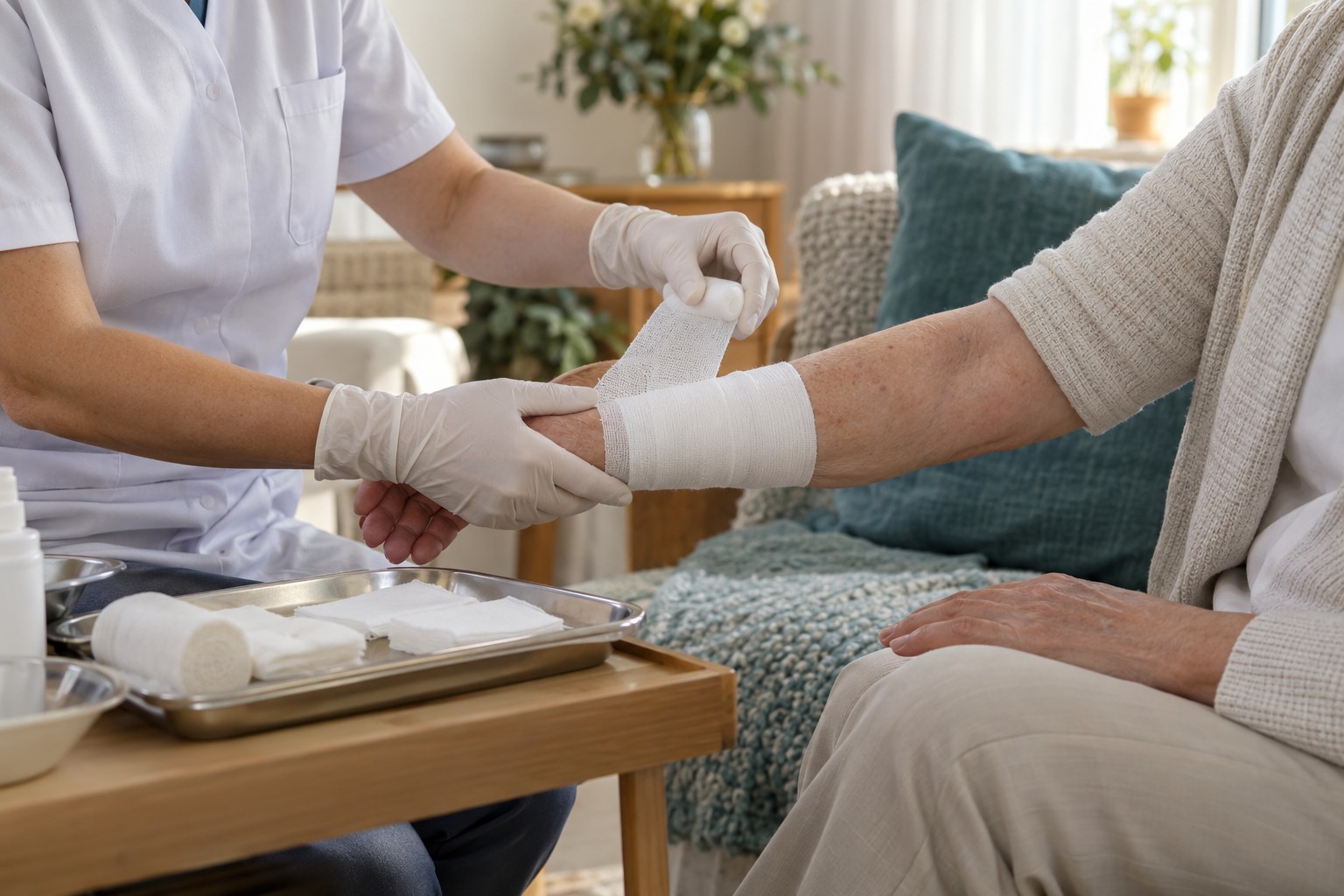
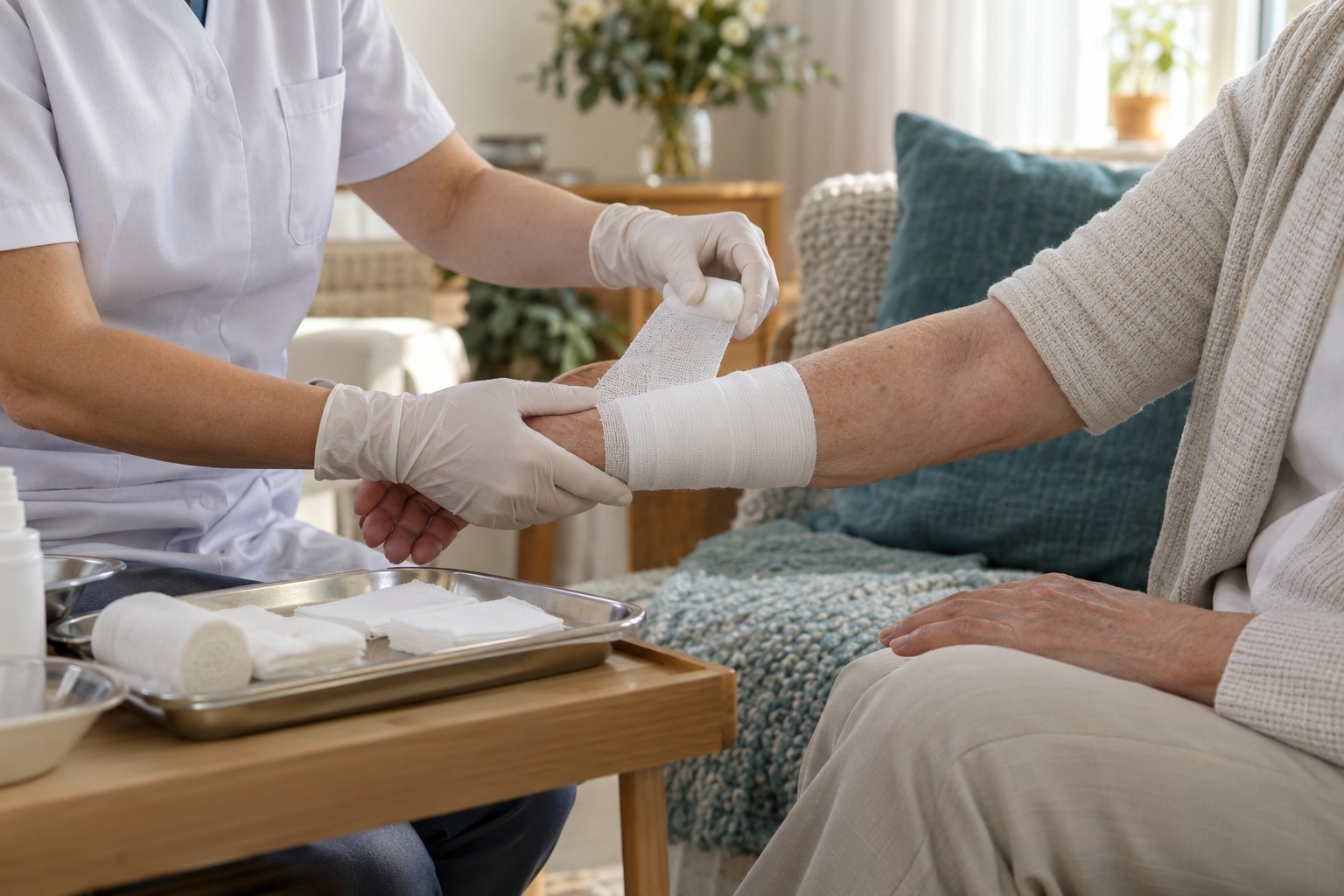
Wound and dressing care
Your surgeon decides how often the dressing should be changed, when the wound can get wet and when the stitches will be removed. Getting these instructions in writing before you are discharged helps avoid confusion at home.
- Wash your hands with soap and water before and after touching the dressing.
- Keep the dressing clean and dry. Ask your nurse or doctor what to do if it gets wet, dirty or slips out of place.
- Do not apply any cream, powder, cologne or herbal mixture to the wound that your doctor has not recommended.
- Do not scratch the wound area or pick off any scabs that form.
- Once you are allowed to shower, take a short, lukewarm shower; pat the wound dry without rubbing it. Wait for your doctor's approval before taking a bath or going into a pool or the sea.
- Avoid clothing that presses on the wound or rubs against it.
- If you were discharged with a drain, follow the method your nurse showed you for caring for the drain, emptying the bag and recording the amount.
Mild redness and swelling around the wound may occur in the first days and are expected to decrease gradually. Changes that increase or spread, however, may be a sign of a problem.
Pain management
Some pain is normal in the first days after surgery and usually eases over time. Keeping your pain under control lets you move and rest more comfortably, which also supports your recovery.
- Take painkillers only in the way and at the times your doctor recommends. Do not take additional medication or change the dose on your own.
- If your doctor has advised you to take the medication at regular intervals, stick to this schedule without waiting for the pain to get worse.
- Some painkillers can cause drowsiness, nausea or constipation. Do not drive while taking medications that make you drowsy, and do not drink alcohol during the treatment.
- If you had abdominal surgery, you can support yourself by pressing a pillow against your abdomen when you cough or sneeze.
- Rating your pain from 0 to 10 and keeping short notes makes it easier to give your doctor clear information at your follow-up visit.
Movement and mobilization
Unless your surgeon says otherwise, you are advised to start moving early after surgery. Regular movement helps reduce the risk of blood clots, lung infection, muscle loss and constipation.
- Take short but frequent walks during the day and gradually increase how long you walk.
- When getting out of bed, sit up first, let your legs hang over the side and, once any dizziness has passed, stand up slowly. Have someone with you the first few times you get up.
- While lying in bed, regularly do the ankle movements and deep-breathing exercises recommended by your doctor or nurse.
- Ask your doctor when you can lift heavy objects, bend over, drive, play sports and return to work.
- After orthopedic surgery, your doctor and physiotherapist will determine how much weight you can put on your leg and which movements you should avoid. If a walker or crutches have been recommended, use them consistently.
In the first days after discharge, weakness and dizziness can increase the risk of falling. So remove rugs and cables from walkways, keep the hallway lit at night and use a non-slip mat in the bathroom.
Nutrition and fluids
Your appetite may be reduced in the first days; eating small amounts at frequent intervals is usually easier. A special nutrition plan may be needed after some operations; in that case, follow the advice of your doctor or dietitian.
- Protein sources such as eggs, dairy products, meat, chicken, fish and legumes support wound healing.
- Vegetables, fruit and whole grains help prevent constipation.
- Unless your doctor has specified a restriction, drink enough fluids throughout the day.
- If you become constipated, avoid straining; check with your doctor before using any product you are considering.
- If you have diabetes, monitor your blood sugar as often as your doctor recommends; high blood sugar can delay wound healing.
- Smoking and alcohol can have a negative effect on recovery; you are advised to avoid them during this period.
Follow-up visits and daily monitoring
Find out the date of your follow-up appointment when you are discharged, and note down when procedures such as stitch removal, dressing changes or drain removal will be done. Be sure to also ask your doctor when to restart any medications you paused before surgery.
Keeping short daily notes makes it easier to track how your recovery is going. Write down your body temperature, your pain score, how the wound looks, the drain output if you have a drain, the times you take your medications and your bowel movements. Take these notes and a list of any questions you have with you to your follow-up visit.
When should you contact a doctor or call 112?
During recovery, some symptoms may be an early sign of a problem. If you notice any of the following, contact your doctor or your surgeon's team without waiting.
Signs of infection
- Spreading redness, increasing swelling or warmth around the wound
- Cloudy, yellow-green or foul-smelling discharge from the wound
- Fever, chills or marked weakness
- Pain that keeps getting worse when it should be easing
Other warning signs
- Bleeding that quickly soaks through the dressing, or stitches coming apart
- Swelling, pain or redness in one leg
- Being unable to keep fluids down because of nausea or vomiting; being unable to pass gas or stool, or a swollen abdomen
- Being unable to urinate, or a burning sensation when urinating
- Severe pain that does not go away despite painkillers
Sudden shortness of breath, chest pain, coughing up blood, fainting, confusion or bleeding that cannot be stopped are emergencies; call 112 without delay. Home care does not replace emergency medical services.
Support at home with Curavita
At Curavita Evde Sağlık, our Wound Care and Dressing at Home service provides wound follow-up in line with your surgeon's plan, and with our Nurse at Home service we support you with medication administration and the monitoring of your general condition. When your doctor considers it appropriate, our Physiotherapy at Home service helps you safely regain your mobility.
This guide is for general information only; consult your doctor for diagnosis and treatment. In an emergency, call 112.