


Contents
Taking on the care of a bedridden loved one at home is demanding, both physically and emotionally. Good care habits can reduce the risk of problems such as pressure ulcers and infections, and can also make your loved one more comfortable. The advice here is for general information only; for a care plan tailored to your loved one, the recommendations of your doctor and nurse are what count.
Preventing pressure ulcers and repositioning
A pressure ulcer (bedsore) develops when prolonged pressure on one area of the body reduces the blood flow to that area. Pressure ulcers are most common over bony prominences such as the tailbone, hips, heels, elbows, shoulder blades and the backs of the ears. They can often be prevented, and one of the main ways to do this is regular repositioning.
- As a general practice, changing position about every two hours is recommended. Your nurse should decide the right frequency based on your loved one's skin condition and the type of mattress being used.
- Alternate between lying on the back, the right side and the left side. A slightly tilted side position, rather than lying fully on the side, reduces the pressure on the hip bone.
- Place a pillow between the knees, and put a pillow under the calves so that the heels are lifted slightly off the bed.
- Do not move your loved one by pulling or dragging them across the bed. Friction damages the skin; if possible, use two people and lift and slide them with the help of the sheet underneath.
- Outside mealtimes, do not raise the head of the bed more than necessary. This helps keep your loved one from sliding down and reduces the load on the tailbone.
- Your nurse or doctor may recommend a pressure-redistributing air mattress; however, this mattress does not replace repositioning.
Skin care and hygiene
Check the skin every day, especially during washing and repositioning. Redness that does not fade when you press lightly on it with a finger may be an early sign of a pressure ulcer and should be reported to your nurse.
- Keep the skin clean and dry. After any episode of urinary or bowel incontinence, clean the area promptly with a mild cleanser and lukewarm water.
- Do not rub when drying; pat the skin dry gently with a towel. Take particular care to keep skin folds such as the armpits, the area under the breasts and the groin dry.
- You can apply moisturizer to dry skin; however, do not massage reddened areas, as this can damage the tissue.
- Keep the sheets taut and free of wrinkles and crumbs; change wet underpads and adult diapers without delay.
- Give bed baths in a warm room, respecting your loved one's privacy and uncovering only one part of the body at a time.
- Wash your hands with soap and water before and after every care task; use disposable gloves when needed.
Mouth care
Mouth care is often overlooked, yet oral health affects both nutrition and the risk of lung infection. Regular mouth care is also necessary for patients who are not fed by mouth.
- Clean the teeth and gums at least twice a day with a soft toothbrush.
- Remove and clean dentures every day, and store them as your dentist recommends.
- For people who have difficulty swallowing, use only a small amount of liquid during mouth care and keep the head tilted slightly forward.
- You can use a lip balm to prevent dry lips.
- If you notice sores, white patches or bleeding in the mouth, tell your nurse or doctor.
Nutrition and fluid balance
Adequate nutrition supports the skin's resilience and helps wounds heal. Because the content and size of meals may vary depending on your loved one's medical conditions, follow the advice of your doctor or dietitian if a special nutrition plan is needed.
- During meals, sit your loved one as upright as possible, and make sure they stay in this position for a while after eating.
- Offer small mouthfuls and do not rush. Frequent coughing, choking or a wet, gurgling voice during meals may be a sign of difficulty swallowing.
- The sense of thirst may be reduced, so offer fluids at regular intervals throughout the day. For people with heart or kidney disease, the daily amount of fluid is determined by the doctor.
- Dark urine, a dry mouth and passing less urine can be signs of insufficient fluid intake.
- Immobility can lead to constipation. Fiber-rich foods and enough fluids, to the extent your doctor considers appropriate, help with this.
- For patients who are tube-fed, feeding should follow the method and hygiene rules your nurse has shown you.
Supporting movement
Spending long periods in bed can lead to stiff joints and loss of muscle strength. The exercises recommended by your doctor and physiotherapist help slow these losses.
- Help your loved one do the recommended joint exercises every day, slowly and without causing pain.
- If it has been judged appropriate, support your loved one in sitting up in bed, sitting on the edge of the bed with their legs hanging down, or moving to a chair.
- Deep breathing exercises help keep the lungs well ventilated.
- Opening the curtains during the day, chatting with your loved one and keeping a regular day-night routine also help them stay mentally active.
Do not forget your own health either. When lifting or turning your loved one, bend your knees, keep your back straight and ask for help whenever possible.
When should you contact a doctor or call 112?
In bedridden people, some problems can progress quickly. If you notice any of the following, contact your doctor without delay and inform the nurse in charge of the care:
- Redness that does not fade when pressed, broken skin, or an existing wound that is getting larger, has discharge or smells bad
- Fever or chills
- New or worsening shortness of breath, wheezing, or more phlegm than usual
- Frequent coughing or choking while eating or drinking
- A marked decrease in the amount of urine, very dark urine, or increasing weakness
- No bowel movement for several days, a swollen abdomen or vomiting
- Swelling, pain or redness in one leg
- New restlessness, confusion or a change in behavior
Loss of consciousness, severe shortness of breath, chest pain, facial drooping, difficulty speaking or sudden weakness on one side of the body are emergencies; call 112 immediately. Home care does not replace emergency medical services.
Support at home with Curavita
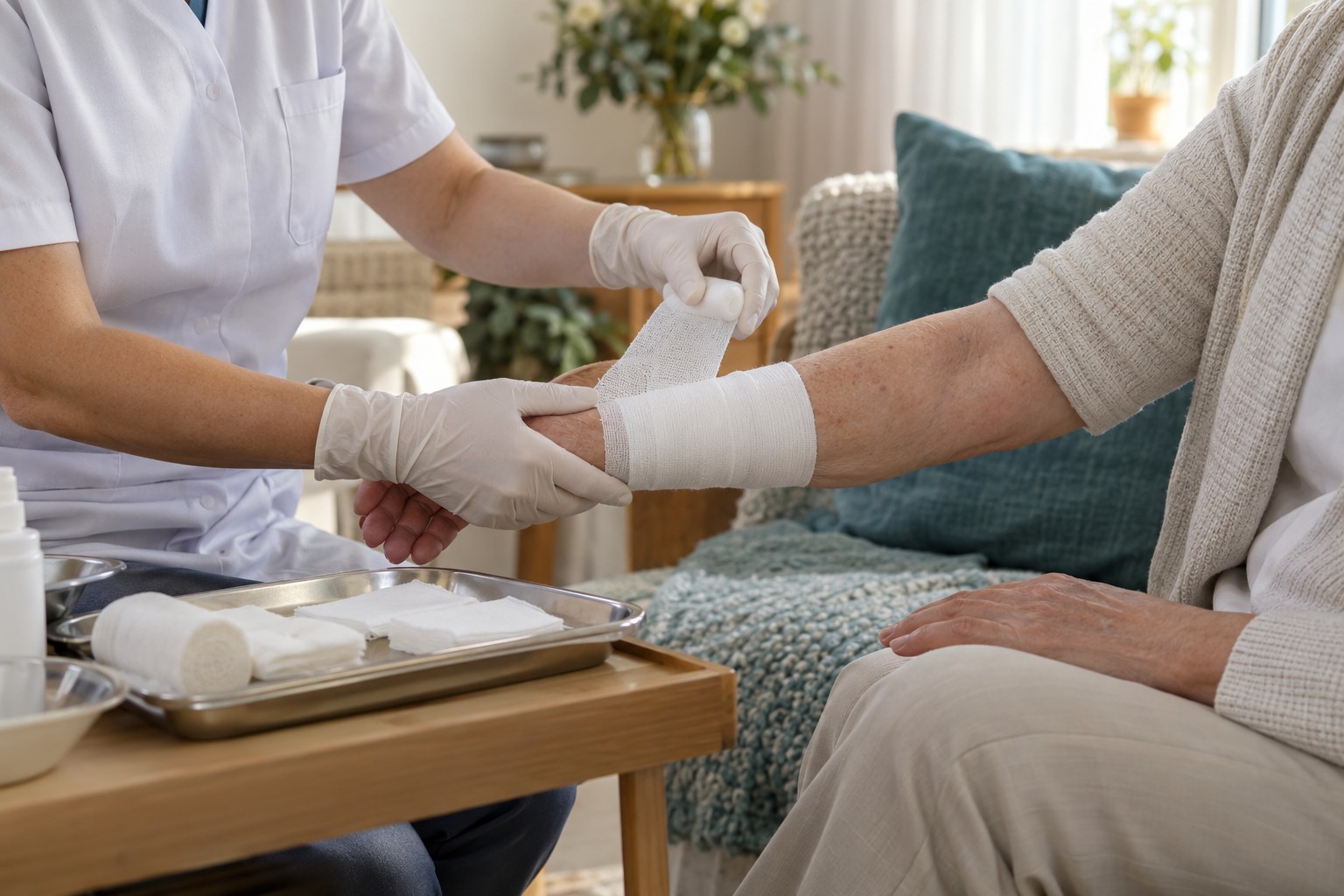
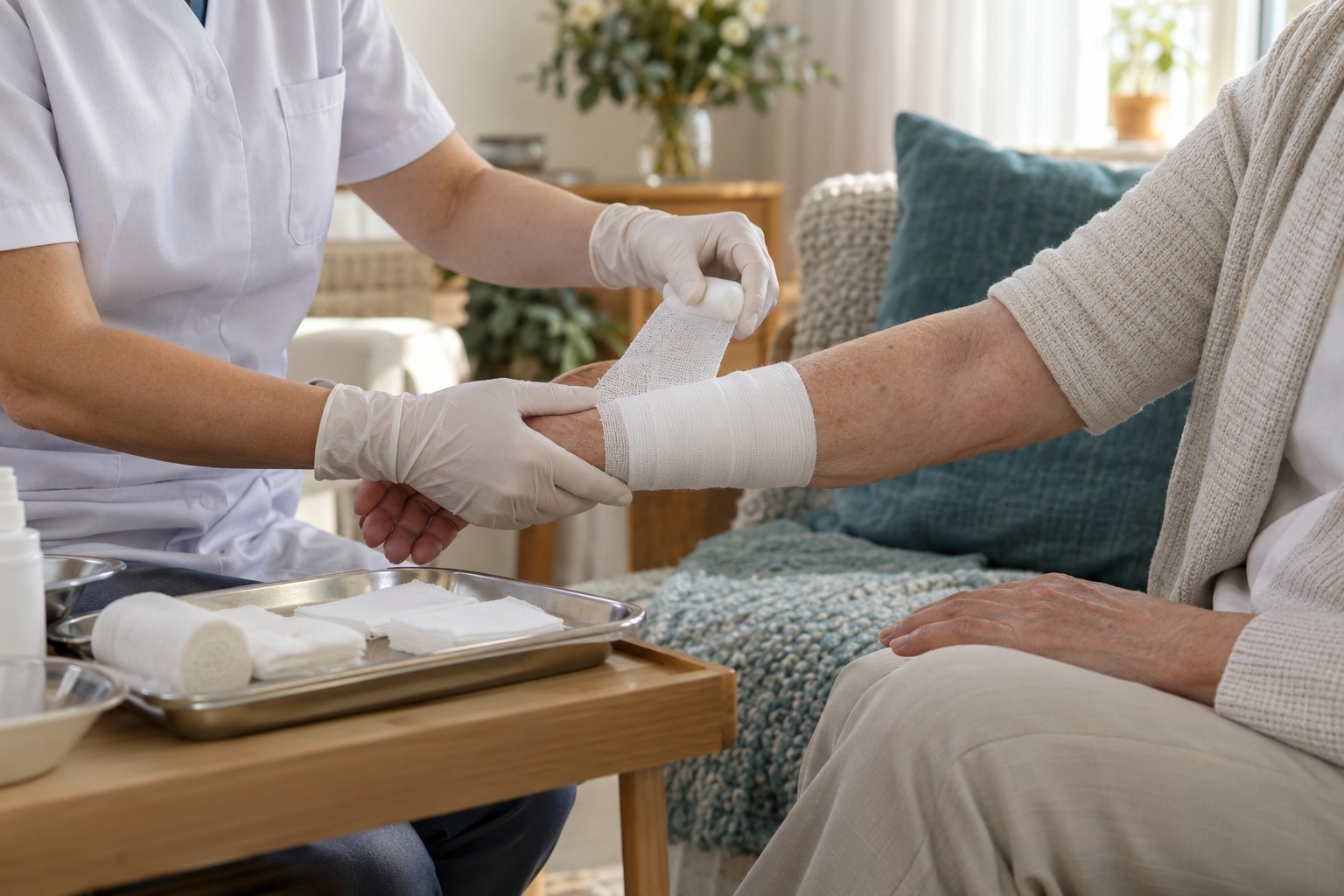
At Curavita Evde Sağlık, our home care service supports you with daily care and hygiene needs, and our home nursing service helps with positioning, skin checks and medical procedures. When there is a pressure ulcer or an open wound, our wound care and dressing service at home helps with regular monitoring of the wound in line with your doctor's plan.
This guide is for general information only; consult your doctor for diagnosis and treatment. In an emergency, call 112.