

The HIV p24 antigen test looks for a viral protein in the blood and helps detect the infection in the early period before antibodies have formed.
- Sample
- Blood
- Fasting
- Not required
- Turnaround time
- Usually 1–2 business days
- Test group
- Serology and Infection (ELISA)
Preparation: No fasting is required. Tell your doctor the date of the possible exposure and whether you use PrEP or post-exposure prophylaxis.
Insurance: We work with private health insurers. For this test, we obtain the pre-approval and collect your sample once approval is received; we do not charge a co-payment. Insurance and payment
Contents
What is the HIV p24 antigen?
HIV p24 antigen is a protein that forms the core of the HIV-1 virus, and it is present in the blood in large amounts during the first weeks, when the virus multiplies rapidly in the body. During this period the immune system may not yet have produced enough antibodies, so tests that look only for antibodies may come back negative. Detecting this antigen shortens this interval, known as the window period, and helps the infection to be recognized earlier.
As antibodies form, p24 binds to them, and its free level in the blood can fall over time until it is no longer measurable. For this reason the test is particularly meaningful in the early period after a possible exposure and is usually assessed together with antibody tests. The antigen is detected in serum using the ELISA technique, and the result is reported as negative or reactive. The test mainly detects the HIV-1 antigen; different tests are needed to investigate HIV-2.
When is the HIV p24 antigen test ordered?
A doctor may order the test particularly after a recent situation involving a risk of HIV transmission, in the early period when antibody tests may still be negative. In screening programs, p24 antigen is usually tested at the same time as antibodies, using fourth-generation combination tests. Getting tested for HIV is a responsible step toward protecting your own health and the people close to you.
- Early assessment in the first weeks after a possible exposure
- Fever, sore throat, rash and swollen lymph nodes appearing a few weeks after an exposure
- Further investigation when an antibody test is inconclusive or reactive
- Follow-up after occupational exposure in healthcare workers, such as a needlestick injury
- Monitoring of people receiving post-exposure prophylaxis
How should I prepare for the HIV p24 antigen test?
As there is no fasting requirement, you can give your sample at any time of day. The timing of the possible exposure is important for interpreting the result correctly; because a test done too early may come back negative, it is advisable to plan the right timing with your doctor. If you are taking medication to prevent HIV (PrEP) or post-exposure prophylaxis, be sure to mention it, as these medications can delay the appearance of the test markers.
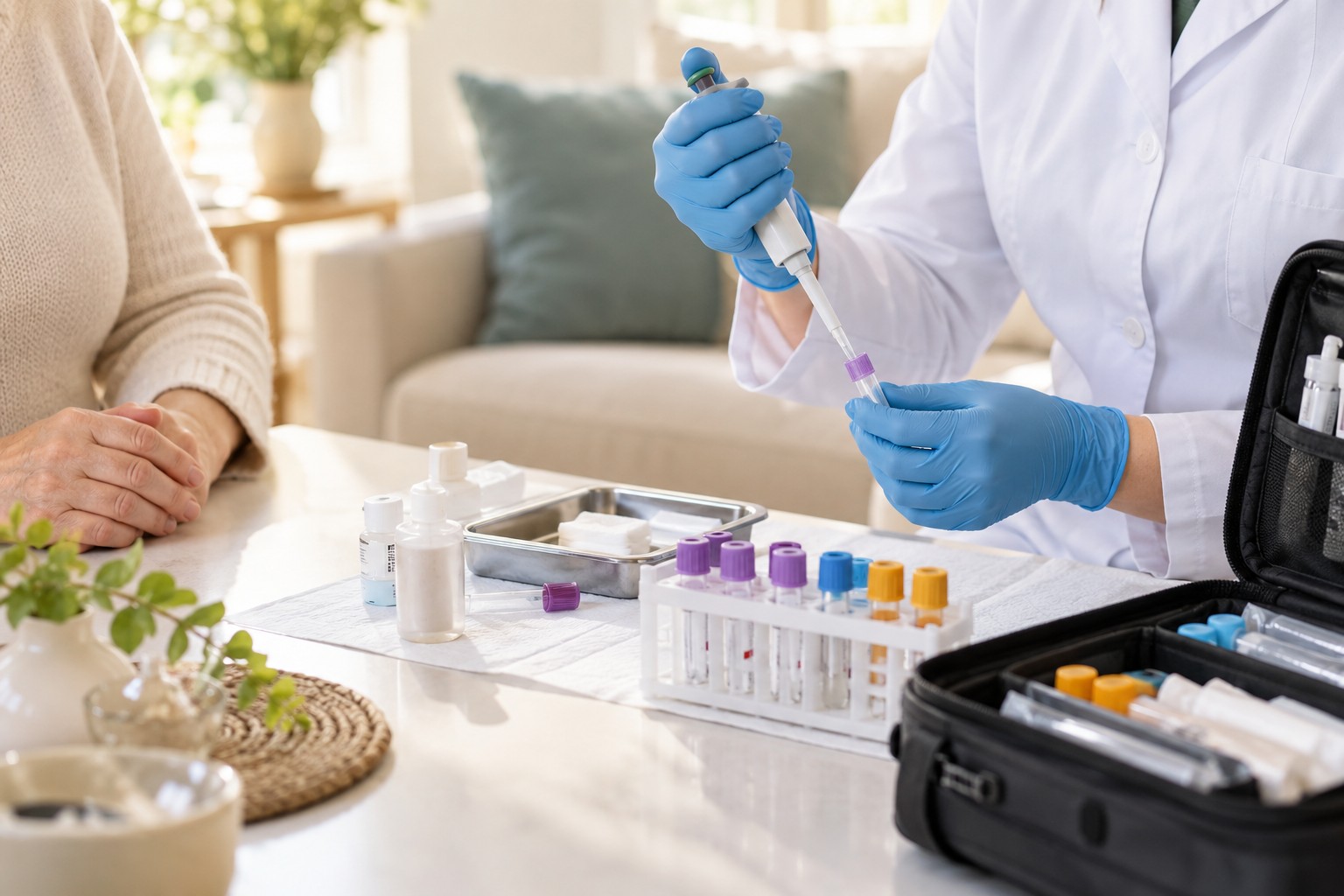
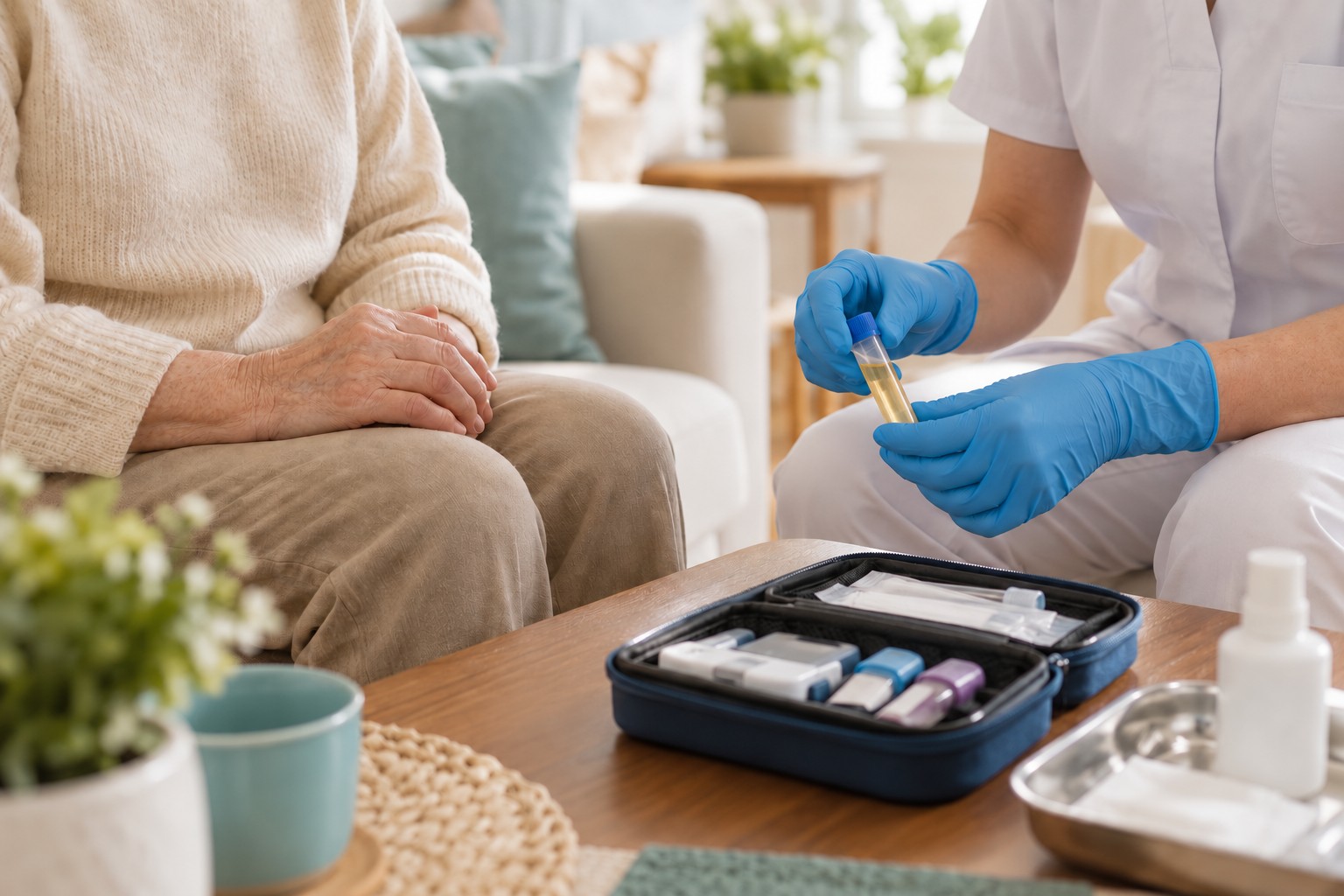
The blood sample is taken from a vein on the inside of the elbow with a sterile needle. If you prefer, your sample can be taken by a Curavita nurse at your own home or workplace, at a time you choose. If less than 72 hours have passed since the possible exposure, it is important to go to a healthcare facility without waiting for the test result; post-exposure prophylaxis is assessed within this time frame, as soon as possible.
What does the HIV p24 antigen result mean?
A negative result shows that there is no measurable p24 antigen in the sample; however, on its own it does not rule out HIV infection. The result may be negative if the test was done very soon after the exposure or if the antigen level has fallen because antibodies have formed. For this reason, depending on the timing of the exposure, your doctor may recommend repeating the test at set intervals or assessing it together with antibody and HIV RNA tests.
A reactive result does not mean a diagnosis; as with other screening tests, false positives are possible, so it must be confirmed with confirmatory tests. If an infection is confirmed, today's effective treatments allow people living with HIV to lead long and healthy lives, and people whose viral load is kept permanently undetectable with treatment do not transmit the virus sexually. Your result is special-category health data, and as a rule it is shared only with you and the doctor who follows your care. The HIV p24 result is given qualitatively; although numerical ranges that vary by institution, age and sex do not apply to this test, the laboratory's reference value is shown on this page. The meaning of the result should be assessed by your doctor together with the timing of the exposure, symptoms and other tests.
Expected result
- Negative
This is the value used by our laboratory; it may vary depending on age, sex, the method used and the laboratory. Review your result together with your doctor.
How is HIV p24 Antigen done at home?
-
01
Book your appointment
Fill in the online form or call us, and let's plan a day and time that suit you together.
-
02
Your blood is drawn at home
Our nurse comes to your address and collects your blood sample using sterile, single-use supplies.
-
03
You receive your result
Your sample is transported to the laboratory under appropriate conditions; your result is sent to you when it is ready.
Frequently asked questions
The information on this page is for general information only; it does not replace diagnosis or treatment. Consult your doctor for decisions about your health.