

The LH test measures the pituitary hormone that governs ovulation and testosterone production; it is ordered to evaluate infertility, PCOS and irregular periods.
- Sample
- Blood
- Fasting
- Not required
- Turnaround time
- Usually 1–2 business days
- Test group
- Hormones
Preparation: Fasting is not required. In women, the sample is usually given on day 2–3 of the period, together with FSH; in men, the morning is preferred. Mention biotin.
Insurance: We work with private health insurers. For this test, we obtain the pre-approval and collect your sample once approval is received; we do not charge a co-payment. Insurance and payment
Contents
What is LH?
Luteinizing hormone (LH) is one of the two main hormones, together with FSH, that are secreted by the pituitary gland and govern the reproductive system. In women, it surges suddenly and strongly in the middle of the cycle, triggering the rupture of the mature follicle, in other words ovulation. After ovulation, it also supports progesterone production by the corpus luteum, which forms from the follicle. This makes it an indispensable hormone for healthy fertility and a regular menstrual cycle in women.
In men, LH stimulates the Leydig cells in the testes to produce testosterone. Because the hormone is released into the blood in short pulses throughout the day, values can vary somewhat in a single measurement. The test is performed on serum using immunoassays and the result is reported in mIU/mL; in women, it must always be evaluated according to the day of the cycle.
When is an LH test ordered?
LH is usually ordered together with FSH, estradiol, prolactin and testosterone to evaluate the balance of the reproductive hormones. Measuring these hormones together helps distinguish whether a problem originates in the ovaries or testes, or in the pituitary and hypothalamus. It can also be used during fertility treatment to determine the timing of ovulation. LH secretion increases markedly at the onset of puberty, so it also provides guidance in children with problems related to the timing of puberty.
- Irregular or infrequent periods, absence of periods
- Suspected polycystic ovary syndrome (PCOS)
- Difficulty getting pregnant and evaluation of ovulation
- Low testosterone, low sex drive or infertility in men
- Signs of menopause or premature ovarian insufficiency
- Early or delayed puberty in children
How do I prepare for an LH test?
You do not need to fast for LH. In women who have periods, blood for a baseline assessment is usually drawn on day 2 or 3 of the period, from the same sample as FSH. If the measurement is meant to determine the timing of ovulation, your doctor may ask you to give blood on one or more days in the middle of the cycle. Men do not need to wait for a particular day, but because testosterone, which is measured alongside, is higher in the morning, giving blood in the morning hours is preferred.
Birth control pills, hormone treatments, testosterone and anabolic steroids can suppress LH levels; if you use any of these, be sure to mention it. High-dose supplements containing biotin can skew the result, so this is something to discuss with your doctor before the test. The sample is taken from a vein in the arm; to give blood on the required day of your cycle, you can call a Curavita nurse to your home or workplace.
What does an LH result mean?
High LH can be seen in menopause, in premature ovarian insufficiency and, in men, when the testes cannot produce enough testosterone; in these situations, the body secretes more LH to stimulate the underactive organ. In polycystic ovary syndrome, the LH level or the LH-to-FSH ratio may be raised, but this alone does not establish a diagnosis. A marked rise in the middle of the cycle is the natural LH surge that precedes ovulation.
Low LH may be due to problems originating in the hypothalamus or pituitary gland, high prolactin, excessive weight loss, intense exercise or the use of hormonal medications. In men, finding low or normal LH together with low testosterone suggests that the problem may originate in the pituitary. Reference values vary by sex, age, cycle phase and laboratory; this page shows the laboratory's own range for the test. The meaning of your LH result is determined by your doctor, who evaluates your other hormone values and your symptoms together.
Reference range
Unit: mIU/mL- Male: 1.7 - 8.6
- Female: depending on the cycle phase
This is the value used by our laboratory; it may vary depending on age, sex, the method used and the laboratory. Review your result together with your doctor.
How is LH (Luteinizing Hormone) done at home?
-
01
Book your appointment
Fill in the online form or call us, and let's plan a day and time that suit you together.
-
02
Your blood is drawn at home
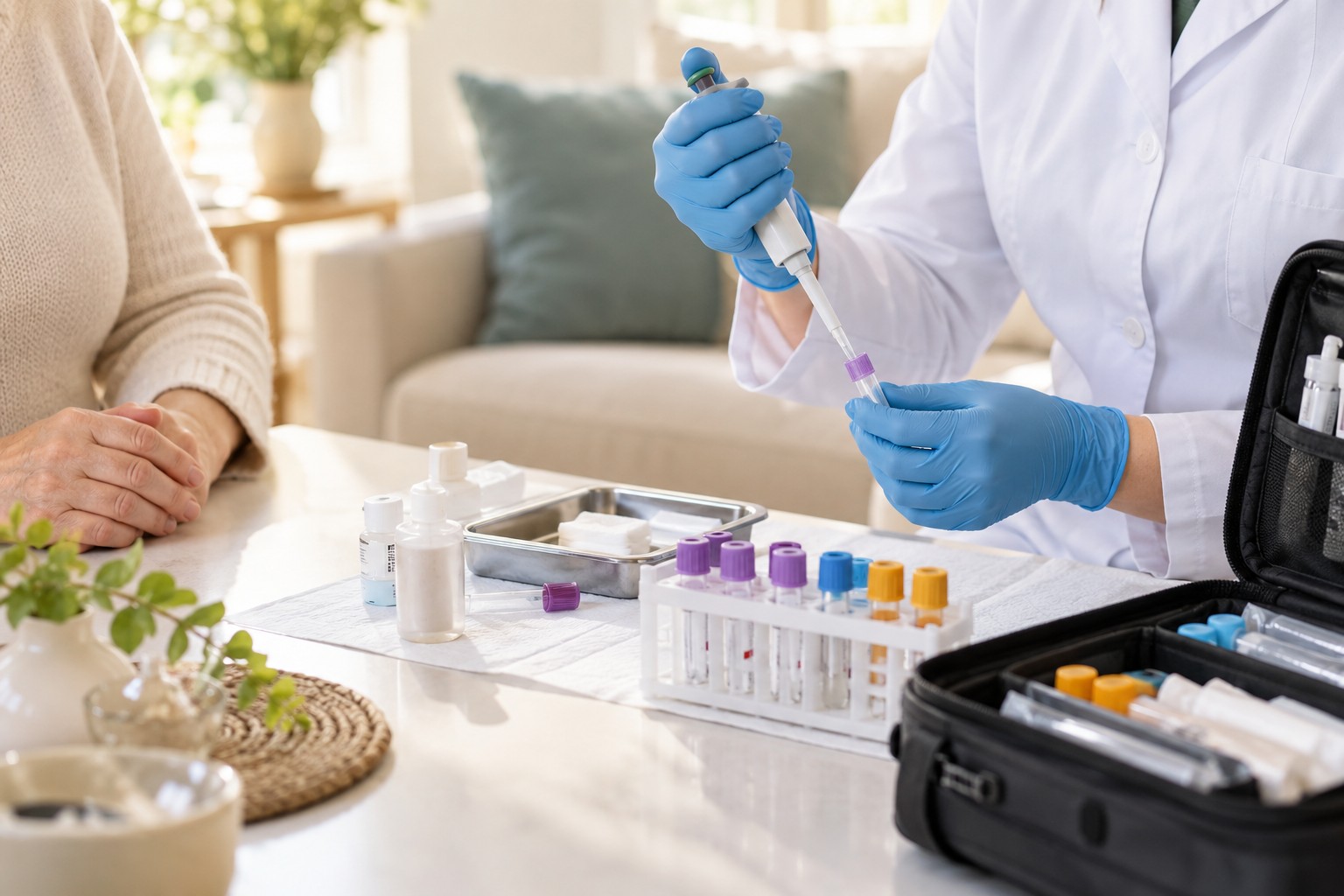
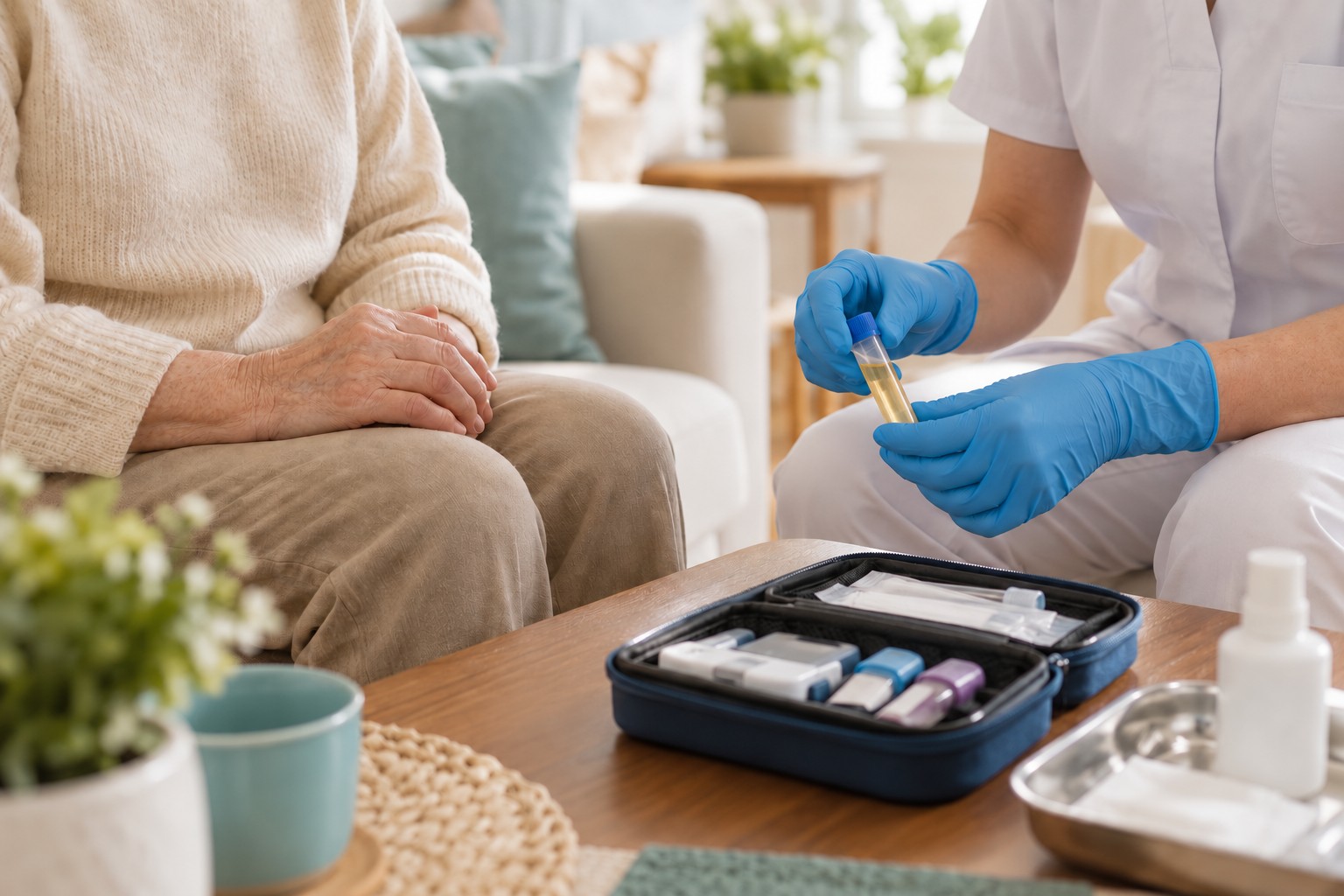
Our nurse comes to your address and collects your blood sample using sterile, single-use supplies.
-
03
You receive your result
Your sample is transported to the laboratory under appropriate conditions; your result is sent to you when it is ready.
Frequently asked questions
The information on this page is for general information only; it does not replace diagnosis or treatment. Consult your doctor for decisions about your health.