

The VLDL cholesterol test shows the cholesterol content of the triglyceride-carrying lipoprotein; together with the lipid profile, it is used to assess cardiovascular risk.
- Sample
- Blood
- Fasting
- Required
- Turnaround time
- As soon as possible
- Test group
- Biochemistry
Preparation: Because it is calculated from triglycerides, 9–12 hours of fasting is required; you may drink only water. Do not drink alcohol the day before the test.
Insurance: We work with private health insurers. For this test, we obtain the pre-approval and collect your sample once approval is received; we do not charge a co-payment. Insurance and payment
Contents
What is VLDL cholesterol?
Very-low-density lipoprotein, or VLDL for short, is a fat-carrying particle that is produced in the liver and released into the blood. In the fasting state, most of the triglycerides in the blood are carried inside these particles. Its main job is to carry the triglycerides made in the liver to other parts of the body, such as muscle and fat tissue; it also contains some cholesterol. As VLDL releases its triglycerides to the tissues, it becomes smaller and eventually turns into LDL.
Because VLDL cholesterol can contribute to plaque formation in the artery walls, it is counted, like LDL, among the atherogenic lipoproteins, that is, those that promote hardening of the arteries. Most laboratories do not measure VLDL cholesterol directly; they estimate it with a formula based on the fasting triglyceride value. This calculation loses its reliability in samples with markedly high triglycerides, and in such cases laboratories usually do not report the calculated value.
When is a VLDL cholesterol test ordered?
VLDL cholesterol is usually reported not as a separate test but as part of the lipid profile, which includes total cholesterol, HDL, LDL and triglycerides. It helps with a more detailed assessment of cardiovascular risk, especially in people with high triglyceride levels. It is not interpreted on its own; its main value is that, together with triglycerides and the other types of cholesterol, it completes the overall lipid picture. If lipid-lowering treatment has been started, VLDL is also monitored in follow-up tests along with the other lipid values.
- Detailed calculation of the risk of heart attack or stroke
- Monitoring people found to have high triglycerides
- Excess weight accompanied by diabetes or insulin resistance
- A hereditary blood lipid disorder in close relatives
- Monitoring the results of weight loss, exercise and dietary changes
How do I prepare for a VLDL cholesterol test?
Because VLDL cholesterol is calculated from the triglyceride value, 9–12 hours of fasting is required to obtain an accurate result. Since the fats that enter the blood after a meal raise triglycerides, the VLDL calculated from a sample taken after eating will also be higher than it really is. During this time, take care not to consume anything other than water.
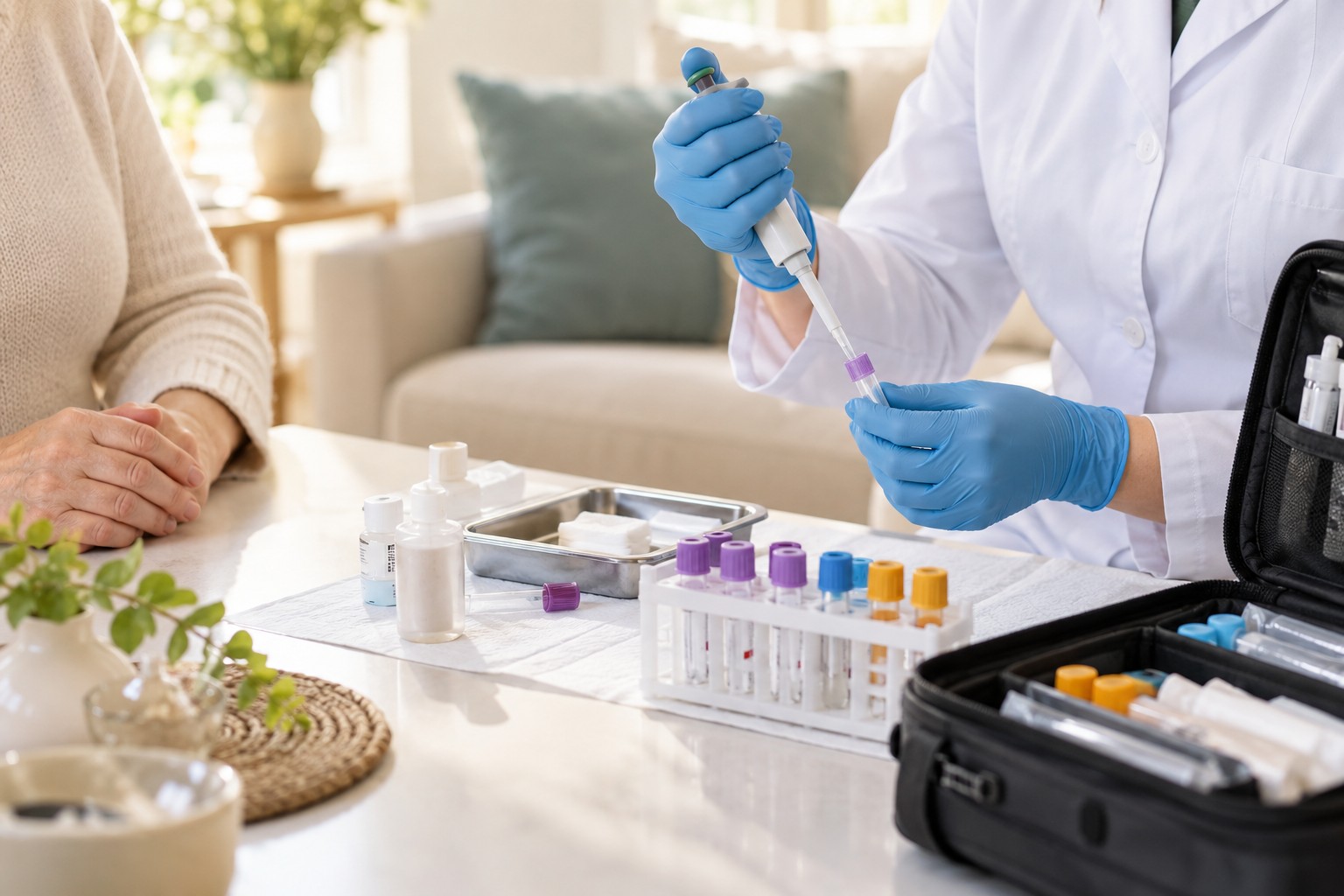
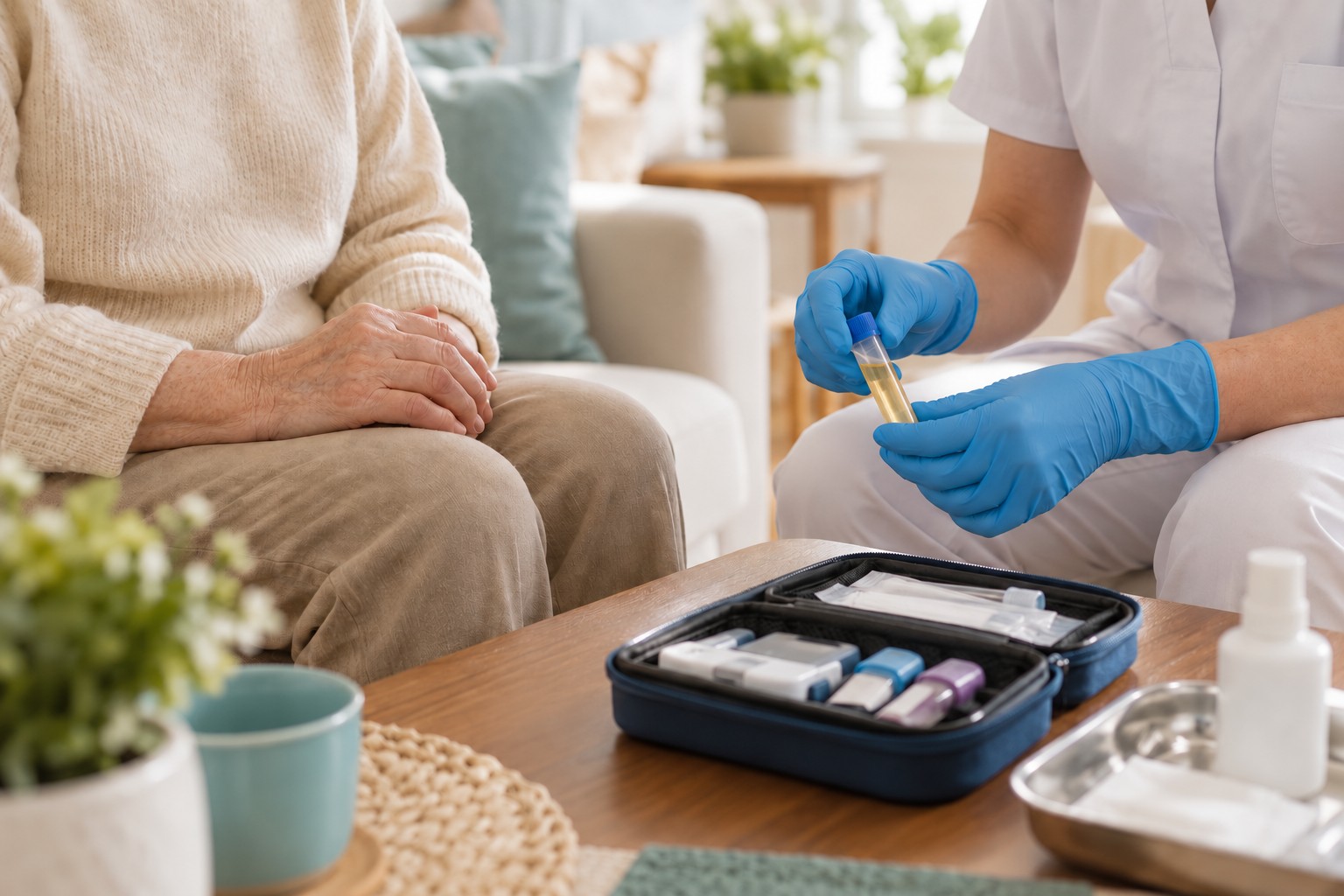
Because alcohol can raise triglycerides and therefore the VLDL value, it is recommended that you do not drink alcohol the day before the test. Keeping to your usual diet in the weeks before the test and continuing to take your lipid medications as your doctor has advised help produce a result that reflects your true condition. You do not need to leave your home or workplace for the blood sample you will give on an empty stomach in the morning; a nurse takes the sample.
What does a VLDL cholesterol result mean?
High VLDL cholesterol usually goes hand in hand with high triglycerides and arises for similar reasons: excess weight, physical inactivity, a diet rich in sugar and refined carbohydrates, alcohol, uncontrolled diabetes, an underactive thyroid gland, kidney disease and hereditary lipid disorders. High VLDL is associated with an increased risk of hardening of the arteries and cardiovascular disease. A low VLDL result, on the other hand, is usually not a cause for concern.
No separate treatment target is set for VLDL; your doctor interprets this value together with other lipid measurements such as LDL, HDL, triglycerides and non-HDL cholesterol. If your triglycerides are very high, direct measurements or additional tests may be ordered for a more accurate assessment. In certain hereditary lipid disorders, VLDL and triglycerides can both rise markedly. The upper limit shown for VLDL is set according to the laboratory's method and may also differ by age and sex; the range shown on this page comes from your own laboratory. Your doctor will consider your VLDL value together with your symptoms, your other tests and your cardiovascular risk factors and decide on the right course for you.
Reference range
Unit: mg/dL- < 30
This is the value used by our laboratory; it may vary depending on age, sex, the method used and the laboratory. Review your result together with your doctor.
How is VLDL Cholesterol done at home?
-
01
Book your appointment
Fill in the online form or call us, and let's plan a day and time that suit you together.
-
02
Your blood is drawn at home
Our nurse comes to your address and collects your blood sample using sterile, single-use supplies.
-
03
You receive your result
Your sample is transported to the laboratory under appropriate conditions; your result is sent to you when it is ready.
Frequently asked questions
The information on this page is for general information only; it does not replace diagnosis or treatment. Consult your doctor for decisions about your health.