

Contents
Falls are among the main causes of injury and reduced mobility in older adults. A person who has fallen once may develop a fear of falling again, and this fear can increase the risk even further by making them less active. Simple changes at home and regular follow-up can help your loved one live more safely while keeping their independence.
Home layout and lighting
A large share of falls happen at home, during everyday activities. A good place to start is to walk through the home from your loved one's point of view and identify the spots where they might trip, slip or struggle to reach things.
Walkways and household items
- Remove rugs and mats that slip, or add a non-slip backing underneath them.
- Keep extension cords, objects and anything else people could trip over out of walkways.
- Put frequently used items on shelves between waist and eye level, so your loved one does not need to climb onto a stool or chair.
- Make sure that any furniture that could be used for support is sturdy and stable.
- Have handrails installed on both sides of the stairs, make the edges of the steps clearly visible and do not leave things on the steps.
- Choose shoes or slippers with a closed back and non-slip soles. Avoid walking in socks only or in long clothing that touches the floor.
Lighting
- Make sure rooms and hallways are evenly lit, with no dark corners.
- Use night lights or motion-sensor lights along the way from the bedroom to the bathroom.
- Have a lamp that can be switched on before getting out of bed.
- Make sure there is a light switch at both the top and the bottom of the stairs.
Making sure your loved one has regular eye checks and up-to-date glasses is also part of walking safely. People who wear multifocal glasses may need to take extra care when going down stairs.
Bathroom safety
Because of wet and slippery floors, the bathroom is one of the places in the home where falls happen most often. A few changes can make this area much safer.
- Have grab bars installed next to the toilet and the shower. Towel rails and sinks are not designed to bear body weight.
- Place non-slip mats inside the shower and where you step out of it.
- If your loved one finds it hard to stand, use a shower chair so they can wash sitting down.
- If sitting down and getting up is difficult, a raised toilet seat can make things easier.
- Check the water temperature; sensitivity to heat may decrease with age, which increases the risk of burns.
- Make sure the bathroom door is not locked from the inside, or that it can be opened from the outside if needed.
Managing medications
Some medicines can increase the risk of falling by causing dizziness, drowsiness or a drop in blood pressure on standing up. Examples include sleeping pills, sedatives, some blood pressure medicines and diuretics.
- Keep an up-to-date list of all medicines, including over-the-counter products, vitamins and herbal products, and review this list regularly with your doctor.
- Never stop a medicine or change its dose on your own.
- Pill organizers divided by day and time, together with reminder alarms, help prevent doses from being forgotten or taken twice.
- Remind your loved one to get up slowly from bed or a chair. Sitting up first and waiting a few seconds can reduce sudden dizziness.
Nutrition, fluids and activity
The sense of thirst can decrease with age. Not drinking enough can lead to dizziness, weakness and confusion, which increases the risk of falling. Offer water at regular intervals throughout the day; for people with heart or kidney disease, the amount of fluid is determined by the doctor.
A balanced diet with enough protein helps maintain muscle strength. If you notice unexplained weight loss or a loss of appetite, talk to your doctor. Supplements for bone health should only be used on a doctor's recommendation.
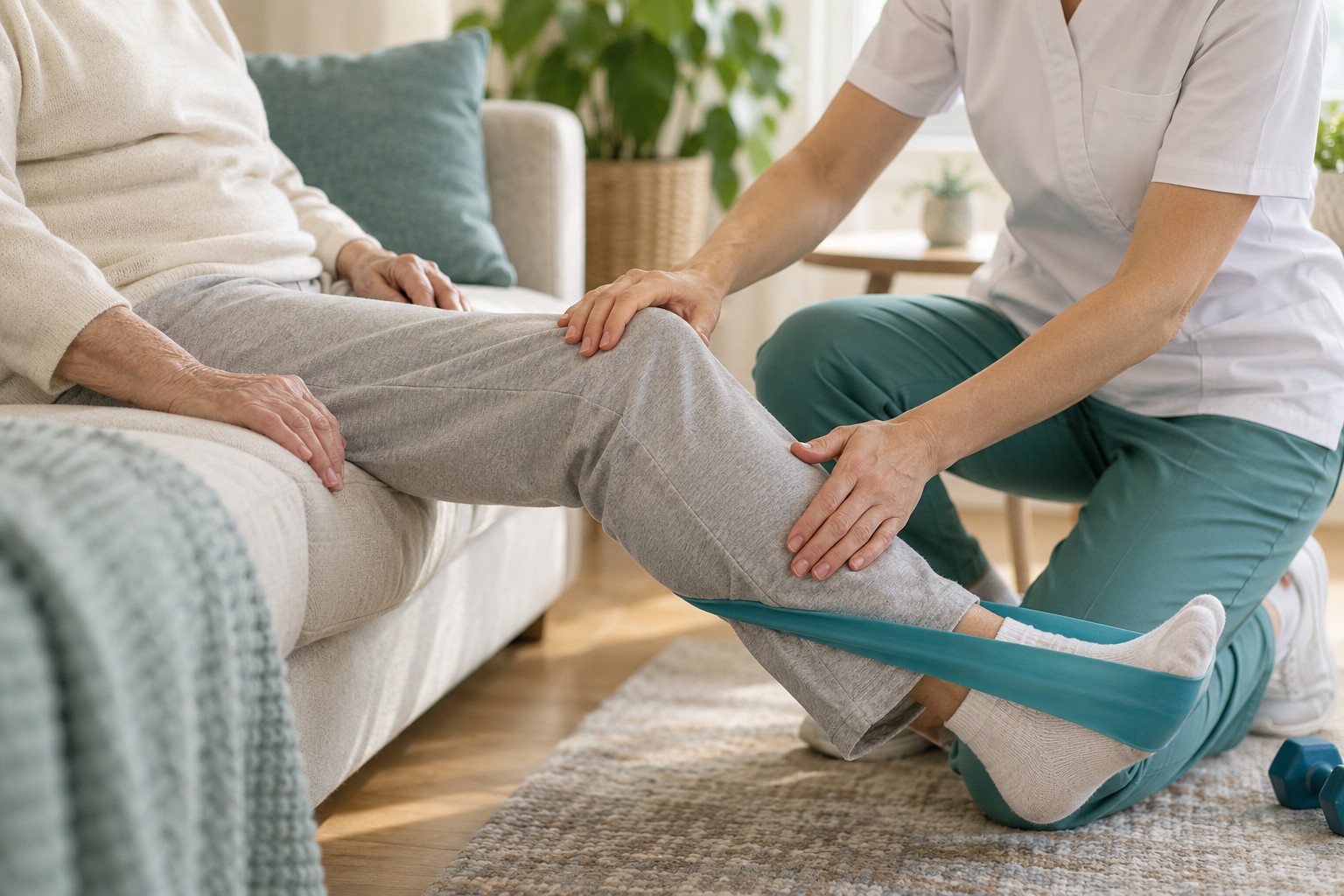
Avoiding activity out of fear of falling can weaken the muscles and increase the risk. Balance and strength exercises recommended by your doctor or physiotherapist, when done safely, can help your loved one walk more steadily. If a cane or walker is used, it is important that it is adjusted to the right height.
When is professional support needed?
In some situations, the risk of falling may need to be assessed by a professional, beyond the precautions taken at home. If any of the following applies, we recommend that you talk to your doctor:
- A recent fall or a near-fall
- Difficulty walking, sitting down and getting up or climbing stairs, or holding on to furniture while walking
- Frequent dizziness or loss of balance
- Mixing up medicines because of forgetfulness
- Needing help with daily activities such as bathing, using the toilet and getting dressed
- A recent discharge from hospital, or being alone for many hours
If your loved one spends time alone at home, set up a way for them to call for help if they fall. A phone or an emergency call device that they can keep on them at all times is useful for this.
When should you contact a doctor or call 112?
If your loved one falls, do not try to get them up right away. First check whether they are conscious, whether they are in pain and whether they can move their arms and legs. Contact a doctor without delay in the following situations:
- Your loved one takes blood thinners and has hit their head, even if they have no obvious complaints
- Pain, swelling or bruising after the fall that does not go away or gets worse
- They felt dizzy, faint or had palpitations just before the fall
- Repeated falls, new dizziness or a marked loss of balance
- Reluctance to walk or difficulty with daily activities after the fall
Loss of consciousness, shortness of breath, chest pain, or vomiting, increasing drowsiness or confusion after a blow to the head are emergencies. So are severe hip pain, being unable to put weight on the leg, a leg that looks shortened or turned outward, and signs of stroke such as facial drooping or difficulty speaking; in these cases, call 112 immediately. Home care does not replace emergency medical services.
Support at home with Curavita
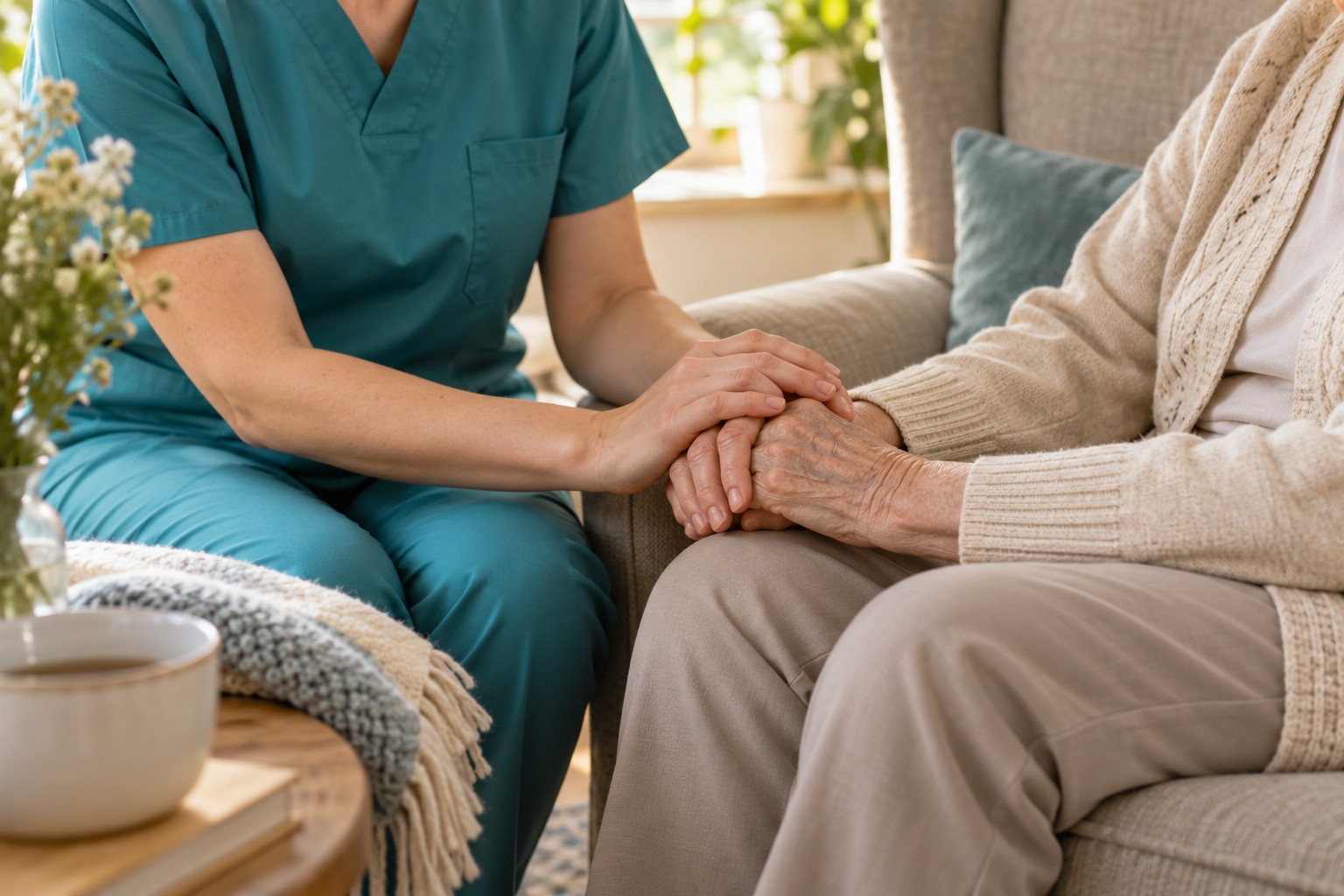
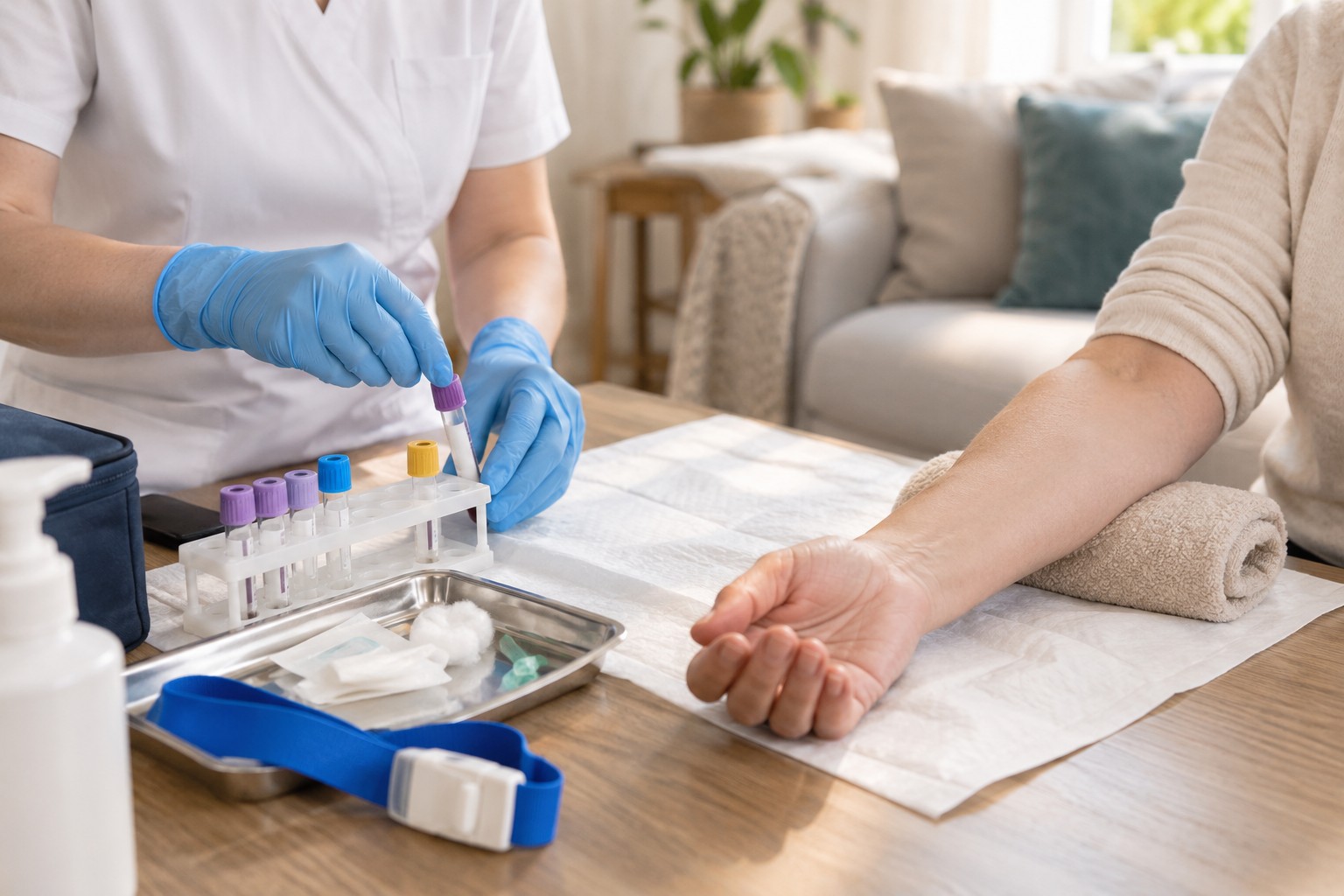
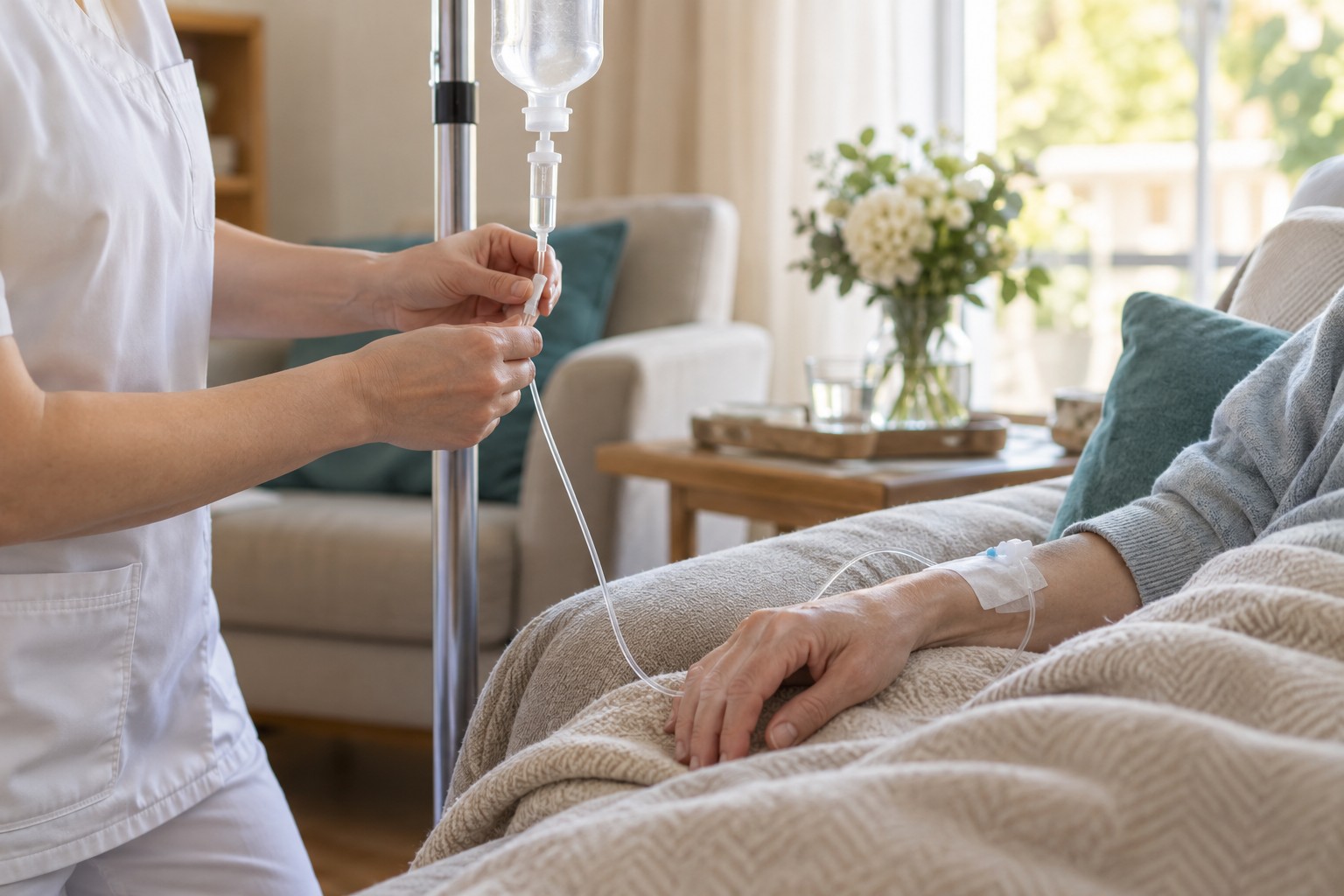
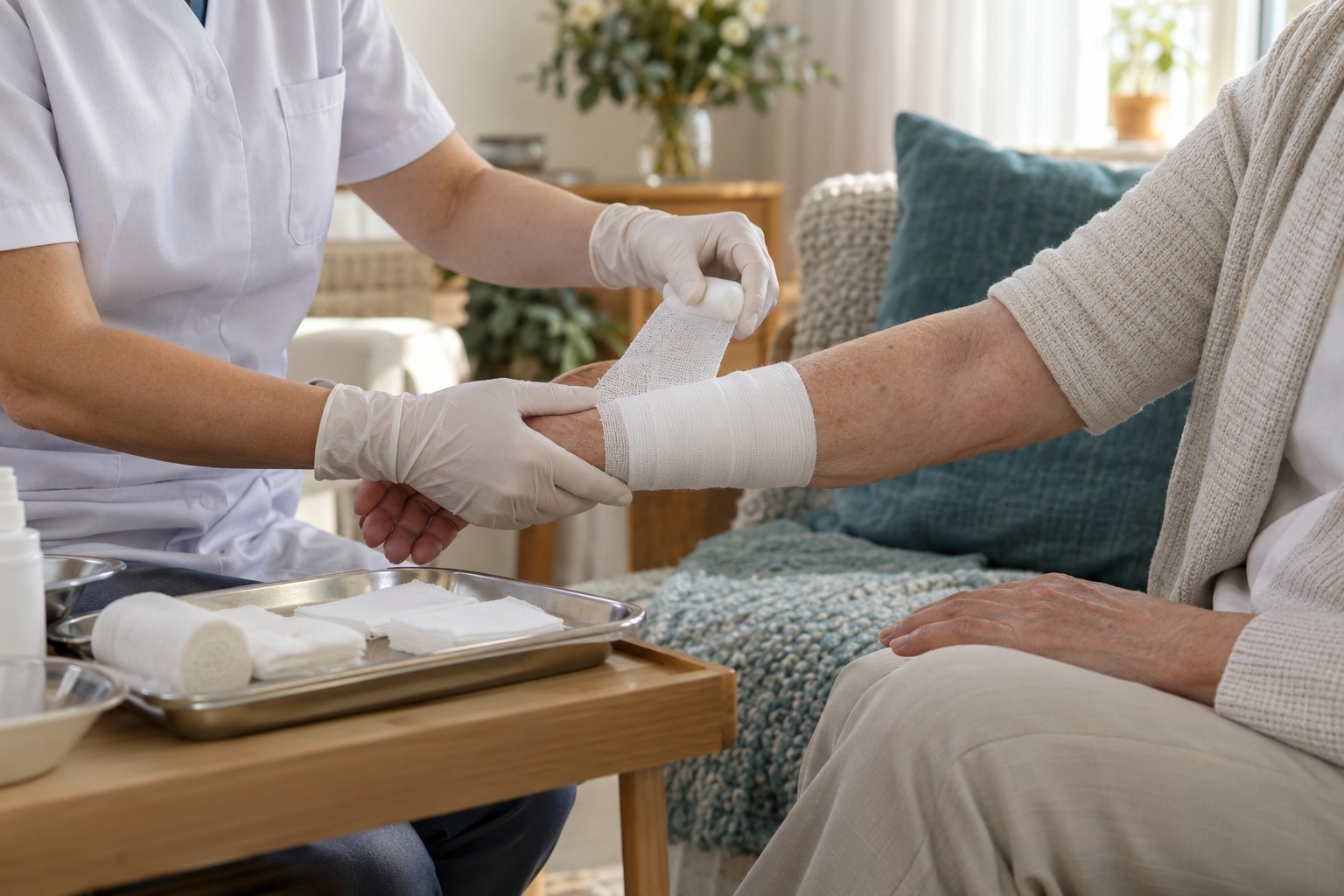
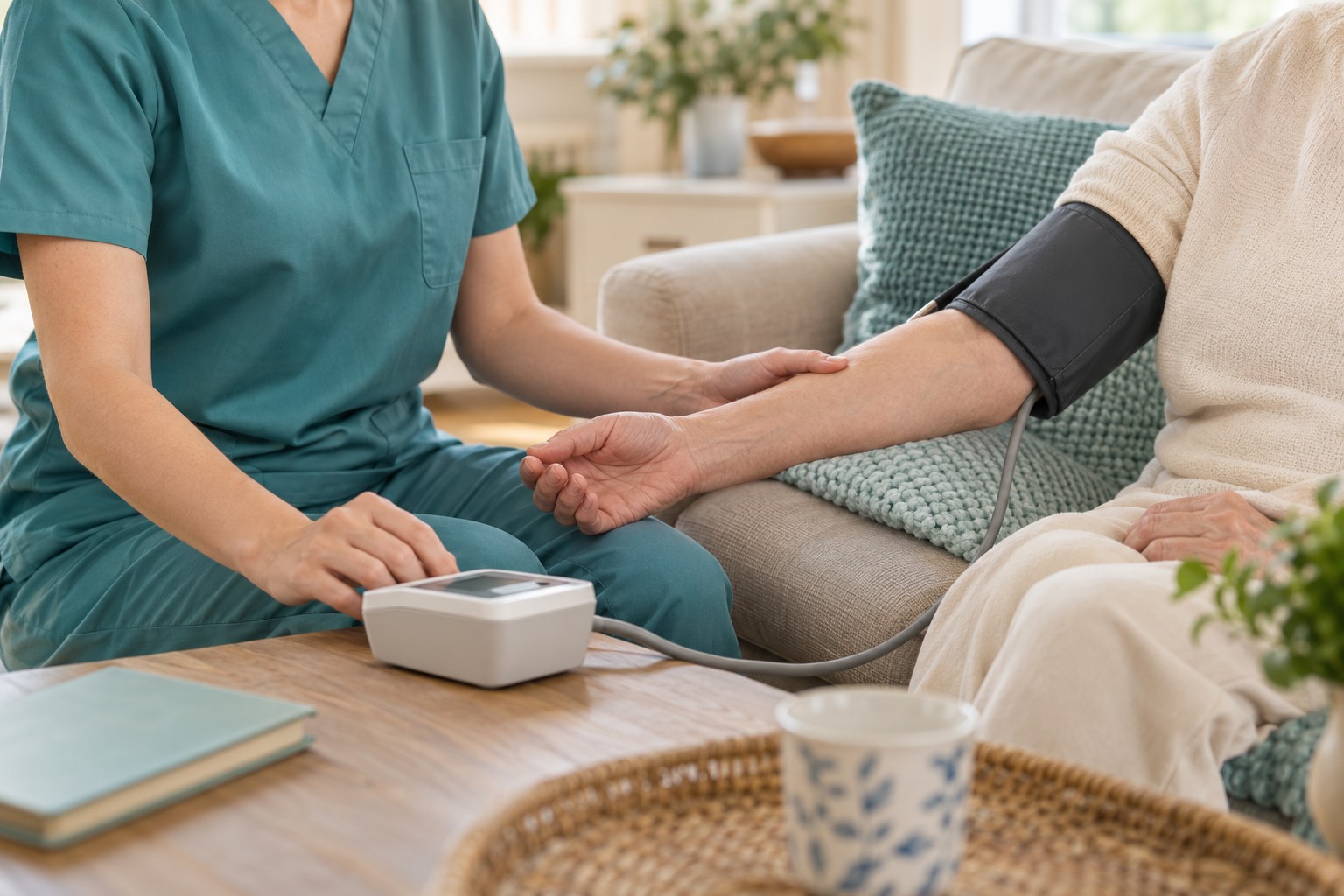
At Curavita Evde Sağlık, our home care service supports your loved one with activities of daily living and personal care, and through our physiotherapy at home service we provide exercise programs that support balance and muscle strength, in line with your doctor's recommendation. You can also schedule a doctor home visit to assess factors that may increase the risk of falling and to review the medicines being taken.
This guide is for general information only; consult your doctor for diagnosis and treatment. In an emergency, call 112.