

The AFP test measures the level of alpha-fetoprotein in the blood; it is a marker that helps the doctor, particularly with liver diseases and in monitoring the treatment of certain tumors.
- Sample
- Blood
- Fasting
- Not required
- Turnaround time
- Usually 1–2 business days
- Test group
- Tumor Markers
Preparation: No fasting is needed. Before the sample is taken, mention if you are pregnant, have known liver disease or take biotin (B7) supplements.
Insurance: We work with private health insurers. For this test, we obtain the pre-approval and collect your sample once approval is received; we do not charge a co-payment. Insurance and payment
Contents
What is AFP (alpha-fetoprotein)?
Alpha-fetoprotein (AFP) is a protein produced in large amounts by the liver and yolk sac of the unborn baby. After birth, its level falls rapidly and reaches adult levels within the first year of life. Only very small amounts are found in the blood of healthy adults.
Some liver cells or certain tumor cells may start producing AFP again; for this reason, AFP is used as a tumor marker. However, tumor markers are not screening or diagnostic tests on their own and can also rise in benign conditions. AFP is measured in blood serum using immunological methods.
When is the AFP test ordered?
AFP is used mainly in monitoring liver cell cancer (hepatocellular carcinoma) and some germ cell tumors originating in the testis or ovary. In people at increased risk, such as those with cirrhosis or chronic hepatitis B, doctors may order AFP measurements at regular intervals together with imaging methods such as ultrasound. It is not recommended for general screening in people who have no symptoms and no risk factors.
During pregnancy, AFP is also measured as part of screening tests related to the baby's development. This assessment is done with a separate calculation based on the week of pregnancy and is not interpreted as a tumor marker.
- Regular monitoring of people with cirrhosis or chronic viral hepatitis
- Assessment of a liver mass detected on imaging
- Additional information when a germ cell tumor of the testis or ovary is suspected
- Monitoring the response to tumor treatment
- Follow-up for possible recurrence of the disease after treatment
How should you prepare for the AFP test?
Because the AFP level is not affected by meals, you do not need to fast for the test. Pregnancy naturally raises the AFP level, so be sure to mention whether you are pregnant. Supplements containing high-dose biotin (vitamin B7) can affect some measurement methods, so if you take them, mention this before the sample is taken; ask your doctor whether you need to pause them.
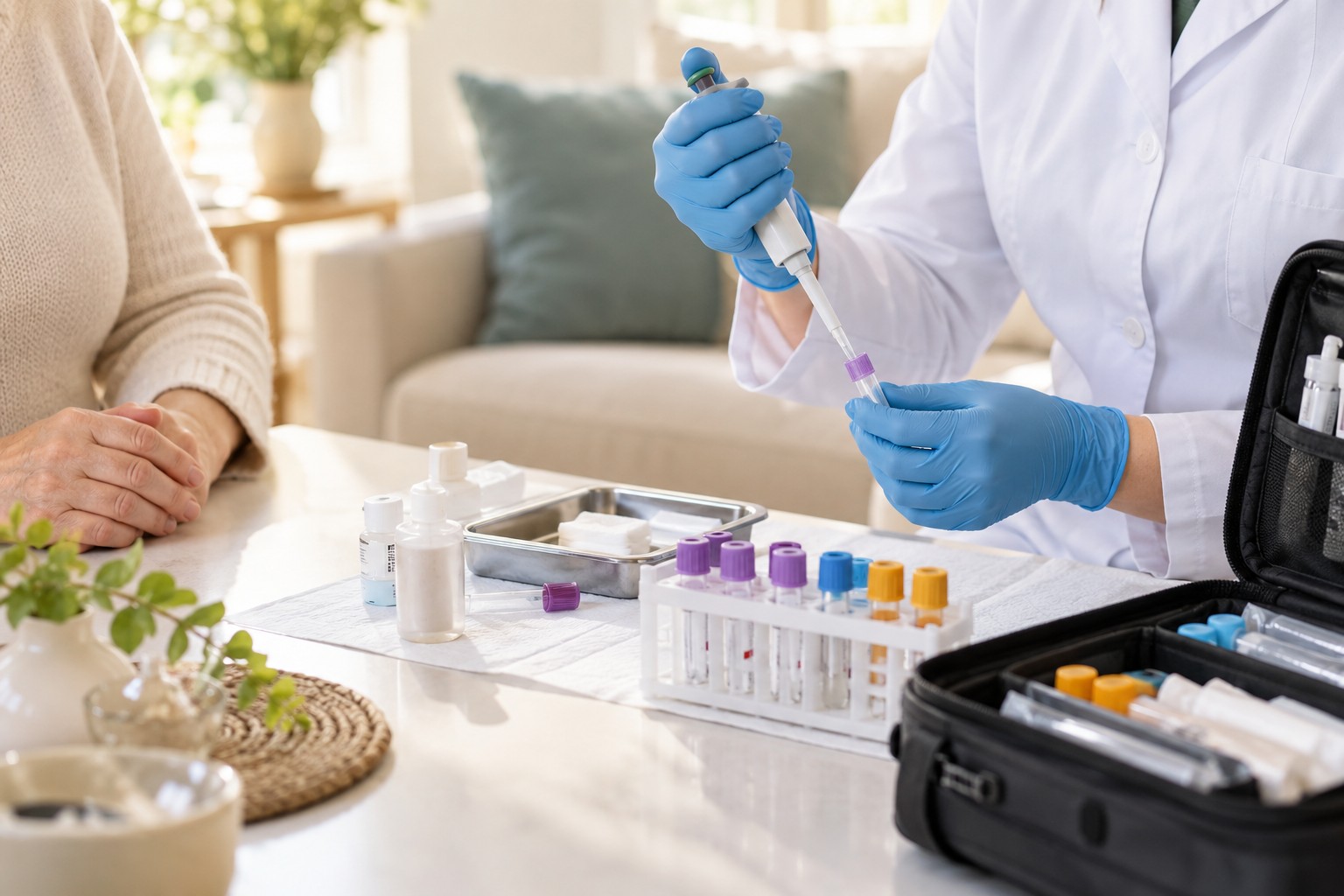
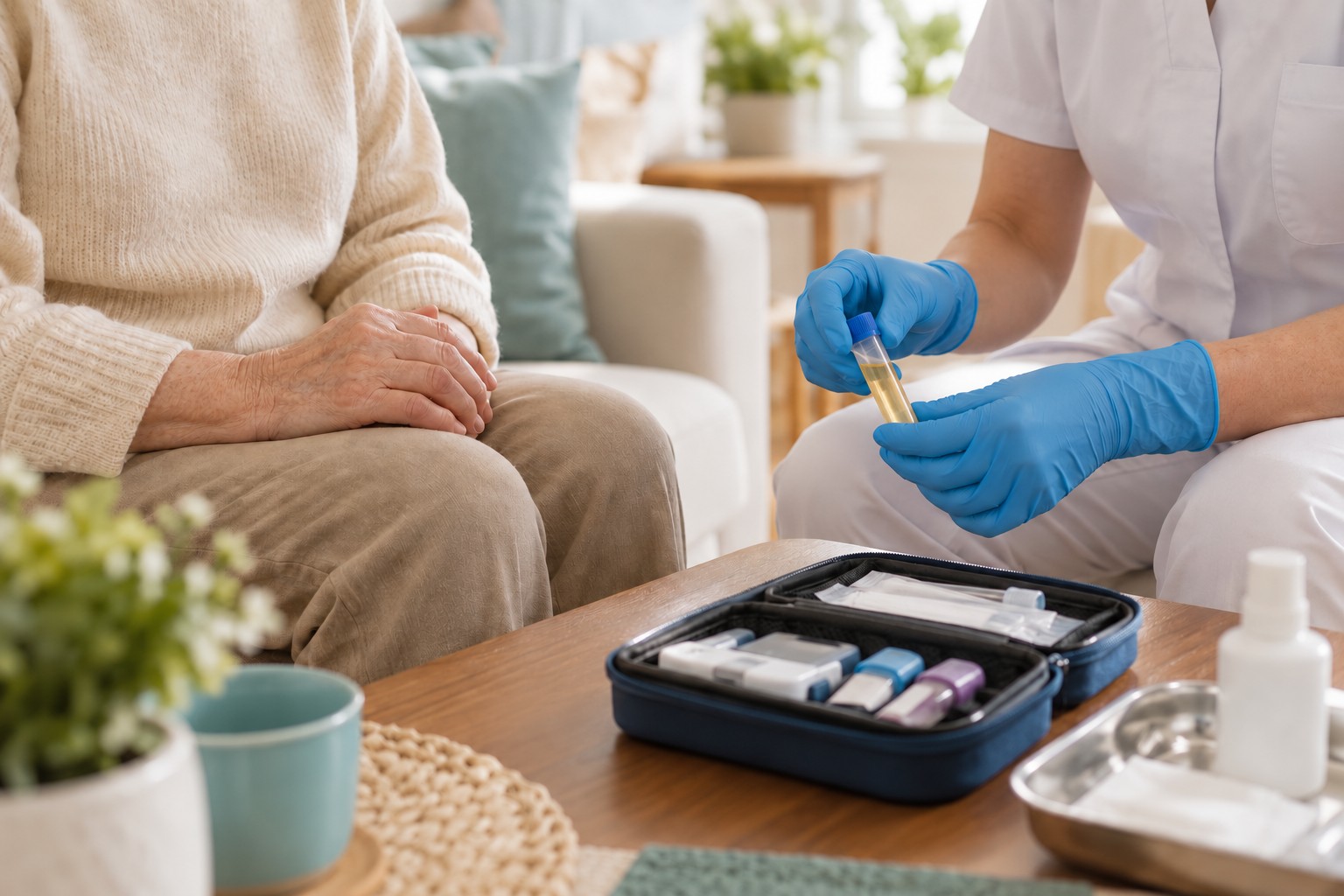
Blood is drawn from a vein in the arm into a gel-containing serum tube. For measurements done for monitoring, the same laboratory and the same method should be used where possible so that the results can be compared. For people who need regular measurements because of liver disease, the sample can be taken by a nurse at home or at work.
What does the AFP result mean?
A high AFP does not by itself indicate a tumor. Mild or moderate increases can also be seen in benign conditions such as acute or chronic hepatitis, cirrhosis and periods when the liver is repairing itself. Marked and steadily rising values, on the other hand, may require further evaluation by the doctor with imaging and other tests. Rarely, there are also families in whom AFP is hereditarily high without any signs of disease.
In patients being monitored, the trend of the values over time matters more than a single measurement; an AFP that falls after treatment is generally considered a positive sign. A normal result does not completely rule out disease either, because some tumors do not produce AFP. Because AFP is naturally high in infants and pregnant women, reference ranges vary by age, sex, pregnancy and laboratory; the testing laboratory's range is shown on this page. Your doctor will evaluate what the AFP result means for you, together with your symptoms and other investigations.
Reference range
Unit: ng/mL- 0 - 7
This is the value used by our laboratory; it may vary depending on age, sex, the method used and the laboratory. Review your result together with your doctor.
How is AFP (Alpha-Fetoprotein) done at home?
-
01
Book your appointment
Fill in the online form or call us, and let's plan a day and time that suit you together.
-
02
Your blood is drawn at home
Our nurse comes to your address and collects your blood sample using sterile, single-use supplies.
-
03
You receive your result
Your sample is transported to the laboratory under appropriate conditions; your result is sent to you when it is ready.
Frequently asked questions
The information on this page is for general information only; it does not replace diagnosis or treatment. Consult your doctor for decisions about your health.