

CA 15-3 is a marker used to monitor the response to treatment and the course of the disease in people diagnosed with breast cancer; it is not recommended for screening.
- Sample
- Blood
- Fasting
- Not required
- Turnaround time
- Usually 1–2 business days
- Test group
- Tumor Markers
Preparation: No fasting is needed. Mention it before the sample is taken if you take biotin (B7) supplements or have known liver disease.
Insurance: We work with private health insurers. For this test, we obtain the pre-approval and collect your sample once approval is received; we do not charge a co-payment. Insurance and payment
Contents
What is CA 15-3?
CA 15-3 (cancer antigen 15-3) is a fragment, measurable in the blood, of a large protein called MUC1 that is produced by cells in certain glandular tissues, especially the breast. It can also be detected in small amounts in the blood of women and men who have no disease. Because some breast cancer cells overproduce this protein, its level in the blood can rise, especially when the disease has spread.
CA 15-3 is a tumor marker and is not used on its own for screening or diagnosis. It is usually normal in early-stage breast cancers, while it may rise in some benign conditions. The test is run on blood serum using an immunological method, and the result may differ depending on the method used. For this reason, the value is always considered together with imaging and examination findings.
When is the CA 15-3 test ordered?
CA 15-3 is most often ordered to monitor the effect of treatment in people diagnosed with breast cancer, especially those whose disease has spread. Doctors evaluate this test together with imaging methods and physical examination to gain additional information on whether to continue or change treatment. Some doctors may also establish a baseline value at the start of treatment for later comparison.
For breast cancer screening, imaging methods such as mammography and ultrasound are used according to age and risk status. CA 15-3 does not replace these methods. In people who have completed their initial treatment and have no complaints, the benefit of routine CA 15-3 measurement is limited; the decision on this rests with the doctor.
- Monitoring the response to treatment in metastatic breast cancer
- Establishing a baseline value for comparison at the start of treatment
- Additional information supporting imaging findings before a change in treatment
- Evaluation the doctor considers necessary for newly emerging complaints
- Interim checks planned by the doctor for patients whose marker remains high
How should you prepare for the CA 15-3 test?
You do not need to fast beforehand or wait for a particular time of day for a CA 15-3 measurement. Supplements containing high-dose biotin (vitamin B7) can affect the result in some immunological measurement methods, so if you take them, mention this before the sample is taken. Sharing any conditions that may affect the value, such as liver disease, also makes interpretation easier.
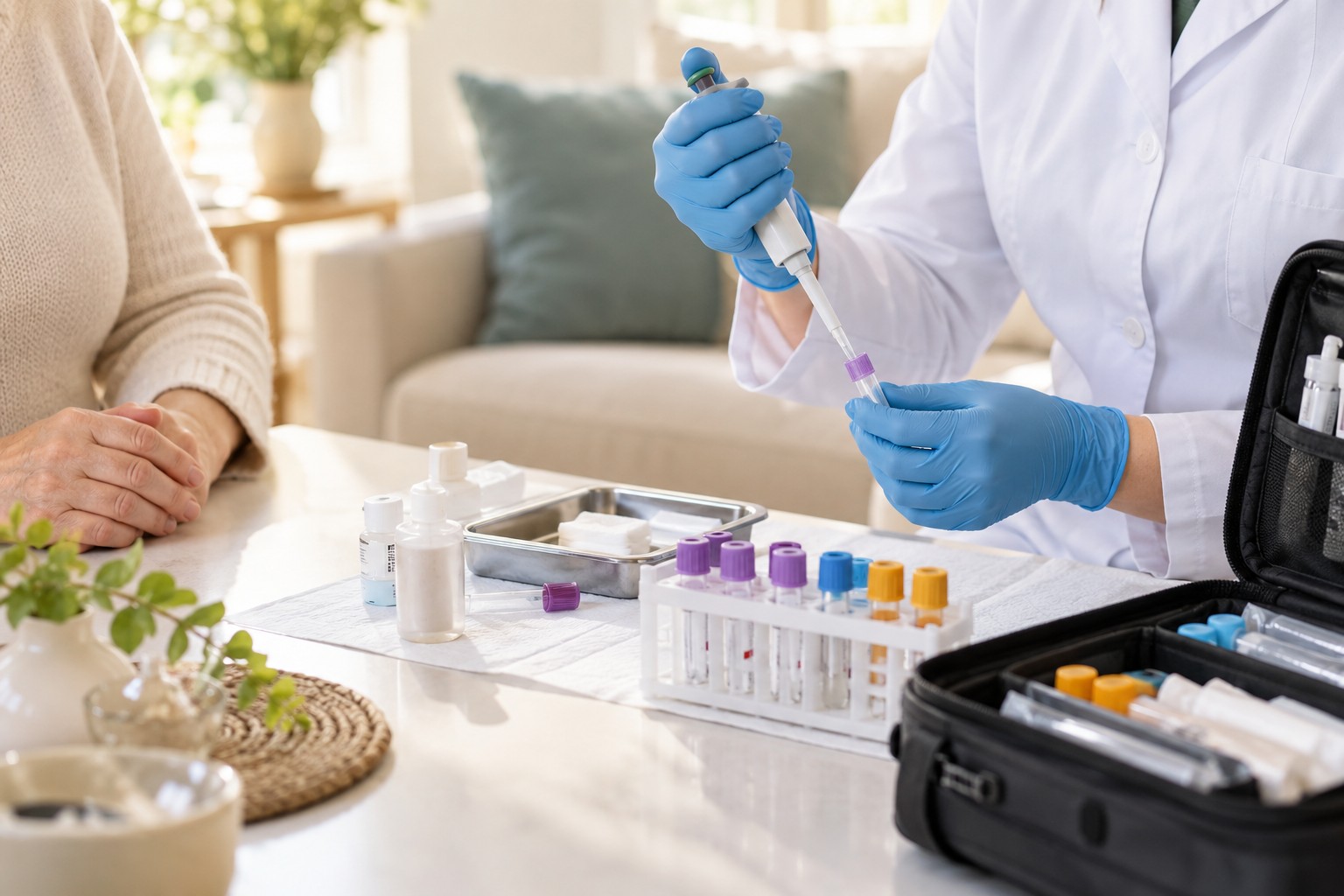
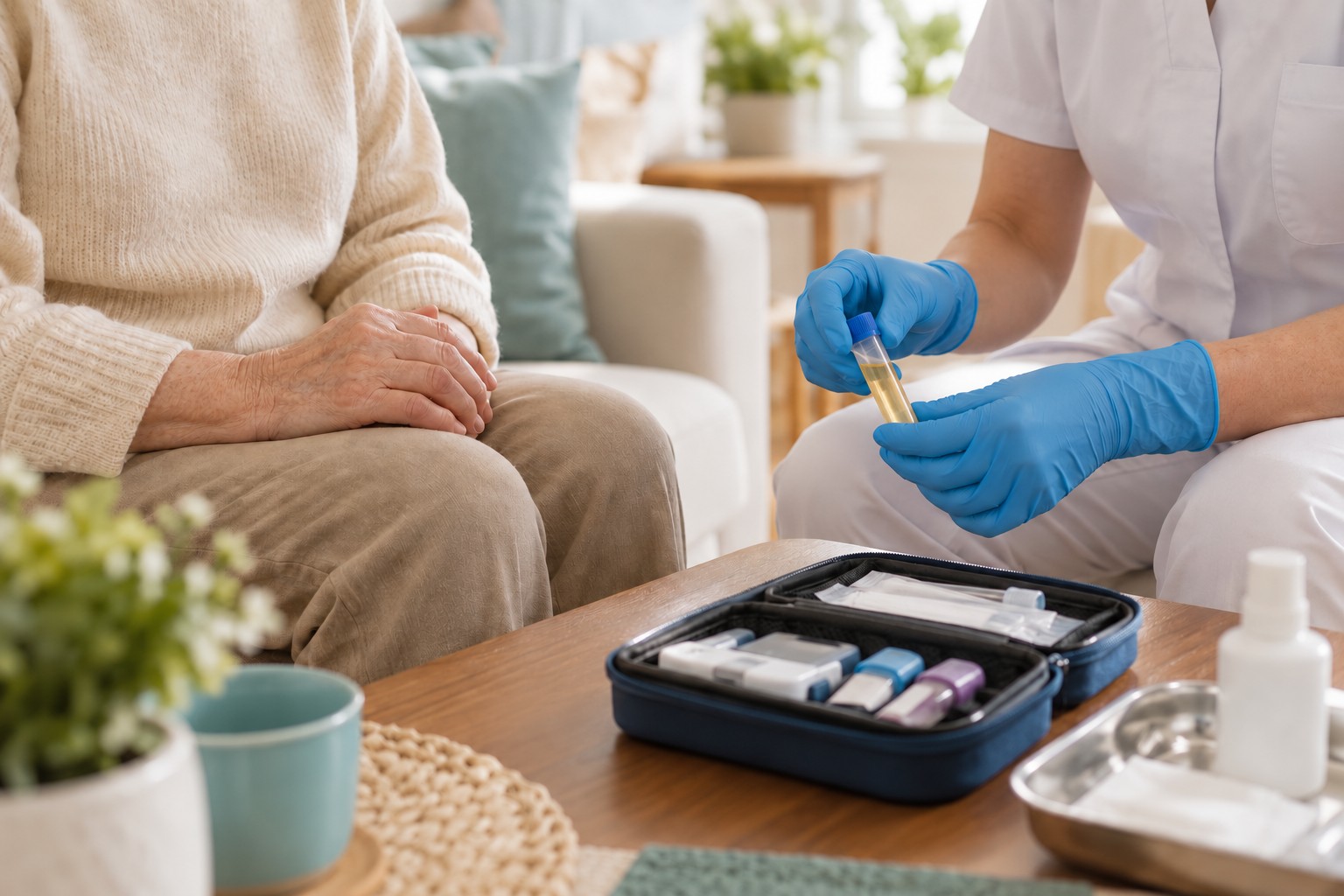
Blood drawn from a vein on the inside of the elbow is analyzed after the serum has been separated. Having follow-up measurements done in the same laboratory with the same method makes it easier to compare the values. If going out is difficult because of fatigue during treatment, a nurse can take the sample at your home or workplace.
What does the CA 15-3 result mean?
A high CA 15-3 level does not by itself mean breast cancer. Liver diseases such as chronic hepatitis and cirrhosis, benign breast and ovarian diseases, some lung diseases and inflammatory conditions can also raise the value. It can also be elevated in tumors of other organs, such as the lung, ovary and pancreas. Increases due to benign causes, however, mostly remain mild.
In people being treated for breast cancer, a fall in the value over time usually suggests a response to treatment. Because the value is known to rise temporarily in the first weeks of some treatments, the trend is assessed rather than a single measurement. Because laboratories use different methods, reference ranges may vary by laboratory, age and sex; the testing laboratory's range is given on this page. Your CA 15-3 result must always be interpreted by a doctor together with imaging and examination findings and your symptoms.
Reference range
Unit: U/mL- 0 - 25
This is the value used by our laboratory; it may vary depending on age, sex, the method used and the laboratory. Review your result together with your doctor.
How is CA 15-3 done at home?
-
01
Book your appointment
Fill in the online form or call us, and let's plan a day and time that suit you together.
-
02
Your blood is drawn at home
Our nurse comes to your address and collects your blood sample using sterile, single-use supplies.
-
03
You receive your result
Your sample is transported to the laboratory under appropriate conditions; your result is sent to you when it is ready.
Frequently asked questions
The information on this page is for general information only; it does not replace diagnosis or treatment. Consult your doctor for decisions about your health.