

Free PSA is measured together with total PSA to give the free/total PSA ratio; when PSA is slightly elevated, it helps the doctor decide on further investigation.
- Sample
- Blood
- Fasting
- Not required
- Turnaround time
- Usually 1–2 business days
- Test group
- Tumor Markers
Preparation: No fasting is needed. Avoid ejaculation and strenuous cycling for 48 hours before the test; report any recent prostate procedures.
Insurance: We work with private health insurers. For this test, we obtain the pre-approval and collect your sample once approval is received; we do not charge a co-payment. Insurance and payment
Contents
What is free PSA?
PSA (prostate-specific antigen) is a protein produced by the prostate gland that circulates in the blood in different forms. Most of the PSA in the blood is bound to other proteins, while a small portion circulates in free form. The free PSA test measures the amount of this unbound portion.
Free PSA is not interpreted on its own; it is expressed as a ratio to total PSA measured in the same blood sample, and the result is given as a percentage. Studies have shown that the free PSA ratio tends to be lower in prostate cancer than in benign prostate enlargement. The measurement is performed on serum using immunoassay methods compatible with total PSA. The free PSA value is also used in some risk calculations, such as the Prostate Health Index.
When is a free PSA test ordered?
Free PSA is mostly ordered in men whose total PSA is slightly elevated or borderline, to help decide whether further investigations such as a prostate biopsy are needed. This ratio gives the doctor an additional clue as to whether a high PSA may be due to benign prostate enlargement or to another cause. It is not a screening or diagnostic test on its own.
- Total PSA that is slightly elevated or borderline
- PSA values that are gradually rising compared with previous measurements
- Monitoring of men whose earlier biopsy was clear but whose PSA remains elevated
- Additional assessment in people with urinary complaints due to prostate enlargement
How do you prepare for a free PSA test?
No fasting is required for free PSA, but certain activities that affect the prostate are important. Because ejaculation and activities that put pressure on the prostate, such as cycling or horse riding, can temporarily change PSA values, it is recommended to avoid them for 48 hours before the test. Ask your doctor when the test should be done after procedures such as a digital rectal examination, urinary catheter insertion, cystoscopy or prostate biopsy; if you have a urinary tract infection or prostatitis, the measurement is usually postponed until after recovery.
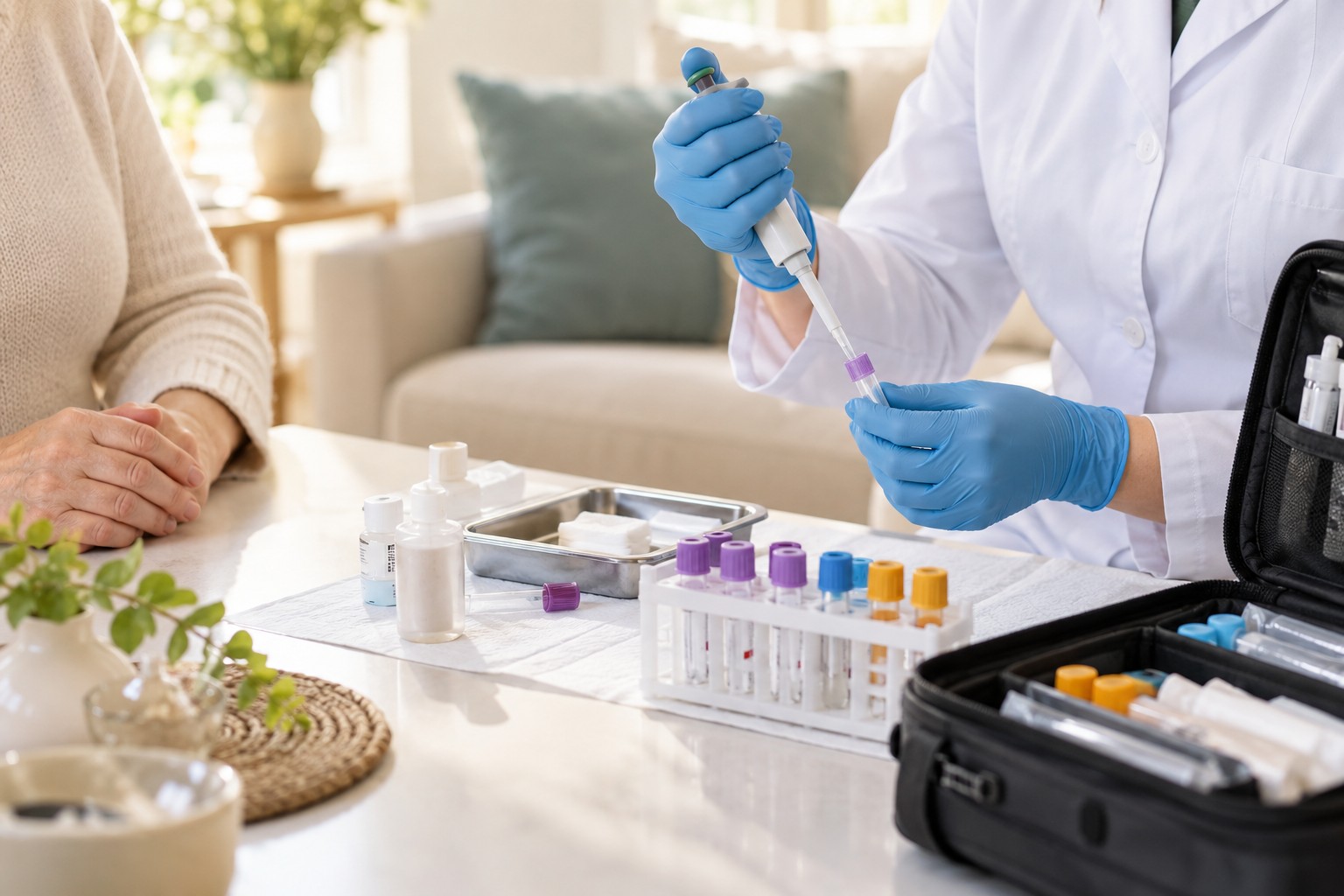
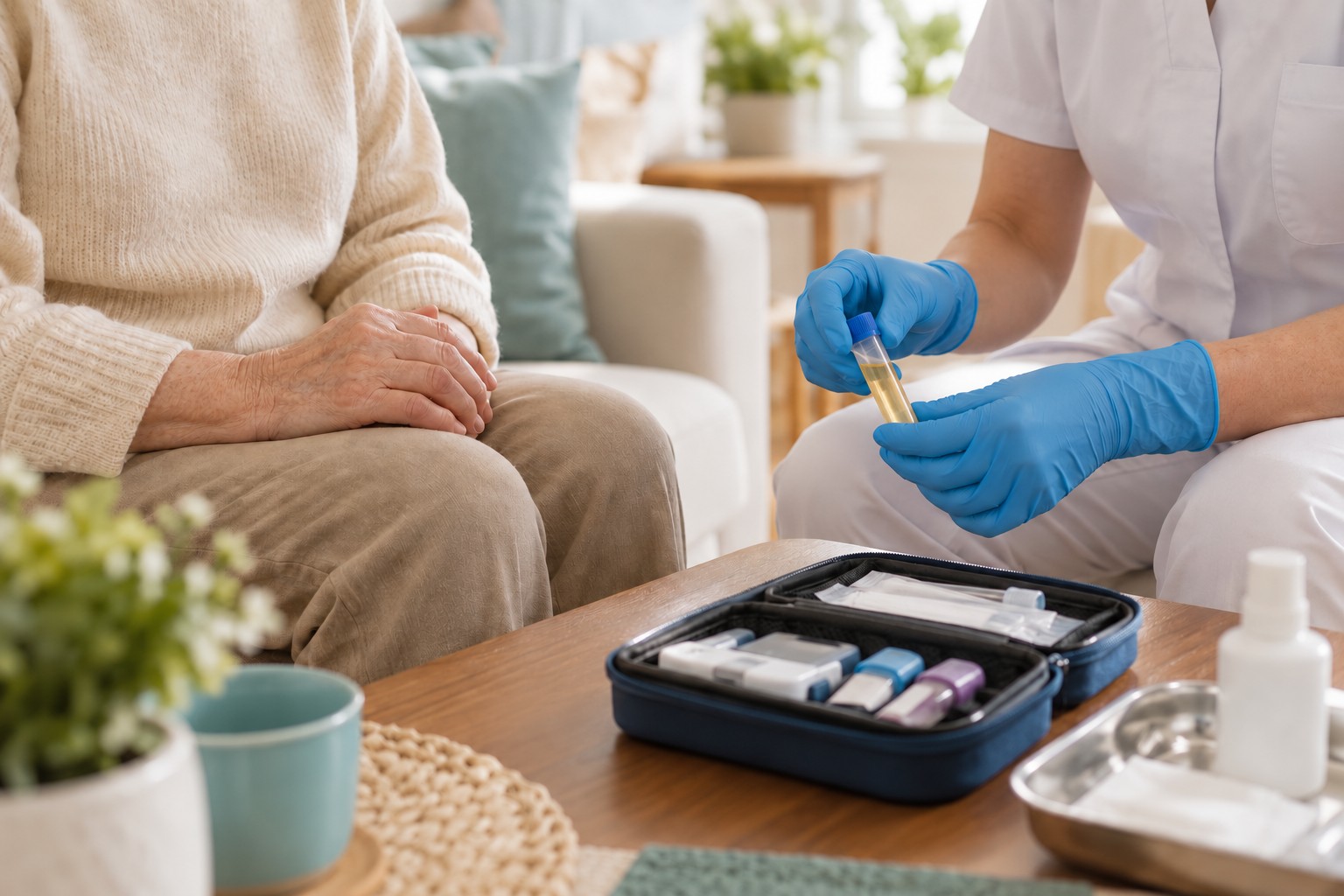
Before the sample is taken, mention the medicines you use (especially those used to treat prostate enlargement) and any supplements containing biotin (B7). Because free PSA can change if the blood sample is left standing for a long time, it is important that the sample is processed promptly. You can also choose to have our nurse come to your home or workplace for this blood sample.
What does a free PSA result mean?
There is no reference range used for free PSA on its own; for this reason, no separate range is shown on this page, and the result is evaluated together with total PSA as the free/total ratio. A higher ratio suggests that the elevated PSA is more likely to be due to causes such as benign prostate enlargement. A lower ratio, on the other hand, may indicate an increased likelihood of prostate cancer and may lead the doctor to plan further investigations.
The ratio helps in estimating probability; on its own, it does not show whether or not cancer is present. The thresholds used to interpret the ratio may vary with age, prostate volume and the method used by the laboratory. When making a decision, your doctor considers total PSA, examination findings, a prostate MRI if needed, and your family history together. The meaning of your free PSA ratio must be interpreted by a doctor together with your symptoms and other investigations.
Reference range
Stated in your laboratory report
The reference range for this test may vary depending on the method used, age and sex; it appears next to your result in your laboratory report. Review your result together with your doctor.
How is Free PSA done at home?
-
01
Book your appointment
Fill in the online form or call us, and let's plan a day and time that suit you together.
-
02
Your blood is drawn at home
Our nurse comes to your address and collects your blood sample using sterile, single-use supplies.
-
03
You receive your result
Your sample is transported to the laboratory under appropriate conditions; your result is sent to you when it is ready.
Frequently asked questions
The information on this page is for general information only; it does not replace diagnosis or treatment. Consult your doctor for decisions about your health.