

Total PSA measures the total blood level of PSA, a protein produced by the prostate; it is used to assess prostate health and to monitor treatment.
- Sample
- Blood
- Fasting
- Not required
- Turnaround time
- Usually 1–2 business days
- Test group
- Tumor Markers
Preparation: No fasting is needed. Ejaculation and cycling in the last 48 hours can raise PSA; report any prostate procedures and your medicines.
Insurance: We work with private health insurers. For this test, we obtain the pre-approval and collect your sample once approval is received; we do not charge a co-payment. Insurance and payment
Contents
What is total PSA?
PSA (prostate-specific antigen) is a protein produced by the cells of the prostate gland that helps liquefy semen. A small amount of this protein passes into the blood, where it circulates both bound to other proteins and in free form. The total PSA test measures the combined amount of these two forms.
PSA is specific to the prostate, but not specific to prostate cancer. Benign prostate enlargement, prostatitis and some procedures performed on the prostate can also raise the value. The measurement is performed on blood serum using automated immunoassay methods, and the result is reported in ng/mL.
When is a total PSA test ordered?
The PSA test is used in assessments aimed at the early detection of prostate cancer, in investigating complaints related to prostate enlargement, and in monitoring the treatment of diagnosed prostate cancer. Because the test has both benefits and limitations in men without symptoms, it is recommended that the decision on whether to be tested be made together with a doctor. PSA alone does not establish a diagnosis; a high result can only indicate the need for further evaluation.
- Frequent urination, getting up at night to urinate, or a weak urine stream
- Straining when urinating or a feeling of not emptying the bladder completely
- Monitoring recommended by the doctor in men with a family history of prostate cancer
- Hardness or irregularity of the prostate found on examination
- Regular follow-up after prostate cancer treatment
- Tracking changes in PSA in patients on an active surveillance program
How do you prepare for a total PSA test?
There is no fasting requirement for PSA measurement. However, some situations can temporarily raise PSA: it is recommended to avoid ejaculation, activities that put pressure on the prostate such as cycling and horse riding, and strenuous exercise for 48 hours before the test. Procedures such as a digital rectal examination, urinary catheter insertion, cystoscopy and prostate biopsy can also affect the value, so plan the timing of the test with your doctor.
If you have a urinary tract infection or prostatitis, the test is usually postponed until a few weeks after recovery. Some medicines used to treat prostate enlargement or hair loss can lower PSA considerably; if you take one of these medicines, your doctor will interpret the result accordingly. If you take a high-dose biotin (B7) supplement, report this as well. The sample is taken from a vein in the arm; if you wish, our nurse can do this at your home or workplace.
What does a total PSA result mean?
A high PSA value does not mean that you have prostate cancer. Among the most common causes are the prostate enlarging with age (benign prostate enlargement), prostatitis, urinary tract infection, urinary retention and procedures performed on the prostate. When there is an unexpected elevation, doctors often repeat the test a few weeks later and, if necessary, request further evaluations such as free PSA, a prostate MRI or a urological examination.
A normal PSA value does not completely rule out prostate cancer; some tumors do not raise PSA significantly. In people who have been treated for prostate cancer, the values after treatment and their change over time are important for monitoring the success of treatment. The accepted ranges for PSA may differ by laboratory and age; the range of the laboratory that performs the test is shown on this page. The final interpretation should be made by your doctor, taking into account your age, symptoms, examination findings and other tests.
Reference range
Unit: ng/mL- 0 - 4
This is the value used by our laboratory; it may vary depending on age, sex, the method used and the laboratory. Review your result together with your doctor.
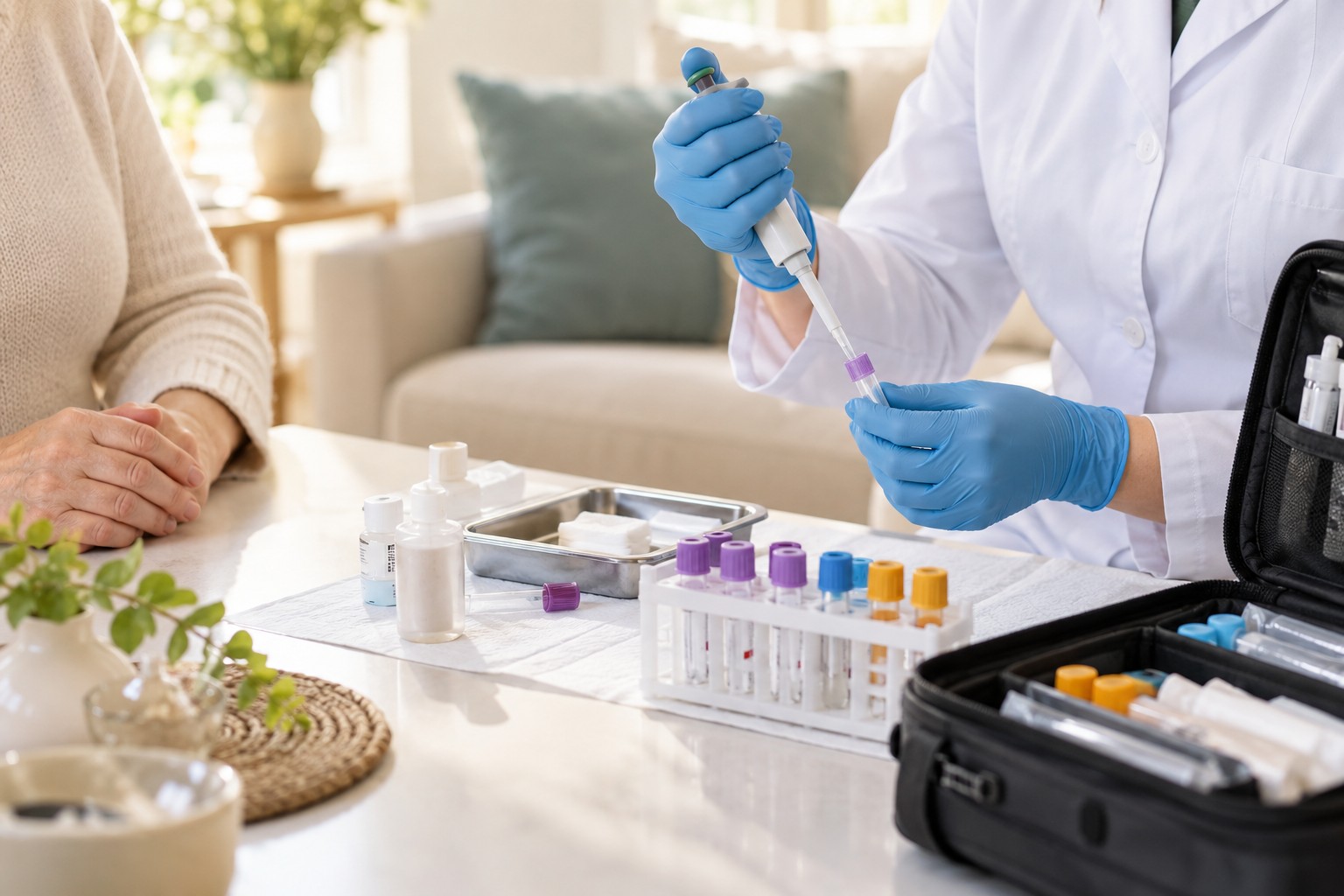
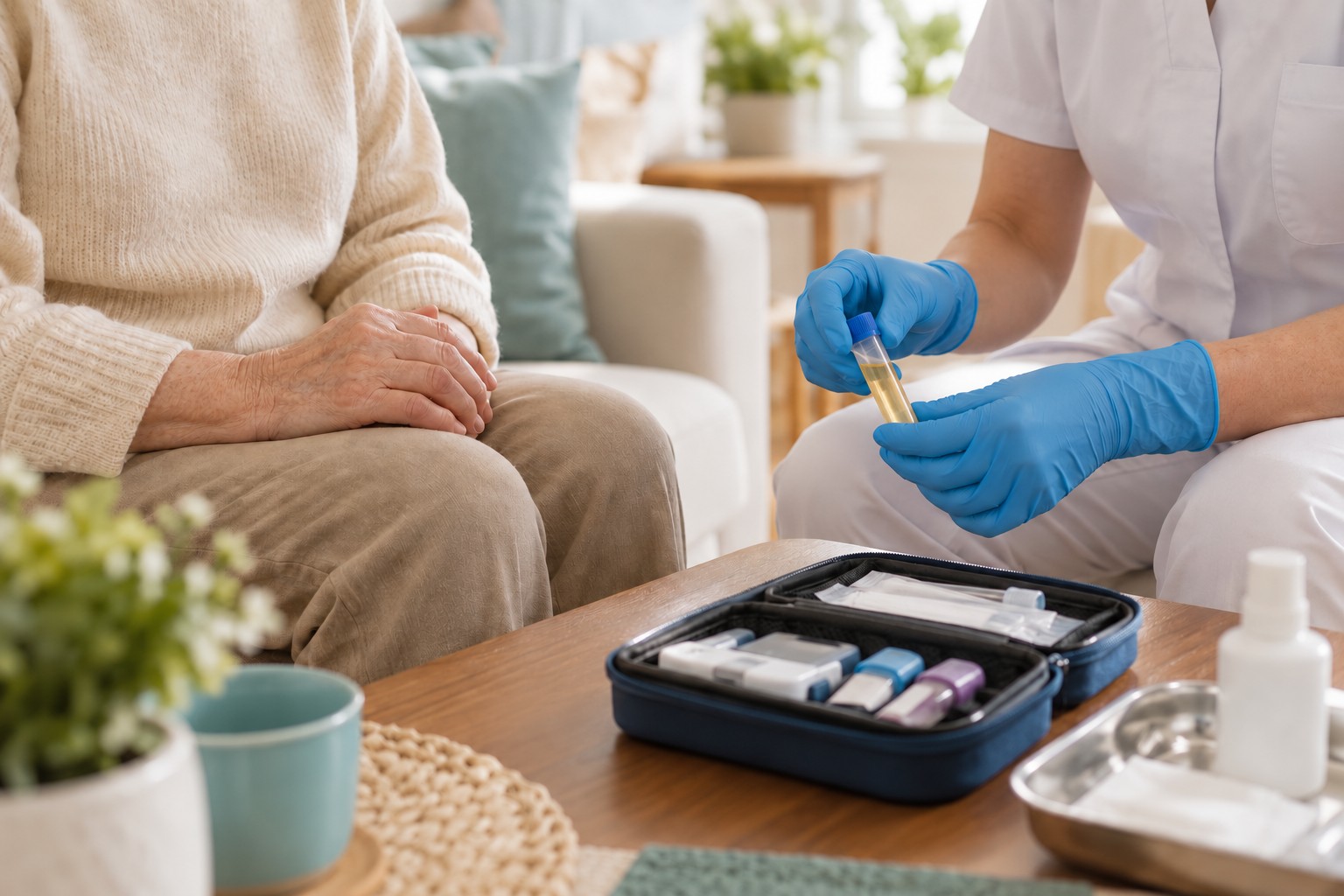
How is Total PSA (Prostate-Specific Antigen) done at home?
-
01
Book your appointment
Fill in the online form or call us, and let's plan a day and time that suit you together.
-
02
Your blood is drawn at home
Our nurse comes to your address and collects your blood sample using sterile, single-use supplies.
-
03
You receive your result
Your sample is transported to the laboratory under appropriate conditions; your result is sent to you when it is ready.
Frequently asked questions
The information on this page is for general information only; it does not replace diagnosis or treatment. Consult your doctor for decisions about your health.