

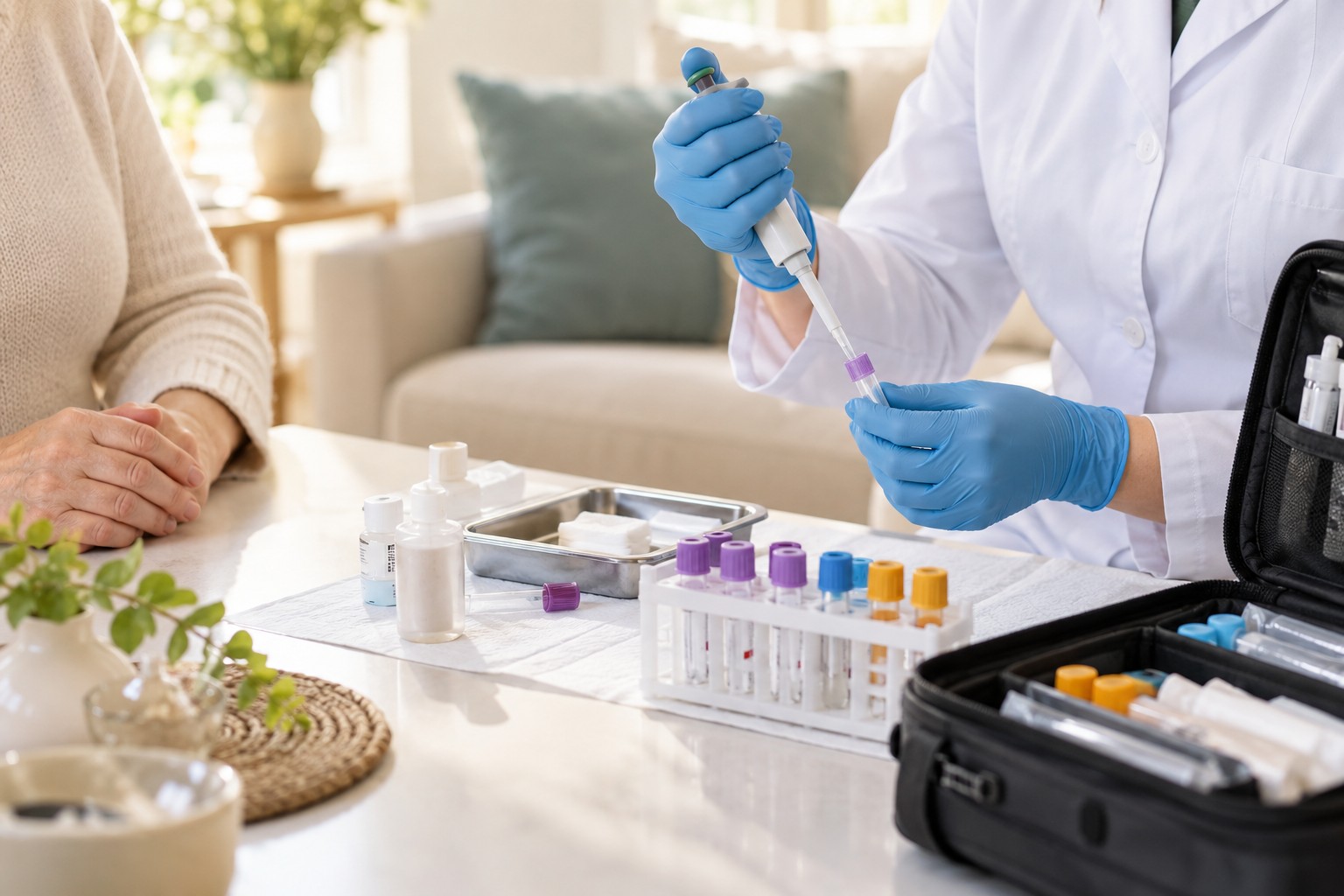
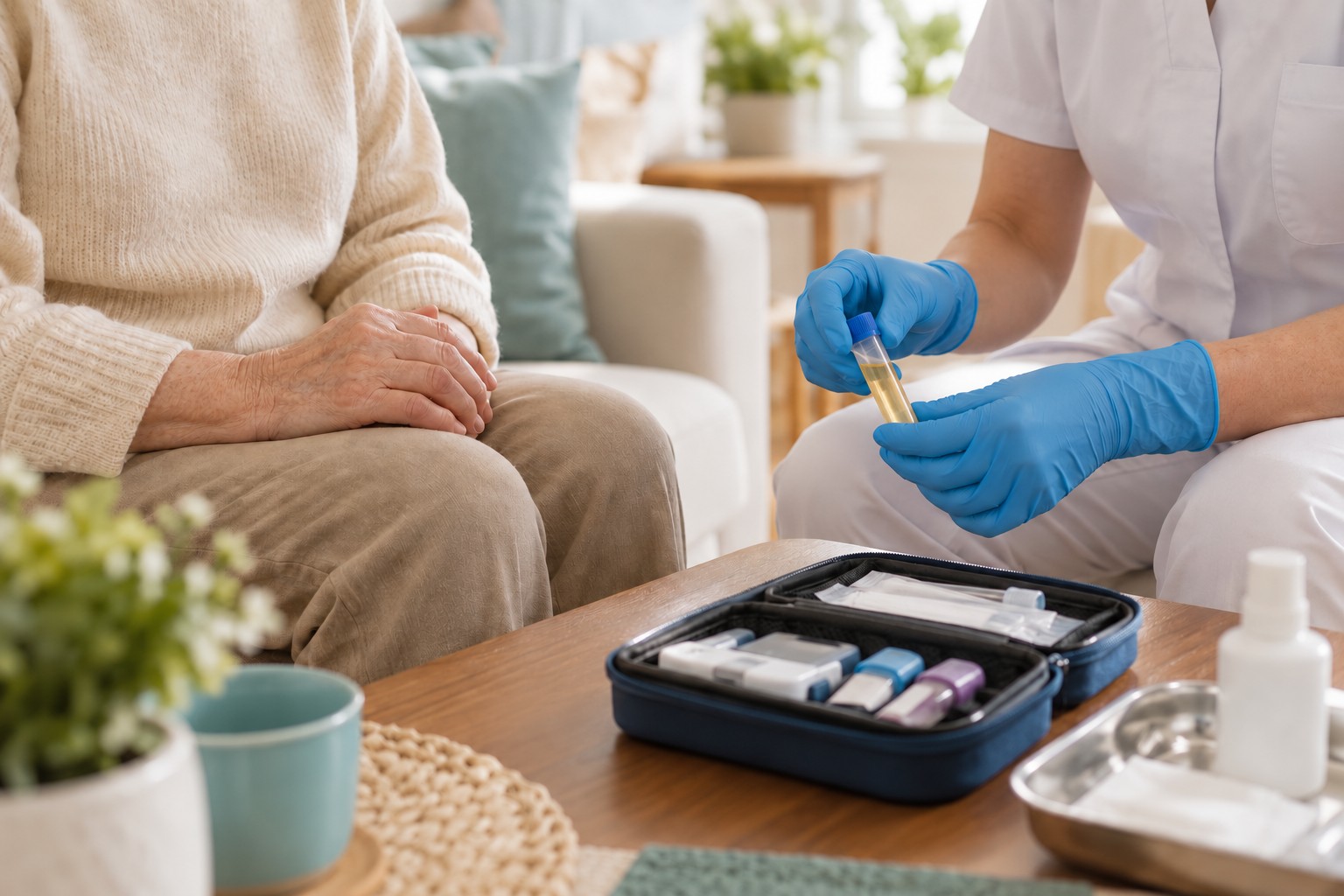
A nasal culture grows bacteria from the nose to show Staphylococcus aureus carriage and effective antibiotics. The swab can be taken at home.
- Sample
- Nasal swab
- Fasting
- Not required
- Turnaround time
- Usually 2–3 days (culture time)
- Test group
- Culture and Microbiology
Preparation: No fasting is needed. Do not use nasal sprays, drops or ointments before the sample; if possible, it is taken before starting antibiotics.
Insurance: We work with private health insurers. For this test, we obtain the pre-approval and collect your sample once approval is received; we do not charge a co-payment. Insurance and payment
Contents
What is a nasal culture?
A nasal culture is a laboratory test in which bacteria are grown and examined from a swab sample taken from the front part of the nostrils. Various bacteria also live on the inner surface of the nose in healthy people, and these are considered normal flora. The main aim of the test is to determine whether, alongside these usual bacteria, species that can cause infection, such as Staphylococcus aureus, are present. Because the nose is one of the sites in the body where this bacterium most often settles, it is the preferred site for carrier investigations.
In the laboratory, the sample is inoculated onto culture media and kept in an incubator for a time so that bacteria can grow. When growth is detected, the bacterial species is identified, and an antibiogram then determines which antibiotics are effective against it. When Staphylococcus aureus grows, the antibiogram also shows whether the bacterium is resistant to methicillin, that is, whether it is MRSA. Because live bacteria need to form colonies, the result is completed within a few days.
When is a nasal culture ordered?
A nasal culture is mostly ordered not so much to diagnose a disease as to find out whether potentially disease-causing bacteria are being carried in the nose. Carriage usually causes no symptoms, but it can help the bacterium spread to the skin, to wounds or to people in close contact. Detecting carriage helps plan measures to prevent the bacterium from spreading when necessary. Your doctor may recommend this test in the following situations.
- Recurrent boils (furuncles) and other skin infections
- Crusting, sores or inflammation at the entrance of the nose
- Investigation of staphylococcal carriage before certain surgeries
- MRSA screening in healthcare workers and in hospital settings
- Carrier screening required of food industry workers
How do you prepare for a nasal culture?
No fasting is required for a nasal culture, and the sample can be taken at any time of day. It is recommended that you do not use nasal sprays, drops, ointments or nasal rinse solutions before the sample is taken; these products can affect bacterial growth. If you are taking antibiotics or have taken them recently, be sure to mention this. If possible, the test should be done before antibiotic treatment is started.
When the sample is taken, a sterile swab is placed in the front part of the nostril, without being pushed in too deep, and rotated a few times against the inner surface. Samples are usually taken from both nostrils with the same swab. The procedure is quick and causes no notable discomfort apart from a slight tickle or an urge to sneeze. The swab can also be taken at home, and our nurse sends the sample to the laboratory in a transport tube that keeps the bacteria viable.
What does a nasal culture result mean?
"Normal flora" in the report indicates that there was no notable growth other than the bacteria normally found in the nose. When Staphylococcus aureus or another potential pathogen grows, the name of the bacterium and the antibiogram result are added to the report. The susceptibility information helps choose the right medicine when treatment or decolonization (clearing the carriage) is needed. Because a sample taken from the entrance of the nose does not reflect what is inside the sinuses, this test alone is not considered sufficient to diagnose sinusitis.
Staphylococcus aureus can be present without symptoms in the noses of a substantial proportion of healthy people; for this reason, growth alone does not mean disease. Whether any intervention is needed is determined by the reason the test was ordered and the person's condition. The reference wording and reporting format may differ between laboratories; this laboratory's reference is shown on this page. The result must be evaluated by a doctor together with your symptoms and other test findings.
Expected result
- Normal flora
This is the value used by our laboratory; it may vary depending on age, sex, the method used and the laboratory. Review your result together with your doctor.
How is Nasal Culture (Culture and Antibiotic Sensitivity) done at home?
-
01
Book your appointment
Fill in the online form or call us, and let's plan a day and time that suit you together.
-
02
Your swab is taken at home
Our nurse comes to your address and takes the swab sample with a sterile swab in a few seconds.
-
03
You receive your result
Your sample is transported to the laboratory under appropriate conditions; your result is sent to you when it is ready.
Frequently asked questions
The information on this page is for general information only; it does not replace diagnosis or treatment. Consult your doctor for decisions about your health.