

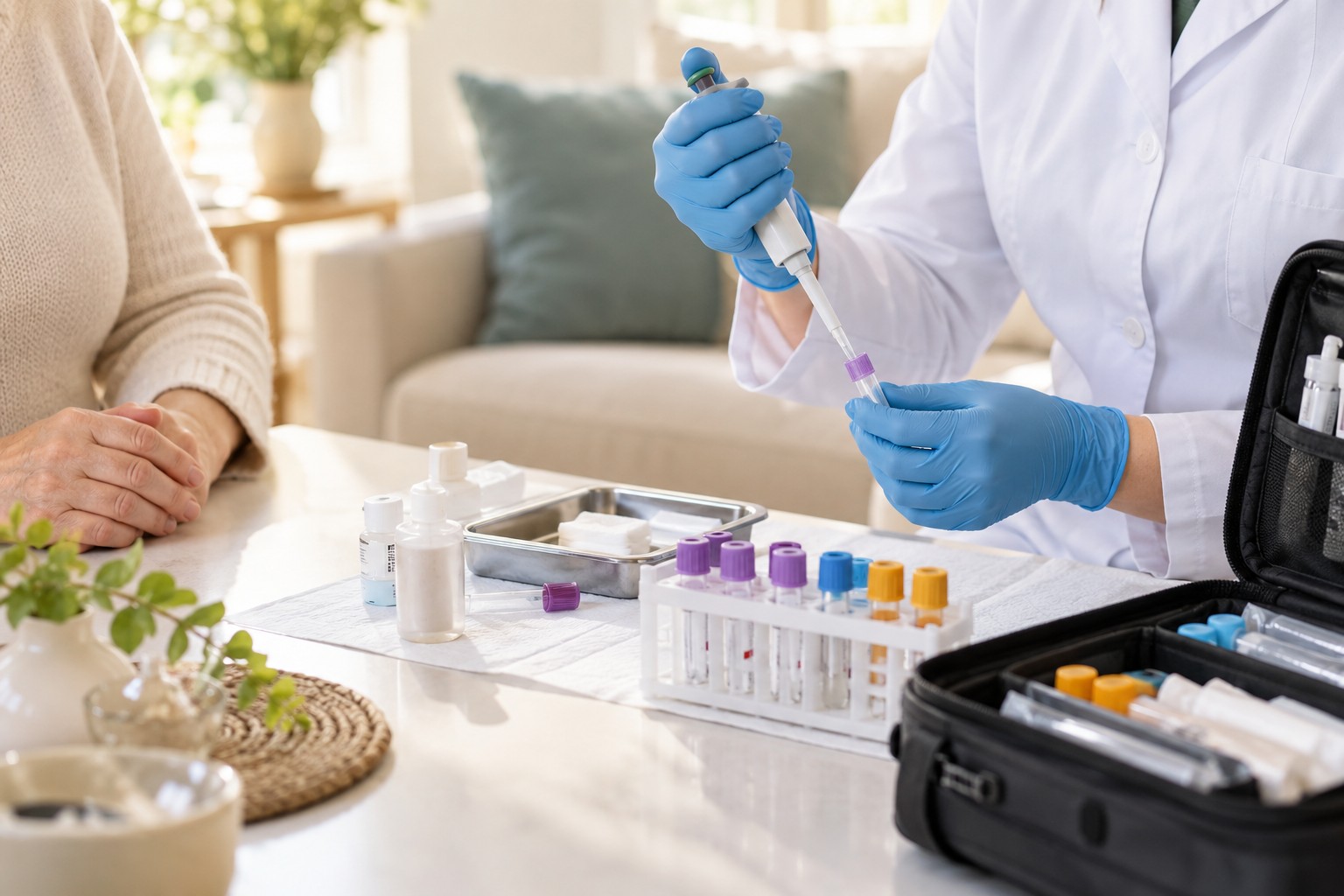
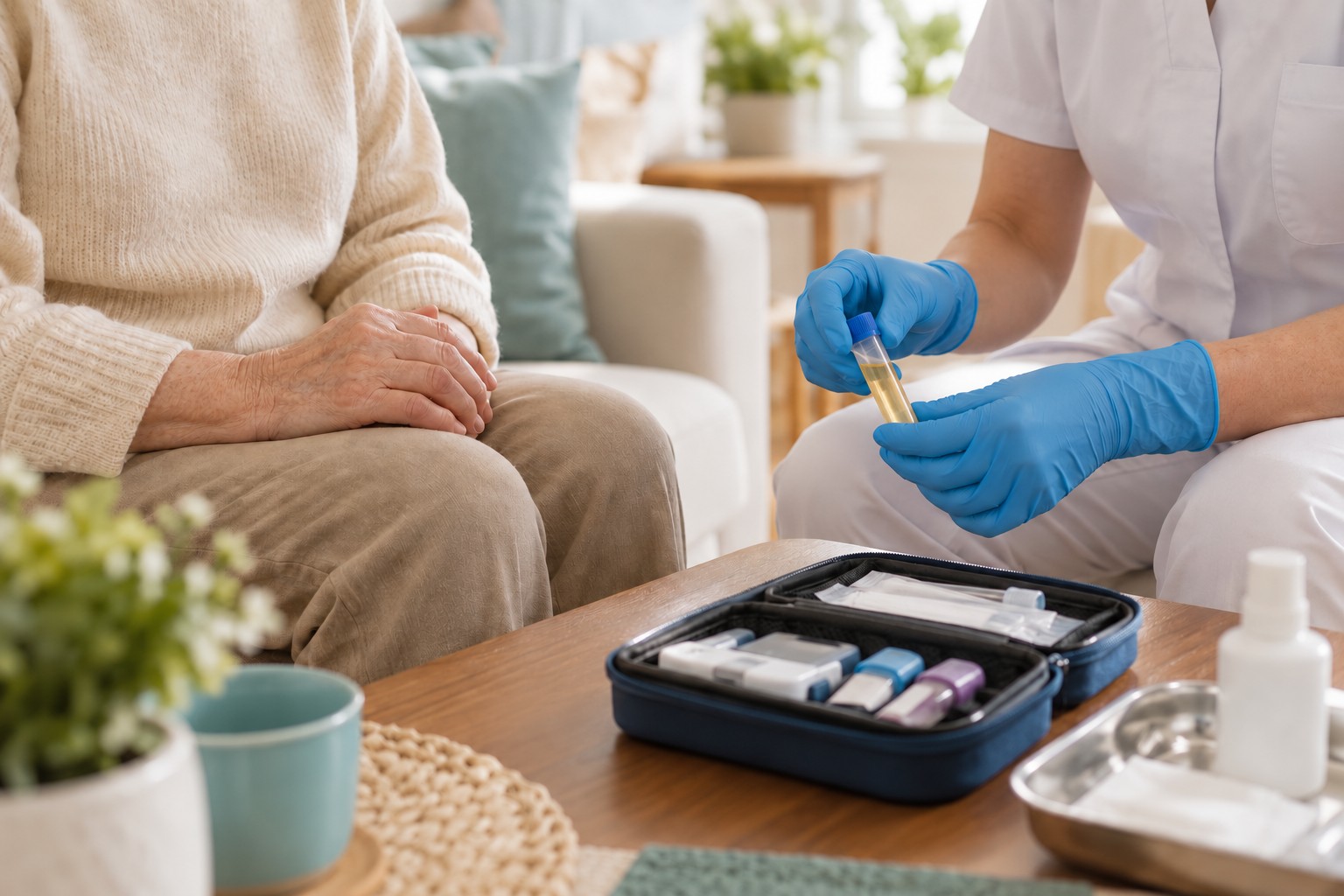
A stool culture looks for bacteria that cause diarrhea, such as Salmonella and Shigella, and identifies effective antibiotics. You can give the sample at home.
- Sample
- Stool
- Fasting
- Not required
- Turnaround time
- Usually 3–5 days (culture time)
- Test group
- Culture and Microbiology
Preparation: No fasting is needed. If possible before starting antibiotics, a sample of fresh stool not mixed with urine or water is taken into a sterile container.
Insurance: We work with private health insurers. For this test, we obtain the pre-approval and collect your sample once approval is received; we do not charge a co-payment. Insurance and payment
Contents
What is a stool culture?
A stool culture is a microbiology test in which bacteria that can cause intestinal infections and diarrhea are grown from a stool sample and investigated. The intestines of healthy people also contain large numbers of beneficial bacteria; the test focuses on distinguishing disease-causing species within this normal flora. Routine testing looks primarily for Salmonella and Shigella and, depending on the method used by the laboratory, may also look for bacteria such as Campylobacter and certain pathogenic Escherichia coli strains.
The sample is inoculated onto culture media that allow certain bacteria to grow selectively, and suspicious colonies that grow are put through identification tests. If a disease-causing bacterium is detected, an antibiogram determines which antibiotics it is sensitive to. Because the enrichment, culture and identification steps take time, the result is completed within a few days. Viruses, parasites and Clostridioides difficile toxins are not detected by this test; separate tests are needed for them.
When is a stool culture ordered?
A large proportion of diarrhea cases are caused by viruses and clear up on their own within a few days, so a culture is not needed for every episode of diarrhea. Your doctor may order a stool culture when a bacterial infection is suspected or when the result is expected to change the treatment plan. It is also done to investigate carrier status in certain occupational groups.
- Bloody diarrhea or diarrhea with mucus
- Severe diarrhea and abdominal pain with a high fever
- Diarrhea that lasts longer than a few days or keeps coming back
- Diarrhea that starts after travel abroad, or a suspected food poisoning outbreak
- Diarrhea in people with a weakened immune system
- Carrier screening for food and service industry workers
How do you prepare for a stool culture?
No fasting or special diet is required for a stool culture. If possible, the sample should be taken before antibiotic treatment is started; if you have taken antidiarrheal medicine or antibiotics, be sure to mention this. The stool must not come into contact with urine, toilet water or cleaning products, as these can impair the viability of the bacteria. For this reason, it is recommended that you pass the stool into a clean, dry container or onto plastic wrap stretched over the toilet bowl and take the sample from there.
Using the spoon of the sterile container, it is enough to take a hazelnut-sized piece of formed stool, or about two dessert spoonfuls of watery stool. If there are parts that look bloody, mucousy or watery, taking the sample specifically from those areas increases the chance of detecting the organism. If you are giving the sample at home, a sterile container is delivered to you; you collect the sample yourself, and our nurse picks it up shortly afterward and delivers it to the laboratory. Close the container lid tightly and write your name and the time you collected the sample on it.
What does a stool culture result mean?
The phrase "no pathogens grown" in the report means that the disease-causing bacteria being looked for were not found in the sample examined. This result may suggest that the diarrhea could be due to viruses, parasites or non-infectious causes; however, a single negative culture does not always completely rule out a bacterial infection. If your symptoms persist, your doctor may ask for the test to be repeated or for different tests to be done.
When a bacterium such as Salmonella or Shigella grows, the report includes its species and the antibiogram result. Some bacterial diarrheas may not require antibiotics; your doctor decides whether treatment is needed and which medicine to choose. Growth detected in carrier screening is assessed separately from an occupational health perspective. The reporting format may differ between laboratories; this laboratory's reference wording is given separately on the page. The result should be interpreted by a doctor together with your age, general health, symptoms and other test findings.
Expected result
- No pathogen growth
This is the value used by our laboratory; it may vary depending on age, sex, the method used and the laboratory. Review your result together with your doctor.
How is Stool Culture (Culture and Antibiotic Sensitivity) done at home?
-
01
Book your appointment
Fill in the online form or call us, and let's plan a day and time that suit you together.
-
02
Your sample container is delivered
A sterile sample container and instructions are brought to your address; once you have provided your sample, our nurse collects it.
-
03
You receive your result
Your sample is transported to the laboratory under appropriate conditions; your result is sent to you when it is ready.
Frequently asked questions
The information on this page is for general information only; it does not replace diagnosis or treatment. Consult your doctor for decisions about your health.