


The biotin test measures the blood level of the B vitamin also known as vitamin H; it provides guidance in cases of deficiency or high-dose supplement use.
- Sample
- Blood
- Fasting
- Not required
- Turnaround time
- Usually 5–10 business days
- Test group
- Biochemistry
Preparation: Fasting is usually not required. If you take a supplement containing biotin, tell your doctor when you last took it and which medications you take regularly.
Insurance: We work with private health insurers. For this test, we obtain the pre-approval and collect your sample once approval is received; we do not charge a co-payment. Insurance and payment
Contents
What is biotin (vitamin H)?
Biotin, also known as vitamin H or vitamin B7, is a water-soluble B vitamin. It is needed for the enzymes that convert fats, carbohydrates and certain amino acids into energy in the body to work properly. It also plays a role in the health of the skin, hair and nails and in the normal functioning of the nervous system. The body does not store significant amounts of it, and any excess is usually excreted in the urine.
Biotin is found in many foods, such as egg yolk, liver, nuts, seeds, legumes and some vegetables; gut bacteria also produce some biotin. For this reason, deficiency is quite rare in people who eat a balanced diet. Blood biotin levels are mostly measured in advanced laboratories using specialized methods such as mass spectrometry, and this test is not part of routine lab testing.
When is a biotin test ordered?
Your doctor may order a biotin test when there are symptoms that could point to a deficiency or when a condition that increases the risk of deficiency is present. Symptoms of deficiency mostly appear in the skin, the hair and the nervous system, and these complaints can also have other causes. In some cases, the test may be ordered to get an idea of the blood level in people who take high-dose biotin supplements. Because the body's need for biotin increases during pregnancy and breastfeeding, the test may also be done during these periods if the doctor considers it necessary.
- Unexplained hair loss or noticeable thinning of the hair
- Scaly red rashes around the eyes, nose and mouth
- Long-term use of certain epilepsy medications
- Long-term intravenous feeding or diseases that impair absorption from the intestine
- Regular consumption of raw egg whites or heavy alcohol use
- Use of supplements containing high doses of biotin
How do I prepare for a biotin test?
You usually do not need to fast for a biotin test; however, if your doctor or the laboratory has given you different instructions, follow them. Multivitamins and hair, skin and nail supplements that contain biotin directly affect the blood level. For this reason, tell your doctor which products you use and when you took the last dose; your doctor will decide, based on the purpose of the test, whether you should pause the supplement before the test.
Because some epilepsy medications can lower biotin levels, it is also important to mention the medications you take regularly; do not stop these medications on your own. The sample is transported under suitable conditions to the laboratory that will perform the measurement, and because this test requires a specialized method, the result may take longer than for routine tests. Since no special preparation is needed, you can choose any time that suits you for the nurse to come to your home or workplace.
What does a biotin result mean?
No fixed numerical reference range is shown on this page for this test; the result is reported together with the evaluation criteria for the method used by the laboratory that performs the measurement. A low biotin level can support a deficiency, especially when it is accompanied by matching symptoms and risk factors. Hereditary conditions such as biotinidase deficiency, which is very rare and is usually detected through newborn screening, are evaluated with separate enzyme tests.
A high biotin level, on the other hand, is mostly due to supplement use and is generally not toxic. However, high blood biotin can make the results of tests such as thyroid hormones, certain other hormones and troponin, which is used to diagnose a heart attack, appear misleadingly high or low. Because reference values can vary from laboratory to laboratory depending on the measurement method, age and sex, your result should be evaluated against the criteria stated in the report. Your doctor will evaluate your biotin result together with your complaints, your eating habits, the supplements you take and your other tests.
Reference range
Stated in your laboratory report
The reference range for this test may vary depending on the method used, age and sex; it appears next to your result in your laboratory report. Review your result together with your doctor.
How is Vitamin H (Biotin) done at home?
-
01
Book your appointment
Fill in the online form or call us, and let's plan a day and time that suit you together.
-
02
Your blood is drawn at home
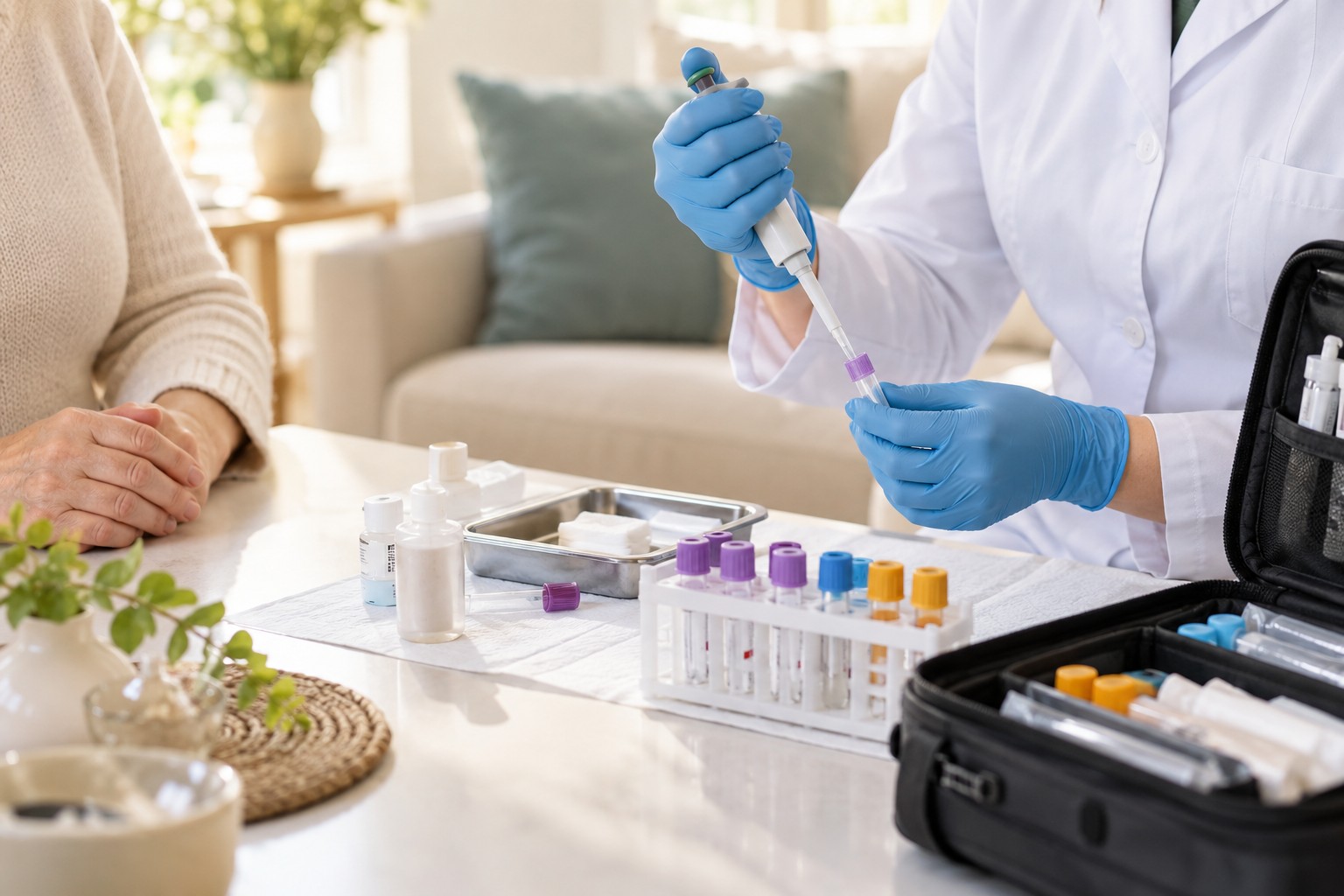
Our nurse comes to your address and collects your blood sample using sterile, single-use supplies.
-
03
You receive your result
Your sample is transported to the laboratory under appropriate conditions; your result is sent to you when it is ready.
Frequently asked questions
The information on this page is for general information only; it does not replace diagnosis or treatment. Consult your doctor for decisions about your health.