


Contents
Looking after a loved one who needs care takes love, patience and a great deal of effort that often goes unseen. In this process it is easy to put your own health second; yet in the long run, you need to protect yourself for the well-being of both you and the person you care for. In this guide, you will find suggestions that can help you recognize caregiver fatigue and lighten the load.
Recognize caregiver fatigue
Caregiver fatigue is a state of physical, emotional and mental exhaustion caused by carrying caregiving responsibilities for a long time. It usually develops gradually and is often noticed late. If you recognize some of the following signs in yourself, it may be time to pause and look at your own needs:
- Tiredness that does not go away even when you rest, and sleep problems
- Frequent tension, anger, restlessness or feeling like crying
- Losing interest in things you used to enjoy
- Withdrawing from friends and social life
- Marked changes in appetite and weight
- More frequent complaints such as headaches or back pain, and getting sick often
- A constant feeling of guilt or of not doing enough
- Neglecting your own health check-ups and medications
- Impatience or intolerance toward the person you care for
These signs are not a weakness; they are a natural result of carrying a heavy load for a long time, often alone. Recognizing them is the first step toward asking for support.
Share the tasks
It is not sustainable in the long run for one person to take on all of the caregiving. Making visible what needs to be done makes it easier to share.
- Make a list of tasks such as medication times, meals, personal care, doctor's appointments, shopping, paperwork and staying with your loved one overnight.
- Get together with family members and talk about who can take on what, and when. Relatives who live far away can also help by keeping track of appointments, handling paperwork or calling regularly.
- Do not turn down offers of help, and make your requests specific. A clear request such as "Could you stay with Mom for two hours on Tuesday afternoon?" is more likely to get a yes than a general offer.
- Keep track of medications, appointments and observations in a shared notebook or calendar that everyone can see.
- Connecting with friends, neighbors or other family caregivers going through something similar also helps you share the load.
Make time for rest and for yourself
Resting is not selfish. Taking good care of yourself is what makes it possible to care for your loved one for longer and in a healthier way.
- Take breaks during the day, however short; even a walk of a few minutes or a quiet cup of tea can do you good.
- If care is needed at night, take turns if possible and try to protect your sleep.
- Do not neglect regular meals, drinking enough water and your own health check-ups.
- When lifting or turning your loved one, bend your knees, keep your back straight and get help if possible. Learning the right techniques from a nurse or physiotherapist reduces your risk of injury.
- Keep making time, even a little, to see friends and for activities that do you good.
- Set yourself realistic goals; you do not have to do everything perfectly.
Professional support options
Getting professional support does not mean giving up caregiving; it is a way to share the load and maintain the quality of care. Depending on your needs, you can combine different types of support.
- Home care support helps with daily tasks such as personal care, hygiene and nutrition. Even a few hours of regular support gives you a chance to rest and take care of your own affairs.
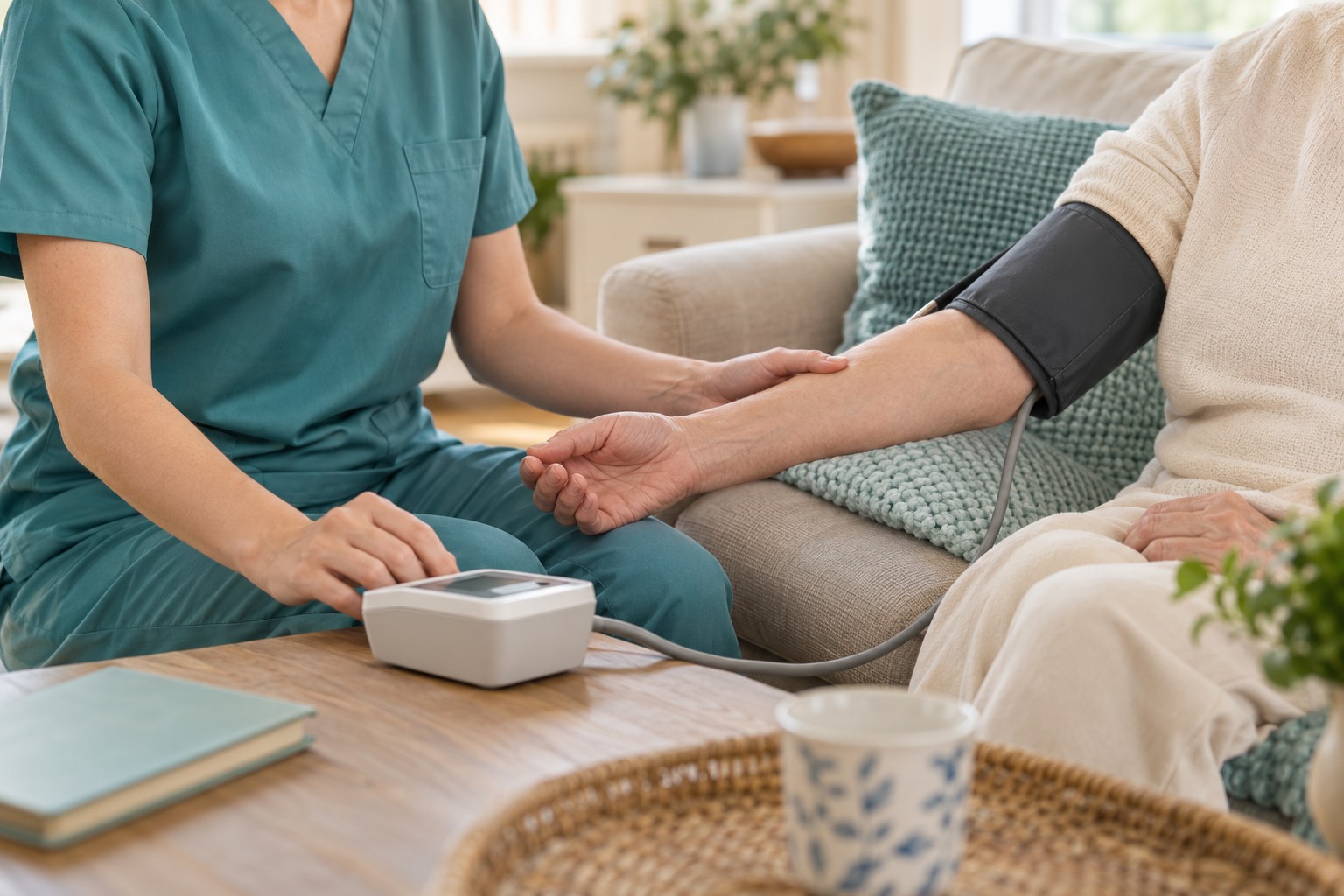
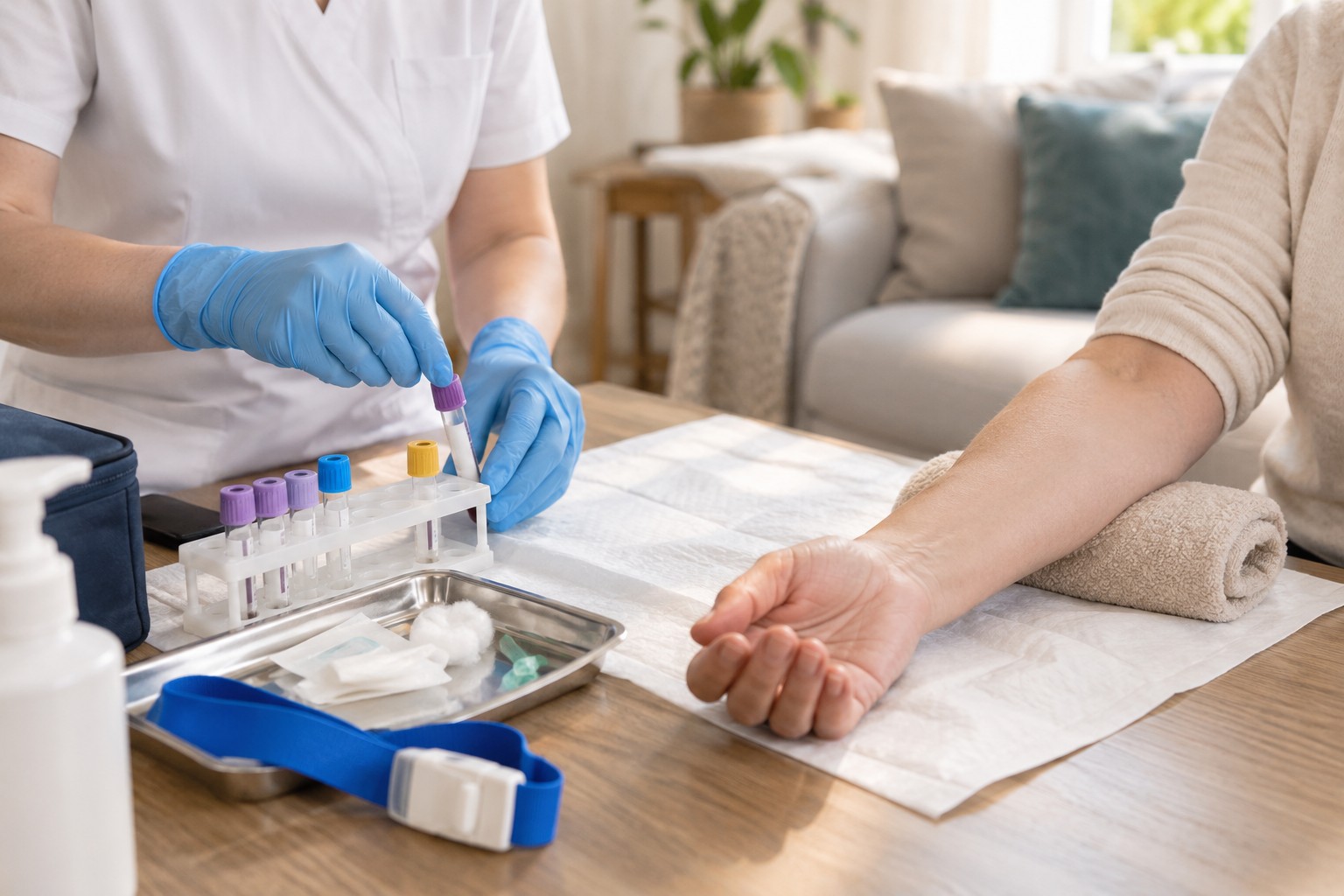
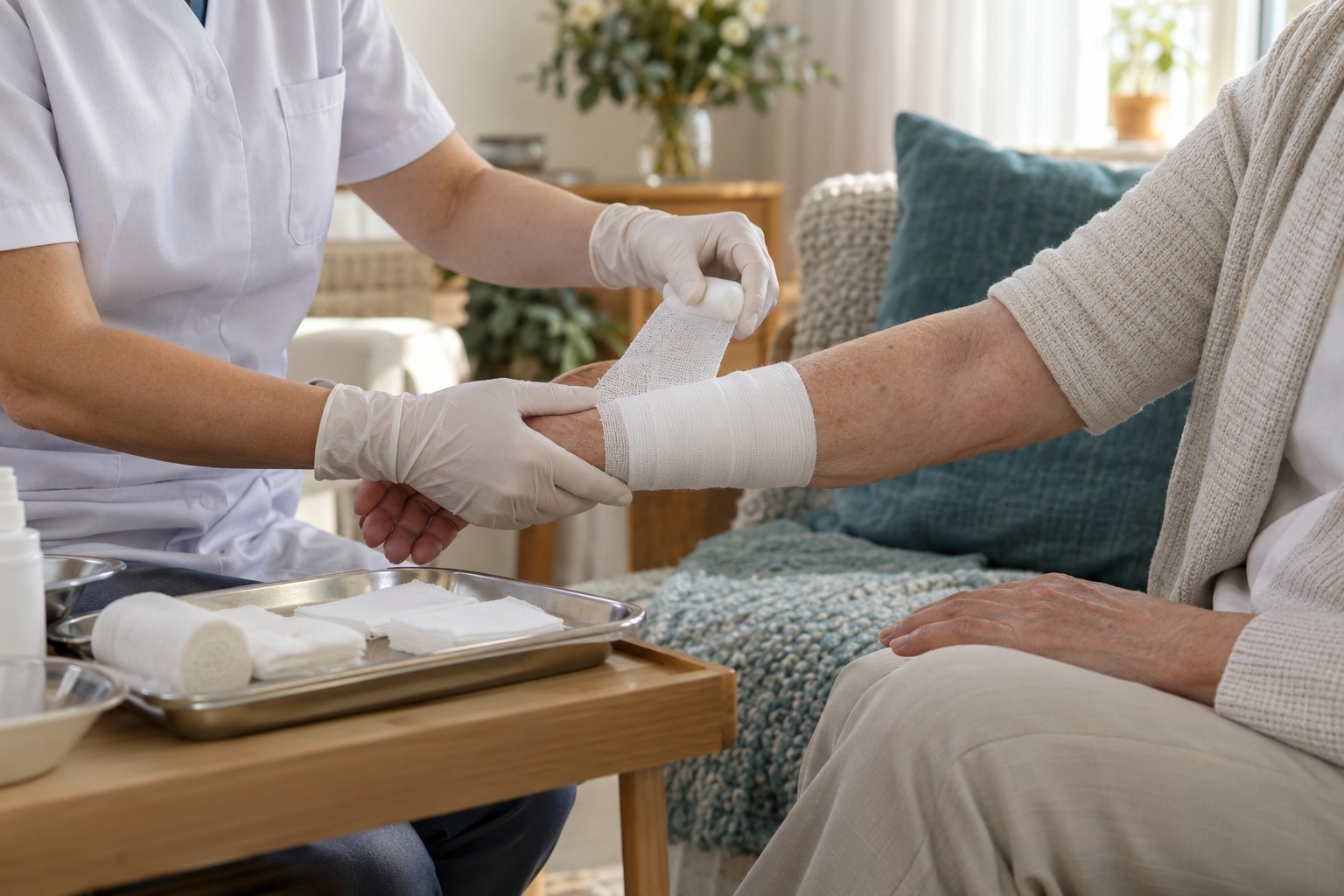
- Home nursing support helps with medical procedures such as wound dressing, injections and managing medications, and the nurse can also show you the right techniques for daily care.
- Professionals such as doctors, physiotherapists and dietitians help ensure that your loved one's care plan is reviewed regularly.
- Disease-specific associations and caregiver support groups give you the opportunity to connect with people who are going through similar experiences.
Your loved one's care needs may increase over time. Discussing and planning in advance the support you may need later saves you from having to make rushed decisions at a difficult moment.
Psychological support
Caregiving can bring intense emotions such as anxiety, anger, guilt and grief. Seeing someone you love change can give you a sense of loss even while they are still with you. All of these feelings are understandable and deserve to be shared.
Talking to someone you trust or writing down your feelings can bring relief. If you feel the burden is getting heavier, speaking with a psychologist can help you make sense of your feelings, develop ways of coping with stress and protect your boundaries. During periods when it is hard for you to leave the house, having the sessions at home is also an option. Psychological support can also be considered for the person you care for.
When should you contact a doctor or call 112?
Caregivers often put off dealing with their own health problems. The following situations may indicate that you should see a doctor or a mental health professional for your own health:
- Low mood, hopelessness or being unable to enjoy anything for more than two weeks
- Long-lasting sleeplessness, or marked changes in appetite and weight
- Difficulty keeping up with your daily activities
- Drinking or smoking more than before, or wanting to use sleeping pills or sedatives without a doctor's recommendation
- Difficulty controlling your anger, or fearing that you might harm the person you care for
- Physical complaints such as frequent headaches, palpitations or exhaustion that does not go away
Having these feelings does not make you a bad person; it simply shows that it is time to get help. If you have thoughts of harming yourself or someone else, or if an emergency such as loss of consciousness, sudden chest pain or severe shortness of breath occurs in you or in the person you care for, call 112 without delay. Home care and psychological support services do not replace emergency medical services.
Support at home with Curavita
At Curavita Evde Sağlık, our home care service shares the daily care tasks with you, giving you room to rest and make time for yourself. Our home nursing service supports you with medical procedures, and through our psychologist at home service we offer psychological support to both you and your loved one during this time.
This guide is for general information only; consult your doctor for diagnosis and treatment. In an emergency, call 112.