

The C-peptide test shows how much insulin the pancreas produces; it is used to distinguish between types of diabetes and to investigate the cause of low blood sugar.
- Sample
- Blood
- Fasting
- Required
- Turnaround time
- Usually 1–2 business days
- Test group
- Hormones
Preparation: Blood is usually drawn in the morning after 8–10 hours of fasting; you may drink water. Mention your diabetes medications and any biotin use.
Insurance: We work with private health insurers. For this test, we obtain the pre-approval and collect your sample once approval is received; we do not charge a co-payment. Insurance and payment
Contents
What is C-peptide?
C-peptide is a small protein fragment produced together with insulin in the beta cells of the pancreas. Insulin is first made as a larger molecule called proinsulin; when this molecule is split in two, equal amounts of insulin and C-peptide are released. For this reason, the amount of C-peptide in the blood indirectly reflects the body's own insulin production. It does not lower blood sugar itself, but it is used as a reliable marker of insulin production.
C-peptide stays in the blood longer than insulin and is not affected by injected insulin. Thanks to these properties, it is possible to assess how much insulin the pancreas is secreting even in people receiving insulin therapy. The test is performed on serum using immunological methods, and the result is reported in ng/mL.
When is the C-peptide test ordered?
Your doctor most often orders this test to assess the type of diabetes and the pancreas's capacity to produce insulin. In recurrent episodes of low blood sugar, it helps distinguish whether the problem is caused by the body producing too much insulin or by insulin taken from outside the body. In people whose blood sugar is harder to control than expected, it also helps show how much reserve capacity the pancreas has left.
- Distinguishing type 1 from type 2 in newly diagnosed diabetes
- Suspected latent autoimmune diabetes in adults (LADA)
- Unexplained, recurrent episodes of hypoglycemia (low blood sugar)
- Assessing pancreatic reserve before deciding to switch to insulin therapy
- Monitoring after pancreatic surgery or islet cell transplantation
- Investigating an insulin-secreting tumor (insulinoma)
How do you prepare for the C-peptide test?
C-peptide is usually measured in the morning after an 8–10-hour overnight fast; you may drink water during this time, but you should avoid tea, coffee, chewing gum and sugary drinks. In some cases your doctor may order the test after a meal or at the same time as a blood sugar test, so it is important to follow the instructions you are given. If low blood sugar is being investigated, the result becomes meaningful together with a blood sugar value measured at the same time.
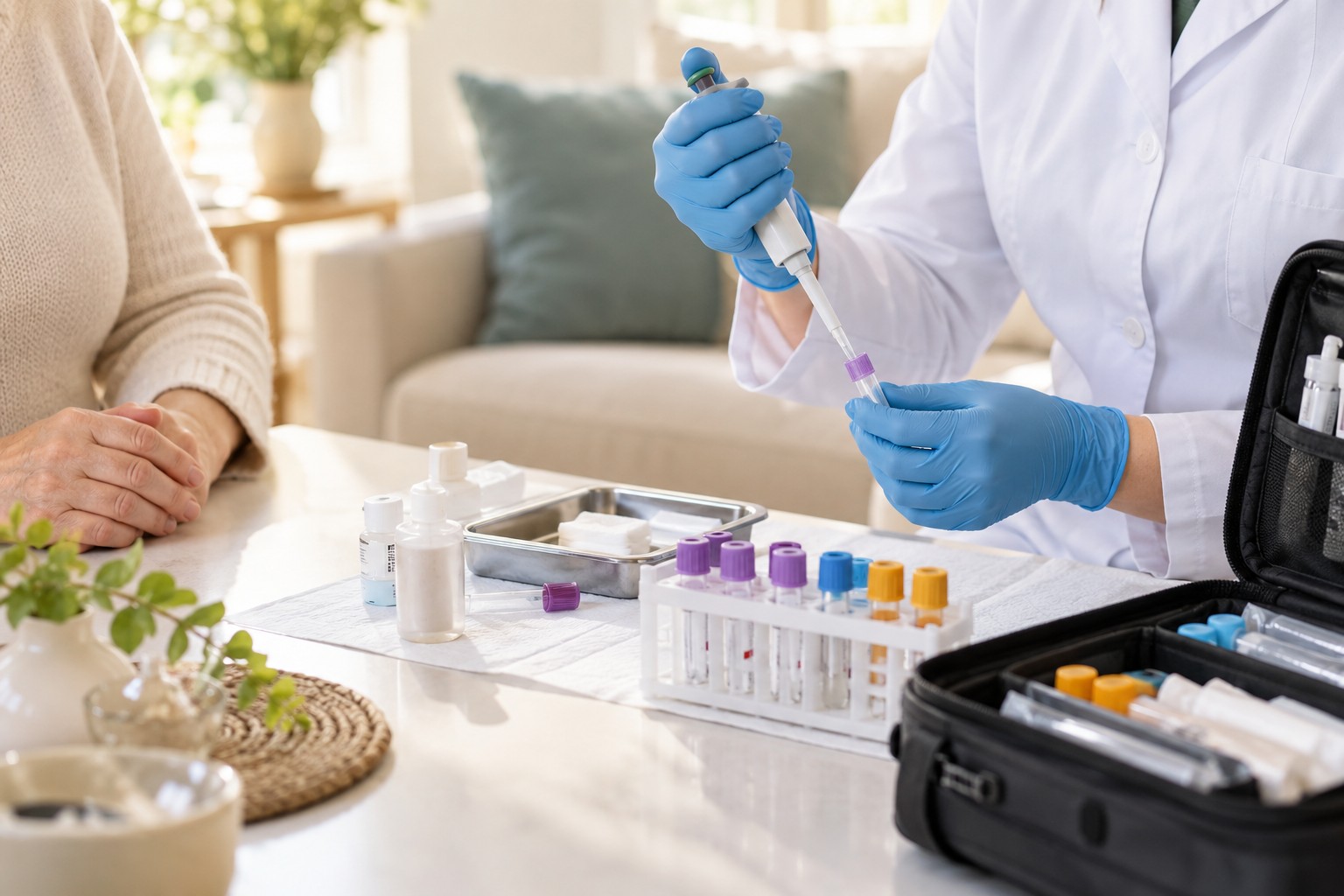
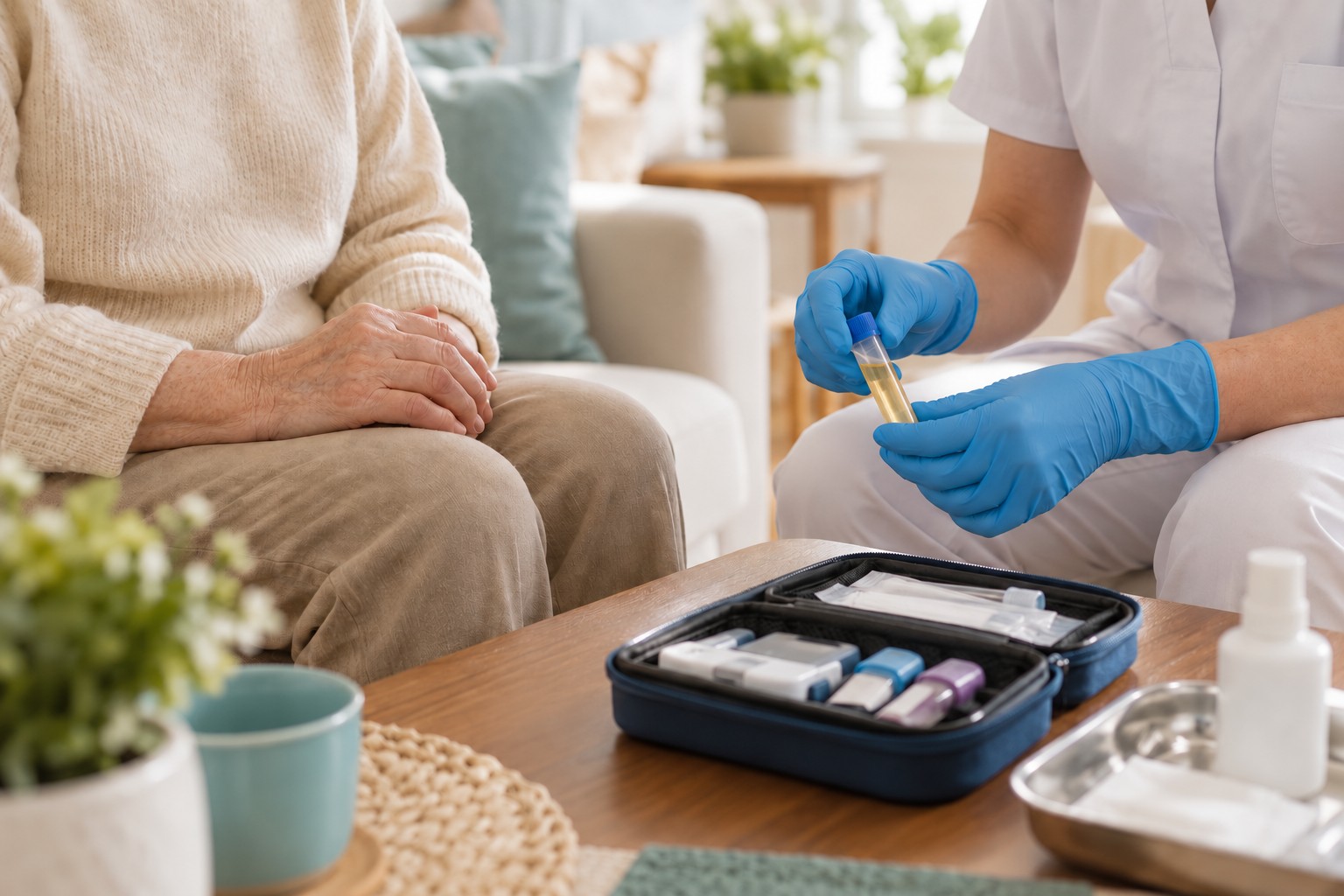
Because medications such as insulin, diabetes pills and cortisone can affect the result, always consult your doctor before stopping any of your medications, and mention what you take when the sample is collected. Supplements containing high-dose biotin can also lead to misleading results with some measurement methods. Getting the sample to the laboratory quickly after collection is also important for the accuracy of the measurement. Blood is drawn from a vein in the arm; a Curavita nurse can come to your home in the morning and collect the sample before you break your fast.
What does the C-peptide result mean?
A low C-peptide level suggests that the pancreas cannot produce enough insulin; it can be seen in type 1 diabetes and in the advanced stages of long-standing type 2 diabetes. If C-peptide is also suppressed while blood sugar is low, this raises the possibility that the hypoglycemia is related to insulin taken from outside the body. High levels, on the other hand, may be associated with insulin resistance, the early stage of type 2 diabetes, the effect of certain diabetes medications or, rarely, an insulinoma.
Because C-peptide is excreted by the kidneys, the value may be high in kidney failure even if insulin production has not increased. The result becomes more meaningful when evaluated together with blood sugar and insulin levels measured at the same time. In follow-up, the change in values over time provides more information than a single result. Reference ranges may differ depending on the method used, the laboratory, age and sex; this page shows the range of the laboratory that performs the test. Your result should be interpreted by your doctor, who knows your symptoms and your other test results.
Reference range
Unit: ng/mL- 1.1 - 4.4
This is the value used by our laboratory; it may vary depending on age, sex, the method used and the laboratory. Review your result together with your doctor.
How is C-Peptide done at home?
-
01
Book your appointment
Fill in the online form or call us, and let's plan a day and time that suit you together.
-
02
Your blood is drawn at home
Our nurse comes to your address and collects your blood sample using sterile, single-use supplies.
-
03
You receive your result
Your sample is transported to the laboratory under appropriate conditions; your result is sent to you when it is ready.
Frequently asked questions
The information on this page is for general information only; it does not replace diagnosis or treatment. Consult your doctor for decisions about your health.