

The postprandial insulin test measures the insulin secreted by the pancreas after a meal; it is used to investigate insulin resistance and reactive hypoglycemia.
- Sample
- Blood
- Fasting
- Not required
- Turnaround time
- Usually 1–2 business days
- Test group
- Hormones
Preparation: Blood is usually drawn 2 hours after you start eating; nothing is eaten in between. If a fasting sample is also ordered, it is taken first.
Insurance: We work with private health insurers. For this test, we obtain the pre-approval and collect your sample once approval is received; we do not charge a co-payment. Insurance and payment
Contents
What is postprandial insulin?
After a meal, the digested carbohydrates raise blood sugar, and in response the pancreas releases insulin into the blood. In a healthy metabolism, insulin rises quickly, allows sugar to enter the cells and falls again as blood sugar stabilizes. The postprandial insulin test measures the amount of insulin in the blood at a set time after a meal, usually at the second hour.
Because this test shows how the pancreas works under load, it can reveal some forms of insulin resistance that fasting insulin alone cannot detect. The laboratory does not report a fixed reference range for postprandial insulin; the result is interpreted by comparing it with postprandial blood sugar measured at the same time and with fasting values. The measurement is performed on serum using an immunological method and reported in µIU/mL. Your doctor may also order a similar assessment with several measurements during a glucose load test using a sugary solution.
When is the postprandial insulin test ordered?
Postprandial insulin is usually ordered together with fasting insulin and blood sugar to get a complete picture of how the metabolism responds to a meal. It is particularly helpful for people who experience trembling, sweating and sudden hunger a few hours after eating, to understand how these complaints relate to the insulin response.
- Trembling, sweating, palpitations and sudden hunger a few hours after eating
- Suspected insulin resistance despite normal fasting values
- Polycystic ovary syndrome and difficulty losing weight
- A history of prediabetes or gestational diabetes
- Monitoring the insulin response after lifestyle changes or treatment
How do you prepare for the postprandial insulin test?
The test is usually scheduled for the same morning as the fasting sample: first, fasting blood is drawn after an overnight fast, then a regular breakfast containing carbohydrates is eaten as recommended by your doctor. The postprandial sample is usually taken 2 hours after you start eating; during this time nothing else should be eaten and nothing but water should be drunk. Because the duration and content of the meal can affect the result, it is important to follow the instructions you are given.
Avoiding strenuous physical activity and smoking during the waiting period makes the result more reliable. Cortisone, diabetes medications and insulin injections can affect the result; decide with your doctor at what time to take your medications. If you take high-dose biotin supplements, mention this as well. Blood is drawn from a vein in the arm; a Curavita nurse can take the postprandial sample at the specified time at your home or workplace.
What does the postprandial insulin result mean?
A postprandial insulin level that is much higher than expected, or that is still markedly high at the second hour, suggests that the body needs extra insulin to regulate blood sugar, in other words insulin resistance. This is common with excess weight, PCOS and prediabetes. In some people, an excessive and delayed insulin response can cause blood sugar to drop too low hours after a meal (reactive hypoglycemia).
If insulin does not rise sufficiently despite a meal, this may indicate that the pancreas's capacity to produce insulin has decreased; if blood sugar is also high, an evaluation for diabetes is needed. Because no fixed reference range is reported for this test, the result on its own is not classified as normal or abnormal. Laboratories' approaches may differ, and age, sex and the content of the meal also affect interpretation; the laboratory's information on this point is shown separately on this page. Your doctor will establish what your result means, together with your fasting values, blood sugar and symptoms.
Reference range
Stated in your laboratory report
The reference range for this test may vary depending on the method used, age and sex; it appears next to your result in your laboratory report. Review your result together with your doctor.
How is Insulin (Postprandial) done at home?
-
01
Book your appointment
Fill in the online form or call us, and let's plan a day and time that suit you together.
-
02
Your blood is drawn at home
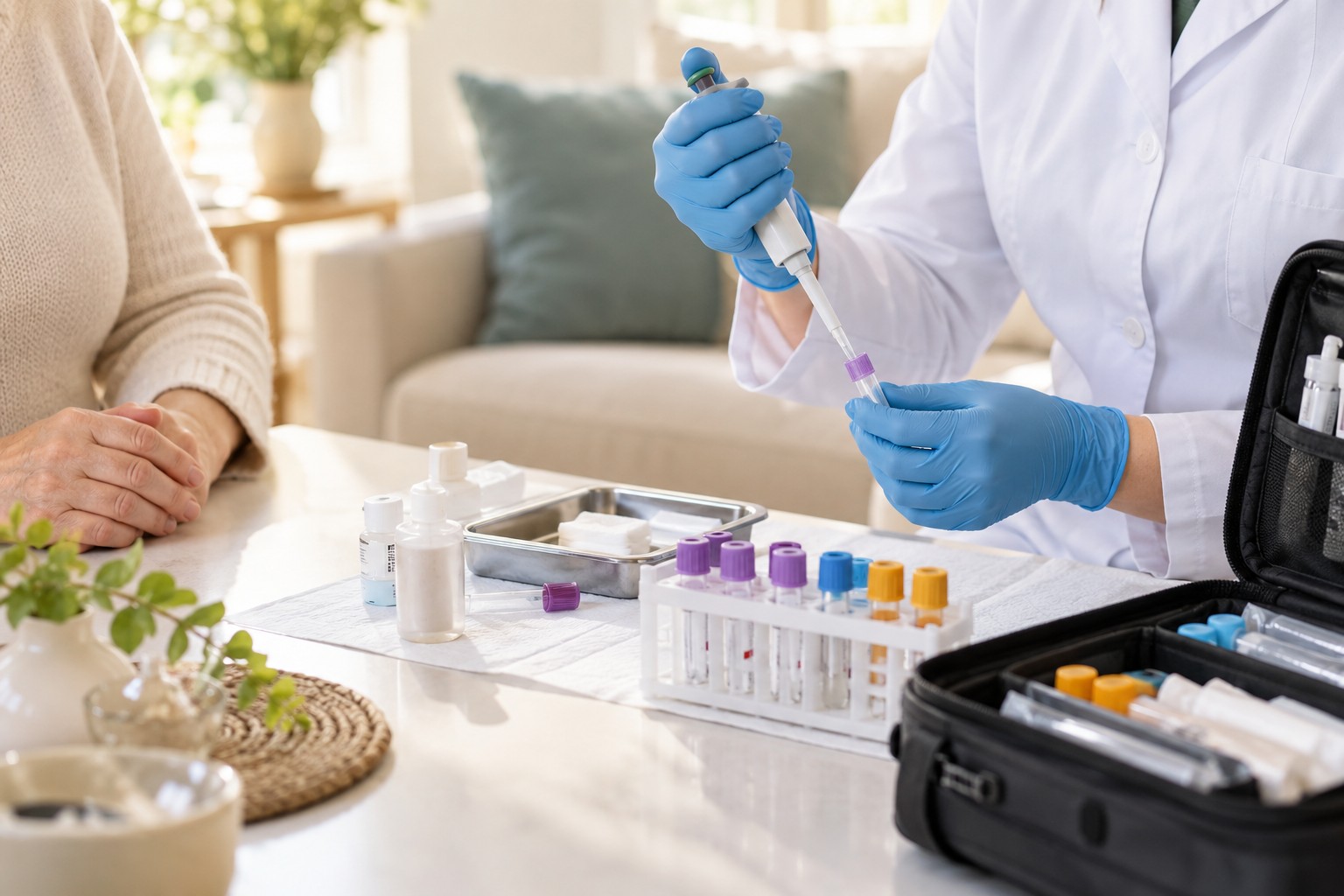
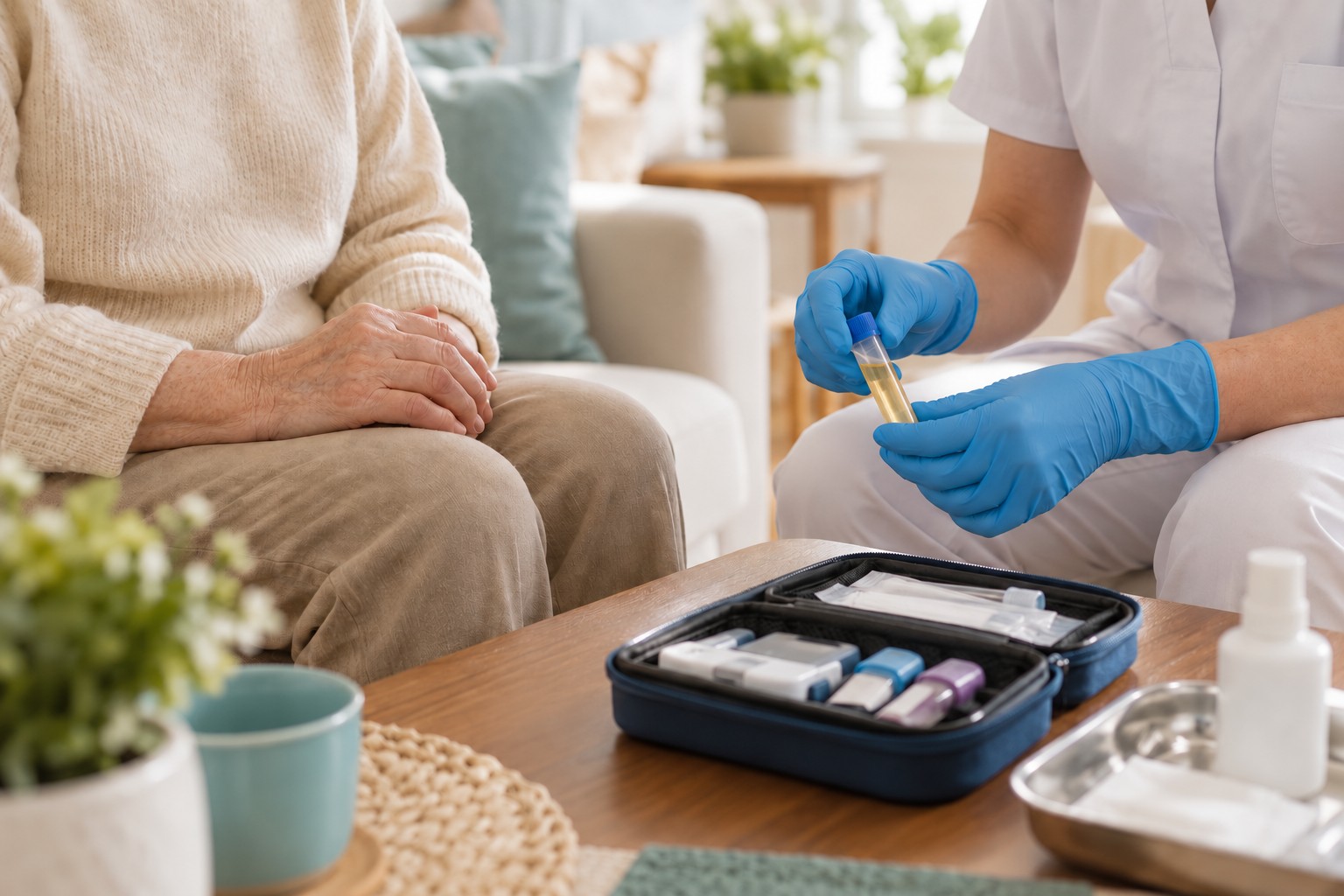
Our nurse comes to your address and collects your blood sample using sterile, single-use supplies.
-
03
You receive your result
Your sample is transported to the laboratory under appropriate conditions; your result is sent to you when it is ready.
Frequently asked questions
The information on this page is for general information only; it does not replace diagnosis or treatment. Consult your doctor for decisions about your health.