

The evening cortisol test evaluates the natural decline of cortisol over the day; it is used to investigate rhythm disorders such as Cushing's syndrome.
- Sample
- Blood
- Fasting
- Not required
- Turnaround time
- Usually 1–2 business days
- Test group
- Hormones
Preparation: No fasting required; blood is usually drawn between 4 p.m. and 8 p.m., at the time specified by the doctor. Mention any cortisone medications and biotin.
Insurance: We work with private health insurers. For this test, we obtain the pre-approval and collect your sample once approval is received; we do not charge a co-payment. Insurance and payment
Contents
What is evening cortisol?
Cortisol is a steroid hormone produced in the outer layer of the adrenal glands and popularly known as the stress hormone. It plays an important role in regulating blood sugar, blood pressure and the immune response, and in helping the body adapt to physical and emotional stress. It also affects fat, protein and carbohydrate metabolism. Its secretion is controlled by the hormone ACTH from the pituitary gland in the brain.
Cortisol levels follow a distinct rhythm during the day: they are highest around the time of waking, gradually decrease over the course of the day and reach their lowest point toward midnight. The evening cortisol test measures cortisol in blood drawn in the afternoon or evening to see whether this natural decline is taking place. The measurement is performed on serum using immunological methods, and the result is reported in µg/dL.
When is the evening cortisol test ordered?
Evening cortisol is usually ordered together with morning cortisol to assess the hormone's daily rhythm. In Cushing's syndrome, which involves cortisol excess, the morning value may appear normal, while the loss of the evening decline can be an important clue. However, Cushing's syndrome is not diagnosed with a single blood measurement; your doctor may order additional tests such as a dexamethasone suppression test, 24-hour urine cortisol or late-night salivary cortisol.
- Rounding of the face, weight gain around the trunk and purple stretch marks on the abdomen
- Unexplained high blood pressure or high blood sugar
- Easy bruising, muscle weakness and osteoporosis at a young age
- Evaluation of masses found in the adrenal or pituitary gland
- Monitoring after treatment for cortisol excess
How do you prepare for the evening cortisol test?
You do not need to fast for this test, but the time at which the blood is drawn directly affects the result. Evening cortisol is usually drawn between 4 p.m. and 8 p.m.; if your doctor has specified a different time, you should follow it. It is recommended that you spend the half hour before your blood draw resting and that you avoid strenuous exercise, smoking and caffeinated drinks.
Cortisone-containing tablets, injections, creams, nasal sprays and inhalers, as well as birth control pills and estrogen therapies, can change the result significantly; do not stop these medications on your own, but be sure to mention them. High-dose vitamin supplements containing biotin can also make the result misleading. If you work night shifts or your sleep pattern is irregular, mention this, because the cortisol rhythm depends on the sleep-wake cycle. A Curavita nurse can draw your blood at your home at the specified evening time, so you do not need to go out at the end of the day.
What does the evening cortisol result mean?
A low evening cortisol is usually expected and shows that the daily rhythm is preserved; therefore, a low evening value alone does not mean adrenal insufficiency. When insufficiency is being assessed, the key information comes from morning cortisol and, when needed, stimulation tests. Evaluating morning and evening values together provides much more meaningful information than a single measurement.
A higher-than-expected evening value may suggest that the decline of cortisol over the day is disrupted. This can be seen in Cushing's syndrome, but it can also be caused by more common factors such as intense stress, acute illness, sleep deprivation, depression, excessive alcohol use, pregnancy and estrogen-containing medications. Reference ranges vary by the time the sample is taken, the laboratory, age and sex; the range of the laboratory that performs the test is also shown separately on this page. What your result means should be decided by your doctor, who evaluates your symptoms and other hormone tests together.
Reference range
Unit: µg/dL- 2.7 - 10.5
This is the value used by our laboratory; it may vary depending on age, sex, the method used and the laboratory. Review your result together with your doctor.
How is Cortisol (Evening) done at home?
-
01
Book your appointment
Fill in the online form or call us, and let's plan a day and time that suit you together.
-
02
Your blood is drawn at home
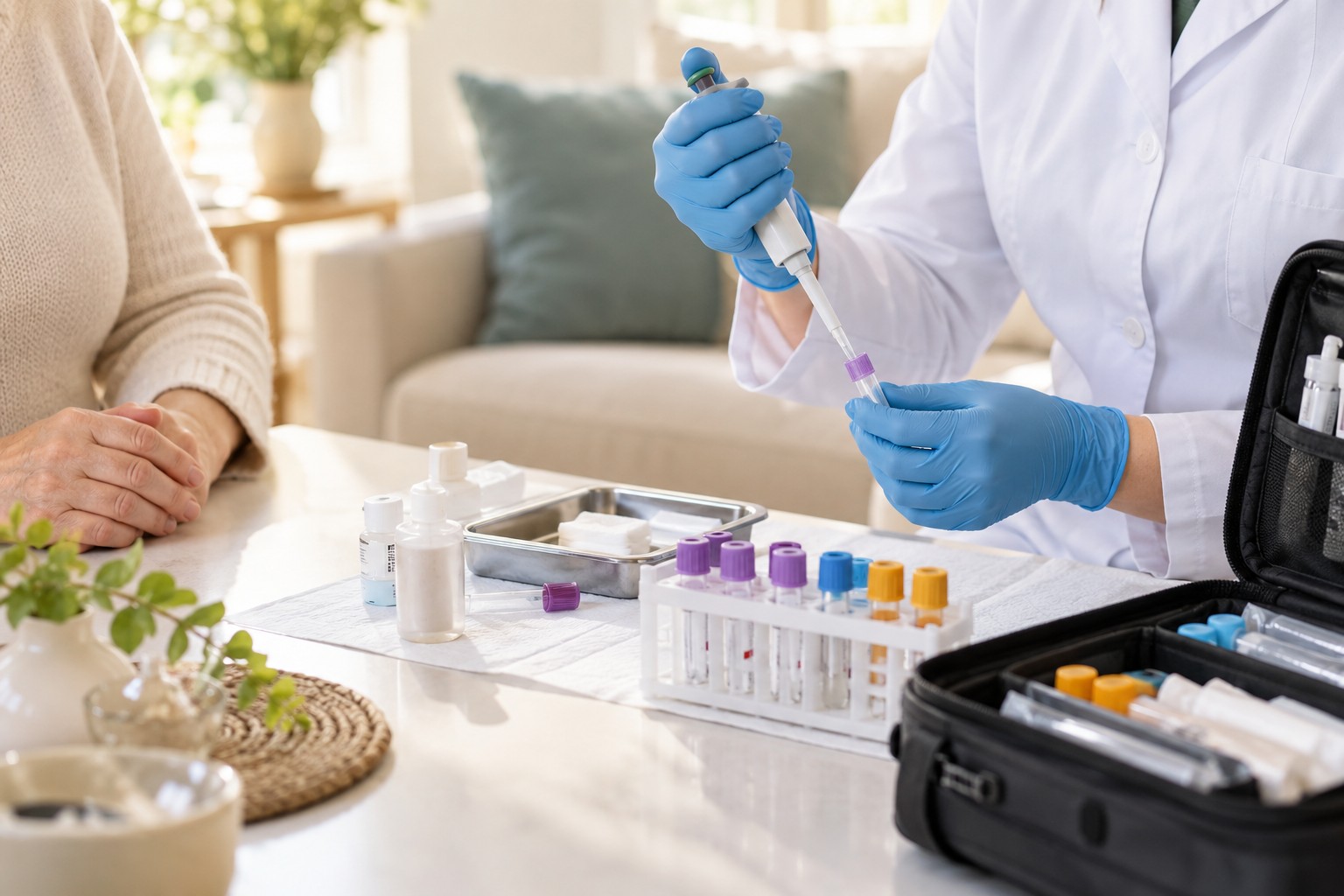
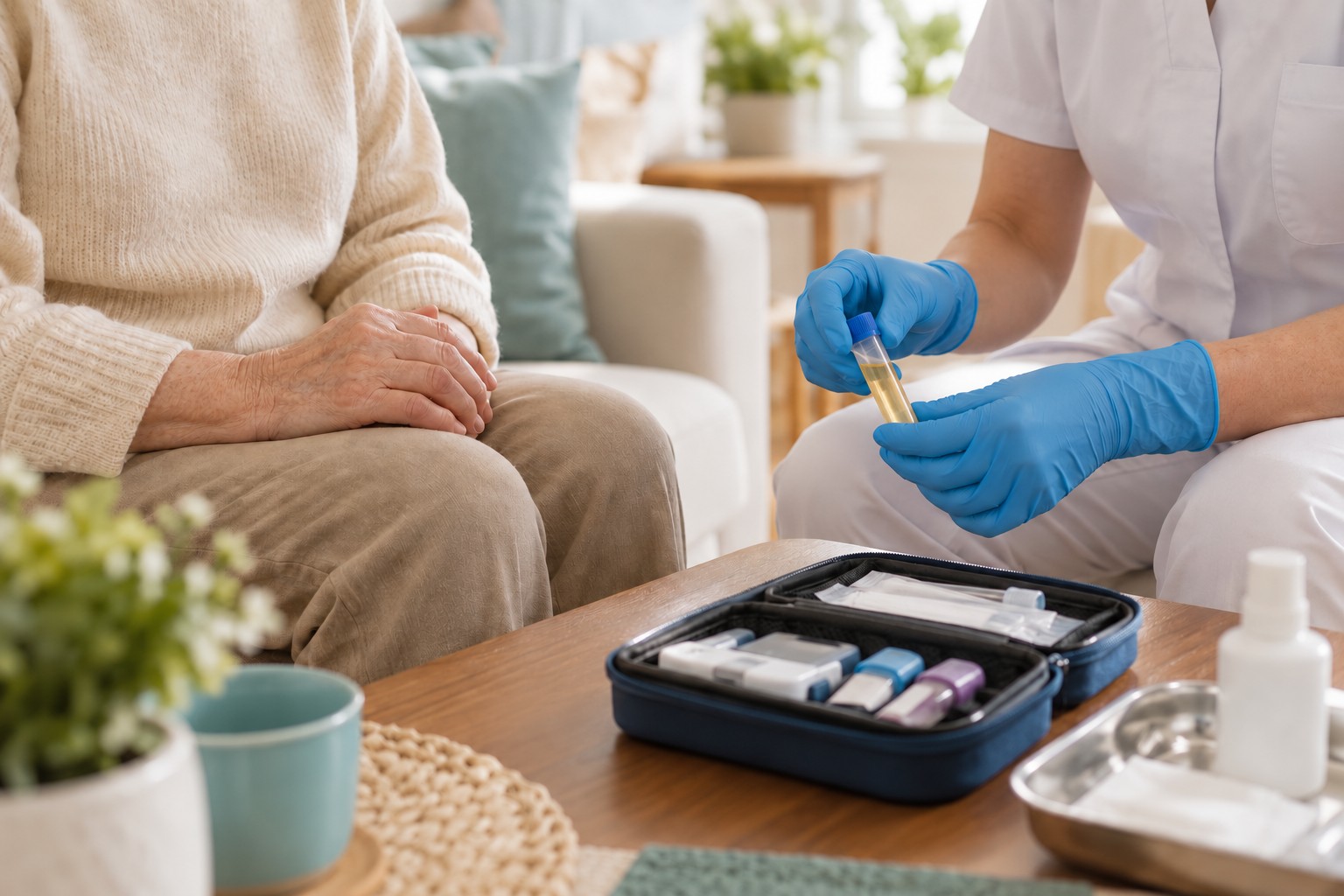
Our nurse comes to your address and collects your blood sample using sterile, single-use supplies.
-
03
You receive your result
Your sample is transported to the laboratory under appropriate conditions; your result is sent to you when it is ready.
Frequently asked questions
The information on this page is for general information only; it does not replace diagnosis or treatment. Consult your doctor for decisions about your health.