

The intact PTH test measures the parathyroid hormone that regulates calcium and phosphorus balance; it is ordered for calcium disorders and kidney disease follow-up.
- Sample
- Blood
- Fasting
- Required
- Turnaround time
- Usually 1–2 business days
- Test group
- Hormones
Preparation: Give the sample after 8–12 hours of fasting, preferably in the morning. If you take biotin, calcium or vitamin D supplements, tell your doctor.
Insurance: We work with private health insurers. For this test, we obtain the pre-approval and collect your sample once approval is received; we do not charge a co-payment. Insurance and payment
Contents
What is parathyroid hormone (PTH)?
Parathyroid hormone is secreted by the small parathyroid glands, usually four in number, located on the back of the thyroid gland in the neck. Its main role is to keep blood calcium within a narrow range. When calcium falls, PTH rises; it causes calcium to be released from the bones, helps the kidneys retain calcium and excrete phosphorus, and activates vitamin D, which increases calcium absorption from the intestine.
Intact PTH is measured with an immunoassay that targets the whole, unfragmented hormone molecule. The result is meaningful not on its own but together with the calcium level measured at the same time. For this reason, the test is usually ordered together with calcium, phosphorus, vitamin D and kidney function tests. In chronic kidney disease, PTH is an important marker used regularly to monitor bone and mineral balance.
When is a PTH test ordered?
Blood calcium that is higher or lower than expected is the most common reason for measuring PTH. With this test, the doctor tries to determine whether the problem stems from the parathyroid glands or from another cause. Because a calcium disorder of parathyroid origin can underlie conditions such as kidney stones or osteoporosis, PTH is also often measured in these patients. In people who have had thyroid or parathyroid surgery, it helps show whether the glands are still working properly.
- High or low blood calcium
- Recurrent kidney stones
- Bone loss (osteoporosis) or unexplained fractures
- Bone and mineral monitoring in chronic kidney disease
- Follow-up after thyroid or parathyroid surgery
- Numbness around the mouth and in the fingers, muscle cramps
How do I prepare for a PTH test?
Because PTH levels fluctuate during the day and can be affected by meals, it is recommended to give the sample in the morning after 8–12 hours of fasting. Fasting is also important for the accuracy of the calcium and phosphorus measurements ordered alongside it. You can drink water during this time. If the result is to be compared with previous results, it is best to give blood again in the morning on an empty stomach.
Calcium and vitamin D supplements and medications such as some diuretics and lithium can affect the result; tell your doctor about them. High-dose biotin (vitamin B7) can make PTH falsely low with some measurement methods. The blood sample can be taken by a nurse at your home or workplace; because PTH is a hormone that can break down if the sample is left standing, the sample must be delivered to the laboratory without delay.
What does a PTH result mean?
High PTH together with high calcium usually suggests that one of the parathyroid glands is overactive (primary hyperparathyroidism); the most common cause is a benign growth. High PTH while calcium is normal or low, on the other hand, is often the body's response to vitamin D deficiency, chronic kidney disease or inadequate calcium intake.
Low PTH together with low calcium may indicate that the parathyroid glands are underactive; this can be seen especially after neck surgery. Suppressed PTH while calcium is high indicates that the cause should be sought outside the parathyroid glands. Reference ranges can vary with the method used, the laboratory, age and sex; the range on this page belongs to the laboratory performing the test. Your result should be interpreted by your doctor together with calcium and your other tests, taking your symptoms into account.
Reference range
Unit: pg/mL- 15 - 65
This is the value used by our laboratory; it may vary depending on age, sex, the method used and the laboratory. Review your result together with your doctor.
How is Intact PTH (Parathyroid Hormone) done at home?
-
01
Book your appointment
Fill in the online form or call us, and let's plan a day and time that suit you together.
-
02
Your blood is drawn at home
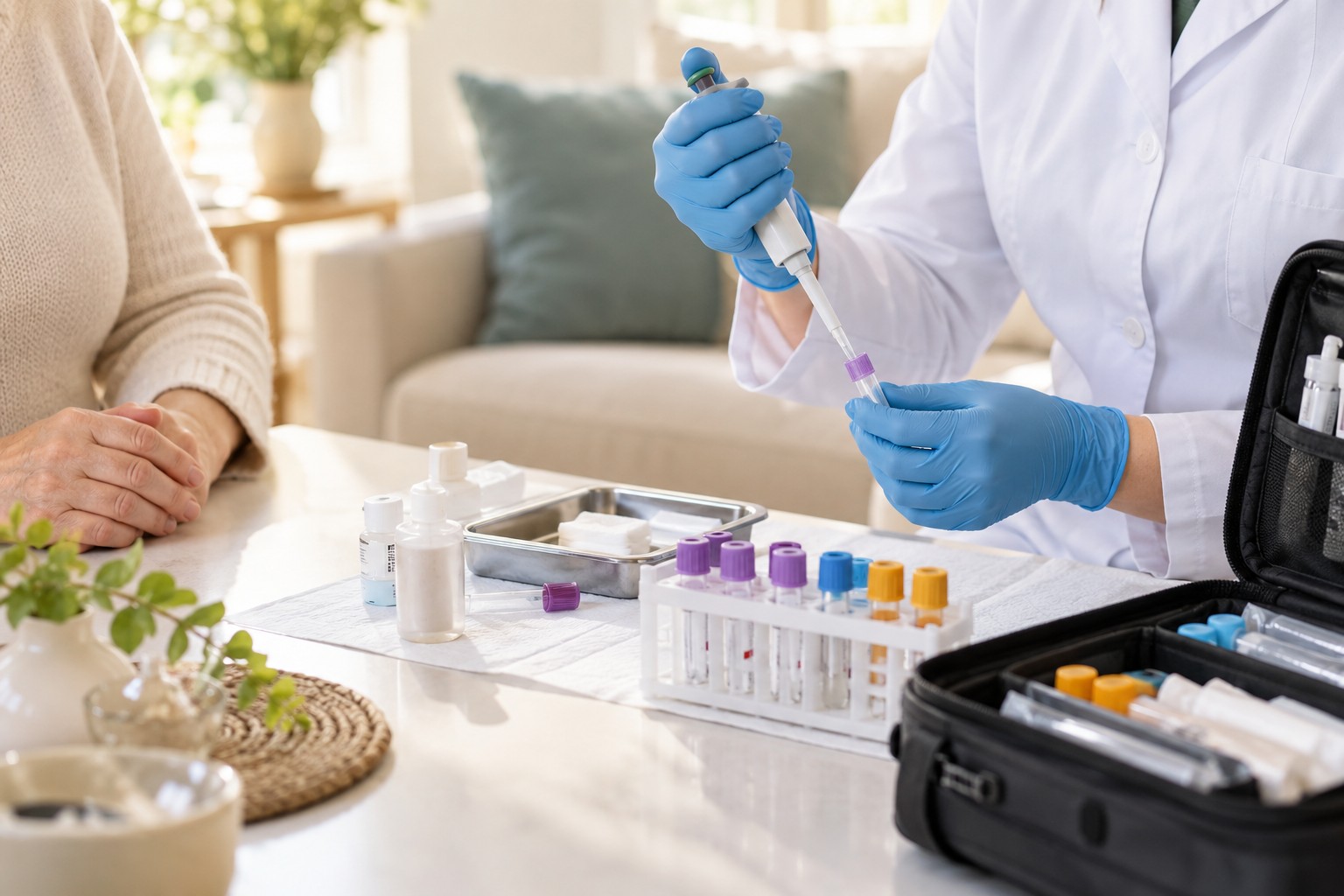
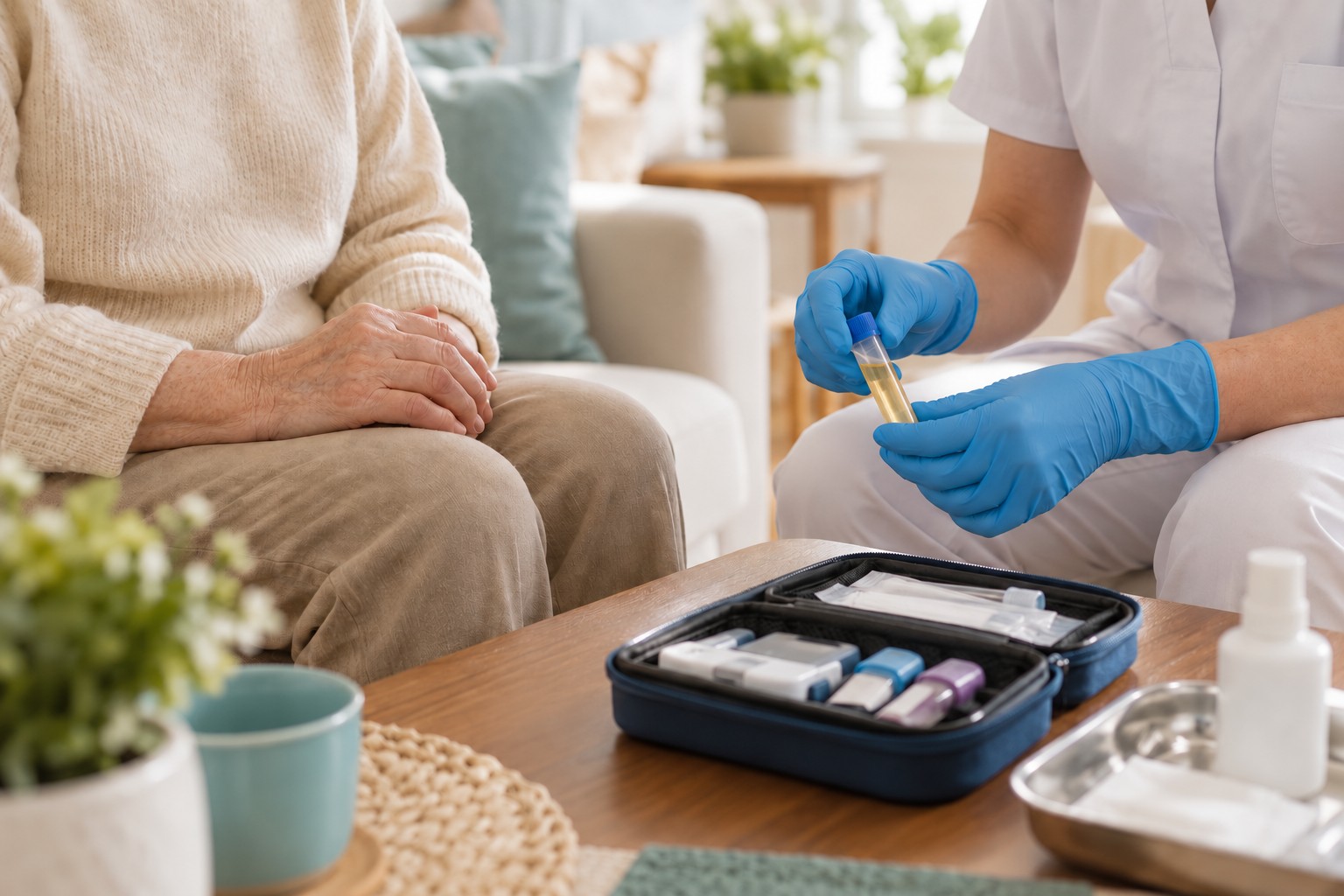
Our nurse comes to your address and collects your blood sample using sterile, single-use supplies.
-
03
You receive your result
Your sample is transported to the laboratory under appropriate conditions; your result is sent to you when it is ready.
Frequently asked questions
The information on this page is for general information only; it does not replace diagnosis or treatment. Consult your doctor for decisions about your health.