

A throat culture looks for bacteria that cause throat infections and shows which antibiotic is effective. The swab can be taken at your home.
- Sample
- Throat swab
- Fasting
- Required
- Turnaround time
- Usually 2–3 days (culture time)
- Test group
- Culture and Microbiology
Preparation: Best given in the morning before breakfast, toothbrushing and gargling; if possible, it is taken before starting antibiotics.
Insurance: We work with private health insurers. For this test, we obtain the pre-approval and collect your sample once approval is received; we do not charge a co-payment. Insurance and payment
Contents
What is a throat culture?
A throat culture is a microbiology test that looks for potentially disease-causing bacteria in a swab sample taken from the tonsils and the back wall of the throat. The sample is inoculated onto special culture media that allow bacteria to grow and is kept in an incubator for a certain period. Harmless bacteria are also present in the throats of healthy people and are called normal flora; the test aims to distinguish these bacteria from disease-causing organisms. One of the most important organisms it looks for is group A beta-hemolytic streptococcus, a common cause of throat infections.
When a significant bacterium grows in the culture, its species is identified and, if considered necessary, a susceptibility test called an antibiogram is performed. The antibiogram shows which antibiotics the bacterium is sensitive to and which it is resistant to. Because it takes time for bacteria to form visible colonies, culture results take longer than blood tests. This waiting period is necessary to identify the right organism and an effective treatment option.
When is a throat culture ordered?
Sore throats are most often caused by viruses, and antibiotics are of no benefit in these cases. An accompanying cough, runny nose and hoarseness also point more toward a viral infection. Your doctor may order a throat culture when your symptoms suggest a bacterial infection or when they want to confirm the result of a rapid strep test. This also aims to prevent unnecessary antibiotic use.
- Severe sore throat that starts suddenly with fever
- Swelling, redness or white spots of pus on the tonsils
- Tender, enlarged lymph nodes in the neck
- Frequently recurring tonsillitis
- Confirmation of a negative rapid strep test in children
- Carrier screening required by some workplaces
How do you prepare for a throat culture?
It is recommended that the throat swab be taken in the morning, before breakfast and before brushing your teeth. Before the test, you should not use gargles, mouthwash, throat sprays or lozenges; these products can suppress bacterial growth and give a misleading result. If antibiotic treatment has been started, bacteria may not grow in the culture, so the sample should be taken before starting the medicine whenever possible. Be sure to mention any medicines you have used in recent days before the sample is taken.
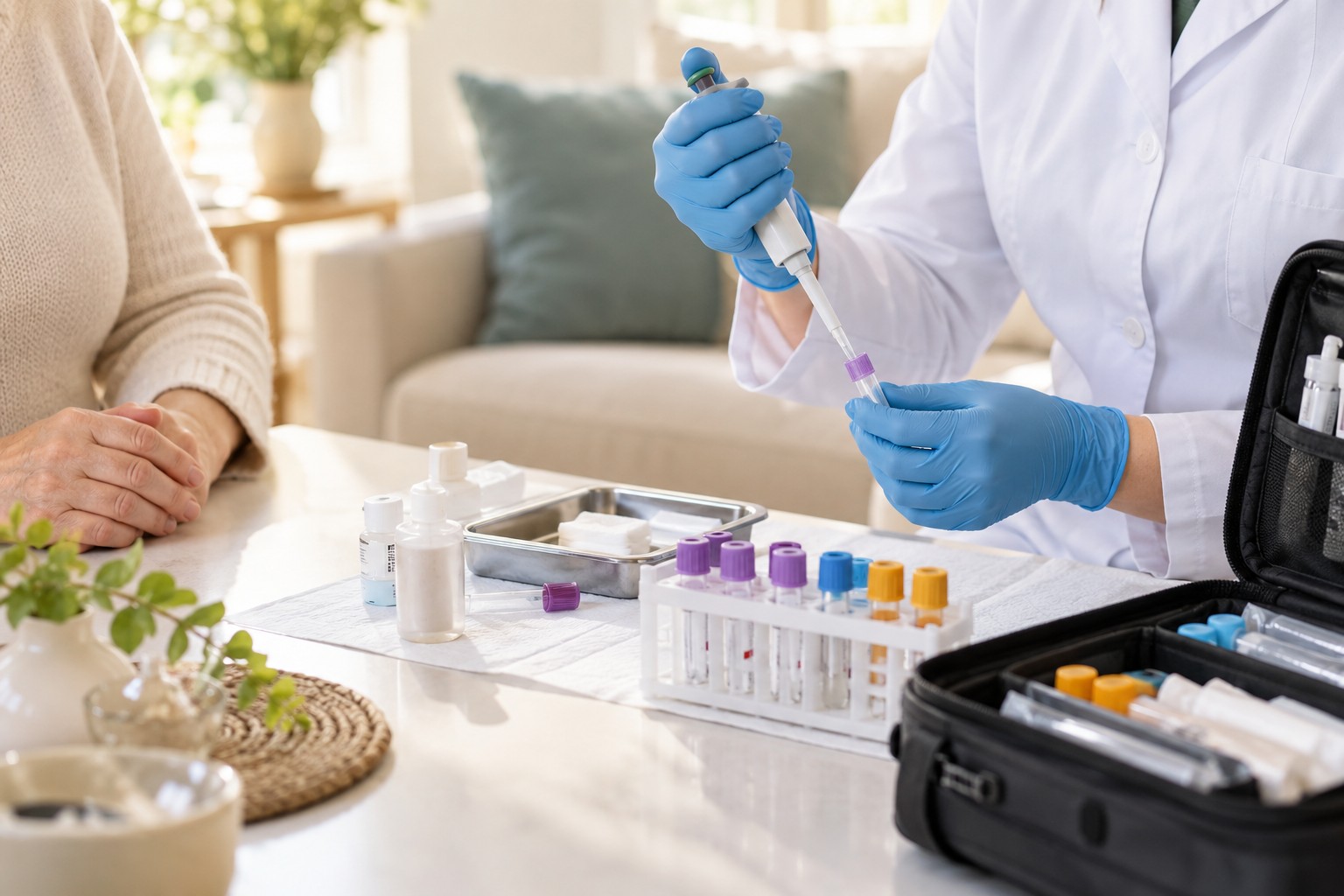
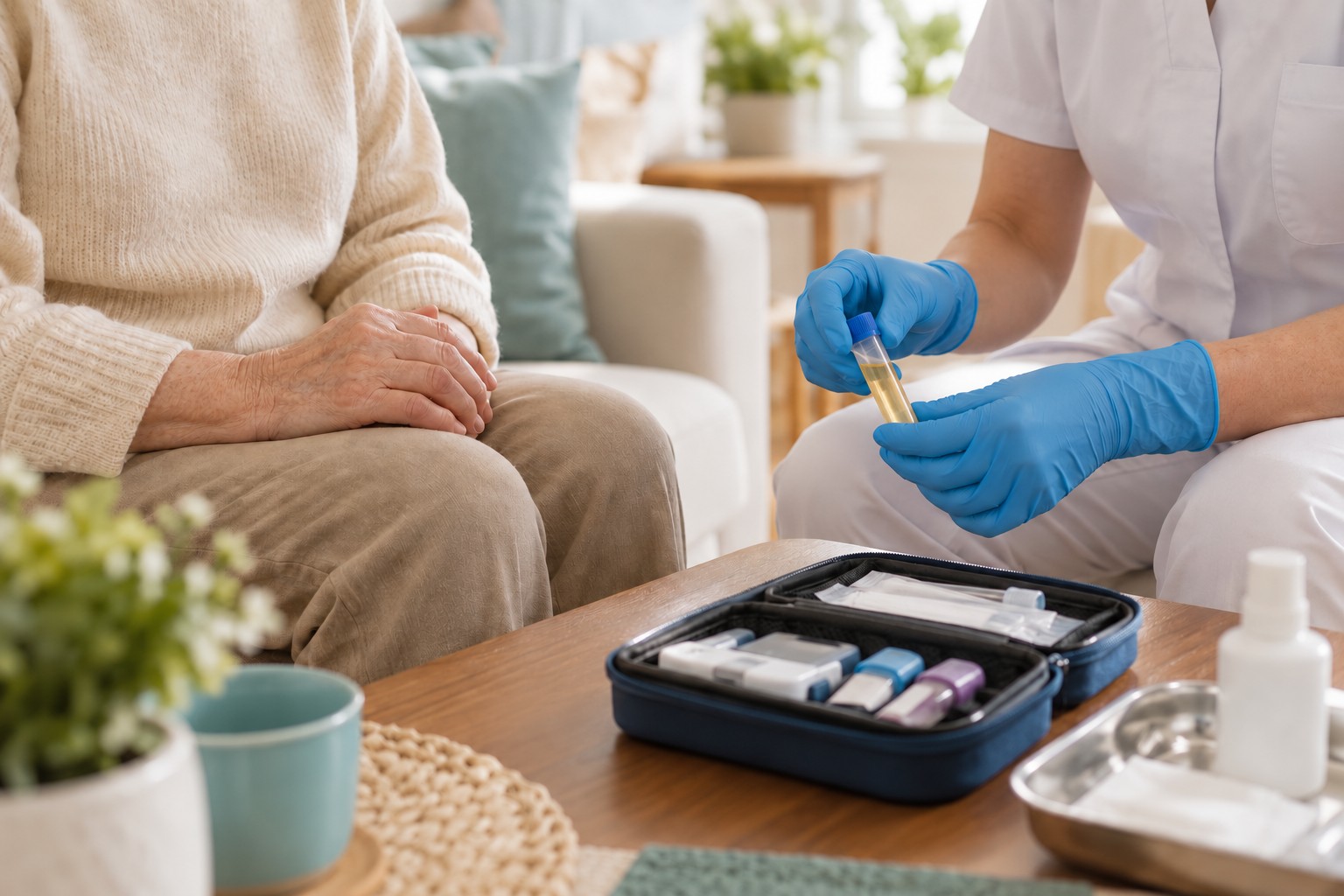
When the sample is taken, the tongue is gently held down with a tongue depressor, and a sterile swab is rubbed over the tonsils and the back wall of the throat. The procedure takes a few seconds; you may briefly feel like gagging, but it is not painful. For a reliable result, it is important that the swab does not touch the tongue, teeth or cheeks. The swab can also be taken at home; in that case, our nurse places the sample in a transport tube and delivers it to the laboratory.
What does a throat culture result mean?
If the report says "normal flora", this means that only bacteria normally found in the throat grew in the sample and no disease-causing organism was detected. When an organism such as group A streptococcus grows, the report includes the name of the bacterium and, if available, the antibiogram result. The laboratory may also report some beta-hemolytic streptococci other than group A, or other organisms that the doctor has specifically requested. Your doctor plans treatment based on this information or assesses whether a treatment already started is appropriate.
Especially in children, streptococci can be carried without causing symptoms; for this reason, growth does not always mean active disease. A negative result, on the other hand, may also occur in situations such as antibiotic use before the sample or an infection caused by viruses. The reporting format and reference wording may vary by laboratory; this laboratory's reference is shown separately on the page. The result should be interpreted by your doctor together with your age, symptoms, examination findings and, if necessary, other tests.
Expected result
- Normal flora
This is the value used by our laboratory; it may vary depending on age, sex, the method used and the laboratory. Review your result together with your doctor.
How is Throat Culture (Culture and Antibiotic Sensitivity) done at home?
-
01
Book your appointment
Fill in the online form or call us, and let's plan a day and time that suit you together.
-
02
Your swab is taken at home
Our nurse comes to your address and takes the swab sample with a sterile swab in a few seconds.
-
03
You receive your result
Your sample is transported to the laboratory under appropriate conditions; your result is sent to you when it is ready.
Frequently asked questions
The information on this page is for general information only; it does not replace diagnosis or treatment. Consult your doctor for decisions about your health.