

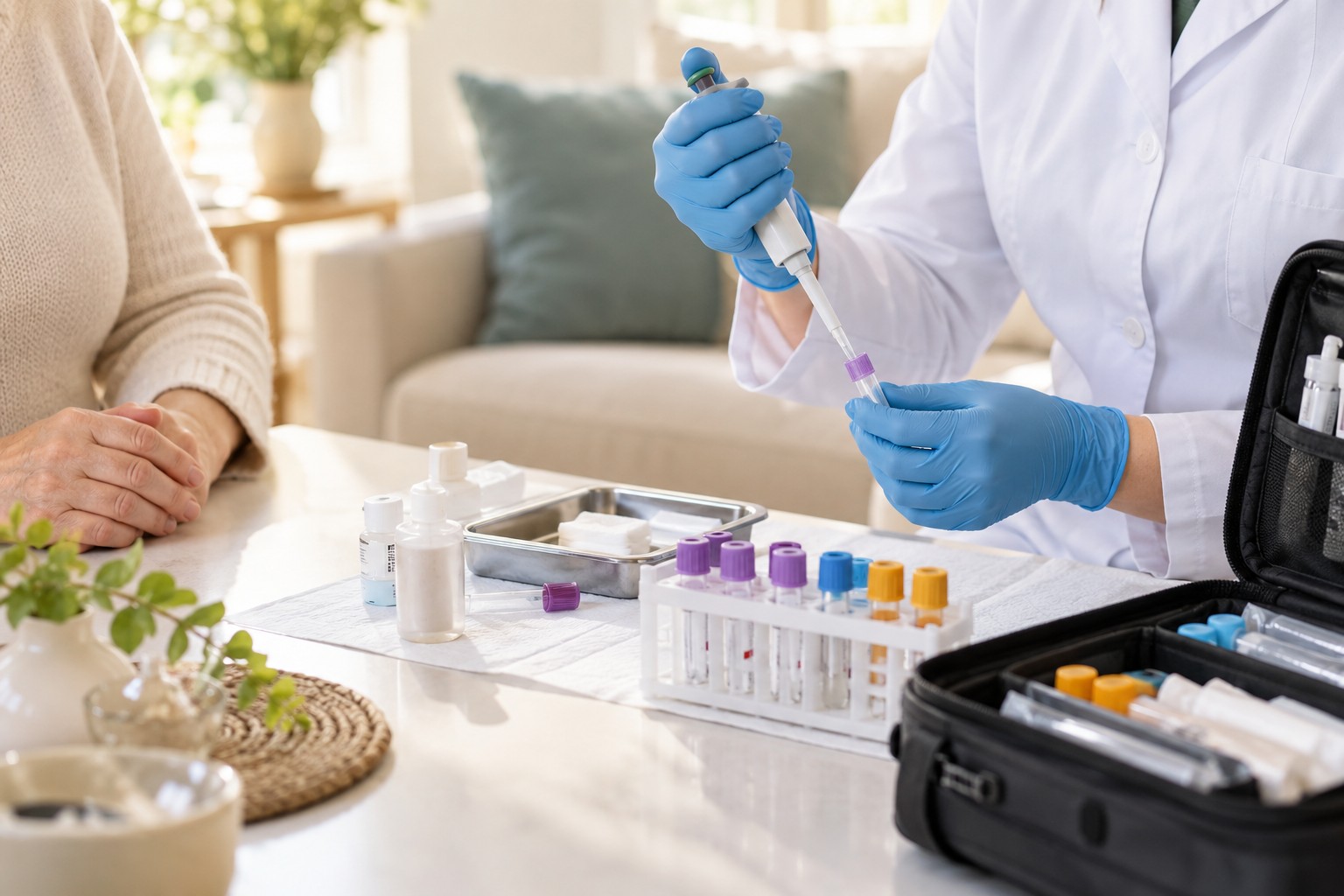
The iron test measures the amount of iron circulating in the blood bound to transferrin; it is used with other tests to evaluate iron deficiency or excess.
- Sample
- Blood
- Fasting
- Required
- Turnaround time
- As soon as possible
- Test group
- Biochemistry
Preparation: A morning sample after 8–12 hours of fasting is recommended. Ask your doctor in advance whether you should pause your iron medicine.
Insurance: We work with private health insurers. For this test, we obtain the pre-approval and collect your sample once approval is received; we do not charge a co-payment. Insurance and payment
Contents
What is iron (serum iron)?
Iron is an essential mineral that forms part of the hemoglobin in red blood cells and enables oxygen to be carried from the lungs to the tissues. It is also found in myoglobin, which stores oxygen in the muscles, and in certain enzymes involved in energy production. The body obtains iron from food; any excess is stored as ferritin in the liver, spleen and bone marrow.
The serum iron test measures the amount of iron circulating in the blood bound to a carrier protein called transferrin. This value reflects not the body's total iron stores but the iron in circulation at that moment, and it can fluctuate markedly over the course of the day. For this reason, the result becomes meaningful not on its own but together with other iron tests. The measurement is made with automated methods based on a color change, and the result is reported in µg/dL.
When is the iron test ordered?
The iron test is mostly ordered together with ferritin, total iron-binding capacity and transferrin saturation. When these tests are evaluated together, iron deficiency, anemia of chronic disease and iron overload can be distinguished from one another more easily. Your doctor usually evaluates the results together with a complete blood count.
In people receiving iron treatment, it may also be ordered to monitor whether the treatment is sufficient or whether more iron than necessary is being taken. It also helps assess iron status in people who donate blood frequently. It is also used as part of screening in people with a family history of hereditary iron overload disease.
- Fatigue, weakness, paleness and getting out of breath easily
- Low hemoglobin or small red blood cells on a complete blood count
- Heavy menstrual bleeding, pregnancy or suspected blood loss from the digestive tract
- Evaluation of anemia in long-standing inflammatory or chronic diseases
- Signs of iron overload (hemochromatosis) such as joint pain or an enlarged liver
How should you prepare for the iron test?
The iron level in the blood fluctuates during the day; it is higher in the morning and can increase after meals. For this reason, it is recommended that the blood sample be given in the morning after 8–12 hours of fasting; during this time, you may drink only water. Having follow-up tests done at similar times of day makes the results easier to compare.
Iron-containing medicines and supplements can raise the value markedly in the hours after the last dose. Your doctor may ask you to pause your iron medicine for a while before the test; do not decide on this period yourself. Hormone-containing medicines such as birth control pills can also affect the result, so mention the medicines you take. If you have recently had a blood transfusion, be sure to mention this as well. Our nurse can come to your home or workplace in the morning to take your blood sample.
What does the iron result mean?
Low serum iron most often points to iron deficiency; the cause may be poor nutrition, absorption problems, pregnancy or blood loss. However, in conditions such as infections, inflammatory diseases and chronic kidney disease, the blood level may measure low even when the body has enough iron. This is why the ferritin result is also checked to determine whether the deficiency is real. Because the need for iron increases during pregnancy and periods of growth, low values are more common at these times.
High serum iron may be associated with recent iron supplementation, frequent blood transfusions, certain types of anemia, liver damage or hereditary iron overload disease. Because iron overload can damage organs such as the liver, heart and pancreas in the long term, the cause of high values is investigated. Reference ranges vary by laboratory, age and sex; separate ranges are used for men and women, and this page shows the values of the relevant laboratory. Your iron result should be interpreted by your doctor, together with your symptoms and your other blood tests.
Reference range
Unit: µg/dL- Male: 59 - 158
- Female: 37 - 145
This is the value used by our laboratory; it may vary depending on age, sex, the method used and the laboratory. Review your result together with your doctor.
How is Iron (Serum Iron) done at home?
-
01
Book your appointment
Fill in the online form or call us, and let's plan a day and time that suit you together.
-
02
Your blood is drawn at home
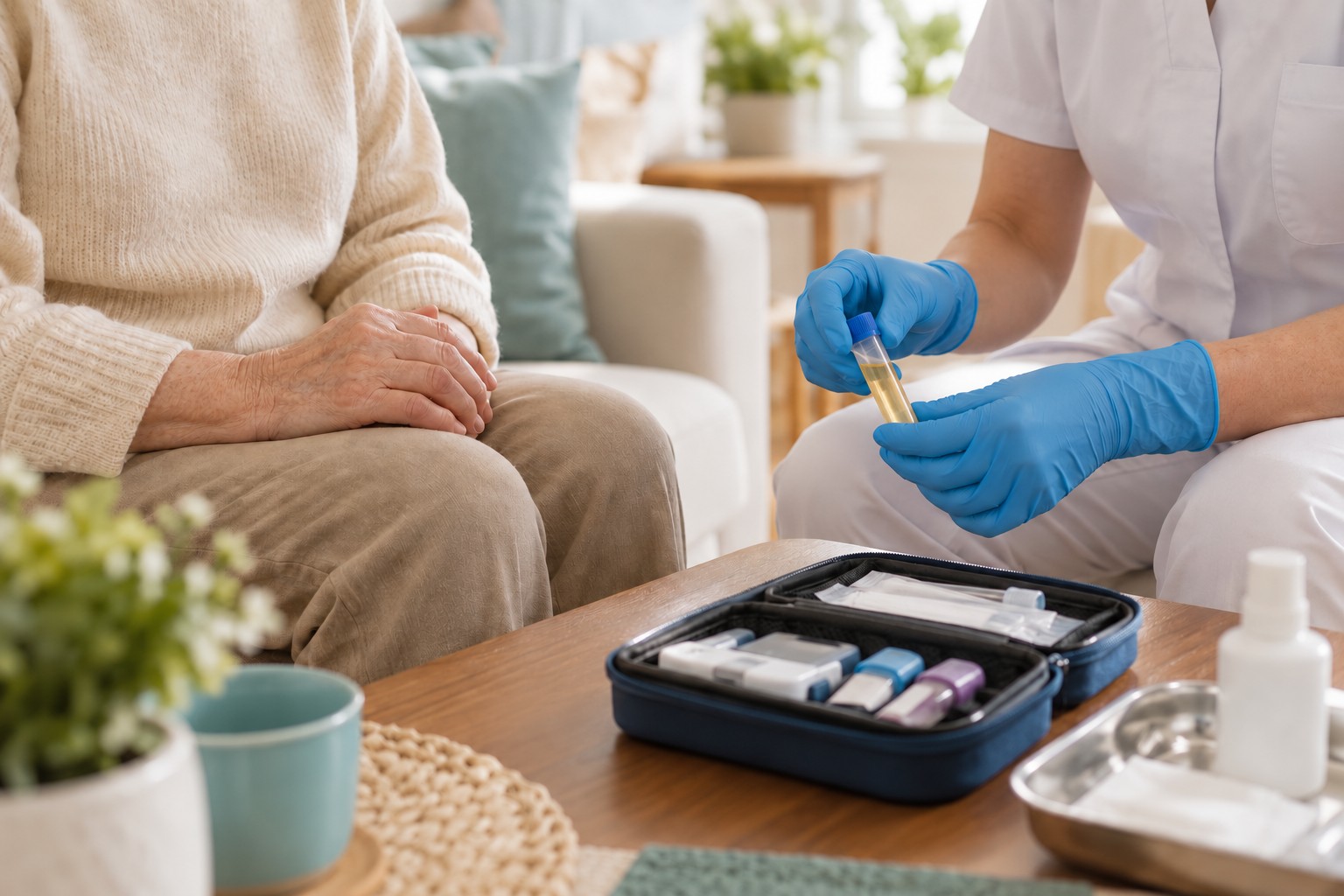
Our nurse comes to your address and collects your blood sample using sterile, single-use supplies.
-
03
You receive your result
Your sample is transported to the laboratory under appropriate conditions; your result is sent to you when it is ready.
Frequently asked questions
The information on this page is for general information only; it does not replace diagnosis or treatment. Consult your doctor for decisions about your health.