

The ferritin test shows the body's iron stores; it is ordered to detect iron-deficiency anemia early and to assess iron overload.
- Sample
- Blood
- Fasting
- Not required
- Turnaround time
- As soon as possible
- Test group
- Biochemistry
Preparation: No fasting is needed for this test alone; if it is ordered together with iron, give the sample in the morning on an empty stomach. Report any iron medications or biotin you take.
Insurance: We work with private health insurers. For this test, we obtain the pre-approval and collect your sample once approval is received; we do not charge a co-payment. Insurance and payment
Contents
What is ferritin?
Ferritin is a protein that stores iron safely inside cells. A significant portion of the body's iron is kept within this protein, ready to be used when needed. Ferritin is found mainly in the liver, spleen and bone marrow; when the body needs it, iron is released from these stores and used to make blood. The small amount of ferritin circulating in the blood is proportional to the body's total iron stores.
This is why the ferritin test is one of the most useful tests for assessing the state of the iron stores. The test measures the amount of ferritin in blood serum using antibody-based immunological methods, and the result is reported in ng/mL. Ferritin is also one of the acute-phase proteins that rise when there is inflammation in the body; this property matters when the result is interpreted.
When is a ferritin test ordered?
Ferritin is one of the earliest indicators of iron deficiency; while the stores are running low, hemoglobin may still be normal. Your doctor usually orders this test together with a complete blood count, serum iron and iron-binding capacity. It is also measured regularly in people with chronic kidney disease who are being treated for anemia.
In people who have started iron treatment, it is repeated at set intervals to see whether the stores are being replenished. It is also one of the first tests checked when looking for iron overload in people with unexplained joint pain, fatigue and elevated liver enzymes. In patients who receive frequent blood transfusions, it is used to monitor whether excess iron is building up in the body.
- Fatigue, hair loss, brittle nails or pallor
- Anemia or small red blood cells on a complete blood count
- Heavy menstrual bleeding, pregnancy or frequent blood donation
- Suspected iron overload (hemochromatosis) or its follow-up
- Complaints linked to iron deficiency, such as restless legs syndrome
How do you prepare for a ferritin test?
No fasting is needed when the ferritin test is ordered on its own. However, if it is to be run together with serum iron, giving the sample in the morning on an empty stomach is recommended, because the iron level is affected by meals and the time of day. Recent infections can temporarily raise ferritin, so if the test is to be done during or just after an illness with fever, tell your doctor.
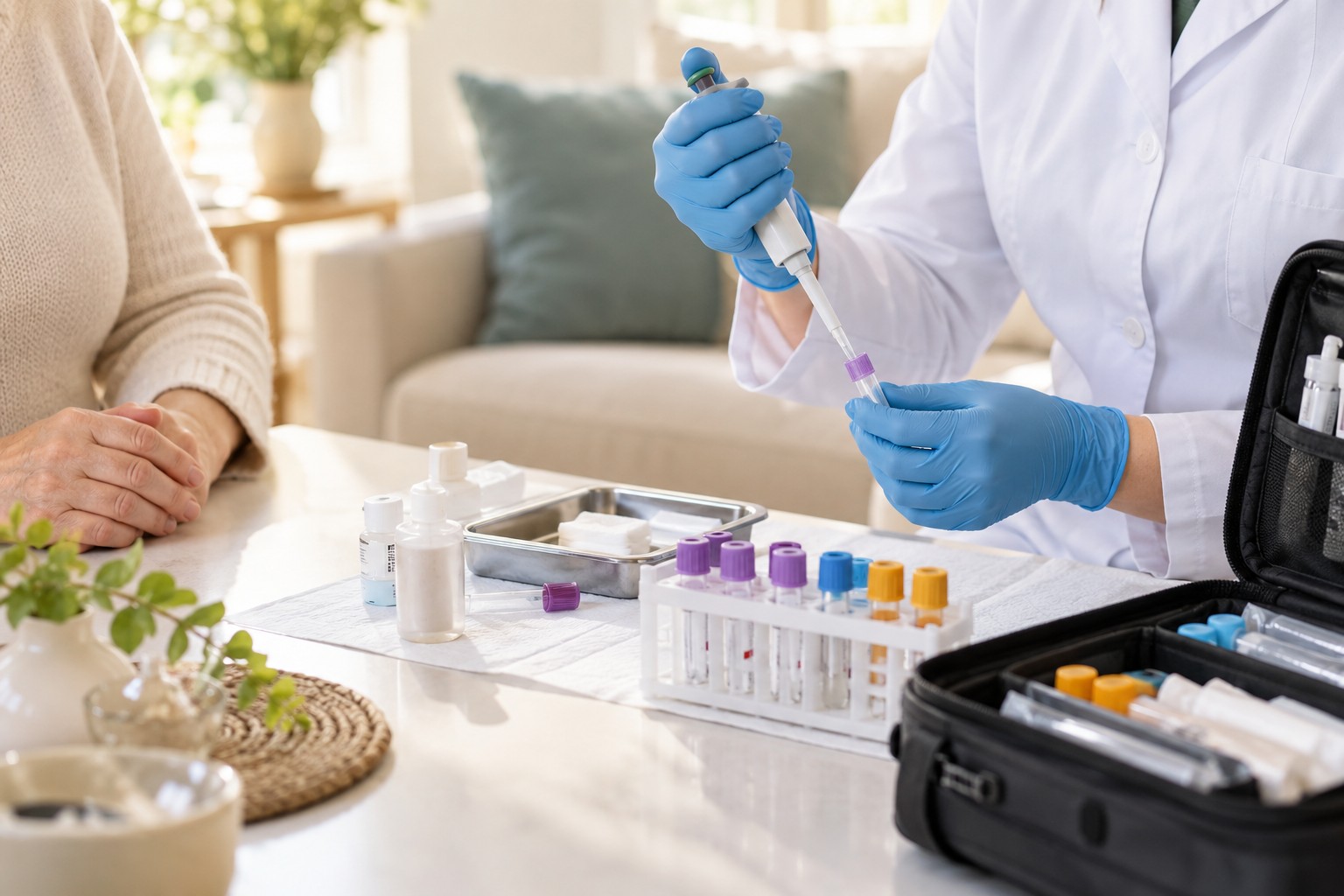
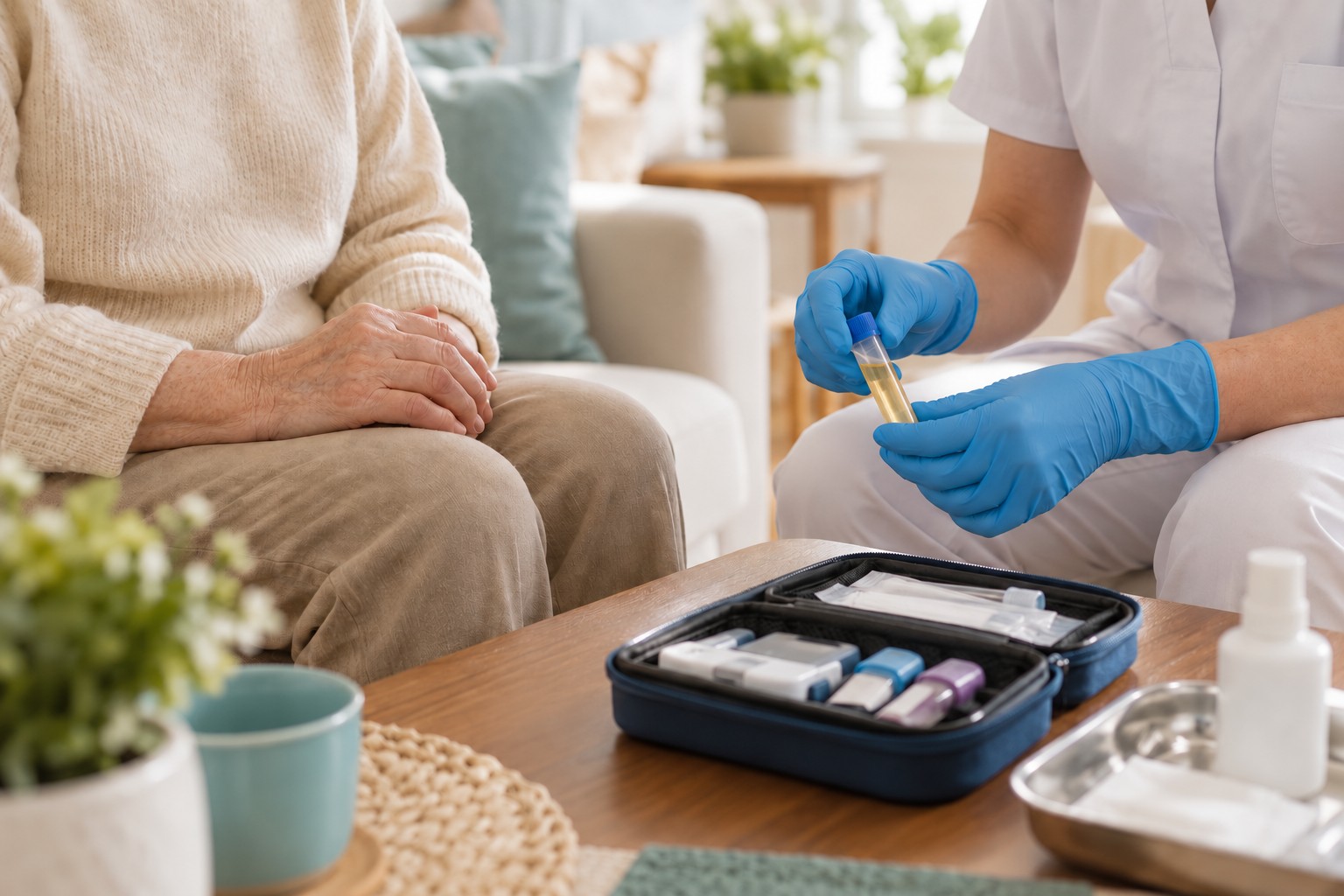
Iron medications and blood transfusions can affect the result; it is important to report any iron supplements you take and any high-dose biotin (B7) supplements. If you have just started iron treatment, planning the timing of the follow-up test with your doctor helps ensure the result is interpreted correctly. The sample is taken from a vein on the inner side of the arm in a quick procedure. Having our nurse come to your home or workplace to take your sample saves time, especially when regular monitoring is needed.
What does a ferritin result mean?
Low ferritin almost always indicates that the iron stores are depleted and is one of the most reliable blood findings of iron deficiency. The main causes include inadequate dietary intake, absorption problems, pregnancy, and blood loss such as heavy menstrual bleeding or hidden bleeding from the digestive tract. Finding the cause is as important as the low ferritin itself; depending on your age and complaints, your doctor may order further tests, such as examinations of the digestive tract.
High ferritin, on the other hand, can be seen not only with iron overload but also with infection, inflammatory diseases, liver diseases, fatty liver, heavy alcohol use and some types of cancer. Because ferritin rises with inflammation, a value that looks normal can sometimes mask a hidden iron deficiency. The accepted limits for ferritin differ between women and men and also vary with age and from laboratory to laboratory; on this page you can see the laboratory range given separately for each sex. It is your doctor who will interpret your ferritin result, considering your symptoms and your other iron tests together.
Reference range
Unit: ng/mL- Male: 30 - 400
- Female: 13 - 150
This is the value used by our laboratory; it may vary depending on age, sex, the method used and the laboratory. Review your result together with your doctor.
How is Ferritin (Iron Stores) done at home?
-
01
Book your appointment
Fill in the online form or call us, and let's plan a day and time that suit you together.
-
02
Your blood is drawn at home
Our nurse comes to your address and collects your blood sample using sterile, single-use supplies.
-
03
You receive your result
Your sample is transported to the laboratory under appropriate conditions; your result is sent to you when it is ready.
Frequently asked questions
The information on this page is for general information only; it does not replace diagnosis or treatment. Consult your doctor for decisions about your health.